Covid lockdown, five years on, still divides people for one simple reason
The argument about covid lockdown often gets stuck on a blunt question, did restrictions work or not. But a roundtable convened by Ireland’s COVID-19 Evaluation Panel on 3 November 2026 pushes the conversation somewhere more useful, and frankly more uncomfortable. It suggests the lived impact of lockdowns is not evenly shared, and that pre-existing social inequality can be “decisive” in shaping mental health outcomes.
That word, decisive, matters. It implies the difference between coping and cracking is not just personality, or “resilience”, or whether someone baked sourdough. It is whether they have secure work, decent housing, supportive relationships, and access to services. And if they do not, the same public health rulebook can land like a tonne of bricks.
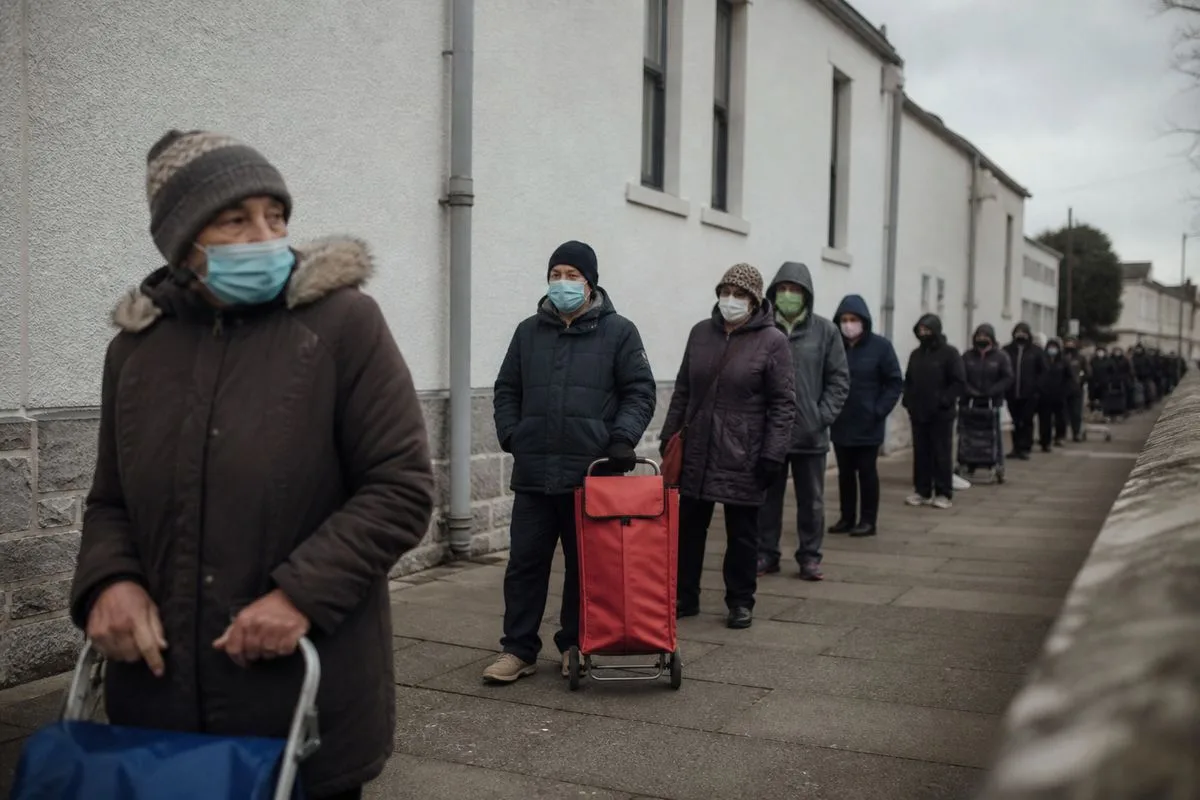
The roundtable takes place ahead of the panel’s final report on Ireland’s pandemic response, due before the end of 2026. The panel has been gathering evidence for 18 months and has received submissions from thousands of members of the public. That volume alone signals something important: for many people, the pandemic is not “over” in any meaningful psychological sense. The grief and trauma, as the panel chair puts it, is still being lived.

What happened this week: the COVID-19 Evaluation Panel’s roundtable and the report to come
The immediate news event is a COVID-19 Evaluation roundtable discussion hosted by the evaluation panel as it finalises its report into Ireland’s response to the pandemic. The panel’s chair, Prof Anne Scott, says the evaluation is collecting evidence across the past 18 months, including public submissions in the thousands, and that many people continue to carry “significant grief and trauma”. The report is expected to assess both positive and negative impacts of Ireland’s response and to offer recommendations for future public health emergencies.
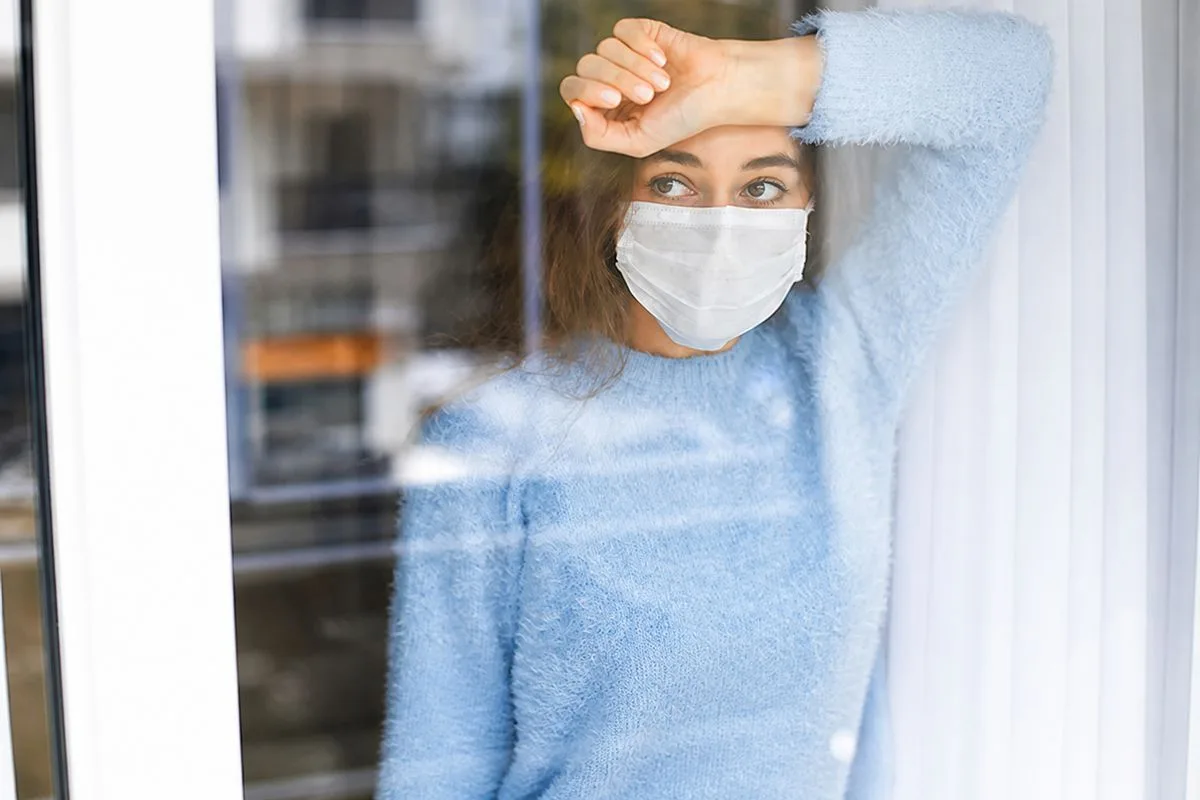
At the roundtable, Prof Brendan Kelly, visiting full clinical professor at UCD School of Medicine and professor of psychiatry at Trinity College Dublin, frames the mental health story in a way that cuts through the noise. He argues that pre-existing loneliness and lower psychological resilience predict depression during the pandemic, and that the psychological experience of restrictions differs radically depending on a person’s circumstances. Someone with secure employment and adequate housing experiences “restrictions” as inconvenience. Someone facing poverty, overcrowding, social isolation, or discrimination experiences them as confinement.
Alongside the mental health lens, the roundtable also surfaces a systems argument. Prof Steve Thomas, Professor of Health Policy and Management at Trinity College Dublin, points to international evidence that well-functioning systems, especially those with strong primary healthcare, perform better during shocks. He contrasts that with Ireland’s hospital-centred model, which he says does not help preparedness. And then he lands a line that is likely to echo in the panel’s conclusions: “bad governance eats preparedness for breakfast”. In other words, plans and stockpiles mean little if decision-making collapses under pressure.
Why inequality is “decisive” during a covid lockdown, and what that really means
Prof Kelly’s core point is deceptively simple. The most effective mental health interventions in emergencies are often not clinical interventions. They are social protections: income protection, secure housing, continued education, accessible healthcare, and social connection. That is a challenge to how governments typically talk about mental health, which tends to focus on counselling capacity, helplines, and awareness campaigns. Those things matter, fair enough. But they do not replace the basics of stability.
It also reframes what “lockdown harm” looks like. The harm is not only the restriction itself. It is the way restrictions interact with existing disadvantage. Overcrowding turns “stay at home” into a stress test. Precarious work turns “reduce contacts” into a financial cliff edge. Loneliness turns “limit socialising” into an amplifier for depression. And discrimination can make enforcement feel less like public health and more like surveillance, which has its own psychological toll.
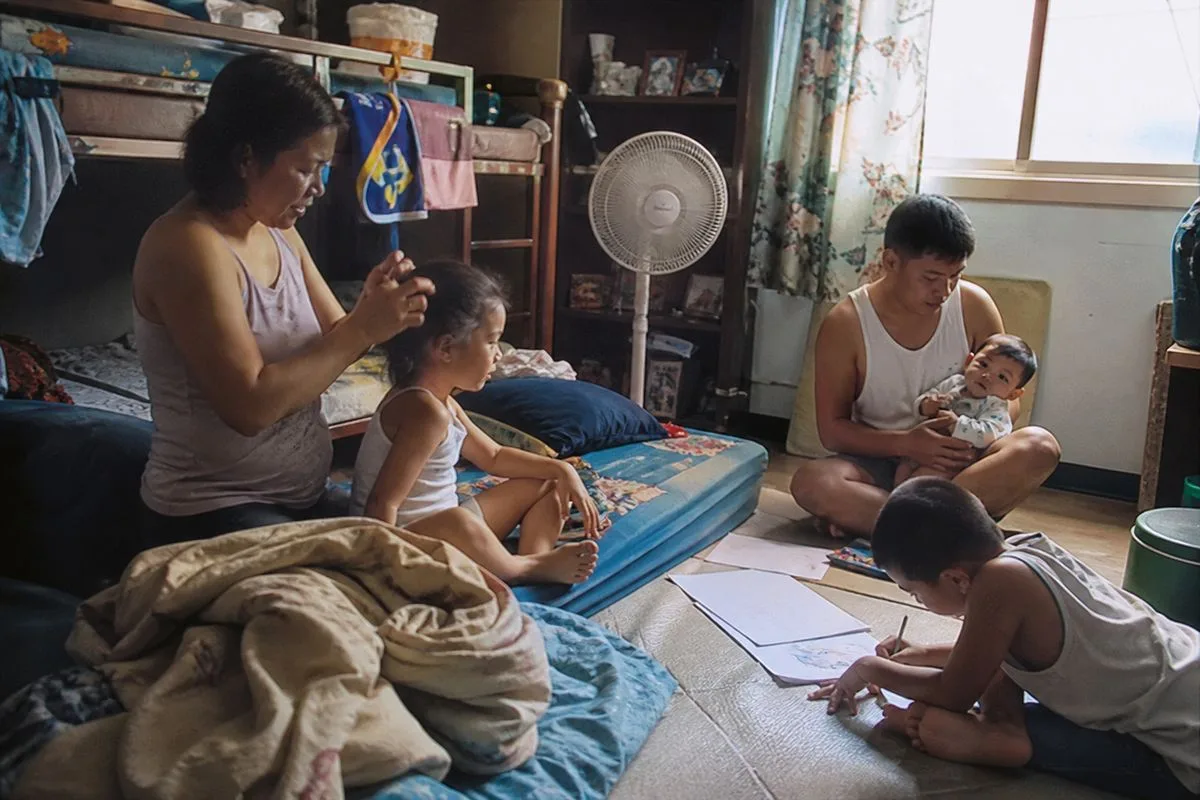
There is another subtlety in Kelly’s remarks that is easy to miss. He says humans are more resilient than they are given credit for, wiser, kinder, better at responding. But resilience is “not unlimited, or distributed equally”. That is a polite way of saying that resilience is partly a luxury good. People can draw on it when they have resources, relationships, and a society that does not leave them to fend for themselves. When those supports are missing, “personal resilience” becomes a slogan rather than a strategy.
And then there is the monitoring point. Kelly calls for governments to track psychological wellbeing alongside epidemiological outcomes in future emergencies. This is not about replacing infection metrics. It is about avoiding a narrow dashboard that treats mental health as an afterthought. If the only numbers that matter are case counts and hospital capacity, then the policy machine will optimise for those, even when the social costs are quietly accumulating in the background.
The people and institutions shaping Ireland’s covid lockdown reckoning
The roundtable brings together contributors including members of the COVID-19 Evaluation Panel, which is now in the final stages of drafting its report. While the source material does not list the full membership, it does identify key voices and, more importantly, the panel’s approach. It is collecting evidence over a sustained period, 18 months, and it is actively incorporating public testimony at scale. That is significant because pandemic policy is often judged through political speeches and headline outcomes, not through lived experience.
Prof Anne Scott, as chair, signals that the panel is not treating the pandemic as a closed chapter. Her comment about grief and trauma still being lived suggests the report will likely address long-tail impacts, not just immediate crisis management. That could include how decisions were communicated, how restrictions were enforced, and how support systems did or did not reach people who needed them most. The panel’s remit, as described, is to weigh both positives and negatives, which hints at a balanced assessment rather than a simple prosecution brief.
Prof Brendan Kelly brings clinical credibility and a public health sensibility to the discussion. His emphasis on social determinants is not a new idea in psychiatry, but it is still not consistently reflected in emergency planning. By explicitly saying that the best mental health interventions are often income protection and housing, he is effectively arguing for a whole-of-government response, not a “Department of Health only” response. That is a big deal because it changes who is accountable.
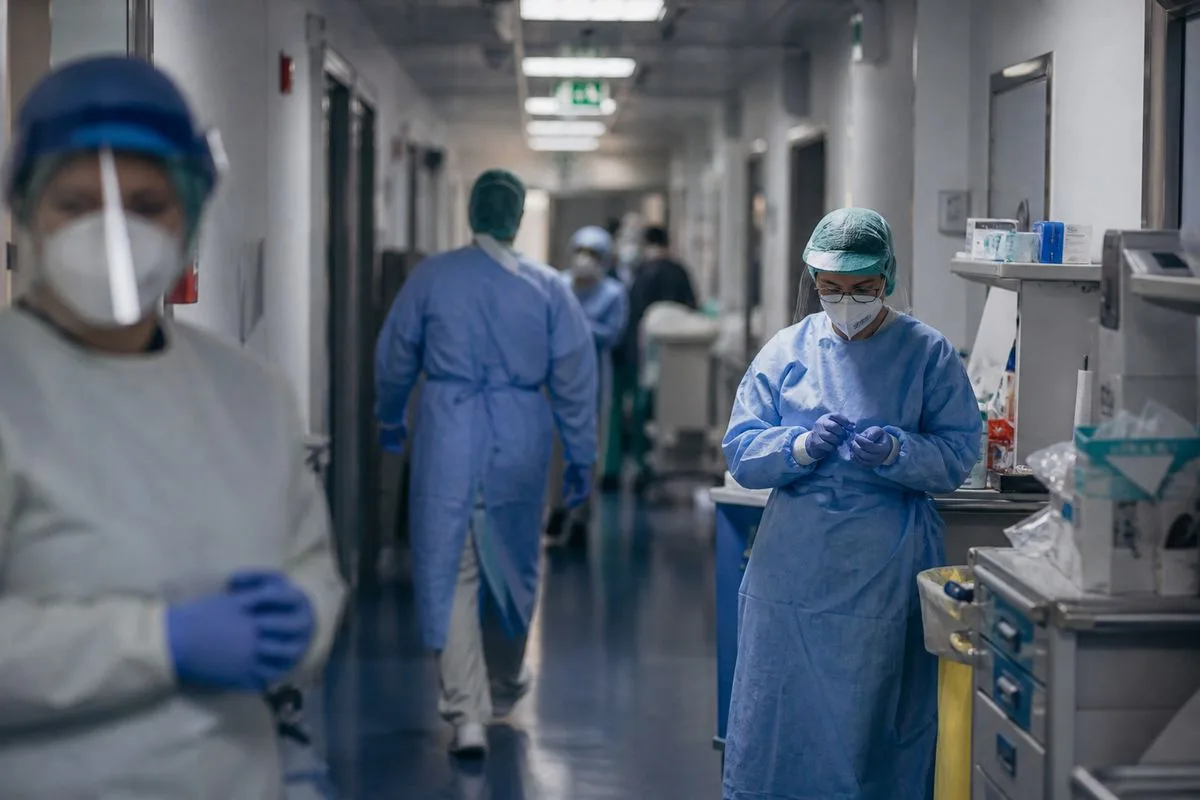
Prof Steve Thomas adds the health system architecture angle. His critique of a hospital-centred model points towards a familiar tension in Irish health policy: hospitals dominate budgets, politics, and public attention, while primary care and community services struggle for sustained investment. In a pandemic, that imbalance can become a bottleneck. Strong primary care can triage, monitor, and support people earlier, potentially reducing pressure on hospitals. The roundtable’s message is that preparedness is not just about emergency plans, it is about the everyday shape of the health system.
What this development signals for public health policy, mental health services, and governance
The most immediate implication is that Ireland’s forthcoming evaluation report is likely to treat inequality as a core variable, not a footnote. That matters because evaluations can either become technical documents that sit on shelves, or they can reset the terms of debate. If the panel concludes that social inequalities were decisive in mental health outcomes, it becomes harder for future governments to justify a one-size-fits-all restriction model without equally robust, targeted social supports.
There is also a practical policy shift embedded in Kelly’s argument. If psychological wellbeing is monitored alongside epidemiological outcomes, then future emergency response teams will need new indicators, new data collection methods, and new decision rules. The source material does not specify which measures would be used, and it would be wrong to invent them. But the direction is clear: mental health becomes part of the core crisis dashboard, not something addressed months later with a funding announcement and a press conference.
Thomas’s governance warning points to another likely theme: decision-making discipline. “Bad governance eats preparedness for breakfast” is not just a catchy line. It implies that even well-designed systems can fail if leaders bypass structures, ignore advice, or pursue personal agendas. In the context of a covid lockdown, governance shows up in how restrictions are justified, how exemptions are handled, how enforcement is overseen, and how quickly policies adapt when evidence changes. The public’s willingness to comply is not infinite, and it is closely tied to trust.
Finally, the roundtable hints at a reframing of mental health service planning. Kelly calls for better mental health services now, during the pandemic, and in future emergencies. But he also implies that services alone cannot carry the load. That pushes policymakers towards integrated planning across housing, social protection, education, and healthcare access. It is not exactly groundbreaking as a concept, but it is still rare to hear it stated so plainly in the context of lockdown policy.
Covid lockdown lessons in historical context, what Ireland’s debate shares with other countries
Lockdowns, stay-at-home orders, and restrictions are not unique to Ireland, and the roundtable explicitly references “international evidence” on what helps systems perform in shocks. The source material does not provide country-by-country comparisons or specific study results, so any detailed ranking would be speculation. But the broad lesson Thomas points to is widely understood in health policy circles: systems with strong primary care and coherent governance tend to absorb shocks better than those that rely heavily on hospitals as the default entry point.
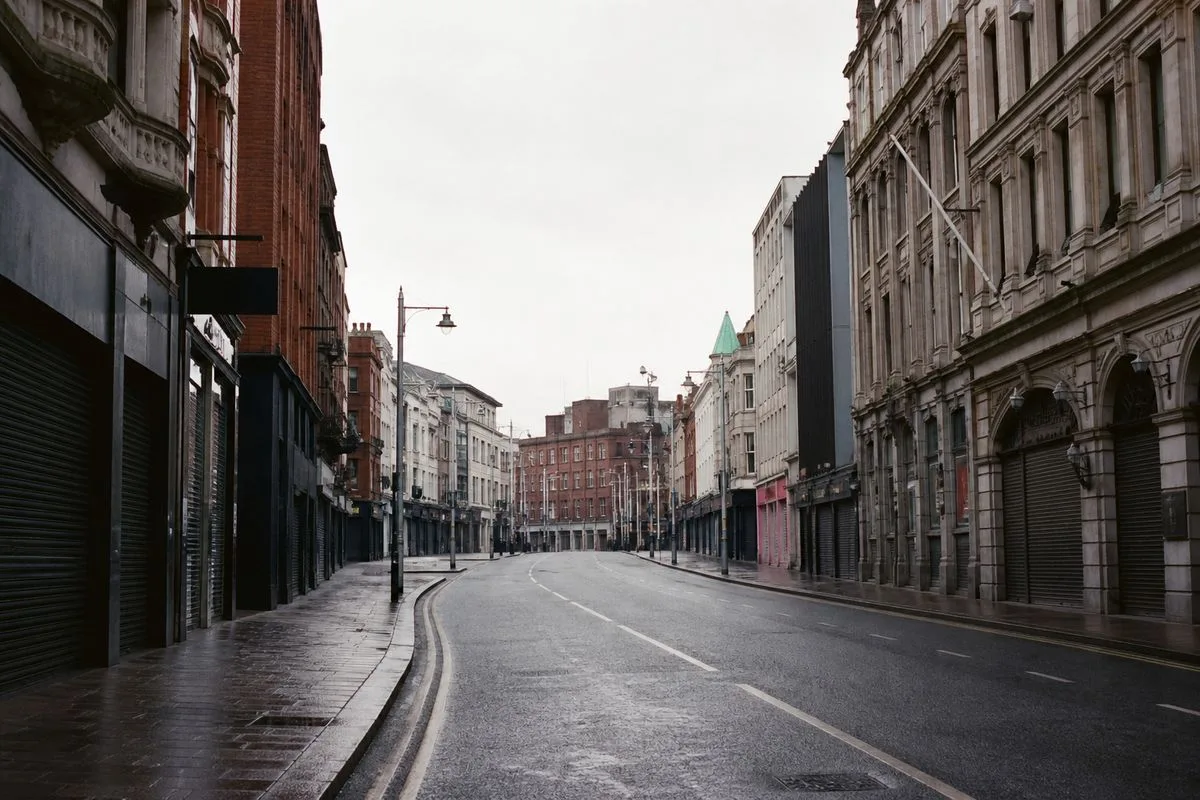
What feels particularly contemporary in 2026 is the shift from arguing about the existence of lockdowns to arguing about their distributional effects. Early pandemic debates often framed restrictions as a collective sacrifice. Over time, many societies have become more honest about the fact that the sacrifice was not evenly shared. People in secure jobs worked from home. Others kept public life running, often with higher exposure and less control. Some households had space, gardens, and broadband. Others had overcrowding, poor connectivity, and limited privacy. The same rule can be tolerable in one context and punishing in another.
Ireland’s evaluation process also reflects a broader trend: formal reckoning. Several countries have moved towards inquiries, panels, and reviews, partly because the pandemic touched everything, health, education, work, policing, and family life. A review that takes thousands of public submissions is, in effect, a national memory project. It captures not just what policymakers intended, but what people experienced. And that gap between intention and experience is where trust is either rebuilt or further eroded.
One more historical parallel is worth noting. Public health emergencies repeatedly expose pre-existing fault lines. That is not unique to COVID-19. But COVID-19 is unusual in duration and breadth, which means the exposure lasted long enough to reshape politics and social attitudes. Kelly’s point about resilience being unevenly distributed fits this pattern. Emergencies do not create inequality from scratch, they magnify it, then leave governments to deal with the consequences.
What’s Next
The next concrete milestone is the COVID-19 Evaluation Panel’s final report, due before the end of 2026. Expect it to become a reference point for future emergency planning, not just in health departments but across government. If the report foregrounds inequality and psychological wellbeing, it could force a change in how restrictions are designed. Not necessarily fewer restrictions, but smarter ones, paired with automatic stabilisers such as income protection triggers, housing protections, and education continuity plans that are ready to deploy rather than improvised mid-crisis.
There is also likely to be pressure for structural health reform, especially around primary care capacity. Thomas’s critique of a hospital-centred model suggests the panel may recommend stronger community-based pathways for assessment, monitoring, and support during crises. That could mean clearer roles for GPs and community services, better integration with mental health supports, and governance arrangements that prevent ad hoc decision-making. The hard part, as always, is funding and follow-through. Reports can be excellent and still be ignored when budgets tighten.
And then there is the public mood. Scott’s acknowledgement of ongoing trauma suggests the report will land in a society that is still processing what happened. That creates a tricky communications environment. If the report is too defensive, people will dismiss it. If it is too accusatory, it risks becoming another political football. The best-case scenario is a report that is candid about trade-offs, clear about what worked, honest about what failed, and specific about how to protect the most vulnerable next time. Because there will be a next time, and pretending otherwise is just wishful thinking.
Closing thoughts: the real test is whether lessons become policy, not headlines
The roundtable’s most important contribution is that it refuses to treat covid lockdown as a purely medical intervention. It is a social intervention, with psychological consequences that depend heavily on inequality. Kelly’s argument that the best mental health interventions may be income protection and secure housing is a reminder that mental health is not only a clinical issue, it is a policy outcome.
At the same time, Thomas’s governance warning underlines a less comfortable truth. Preparedness is not only about plans, it is about how power is exercised under pressure. If decision-making becomes chaotic or personalised, even a well-resourced system can stumble. Ireland’s evaluation report, due before the end of 2026, has a chance to set a higher bar for both fairness and competence.
And that is the point. The pandemic era produced endless arguments about rules. The next phase should be about capacity, trust, and protection for those who are hit hardest. If the evaluation process leads to that kind of change, then it will be more than a retrospective. It will be a blueprint.