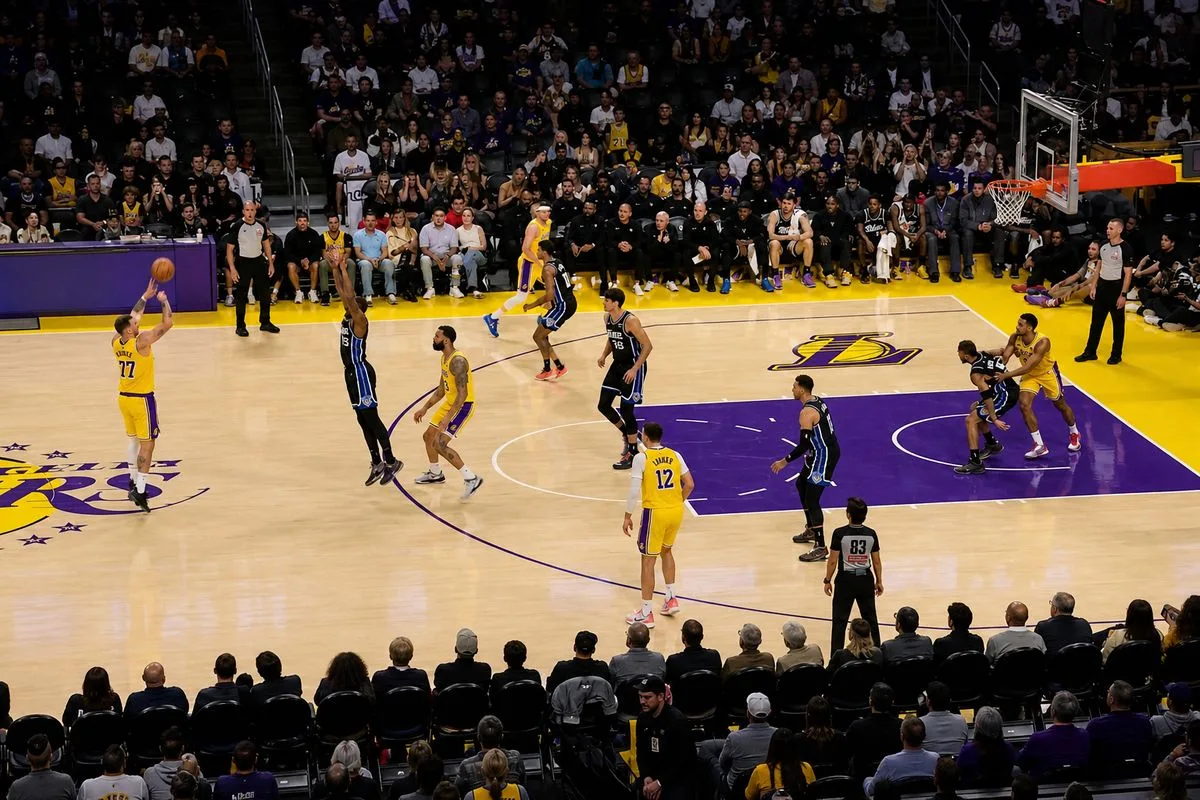
Luka Dončić does it again, the deep three that sums up his 2026 season
Luka Dončić keeps producing the kind of shots that make arenas go quiet for half a second, then explode. The latest highlight doing the rounds in early November 2026 is simple on paper and ridiculous in practice, a “way downtown” three that looks more like a heat check than a sensible possession. It is the sort of clip that travels faster than any box score, because it tells you something instantly about confidence, range, and the way modern NBA offence is bending around star creators.
Two separate pieces of coverage point to the same theme. One is a short highlight labelled “Luka Dončić hits from way downtown”, timestamped to 8 October 2026. The other, from NBA.com, frames a different moment, Dončić “conjures up a pair of clutch triples”. Different games, same message. When the possession matters, and when the defence thinks it has done enough to force a tough shot, Dončić is increasingly comfortable taking, and making, the kind of three that used to be reserved for desperation heaves.
It is tempting to treat these as isolated highlights, a bit of social media sugar. But that misses the point. The league is now built around spacing, pull up threes, and decision making at speed. And Dončić sits right at the centre of that shift, not because he is the first to shoot from deep, but because he marries deep range with late game control. He does not just hit hard shots, he chooses them, and he chooses them at the moments that swing outcomes.

What happened in the latest highlights, deep range and two late daggers
The “way downtown” clip is exactly what it sounds like, Dončić rises from well beyond the arc and buries a three. The source material does not provide the opponent, the score, or the game context for that specific shot. What it does provide is the date attached to the highlight, 8 October 2026, and the framing, this is not a normal above the break three, it is a statement attempt from deep.
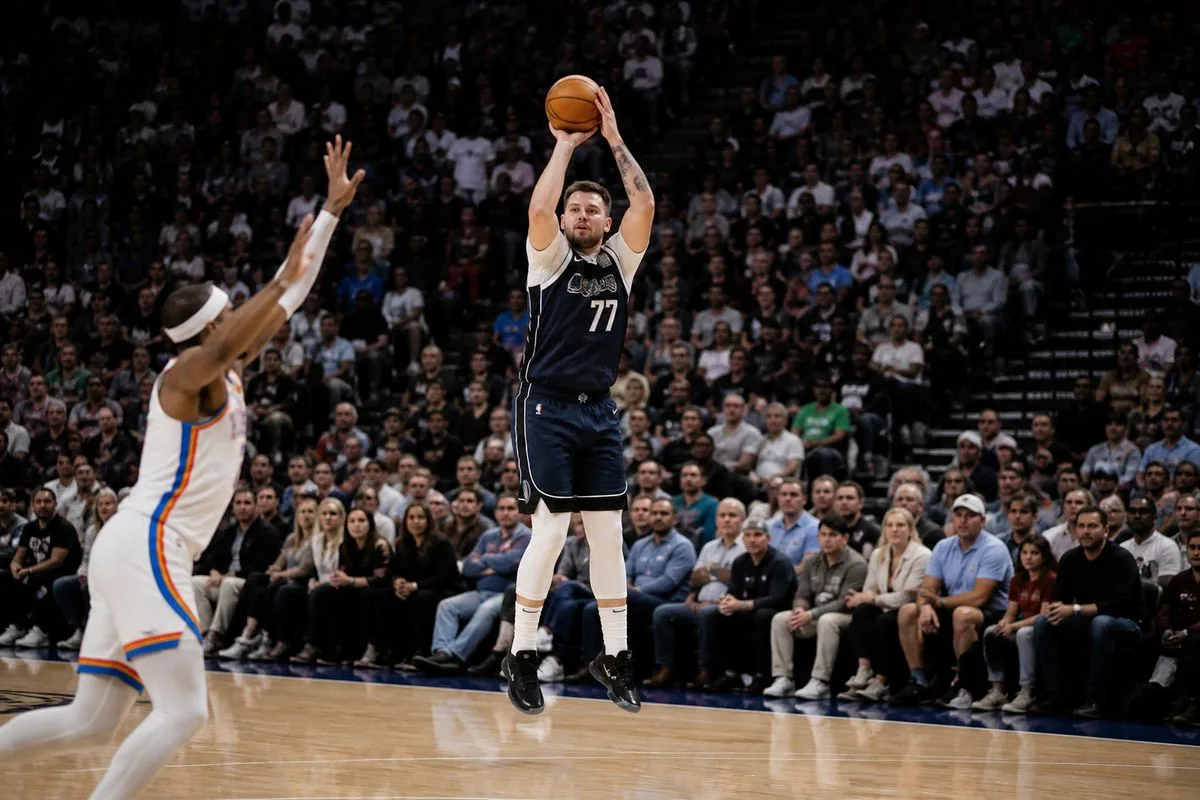
Then there is the NBA.com framing, “a pair of clutch triples”. Again, the scraped source material available here does not include the full game story, the opponent, or the minute by minute sequence. But the wording matters. “Clutch” is not just a synonym for “nice shot”. It implies timing, pressure, and the kind of possession where the defence knows what is coming and still cannot stop it. Two clutch threes in one stretch usually means a late run, a momentum flip, or a closing sequence where a team goes from hanging on to taking control.
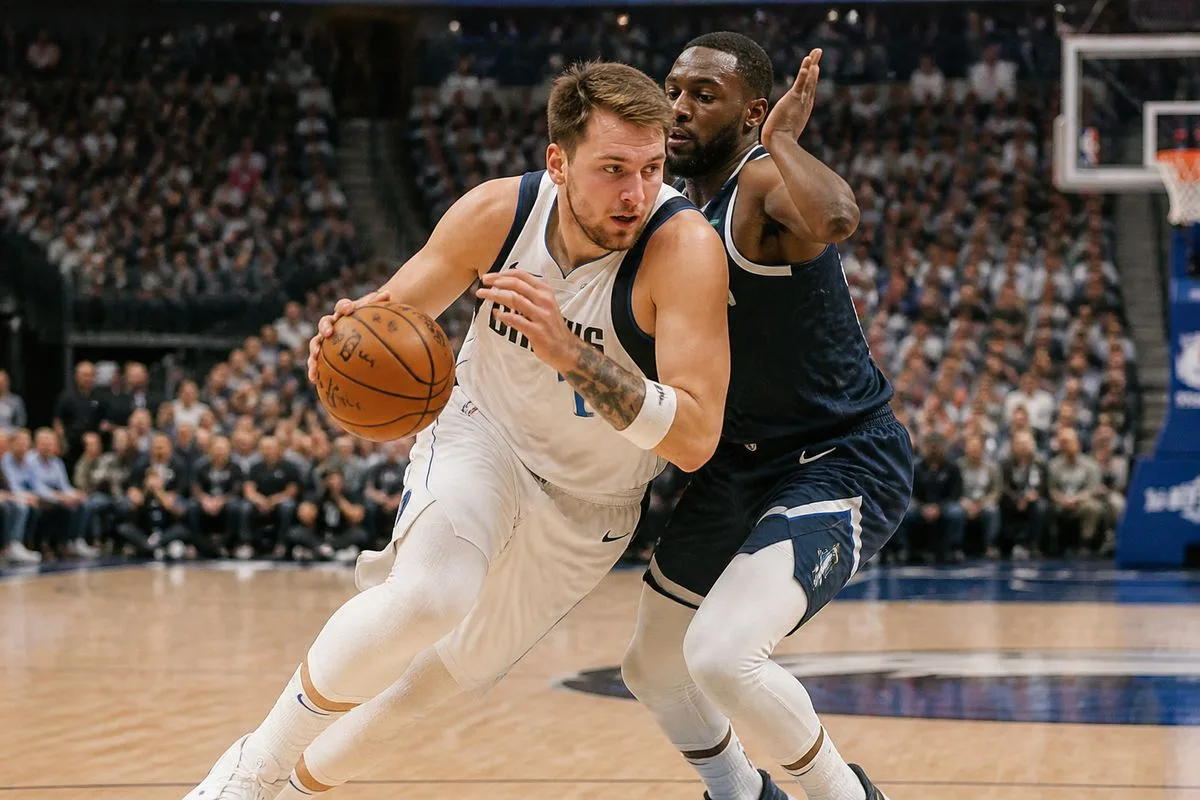
Put the two together and a pattern emerges. Dončić is not merely taking more threes, he is expanding the map of where a “good” three can come from, especially late. That changes how opponents guard him. Pick him up at the logo, and he can get downhill or find a pass. Sit back, and he can walk into a pull up. Blitz him, and he can manipulate the rotation. The highlight is the finish, but the real story is the geometry that comes before it.
There is also a subtle point about shot selection that gets lost when people only watch makes. Deep threes are volatile, they can swing a game both ways. The best creators take them when the defence is already compromised, when the clock and spacing favour the shooter, or when the psychological impact is worth the risk. “Way downtown” is not automatically a good shot. Dončić’s gift is that he often turns it into the right shot, because he has already forced the defence into a lose lose decision.
Luka Dončić’s skill set, why his shot profile keeps stretching defences
Dončić’s calling card has always been control. He plays at his own pace, changes speeds, and uses strength and footwork to get to spots that look crowded until they suddenly are not. That matters when talking about deep threes, because range is not just about arm strength. It is about balance, repeatable mechanics, and the ability to rise cleanly even when the defender is close enough to bother the release.
What makes Dončić different from a pure movement shooter is that his threes are often self generated. He does not need a maze of screens to get daylight. He can create separation with a step back, a hesitation, or a subtle shoulder fake, then launch. And because he is a credible passer, defenders cannot sell out fully. They have to keep one eye on the ball and one eye on the corners. That slight hesitation is all a star needs.
The supplementary material available here also reflects how his nights can look statistically when everything is humming. One NBA.com player news snippet describes a line of 37 points on 12 of 27 shooting, including 6 of 16 from three, plus seven rebounds, five assists, two blocks and one steal in 37 minutes. That is not a perfect shooting night, but it is a very modern superstar line, high volume threes, high usage, and contributions across the box score. It also shows the trade off, the three point volume comes with misses, but the overall impact can still be overwhelming.
And then there is the cultural piece. Dončić is not just a scorer, he is a gravitational force. When a player can credibly pull up from deep, the defence has to extend. When the defence extends, driving lanes open. When driving lanes open, help defenders rotate. And when help rotates, the corners become available. It is a chain reaction. The deep three is the headline, but the real value is how it forces everyone else to move.
The bigger picture in 2026, clutch threes are the new battleground
The NBA has been trending this way for years, more threes, more pull ups, more spacing. But 2026 feels like the point where the late game has fully caught up. Teams used to slow down, dump the ball into a mid range specialist, and live with a contested two. Now, many of the best closers are comfortable taking threes in the final minutes, not just catch and shoot looks, but off the dribble attempts that would have been labelled reckless a decade ago.
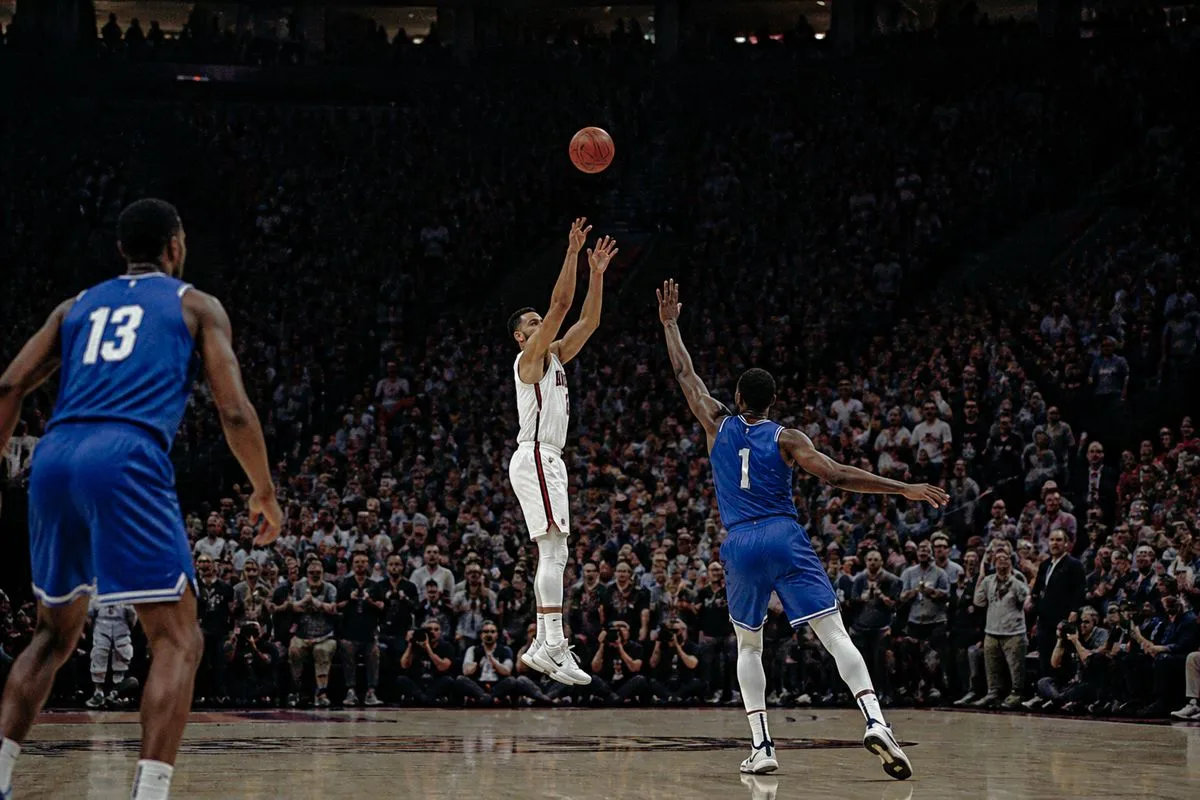
Dončić fits that era perfectly, because he combines three things that matter most late, shot creation, decision making, and the ability to live with the variance. That last part is underrated. A deep three can miss and look awful. The crowd groans, the bench slumps, the coach gets asked about it afterwards. The best closers do not flinch. They take the shot again if the defence gives them the same look. “Pair of clutch triples” is basically a shorthand for that mentality, the first one goes in, the second one is taken with even more belief.
There is also a tactical reason the clutch three is rising. Defences are better than ever at taking away the rim late. They load up, they switch, they pre rotate. Getting a clean lay up in the final two minutes is hard. A pull up three, especially one created by a step back, can be cleaner than a drive into traffic. It sounds backwards, but it is often true. If the defence is set and waiting, the jumper can be the path of least resistance.
And this is where Dončić’s deep range becomes more than a party trick. If a defender has to pick him up several feet beyond the arc, the defender is now guarding more space. That increases the chance of a foul, a blow by, or a late help rotation. Even when Dončić does not shoot, the threat of the “way downtown” pull up changes the possession. It is leverage. It is pressure. It is, frankly, exhausting for opponents over 48 minutes.
Historical context, from “bad shot” to signature weapon
Not long ago, a three from well beyond the line was treated as a mistake unless the clock demanded it. Coaches talked about “good shots” and “bad shots” in a way that was basically a map of the court. Corner threes, good. Above the break threes, fine. Long twos, bad. Logo threes, absolutely not, unless you are bailing out a broken possession.
That map has been redrawn in real time. The league’s spacing revolution made threes more valuable, but the next step was stars proving they could hit them off the dribble at volume. Once that happens, the defence has to adjust, and once the defence adjusts, the offence gains new options. Dončić’s “way downtown” highlight sits in that lineage. It is not just a shot, it is a signal that the boundary of comfortable range keeps moving.
What is interesting about Dončić in this context is that his game is not built on speed. He is not the quickest guard in a straight line. He wins with angles, strength, and timing. Historically, that profile often led to a diet of post ups, mid range fades, and bully ball. Dončić can do some of that, but his deep three adds a modern layer. It means he can play slow and still generate high value shots, because the three is worth more and because he can create it without needing a sprint.
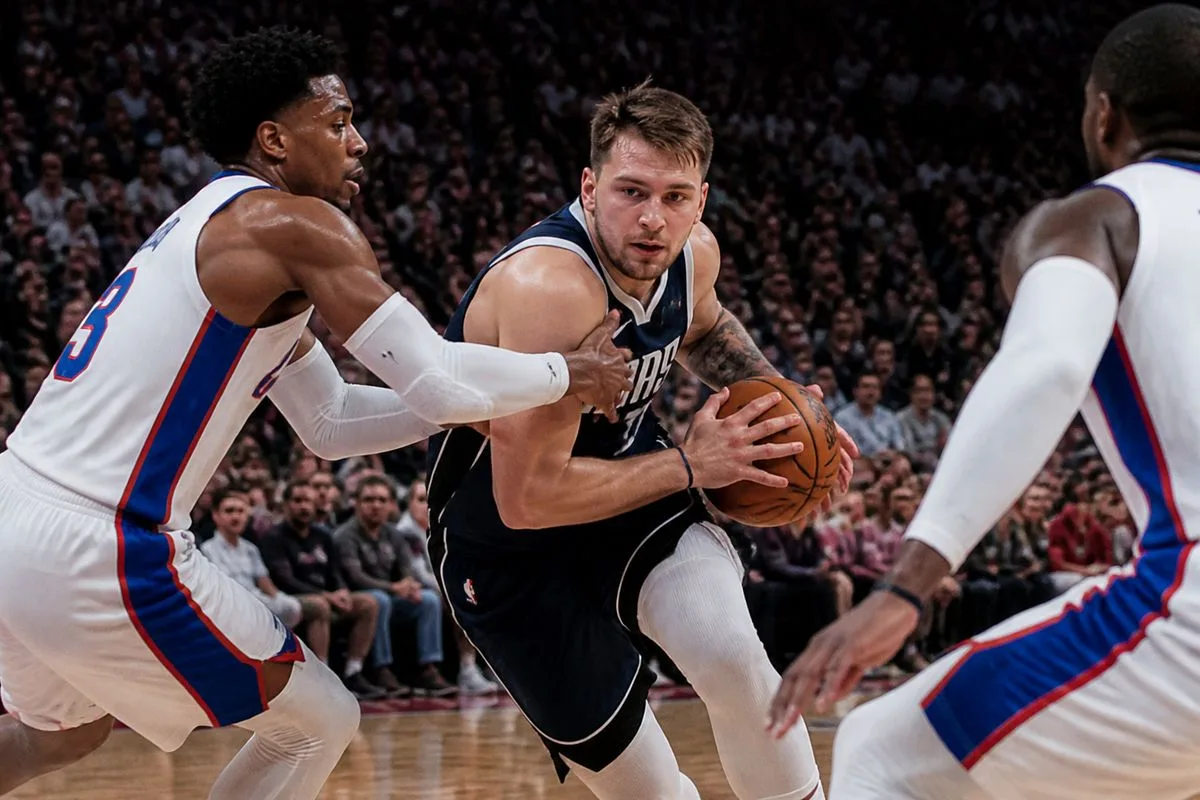
There is also a psychological edge to the deep make. When a defender plays good position, forces a tough step back, and the shot still drops, it can feel unfair. That matters late. It can make teams second guess their coverage, send extra help, or switch prematurely. In other words, one “clutch triple” can create the conditions for the next one. Basketball is physical, yes, but it is also a confidence sport. Dončić understands that, and he uses it.
Luka Dončić in the spotlight, what these moments say about his role and expectations
Highlights like these do not exist in a vacuum. They shape perception, and perception shapes pressure. When a player is repeatedly shown hitting deep threes and late daggers, the expectation becomes that he will do it every night. That is a heavy load. It also changes how teams game plan. Coaches do not just prepare for Dončić’s average outcome, they prepare for his ceiling, because the ceiling is what breaks you in a playoff series.
The supplementary material in circulation around Dončić also hints at the scale of his profile in 2026. There is constant chatter, constant analysis, and constant debate about what his presence means for a team’s identity. The key point for readers is this, the league’s biggest stars are no longer judged only on points per game or efficiency. They are judged on moments. Can they create a good shot when everyone knows what is coming. Can they hit it. Can they do it twice in the same closing stretch. “Pair of clutch triples” is basically a résumé line now.
It is also worth noting what the available source material does not say. It does not provide direct quotes from Dončić, coaches, or team mates about these specific shots. It does not provide detailed play by play. So any claim about exactly what was said in the huddle, or exactly what coverage the defence ran, would be guesswork. But the broader conclusion still holds, these clips are being packaged and promoted because they represent something real about how Dončić is viewed, as a late game problem with deep range.
And that is why these highlights matter beyond entertainment. They influence awards narratives, scouting reports, and even how role players behave around him. When a star is seen as inevitable late, team mates cut harder, space better, and stay ready for kick outs. They believe the ball will find them if they do their job. That is not fluff. That is how good offences become great ones.
What This Means For You
For fans trying to understand what they are watching, the practical takeaway is to stop judging deep threes purely by distance. Instead, watch the possession before the shot. Is the defence already tilted because of a drive threat. Is the big man in a drop that gives space. Is the defender worried about the step back. Dončić’s best “bad shots” are often the end of a sequence where he has already won two or three small battles. Seeing that makes the game more fun, and it makes the highlight make sense.
For coaches, players, and anyone involved in development (even at amateur level), Dončić’s clutch threes are a reminder that range is only one piece. The real skill is creating a repeatable shot under pressure. That means footwork, balance, and decision making. It also means understanding when to take the shot. A deep pull up early in the clock with no rebounders is one thing. A deep pull up when the defence is backpedalling, or when the opponent is scared of the drive, is another. The difference is not confidence, it is judgement.
And for bettors and fantasy players, there is a more cautious lesson. High volume three point shooting introduces volatility. Even when a player is elite, nights can swing based on a handful of makes or misses. The 37 point line mentioned in the supplementary snippet comes with 16 three point attempts, that is a lot of variance baked in. The smarter approach is to look at usage, minutes, and all around contributions, rebounds, assists, defensive stats, rather than assuming every “way downtown” highlight means a guaranteed hot streak next game.
Closing thoughts, the deep three is not a gimmick anymore
Luka Dončić’s latest highlight, and the separate account of him hitting two clutch threes, land at the same conclusion. The deep pull up is now a mainstream closing weapon, and Dončić is one of the players pushing it forward. It is not just that he can make the shot. It is that he can make it when the defence is set, when the moment is loud, and when everyone in the building knows the ball is staying with him.
There will be nights when the deep ones do not fall. That is the nature of the shot. But the strategic impact remains, because the threat changes everything around it. Defences stretch, rotations lengthen, and team mates get cleaner looks. In 2026, that is what superstar offence looks like. Not just scoring, but bending the court until it breaks.
And if the season’s early highlights are any indication, Dončić is not done expanding his range, or his reputation for late game nerve. Fair enough, the league has seen plenty of great scorers. But the combination of deep confidence and clutch timing is rarer. That is why these clips keep showing up, and why they keep mattering.