Prince Harry return to the UK triggers a new palace line, and a familiar argument
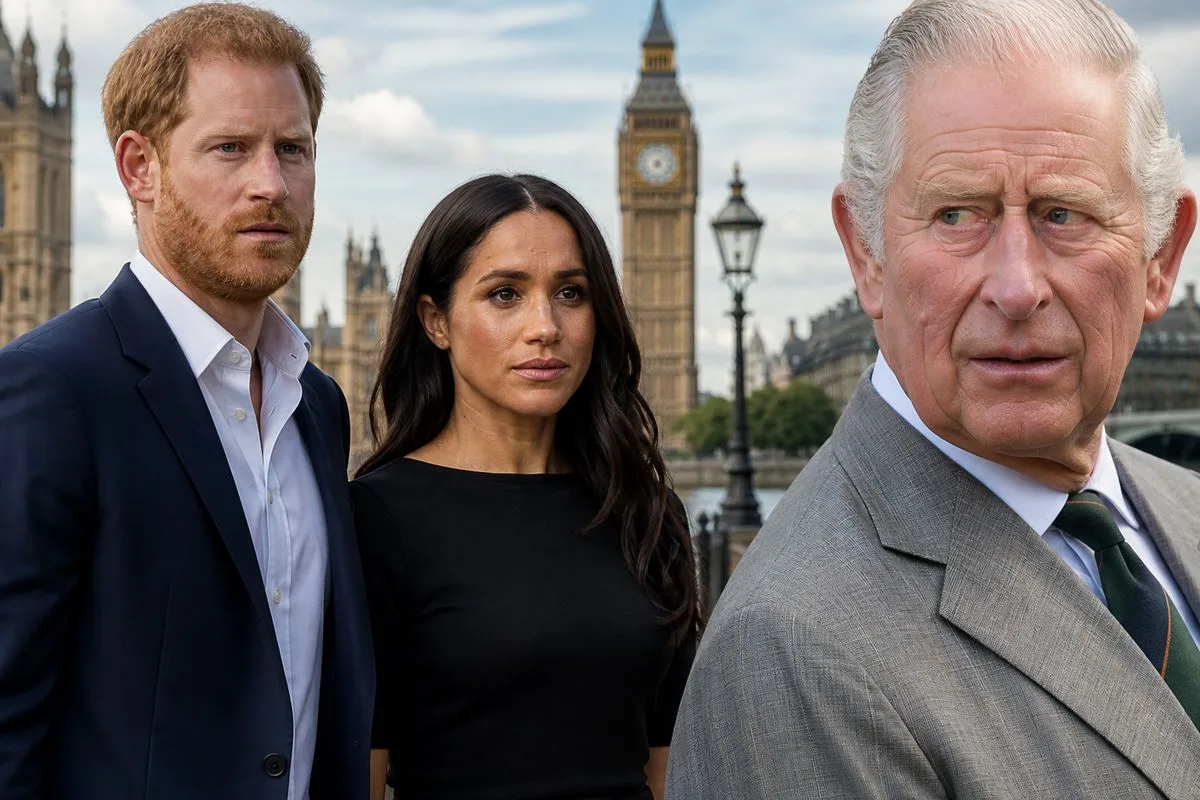
Prince Harry return to the UK is no longer just a family storyline, it is now an institutional one. After six years in California, the Duke and Duchess of Sussex are back in Britain, and King Charles III moves quickly to define what that does, and does not, mean. A letter issued by the Lord Chamberlain on 7 September 2026 sets out new guidance: Harry and Meghan are to be treated as non working royals, “akin to private citizens”.
That phrase lands with a thud because it tries to settle several arguments at once. It draws a line between celebrity and constitutional role. It also attempts to shut down the idea that a return to British soil equals a return to official duties, public funding, or palace managed status. And yet, within days, sources close to the Sussexes push back via briefings reported in People magazine, arguing they are “public figures” and that the very act of issuing formal guidance proves they cannot be treated like ordinary private individuals.
So the latest chapter begins in a very modern way: not with a balcony appearance or a formal statement read on the evening news, but with competing interpretations of what “private” means when the people involved are globally recognisable, commercially active, and still tied to the monarchy by blood.

What the 7 September 2026 letter actually changes for Prince Harry and Meghan
The Lord Chamberlain’s letter, sent on King Charles’s instruction to senior government officials, is designed to clarify status, not feelings. The key point is straightforward: Prince Harry and Meghan are not working royals, and their decision to step back as senior working members in January 2020 “will continue to be fully respected”, as CBS reporting summarises. In other words, the palace is treating the 2020 settlement as still in force, even though the couple’s address is now back in the UK.
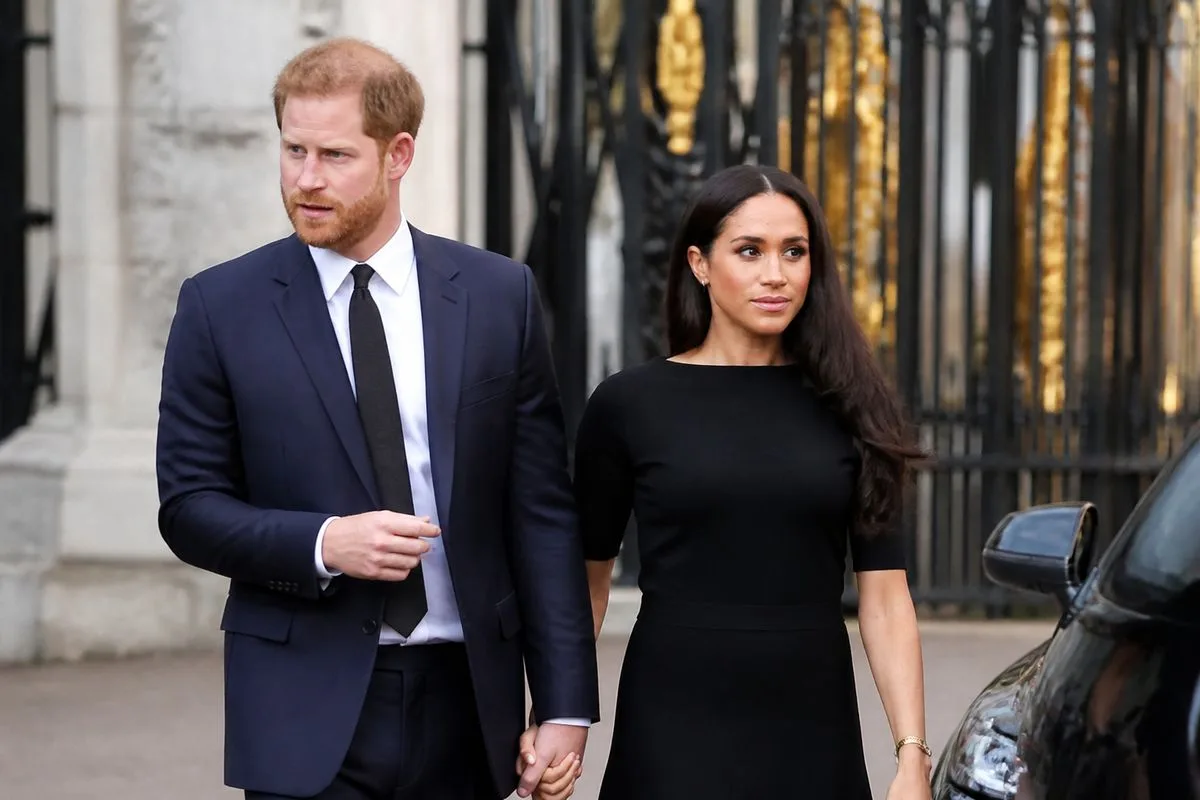
In practical terms, the guidance is about representation. Kinsey Schofield, who hosts a YouTube channel focused on royal commentary, argues the “private citizen” label does not mean anonymity, it means Harry and Meghan do not represent the King. That distinction matters because it governs everything from who can speak “for” the monarchy, to how official events are staffed, to whether government departments should treat the Sussexes as part of the working institution.
But the guidance also has a second, more combustible implication: security. The source material is explicit that private citizens are not granted security in the same way as working royals. That is where the argument becomes less semantic and more operational. If the state does not provide taxpayer funded police protection, then the couple’s movements, public engagements, and even the children’s routines become a logistical and financial question, not a ceremonial one.
And that is why the pushback arrives so quickly. Sources close to the Sussexes are described as raising security concerns, while also insisting that “members of the public know who they are” and that a “normal” private life is “not realistic”. The palace response, at least as framed by Schofield, is essentially: being famous is not the same as being official.
The move back from California, and why the timing matters now
The return itself is presented as a confirmed relocation, not a temporary visit. CBS reports the couple’s representatives confirm they are moving back to the UK, six years after settling in California. The BBC is cited as reporting they returned on a Wednesday, and the coverage quickly turns to the obvious next question: where do they live? Speculation in the reporting points to the Cotswolds as a possible base, a region that offers privacy, proximity to London, and a certain well heeled discretion (fair enough, it is a classic choice for people who want countryside calm without being cut off).
There is also a notable family milestone in the mix. CBS reporting says that for the first time in more than four years, Harry, Meghan, and their two children meet King Charles and Queen Camilla. The material does not provide a precise date for that meeting, nor details of what was discussed, so it would be wrong to dress it up as a reconciliation summit. But symbolically, it is significant. It signals that the family relationship is at least functional enough to allow contact, even as the institutional relationship is being tightened.
Timing matters because the monarchy is not operating in a vacuum. The King’s reign is still defined by a balancing act between modern public expectations and old constitutional boundaries. A high profile return by the King’s younger son, after years of public dispute, legal action, and media warfare, creates a risk the palace clearly wants to manage. The letter reads like a pre emptive move to avoid confusion inside government and, frankly, inside the royal household itself.
And there is another clock ticking: the Sussexes’ public profile is not dormant. Yahoo’s headline list references a People report that Prince Harry raises $2.2 million for the Invictus Games after attending his first public event since moving back to the UK. That single figure, while not contextualised with a full breakdown, underlines the point. Harry is not returning to a quiet life of gardening and school runs. He is stepping back into public facing work, just not under the Crown’s umbrella.
Security, lawsuits, and the price of being “non working”
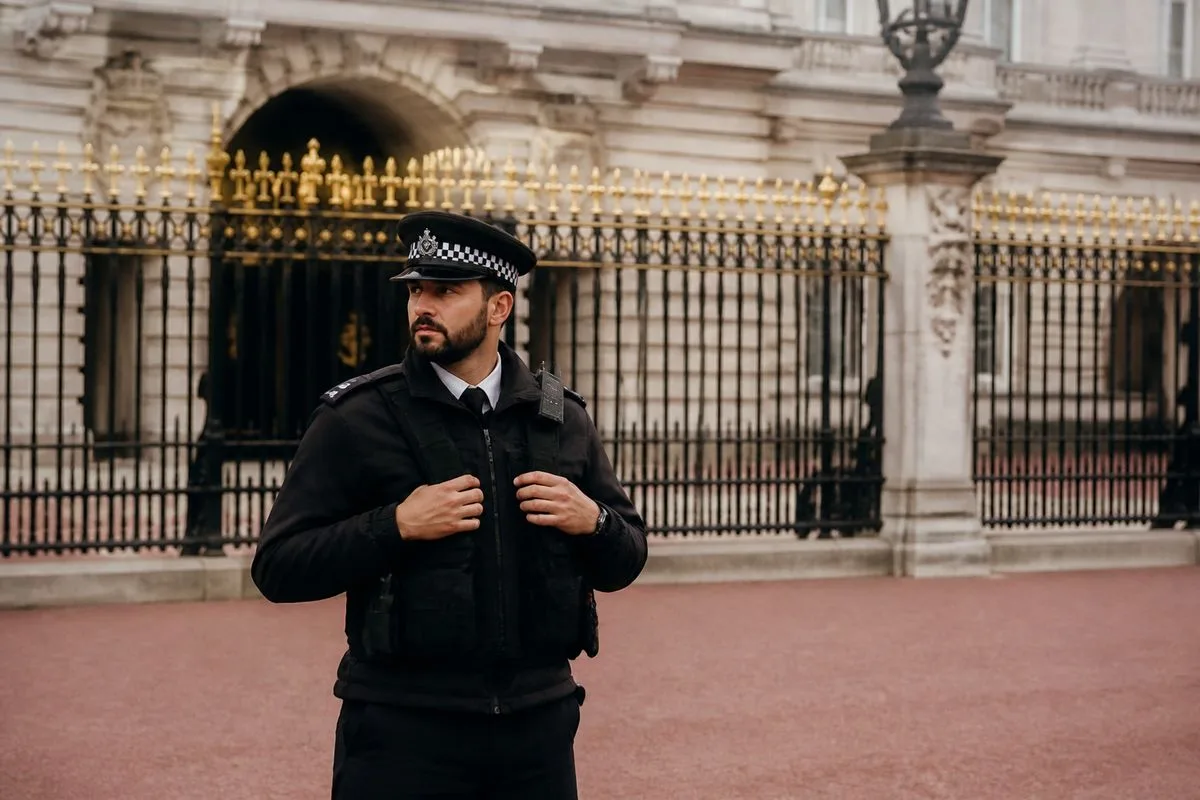
Security is the pressure point because it is where principle meets risk. The Yahoo compilation includes a headline citing an ex royal security guard saying Prince Harry faces “genuine security threats”. The source material does not provide the guard’s name or the underlying assessment, so it cannot be treated as an official threat evaluation. But it does reflect a persistent theme: Harry’s belief that his profile makes him a target, and that the state has a duty to protect him when he is in Britain.
CBS reporting adds a concrete legal and financial dimension. It states that Prince Harry and six others, including Elton John, must pay the publisher of the Daily Mail “millions of pounds” after their failed invasion of privacy suit. No exact sum is provided in the material, and “millions” can cover a wide range, but the key point is that litigation is not just a reputational battle, it is a costly one. And when the palace is simultaneously insisting the Sussexes operate as private citizens, the implication is that these costs, including private security, sit with them rather than the institution.
There is also mention that Harry’s request for taxpayer funded police protection during a visit home this summer is reportedly rejected by UK authorities. Again, the material does not specify which authority, the precise decision, or the legal reasoning. But it fits the pattern: Harry contests the security settlement, the state resists, and the dispute becomes part of the wider argument about status.
Ian Pelham Turner, described as a royal broadcaster, takes the opposite view in comments quoted in the Fox News material. He argues that Harry is “the son of a king” and suggests the King should pay for his son’s full security, warning of the risk of “a second tragedy” after Diana. Those remarks are emotive, and they are clearly opinion rather than policy. Still, they show why the palace wants clarity. Security debates quickly become moral debates, and moral debates quickly become political headaches.
Prince Harry return to the UK collides with the monarchy’s working model
The modern monarchy runs on a fairly strict division of labour. Working royals undertake engagements on behalf of the sovereign, supported by palace staff and, in many cases, publicly funded security arrangements. Non working royals can attend family occasions and may support charitable causes, but they do not represent the monarch in an official capacity. The King’s letter is essentially an attempt to keep that model intact even as the Sussexes’ physical location changes.
Kinsey Schofield’s comparison is telling because it points to an existing template inside the royal family. She cites Zara Tindall and Peter Phillips, the children of Princess Anne, as recognisable figures with commercial interests who attend major royal events but do not represent the monarch. The argument is that fame does not automatically confer official status. It is a neat comparison, although not a perfect one. Harry is the King’s son, a prince by birth, and a global media figure in a way Anne’s children have never been. But the palace logic is the same: visibility is not the same as constitutional function.
Schofield also makes a sharper point: “you can’t repeatedly feed the publicity machine and then complain about a lack of privacy.” That is not a legal argument, it is a reputational one. And reputational arguments matter here because the monarchy’s legitimacy is partly built on public consent. If the public perceives the Sussexes as wanting the perks of royalty without the constraints, the palace will feel pressure to demonstrate boundaries.
At the same time, sources close to the Sussexes insist the “private citizen” framing is unrealistic because the public knows who they are. That is true in the obvious sense. But it also reveals the central tension of the Sussex project since 2020: they want to control the terms of their public life. The palace, meanwhile, wants to control the terms of royal representation. Those goals overlap sometimes, and clash spectacularly at others.
And there is a quieter institutional concern too. If the Sussexes are seen to be half in and half out again, it risks reopening the very debate the late Queen tried to close in 2020. The letter is a bureaucratic tool, but it is also a signal to other royals, to government, and to the media: the settlement stands.
Invictus, Netflix, and the Sussexes’ post royal power base
It is easy to get lost in the palace drama and miss the more consequential story: Harry and Meghan have built an independent platform that does not require royal endorsement. The Yahoo list references a People report that Harry raises $2.2 million for the Invictus Games after attending his first public event since moving back to the UK. Invictus remains Harry’s most credible and durable public mission, rooted in his military service and focused on wounded, injured, and sick service personnel and veterans.
CBS also reports that the couple’s media company partnership with Netflix is extended with a multiyear, first look deal. The material does not provide financial terms, performance metrics, or production slates, so no one should pretend to know what the deal is worth. But strategically, it matters. A first look arrangement signals that the Sussexes are still positioned as premium content partners, even after years of polarising coverage.
Put those two strands together and a clearer picture emerges. The Sussexes’ influence is now less about royal patronages and more about fundraising, media reach, and issue based campaigning. CBS notes the couple say “enough is not being done” about the harm social media can do to children. That kind of advocacy sits comfortably in the world of foundations, documentaries, and public speaking. It sits less comfortably inside a monarchy that must remain politically neutral and tightly choreographed.
So when the palace insists they are private citizens, it is not trying to erase their public profile. It is trying to quarantine it. The monarchy can tolerate a famous prince. What it cannot easily tolerate is a famous prince whose projects, partnerships, and messaging are mistaken for royal policy.
A return that solves one problem and creates three more
In one sense, the Sussexes’ return to Britain simplifies things. It removes the transatlantic distance that has shaped the story since 2020, and it makes family contact more plausible. It may even reduce some of the performative drama that comes with flying in and out for set piece occasions. But it also creates new complications, because the UK is where the monarchy’s constitutional role is most immediate, and where questions of security, protocol, and public funding are hardest to dodge.
The King’s letter is a defensive measure, but it is also an admission: the palace expects confusion, and perhaps conflict, as this new arrangement beds in. If Harry and Meghan are undertaking public engagements, fundraising, and media work while living in Britain, the line between “private” and “public” will be tested constantly. Every appearance becomes a question: is this Sussex business, or royal business? And if it is Sussex business, who pays for the protection around it?
There is also a reputational risk for the Sussexes. The “publicity machine” critique resonates because it taps into fatigue. People can accept that famous individuals are followed. They are less patient when famous individuals appear to monetise attention while condemning attention. The Sussexes may believe they are simply living in a reality they did not choose. Critics will say they are choosing it every time they sign a deal, stage manage an appearance, or brief a friendly outlet. That argument is not exactly groundbreaking, but it is persistent, and it shapes how every new development is received.
For the monarchy, the risk is different. If the palace is seen as cold, punitive, or penny pinching on security, it invites uncomfortable comparisons with the past, particularly the enduring shadow of Diana. Commentators like Ian Pelham Turner explicitly invoke that history. The palace will want to avoid being dragged into emotional blackmail, but it also cannot ignore how quickly security debates become moral ones.
What comes next is likely to be less about grand gestures and more about process. Where the Sussexes live, how they move, what events they attend, and how those events are described will all matter. The King has drawn his line. The Sussexes are back on British ground. And the country is about to find out whether “private citizens” is a workable category for two of the most recognisable people in the world.