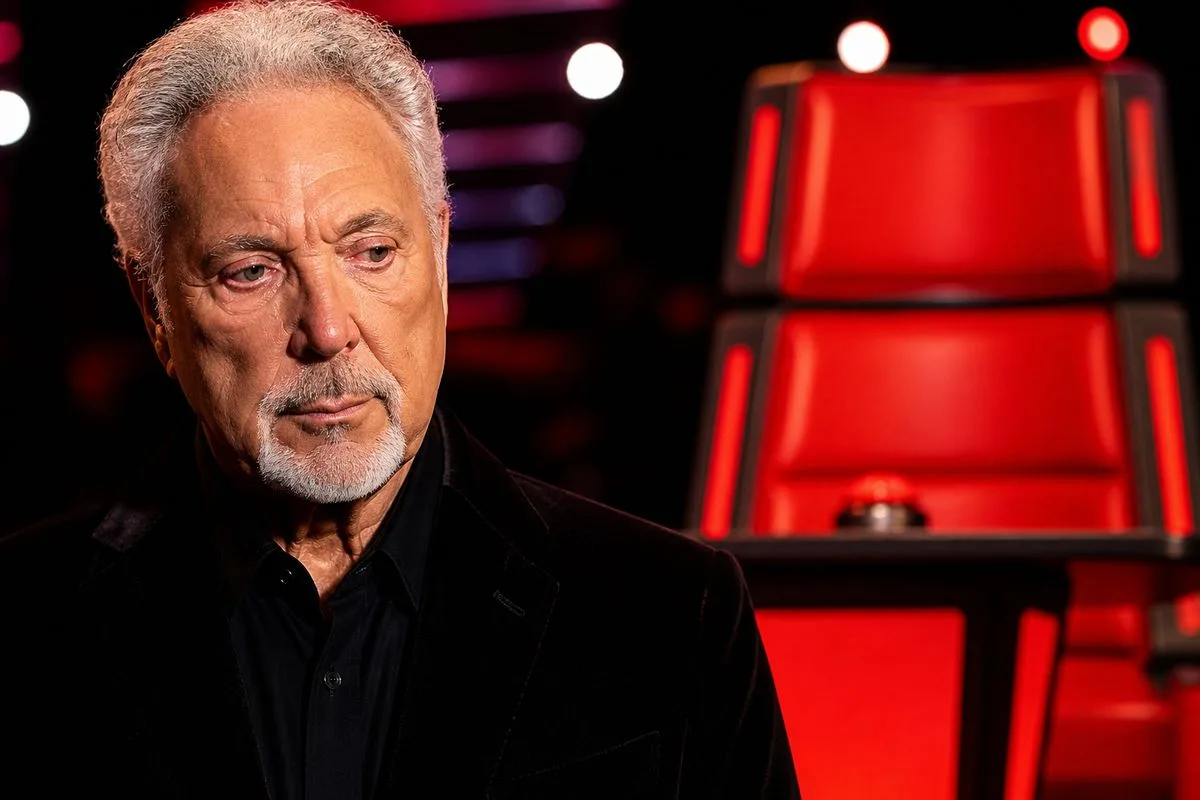
Tom Jones fired from The Voice UK, and he says he did not choose to go
Sir Tom Jones being fired from The Voice UK is not just another bit of celebrity churn. It is a rare moment when a long running prime time format publicly loses one of its defining faces, and the star at the centre of it says, plainly, that it was not his decision. In a BBC News report dated 8 September 2026, the Welsh singer says he was fired from the ITV competition and that he did not want to leave. After appearing as an on off coach since the show premiered in 2012, that is a big statement, and it lands with a thud.
And it lands at an awkward time for ITV. Talent shows live or die on familiarity. Viewers like the rituals, the catchphrases, the sense that the panel is a stable little universe even when the contestants change every week. Jones has been part of that universe for more than a decade, even if his role has been intermittent. When someone like that says they were pushed rather than choosing to step back, it turns a routine casting refresh into a story about respect, legacy, and how broadcasters treat their elder statespeople.
Other coverage around the same period, including entertainment reporting updated on 12 September 2026, frames this as a “dramatic axing” and suggests ITV has confirmed replacements as part of a wider shake up. The specifics of who replaces him are not set out in the supplied source material, so they cannot be named here. But the direction of travel is clear: the programme is moving on, and Jones is making it known he would have preferred to stay.

What happened, what Jones has said, and why the wording matters
The core development is simple: Sir Tom Jones says he has been fired from The Voice UK. The BBC report on 8 September 2026 captures the key point in the headline itself: “I was fired from The Voice, I did not want to leave.” That is unusually direct language in an industry that typically wraps departures in soft focus phrases about “new opportunities” and “mutual decisions”.
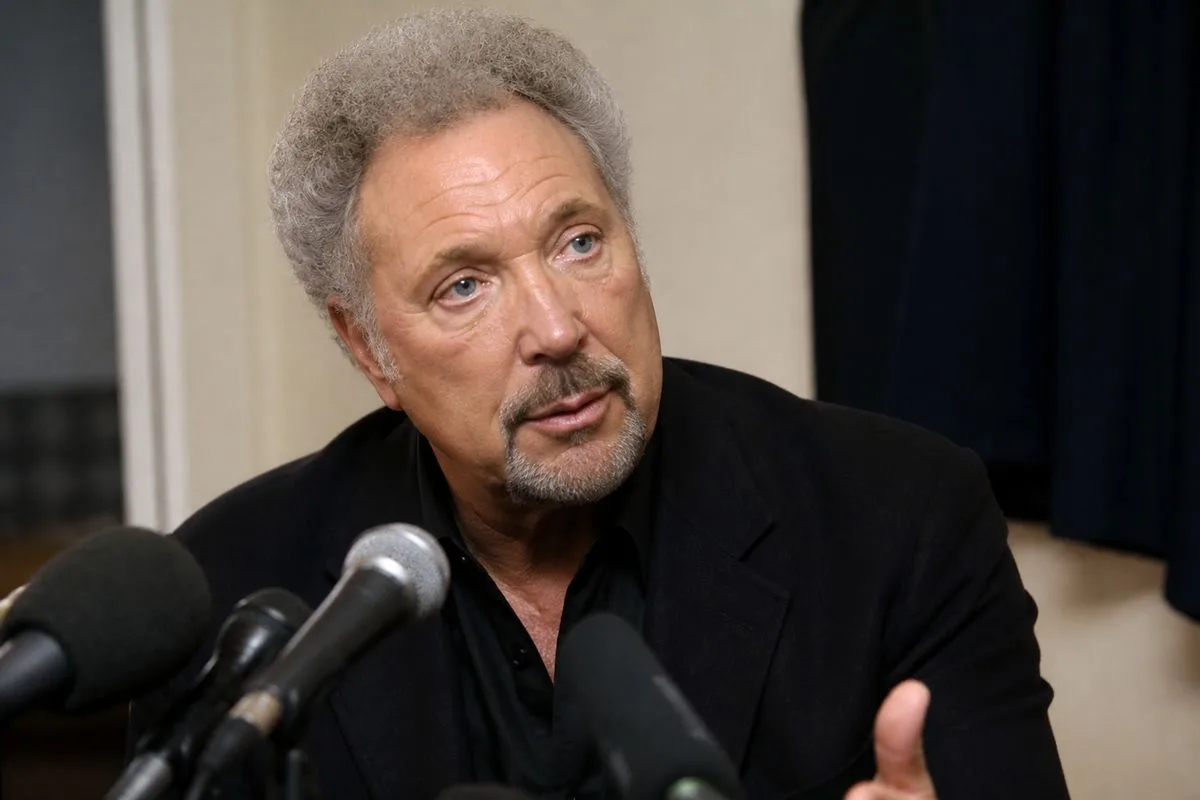
There is also a second layer to the story, which is how the departure is communicated. A separate piece of source material, drawn from a Yahoo generated summary of an article and flagged as potentially unreliable in its automated “key takeaways”, includes a quote attributed to Jones on X: “Shocked and disappointed about The Voice UK. I was TOLD yesterday. No idea, no conversation, no warning. To the fans, thank you for your last support over the last four years.” The AI disclaimer matters, so this cannot be treated as confirmed in the same way as the BBC line. Still, it reflects the broader theme that Jones is not presenting this as a planned farewell tour.
Why does wording matter so much? Because in television, perception is part of the product. If a coach leaves because they are tired, or want to tour, audiences tend to accept it. If a coach leaves because they are “axed”, viewers start asking what else is changing, and whether the show is losing confidence in its own identity. That is the risk ITV takes when a departure becomes a public disagreement about who made the call.
Tom Jones and The Voice UK, a relationship that stretches back to 2012
Jones is not just any panellist. He is one of the few coaches whose career predates the modern talent show era by decades, which gives him a particular authority on screen. The BBC notes he has appeared as an on off coach since The Voice UK premiered in 2012. That long association makes him part of the show’s institutional memory, the person who can credibly tell contestants what it is like to survive beyond the first hit, beyond the first tour, beyond the first tabloid cycle.
It also makes him a bridge between audiences. Older viewers know him as the singer who broke through in the 1960s and became a fixture of Las Vegas concerts. Younger viewers know him as the warm, occasionally mischievous elder on a Saturday night show, still capable of being surprised by a great voice. That cross generational appeal is hard to manufacture, and it is one reason his exit feels bigger than a standard panel swap.
And then there is the simple fact of time. Jones is 85 in 2026, according to BBC reporting earlier in the year when he warned fans about scammers impersonating him in fake profiles, dated 9 January 2026. Keeping an 85 year old star on a demanding production schedule is not nothing. But that is precisely why the manner of the departure becomes the story. If the show is making a decision based on energy, scheduling, or creative direction, viewers often accept it. If the star says he did not even want to leave, it invites a different kind of scrutiny.
The man behind the swivel chair, family, career, and the weight of legacy
To understand why this matters, it helps to look at the scale of the figure involved. Jones, born Thomas Woodward, is a Welsh singer whose career spans more than half a century. He was knighted by the late Queen in 2005, a detail included in the supplied family life material. He has also been candid over the years about the realities of fame, including the less glamorous bits. In June 2026, a BBC story recalls an anecdote from The Script star about Jones having his shoes and socks stolen by fans while paddling in the sea in Dublin. It is funny, sure, but it also captures the intensity of his celebrity, even now.
His private life has long been part of the public narrative too, sometimes by his own choice, sometimes not. The supplied material states he married his childhood sweetheart Linda in 1957 and that their marriage lasted 59 years until her death in 2016. He has one son with Linda, Mark, who later became his manager in the 1980s. The same material says Jones also has another son, Jonathan Berkery, born in 1987 after a short relationship with model Katherine Berkery, and that they have never met despite a DNA test confirming paternity. Those are not small details. They shape how audiences read him: as a performer with charm and warmth, but also as a man with complicated chapters.
There is also a sense of roots and resilience. The family profile notes his father, Thomas Woodward (1910 to 1981), was a coal miner, and his mother, Freda Jones (1914 to 2003), nursed him through tuberculosis when he was 13. He has one sibling, an older sister named Sheila Davies. That background matters because it underpins the persona viewers see on The Voice UK: the grounded Welsh elder who has seen it all and is not easily impressed, but still gets genuinely moved by a great performance.

In other words, Jones is not just a “celebrity coach”. He is a living archive of British pop, and one of the last mainstream TV figures who can credibly talk about the pre Beatles era, the Vegas era, and the streaming era in the same breath. Removing that from a talent show changes the tone, whether ITV intends it or not.
ITV’s talent show calculus, why long running formats keep reshuffling
There is a structural reason these changes keep happening. Talent shows are built on a paradox: they promise discovery, but they rely on familiarity. The contestants are new, the judges are the brand. Over time, though, the judges become part of the furniture, and producers worry the show starts to feel stale. So they refresh the panel to create the impression of momentum. Fair enough. But it is a risky game, because the panel is also where trust lives. Viewers may not remember every winner, but they remember how the coaches made them feel.
Jones’s departure also highlights a broader industry tension around age and “relevance”. Television executives rarely say it out loud, but casting decisions often chase a particular demographic. The question is whether that chase is actually smart in 2026. Audiences are fragmented. Younger viewers are not all watching live ITV on a Saturday night. Older viewers still do, and they are loyal. A figure like Jones can anchor that loyalty. Losing him might not collapse the ratings overnight, but it can erode the sense that the show is for everyone.
There is also the issue of tone. Jones brings a specific kind of authority that is not performative. He does not need to shout to be heard. He can sit back, listen, and then deliver a line that lands because it comes from experience. In a genre that can tip into pantomime, that restraint is valuable. If ITV replaces him with a more contemporary, more social media fluent personality, it may gain buzz. But it may also lose gravitas. And once gravitas is gone, it is hard to get back.
Historically, British talent shows have cycled judges to signal reinvention. Sometimes it works. Sometimes it just reminds viewers what they have lost. The difference here is that Jones is not just a judge, he is part of the show’s origin story, tied to its 2012 launch. That makes the change feel less like a refresh and more like a break with the past.
Tom Jones in 2026, still touring, still visible, still a working artist
One reason the firing story resonates is that Jones is not fading quietly into retirement. The BBC’s wider 2026 coverage shows him active and booked. In February 2026, he is announced to headline rugby stadium concerts, returning to a stadium on 28 June, nine years after his last appearance there. In March 2026, he is named among headliners for Belfast summer gigs at Custom House Square, with events running from 8 August to 1 September. In May 2026, Natalie Imbruglia is reported as “so excited” about a concert with him, with Nathan Evans and Saint Phnx also listed as support acts. In February 2026, he is also included in the first Silverstone CarFest line up alongside Sugababes and Jessie J.
That run of bookings matters because it undercuts any assumption that he is stepping away due to lack of demand. If anything, it suggests the opposite: Jones remains a bankable live draw, and promoters still see value in his name on a poster. So when he says he did not want to leave The Voice UK, it does not read like a man clinging to relevance. It reads like a working performer who believes he can still do the job.
It also points to a practical reality. For legacy artists, television roles can be more than a vanity project. They keep the artist in the weekly conversation, they introduce them to younger audiences, and they can support touring by maintaining visibility. Removing Jones from a prime time ITV platform potentially changes the marketing ecosystem around him, even if his core fanbase remains solid.
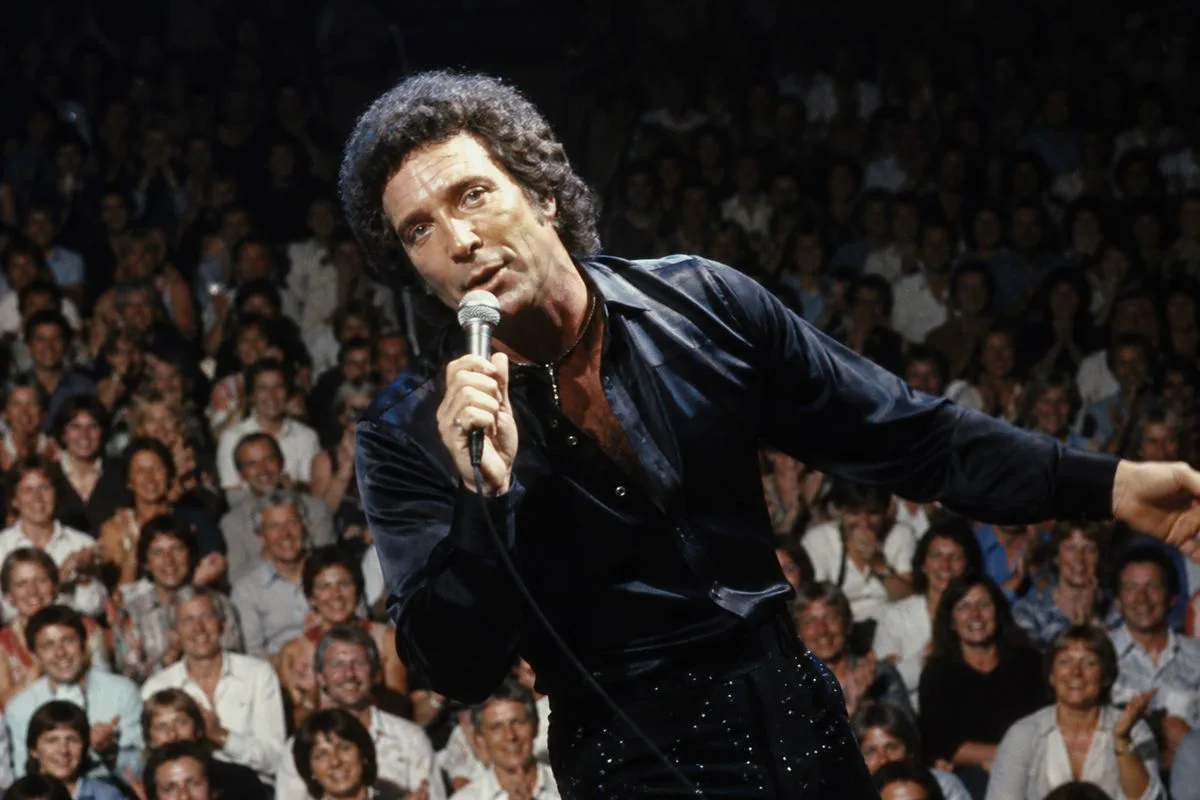
What This Means For You
For viewers, the immediate implication is simple: The Voice UK is about to feel different. If Jones is indeed gone after being a familiar presence since 2012, audiences should expect a shift in tone, not just a change of face. People who watch for the coaching dynamic, the warmth, and the sense of continuity may find the show leans harder into novelty. That can be fun. It can also be exhausting. The practical move for viewers is to give the new line up a fair hearing while being clear about what they value, and to feed that back through the channels ITV actually monitors, such as audience feedback and viewing behaviour.
For aspiring singers and working musicians, Jones’s exit is a reminder that television is a business first. Even established names can be replaced quickly, and sometimes without the kind of conversation you would expect after years of service. Contestants and artists should treat TV exposure as a tool, not a plan. Build direct relationships with audiences, keep control of social channels, and do not assume a platform will be there next series. If a knighted global star can be moved on abruptly, anyone can.
And for fans of Tom Jones specifically, the story is not just about a job. It is about where to find him next. The 2026 calendar in the supplied reporting shows he remains active on the live circuit, from stadium dates to festival bookings. Fans who mainly engage with him through television may want to pay closer attention to tour announcements and festival line ups, because that is where his career energy is clearly being directed. In other words, the swivel chair might be gone, but the stage is not.
Closing thoughts, a cultural moment about ageing, broadcasting, and respect
Sir Tom Jones being fired from The Voice UK is, on one level, a straightforward casting decision. Shows evolve. Contracts end. Producers chase freshness. But the way this story is framed, with Jones saying he did not want to leave, turns it into something more pointed. It becomes a question about how British television treats its long serving talent, especially older talent, and whether the industry values continuity as much as it claims to.
It also raises a broader cultural point. Britain likes to celebrate its icons, right up until the moment it decides they are no longer useful. Jones’s career, rooted in a working class Welsh upbringing, shaped by illness in childhood, and sustained through decades of reinvention, has always been about endurance. That is why this moment stings for many viewers. Not because a TV show changed its panel, but because it feels like a dismissal of a certain kind of experience.
And yet, Jones’s 2026 schedule, as reflected in the BBC’s reporting across the year, suggests he is not waiting around for ITV to change its mind. He is still headlining, still drawing crowds, still part of the national conversation, even if that conversation now includes a blunt dispute about who chose to end a TV relationship. In the end, that may be the real takeaway. The show will move on. But so will he.