The 2026 Film Festivals Calendar: What We Know So Far
Screen Daily has released its eagerly awaited 2026 film festivals and markets calendar, giving the industry its first comprehensive roadmap for the year ahead. While specific dates are still trickling in, the calendar offers a clear outline of when and where the world's most influential film events will take place. From Sundance in January to the whirlwind of autumn festivals, the schedule is a vital tool for filmmakers, distributors, journalists, and anyone who lives and breathes cinema. Fair enough, it's not exactly groundbreaking that Sundance will land in late January or that Cannes will command the Croisette in May. But having a single, reliable source for all these dates is a big deal when you're planning a year of premieres, sales, and networking. (And let's be honest, the film industry runs on a tightrope of overlapping deadlines.)
The calendar, as curated by Screen Daily, covers the major A-list festivals alongside a host of regional and specialist events. It also includes the key film markets — those less glamorous but absolutely essential bazaars where distribution deals are struck and indie films find their audience. For 2026, the calendar hints at a return to stability after years of pandemic disruptions and industry strikes. But there are subtle shifts too: some festivals have tweaked their windows, and a few newer events are muscling in for space. Let's dig into what's confirmed and what's still up in the air.

Key Events on the 2026 Film Festival Circuit
Let's start with the heavy hitters. The Sundance Film Festival (Park City, Utah) traditionally kicks off the year in late January. In 2026, expect it to run from the 22nd to the 1st of February, give or take a few days. Sundance remains the launching pad for independent cinema and a bellwether for Oscar season contenders. Right on its heels, the Berlin International Film Festival (Berlinale) usually takes place in February — think mid-month, around the 12th to the 22nd. Berlin's reputation as a politically engaged festival and its bustling European Film Market (EFM) make it essential for anyone working in European co-productions.
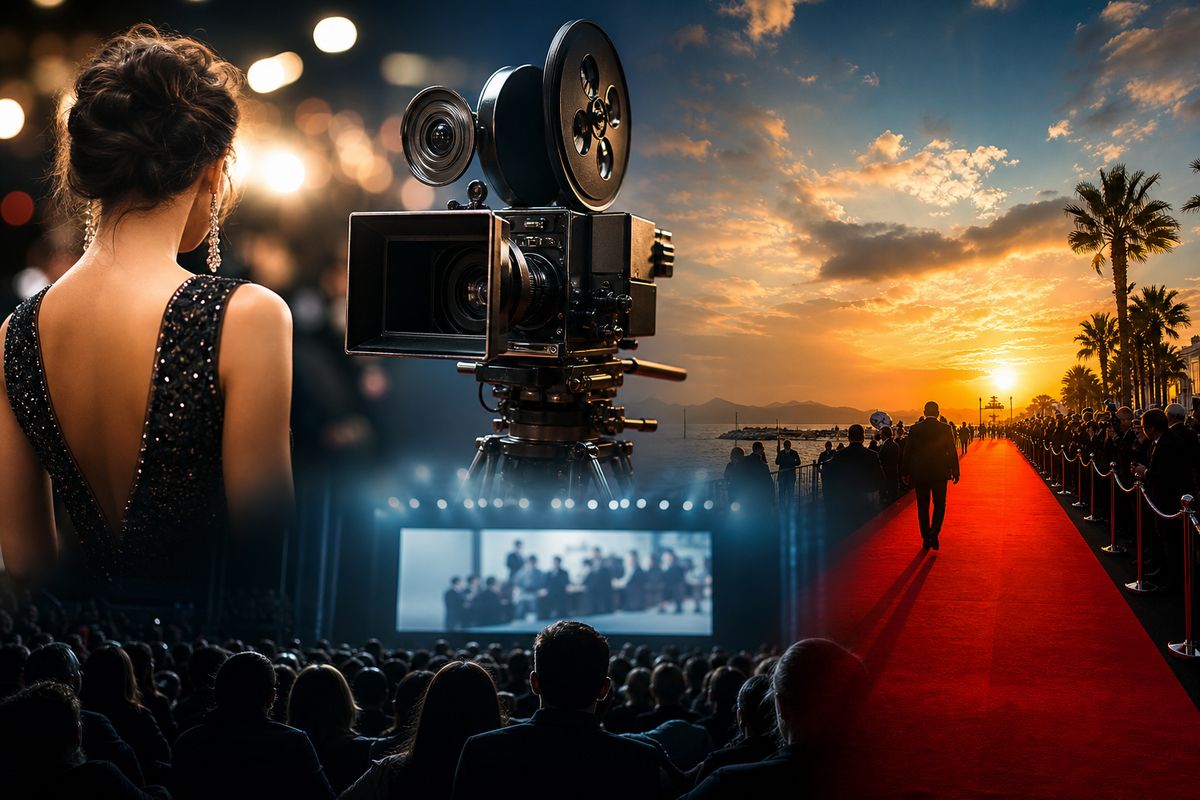
Then comes the glittering beast: the Cannes Film Festival. It's almost always mid-May (14th to 25th in a typical year). Cannes is the undisputed king of red carpets and deal-making, with the Marché du Film operating alongside. In 2026, expect the usual frenzy of premieres, parties, and last-minute negotiations. Summer is quieter on the A-list front, but festivals like Locarno (August) and Venice (late August/early September) keep the momentum going. The Venice Film Festival, often seen as the autumn kick-off, overlaps with the Telluride Film Festival (Labor Day weekend in Colorado) and leads directly into the Toronto International Film Festival (TIFF) in early September. TIFF is the largest public film festival in the world and a crucial stop for awards season buzz. The calendar then winds down with the BFI London Film Festival (October) and the American Film Market (AFM) in Santa Monica, typically in November.
Markets and Industry Events
Beyond the festivals, the calendar highlights key markets: the EFM (Berlin), Marché du Film (Cannes), and AFM (Santa Monica). These are where the real business happens — rights sales, co-financing, and distribution deals. A late addition in recent years is the Content Americas market in Miami (January), which serves the Latin American and Hispanic markets. The 2026 calendar also notes emerging events like the Red Sea International Film Festival (Saudi Arabia, usually December) and the Busan International Film Festival (South Korea, October), reflecting the industry's global shift.
The People and Organisations Behind the Scenes
These events don't just happen. They're orchestrated by a mix of passionate individuals and well-oiled institutions. Take Sundance: it's run by the Sundance Institute, founded by Robert Redford, with a mission to nurture independent storytelling. The festival's director, Joana Vicente, has steered it through the pandemic and streaming battles. At Cannes, Festival de Cannes president Iris Knobloch and artistic director Thierry Frémaux maintain a delicate dance between art and commerce. Berlin's Berlinale, led by managing director Mariette Rissenbeek and artistic director Carlo Chatrian (though Chatrian stepped down after 2024), remains a champion of diversity and political cinema.
The film markets are run by trade organisations: the EFM is part of the Berlinale, the Marché du Film is under Cannes, and AFM is organised by the Independent Film & Television Alliance. These bodies spend months curating screening schedules, arranging panels, and wrangling badge systems. For filmmakers submitting to these festivals, understanding the calendar is half the battle. Submission deadlines often fall months before the event — Sundance's deadline is typically in September of the previous year. So the 2026 calendar is not just a schedule; it's a starting gun for planning.
What This Means for the Film Industry
Having a consolidated 2026 film festivals calendar is a lifeline for an industry that lives and dies by timing. For independent producers, it dictates everything: when to finish post-production, when to launch a sales campaign, which festivals to prioritise for a world premiere. A bad slot — say, a film premiering at a festival that's overshadowed by a bigger event — can kill momentum. The calendar allows strategists to avoid clashes and maximise exposure. For distributors, it's a shopping list. They can mark which markets to attend, which screenings to catch, and where to meet buyers from key territories.
There's also the question of travel logistics. Journalists, publicists, and critics often hop from Venice to Telluride to Toronto in a gruelling two-week stretch. The 2026 calendar shows those overlaps are still there, but with a few more breathing days than in some years. Hybrid elements — streaming screenings and virtual marketplaces — have become permanent fixtures, but the in-person experience remains irreplaceable. (Let's face it, a Zoom meeting with a buyer is not the same as a whisky-fuelled negotiation at a Cannes hotel bar.) The calendar's release signals that the industry is betting big on physical gatherings in 2026, with only a few events maintaining a digital parallel component.
The Bigger Picture
Here's what most coverage misses: the film festival calendar is more than a logistical tool — it's a map of global cultural power. The dominance of Western European and North American festivals (Cannes, Venice, Sundance, TIFF) reflects where money and critical attention have historically concentrated. But the 2026 calendar shows cracks in that monopoly. Events like Busan, Red Sea, and the Durban International Film Festival (South Africa, July) are growing in influence, backed by government funding and a hunger for diverse stories. The calendar's inclusion of these events is a quiet acknowledgment that the centre of gravity is shifting, however slowly.
Another layer: the calendar reflects the industry's response to ongoing disruptions. The 2023 writers' and actors' strikes delayed many productions, meaning the 2025-2026 pipeline might be thinner than usual. Festivals may see fewer high-profile studio films and more independent and international fare. That could level the playing field for smaller films — or it could leave programmers scrambling to fill slots. The 2026 calendar, by mapping out the year, forces organisers to make tough calls: do you court a blockbuster premiere or double down on auteur-driven programming? Those decisions will ripple through the entire film economy, from which films get distribution deals to which actors land on magazine covers.
Finally, there's the environmental angle. The calendar's packed schedule means a huge amount of air travel. Some festivals (like Berlin and Cannes) have introduced sustainability charters, but the industry's carbon footprint remains massive. A few events are experimenting with regional hubs to reduce travel — for example, the Asian Film Awards and Busan could consolidate some traffic. But as of 2026, the calendar shows no sign of slowing down. The question is whether the industry can sustain this pace without burning out both the planet and its people.
Planning Ahead: What Film Professionals Should Watch For
For anyone looking to dive into the 2026 film festivals circuit, the advice is simple: start early. Check the official websites of festivals like Sundance, TIFF, and Venice for confirmed dates and submission windows. The Screen Daily calendar is a fantastic starting point, but it's a living document — dates shift, markets merge, and new events pop up. Book your accommodation and flights as soon as dates are locked; prices spike and rooms vanish fast. For filmmakers, focus on building relationships at the smaller, niche festivals — they're often less crowded and more open to discovery. And for everyone else, remember that the festival calendar is not just about the films on screen. It's about the deals, the alliances, and the stories that get told backstage. See you on the Croisette.