Ty Jerome is suddenly the story in Memphis, and it is not a small one
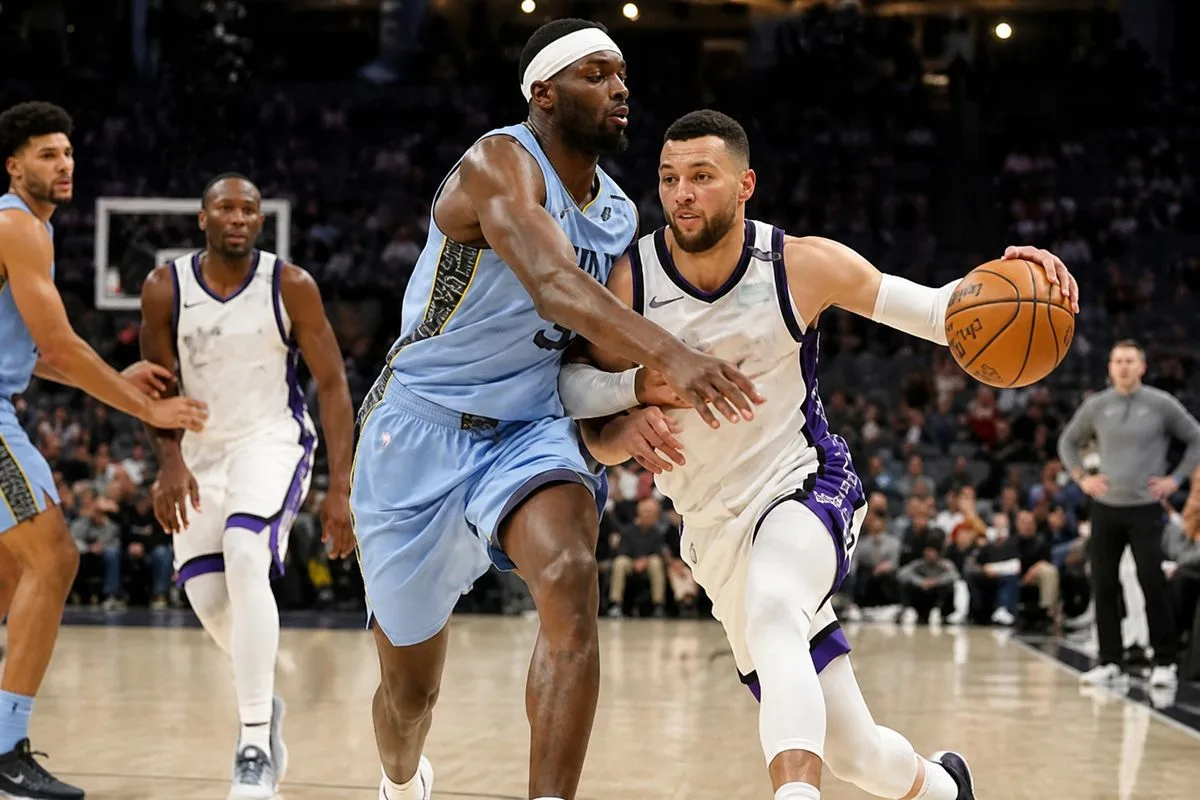
Three games into the 2026-27 NBA season, ty jerome is doing the thing that makes a fanbase sit up straight, put the kettle on, and actually watch the postgame interview. Memphis is 3-0, and Jerome is at the centre of the noise, with highlights and a walk-off interview doing the rounds after a win over the Sacramento Kings. It is early, sure. But it is also real, and it is already shaping how people talk about the Grizzlies.
The immediate spark is simple: Jerome’s production is popping, Memphis keeps winning, and the online conversation has gone from mild curiosity to full-blown agenda posting. One community thread even frames it as an “MVP case” after three games. That is obviously a long way from an actual award race, but it tells you something important. When a player who is not usually the headline becomes the headline, it means the league has noticed.
And there is a second layer here that matters just as much as the points. Jerome is not a rookie surprise, or a two-way contract fairy tale. He is 29, listed at 196 cm, and he is on a meaningful deal with Memphis. In other words, this is not a cameo. It is a bet, and right now it looks like a smart one.

The specific news: Grizzlies beat the Kings, and Ty Jerome owns the moment
The clearest “news event” in the current cycle is the Grizzlies’ win over the Sacramento Kings, followed immediately by a Ty Jerome walk-off interview and a separate highlights package focused on his performance. Those two pieces of content tend to appear when a team wants to underline a narrative: this player mattered, this player swung the game, and this player is part of what we are selling this season.
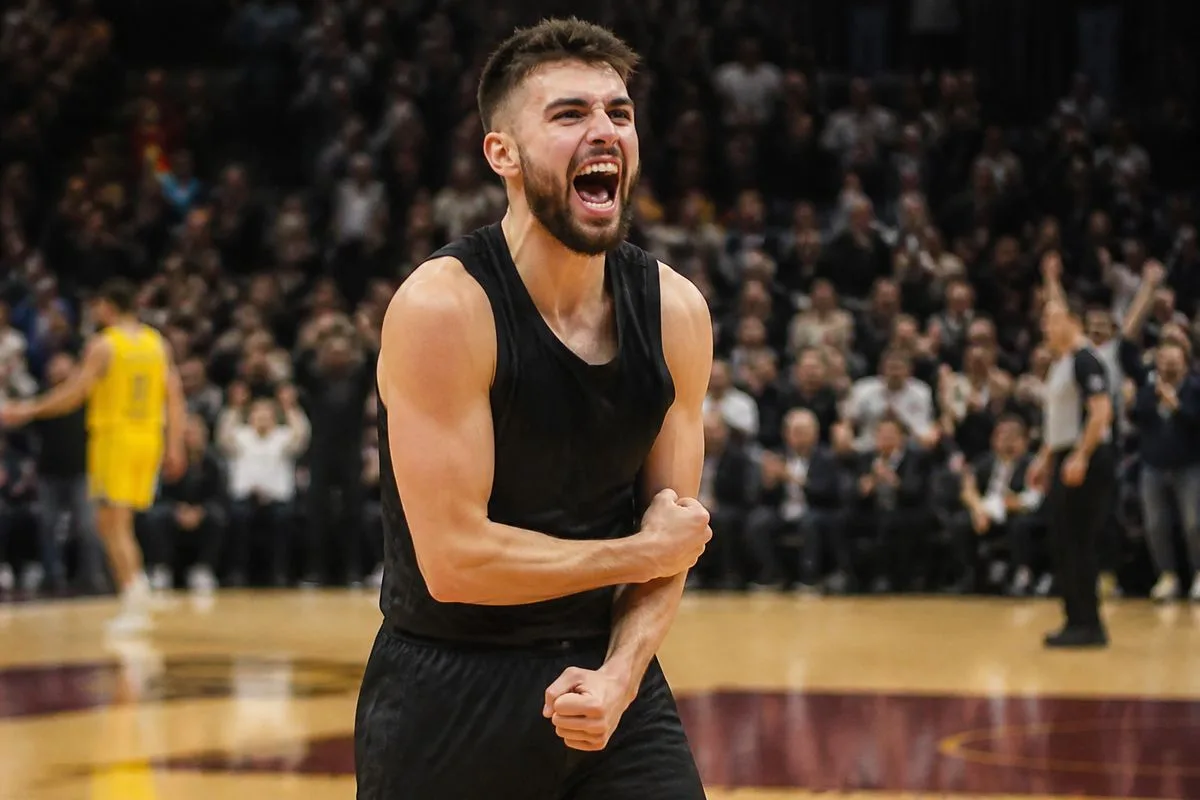
At the same time, the wider conversation is accelerating because Memphis starts 3-0 and Jerome is framed, at least in fan discussion, as the driver. That matters because early-season storylines are sticky. They shape broadcast talking points, they shape scouting emphasis, and they shape how opponents game-plan. A hot start can be dismissed as noise, but it still changes behaviour around the league.
There is also a more speculative thread running alongside the highlights: trade chatter. One community discussion asks about “realistic trade destinations” for Jerome, arguing he does not fit Memphis’s “timeline”. That is not reporting, and it is not confirmation of anything happening. But it is a signal that Jerome’s value is being actively debated, which is exactly what happens when a player looks like he can tilt a rotation, or even a season.
One important caveat: the source material does not provide a full box score from the Kings game, nor does it list Jerome’s exact three-game averages. So the responsible takeaway is not “he is averaging X”. The responsible takeaway is that Memphis is undefeated early, Jerome is prominent enough to be the face of the postgame content, and the basketball internet is reacting as if this is a genuine breakout moment.
Who is Ty Jerome in 2026: age, role, and why Memphis is a fascinating fit
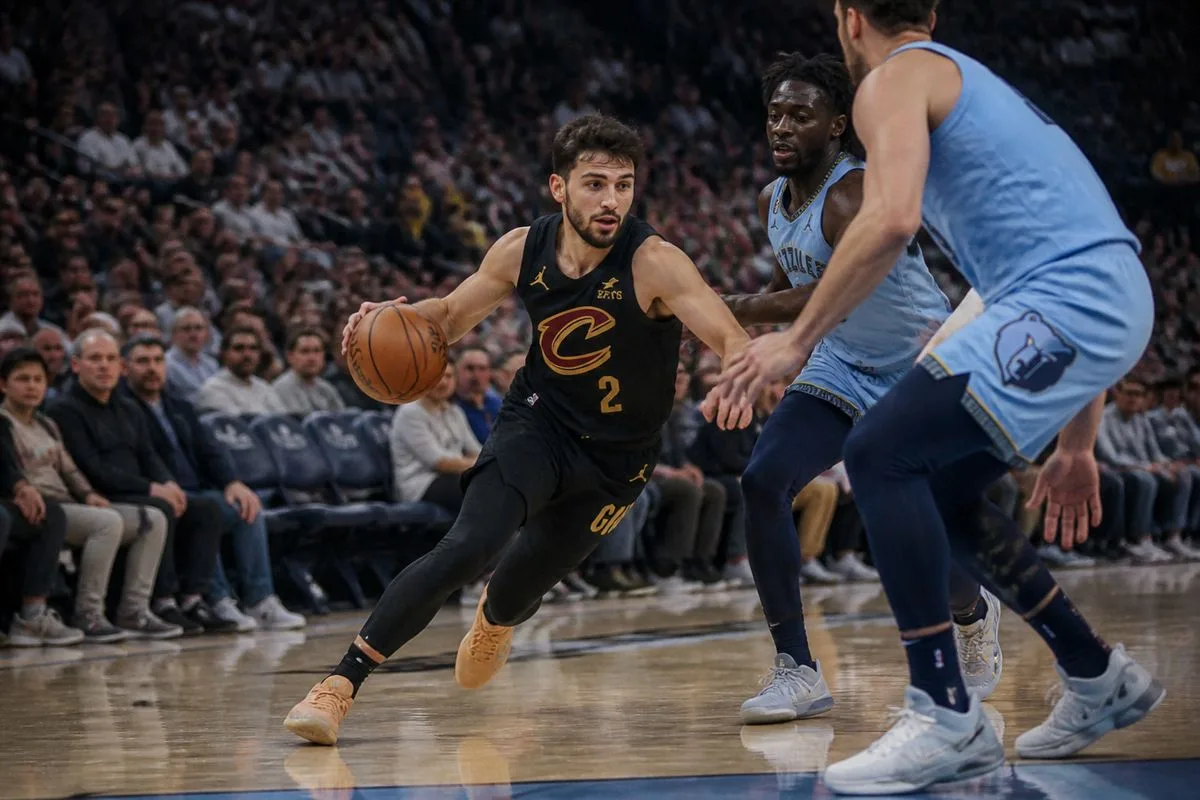
Jerome is listed as 29 years old, born 8 July 1997, and he plays for the Memphis Grizzlies wearing jersey number 2. That profile matters because it places him firmly in the “prime veteran guard” bracket, not the developmental bucket. At 196 cm, he has the size teams like for guards who can survive switches and see over the top of pressure, even if he is not living above the rim.
Memphis, meanwhile, is a team that has spent recent seasons being defined by volatility. When the Grizzlies are good, they are loud-good, fast-good, relentless-good. When they are not, it is often because the guard rotation is disrupted, the half-court offence bogs down, or the team cannot reliably manufacture quality shots late in games. A steady, skilled guard who can organise possessions and score efficiently is not a luxury in that context. It is a pressure valve.
That is why Jerome’s early prominence is so interesting. He is not being treated like a bench plug-in. The team is amplifying him. And the fanbase is responding in a way that suggests he is not just “fine”, he is influencing outcomes. The fact that there is already talk of “dominance on the offensive end” in social chatter, even if it is informal, hints at a role that goes beyond spot minutes.
There is also a teammate-development angle floating around. A community post references third-year player Jaylen Wells saying Jerome has had an impact, and it also claims Jerome averaged 19.7 points in 22.6 minutes per game last season, plus 5.7 assists in 15 games. Those numbers are striking, but they come from community discussion rather than an official stat release in the provided material, so they should be treated as context rather than gospel. Still, the broader point stands: Jerome is being talked about as someone who raises the floor of the players around him.
Ty Jerome’s contract and what it signals about Memphis’s intentions
Contracts tell the truth teams will not always say out loud. According to the provided contract summary, Ty Jerome signs a three year deal worth $27,660,150 with the Memphis Grizzlies, and it is described as fully guaranteed. The listing also frames it as a 2025-2027 arrangement. That matters in 2026 because it places Jerome squarely inside the team’s planned rotation window, not as a short-term rental.
Put that number in human terms. This is not superstar money, but it is also not “end of bench, we can waive him tomorrow” money. It is the kind of contract that says: we expect you to play, we expect you to stabilise line-ups, and we expect you to be available when the season gets messy. And seasons always get messy.
It also reframes the trade chatter. Yes, fans can argue about “timeline” all they like. But a multi-year guaranteed deal at this level is often designed to be flexible. It can be kept and used, or it can be moved if the player’s value rises and the team wants a different shape. In other words, if Jerome keeps playing like this, Memphis has options. If he cools off, Memphis still has a known quantity under contract rather than scrambling.
And there is a subtle point here that gets missed. A contract like this can be a bet on a skill set rather than a stat line. Teams pay for decision-making, spacing, and the ability to run offence when the first option is taken away. Those things do not always show up in a 10-second highlight clip, but coaches care about them obsessively.
Why the “Ty Jerome MVP” chatter exists, and what it really says
Is Ty Jerome actually an MVP candidate in October 2026? Realistically, it is far too early, and the source material does not provide league-wide comparisons, usage rates, or efficiency splits that would be needed to make that case properly. But the existence of the chatter is still revealing. Fans do not start joking, or semi-joking, about MVP narratives unless a player is doing something that feels disruptive to expectations.
What is being disrupted here is the usual hierarchy. Memphis is not supposed to be “Ty Jerome’s team” in the public imagination. So when the Grizzlies start 3-0 and Jerome is the face of the immediate postgame content, it creates a little cognitive dissonance. People rush to explain it. Some lean into the meme. Some start asking whether it is sustainable. Some pivot straight to trade value. That is the cycle.
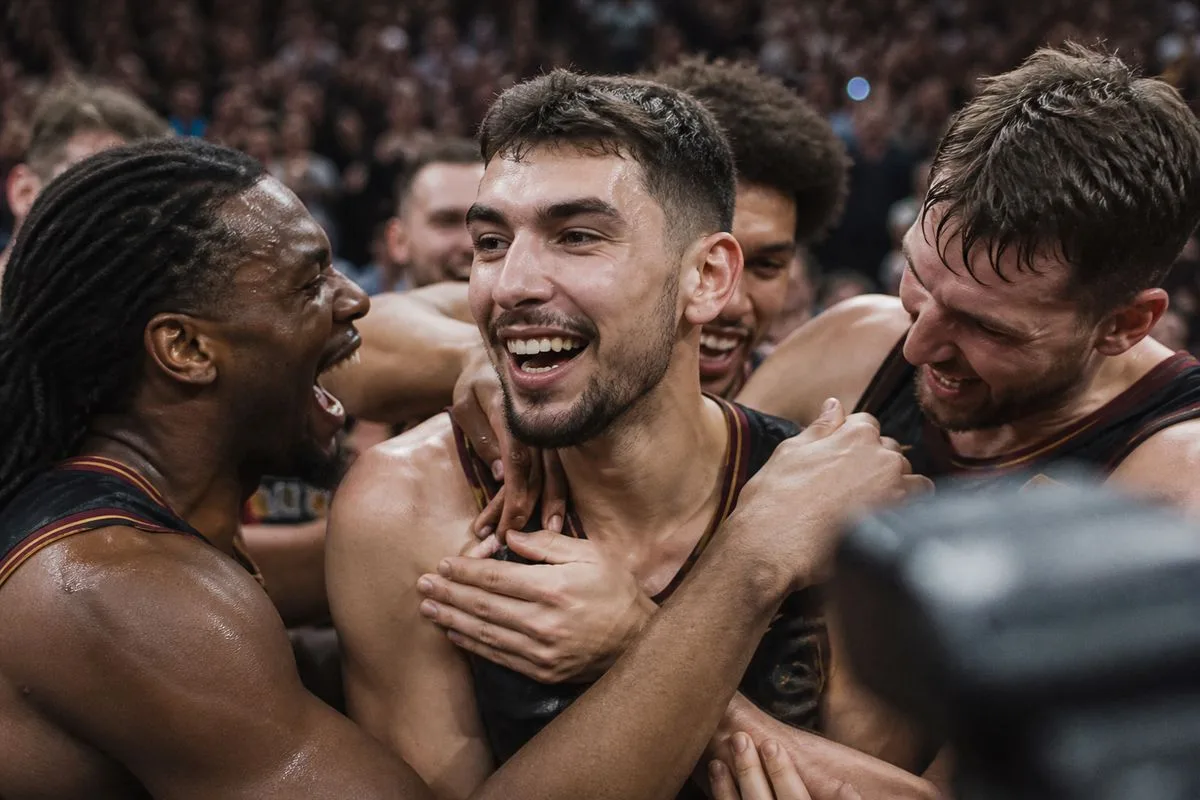
From an industry perspective, this is how reputations change. Not in one night, but in a sequence of nights where the same name keeps appearing in the same places: closing line-ups, late-game possessions, postgame interviews, and highlight compilations. If Jerome strings together another week or two of high-impact play, the conversation will shift from “fun story” to “scouting report adjustment”. That is when it gets serious.
There is also a Memphis-specific angle. The Grizzlies have often been at their best when they can play with pace but still have a guard who can slow the game down when needed. If Jerome is providing that control, the team’s ceiling changes. Not because he is suddenly the best player in the league, but because he might be solving a problem that has repeatedly limited them.
Historical context: the NBA’s long love affair with the late-blooming guard
The league is full of guards who take time to land in the right ecosystem. It is not exactly groundbreaking. Ball-handlers are asked to do the hardest job in basketball: create advantages against set defences, make the correct read under pressure, and still score enough that defenders cannot ignore them. Some players figure it out early. Others need the right coach, the right spacing, and the right role.
Jerome’s situation fits that broader pattern. At 29, he is old enough to have seen most coverages, played with different types of bigs, and learned what works for him. That experience can look like “sudden improvement” when it is really “better deployment”. If Memphis is giving him consistent minutes, clear responsibilities, and line-ups that complement his strengths, the output can jump quickly.
There is also the modern NBA context: teams value guards who can shoot, pass, and survive defensively more than ever because the game is so possession-sensitive. One sloppy stretch can lose a game. One calm stretch can win it. When a player earns trust as a stabiliser, coaches keep going back to him, especially in the second unit and in closing groups when match-ups get weird.
And that is why the early-season Jerome story resonates. It is not just “he scored”. It is “he looks like a solution”. Fans can feel that difference, even if they cannot always describe it in tactical language.
What This Means For You
For fans trying to understand whether this is real, the practical move is to watch how Jerome is being used, not just whether he hits shots. Is he initiating offence late in quarters? Is he trusted to bring the ball up against pressure? Is he sharing the floor with other key creators, or is he the organiser for bench-heavy units? Those are the tells that separate a hot streak from a role change. If Memphis keeps putting him in responsibility minutes, the team believes in him, full stop.
For fantasy players and bettors, the key is to track opportunity signals rather than chasing last night’s points. Minutes, closing line-ups, and usage in tight games matter more than a single highlight reel. The source material confirms the media emphasis and the team’s willingness to platform him after wins, which often correlates with a player being central to the game plan. But without verified three-game averages in the provided information, the smart approach is to monitor the next five to ten games for consistency before making big calls.
For anyone interested in the business side, Jerome’s $27,660,150 guaranteed deal over three years is the anchor. If he plays well, Memphis has a valuable contract that can either support a playoff push or become a trade asset. If he plays merely adequately, the Grizzlies still have a dependable rotation guard under control. So when trade rumours pop up, the right question is not “will they trade him tomorrow?” It is “does his performance expand Memphis’s options by December and February?” That is when front offices actually make their moves.
Closing thoughts: Ty Jerome’s moment is here, the next step is proving it lasts
The early 2026-27 storyline around ty jerome is not built on one quote or one viral clip. It is built on a pattern: Memphis is winning, Jerome is being showcased, and the conversation has escalated fast enough to produce both MVP jokes and trade hypotheticals. That combination usually means a player is sitting right on the edge of a new tier of recognition.
But the league is ruthless about sustainability. Opponents will adjust. Scouting reports will tighten. The shots that were clean in Game 1 might be contested in Game 6. The next phase of this story is whether Jerome can keep producing when teams treat him like a priority rather than a pleasant surprise.
If he does, Memphis’s season looks different. Not because one guard magically fixes everything, but because a reliable creator changes the geometry of a team. It changes who gets easier looks, who gets to play their natural role, and how a coach manages the minutes that decide games. And if Jerome is genuinely that guy for the Grizzlies in 2026, then yes, the noise is justified. It is a big deal.