Brasil in 2026, why the world is paying attention again
Brasil is back in the global conversation, and not just because people are booking flights to Rio or arguing about football. In late 2026, the country sits at the intersection of three storylines that keep colliding: the political aftershocks of the last election cycle, the day to day grind of doing business in a famously complex system, and a surge of practical questions from outsiders who want to visit, study, or even move there.
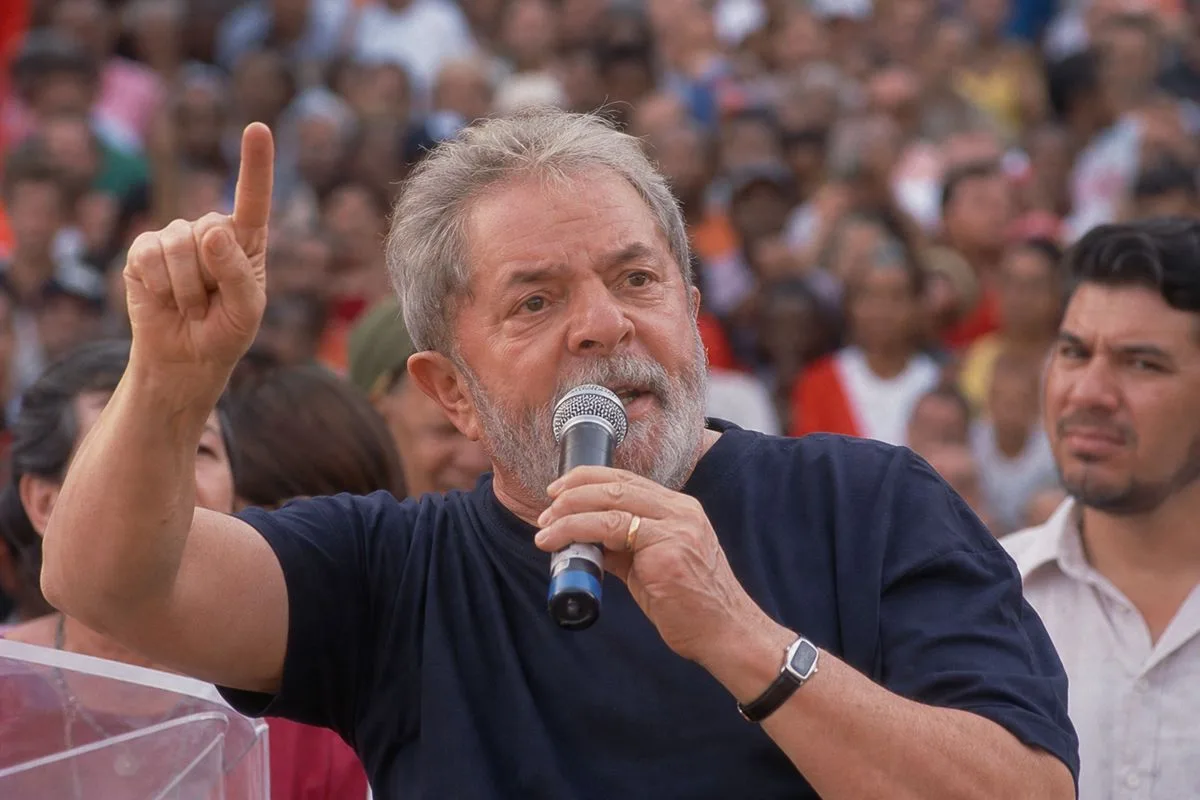
The headlines and community chatter point in the same direction. On one side, there is President Luiz Inácio Lula da Silva, in office since January 2023, still defining the tone of federal politics. On another, there is the persistent idea of “Custo Brasil”, a shorthand used by institutions like the World Bank for the tax burden, regulatory barriers, credit market distortions, and obstacles to long term financing that weigh on productivity. And then there is the human layer: travellers planning multi week solo trips, language students choosing a base city, and would be migrants trying to decode bureaucracy (and wondering if it is all worth it).
Put together, it is a portrait of a country that is simultaneously welcoming and hard work. Warm and complicated. Capable of big national projects, but also prone to getting tangled in its own rules. And in 2026, those contradictions are not background noise. They are the story.

What is happening right now in Brasil, politics, legitimacy, and the long shadow of 2023
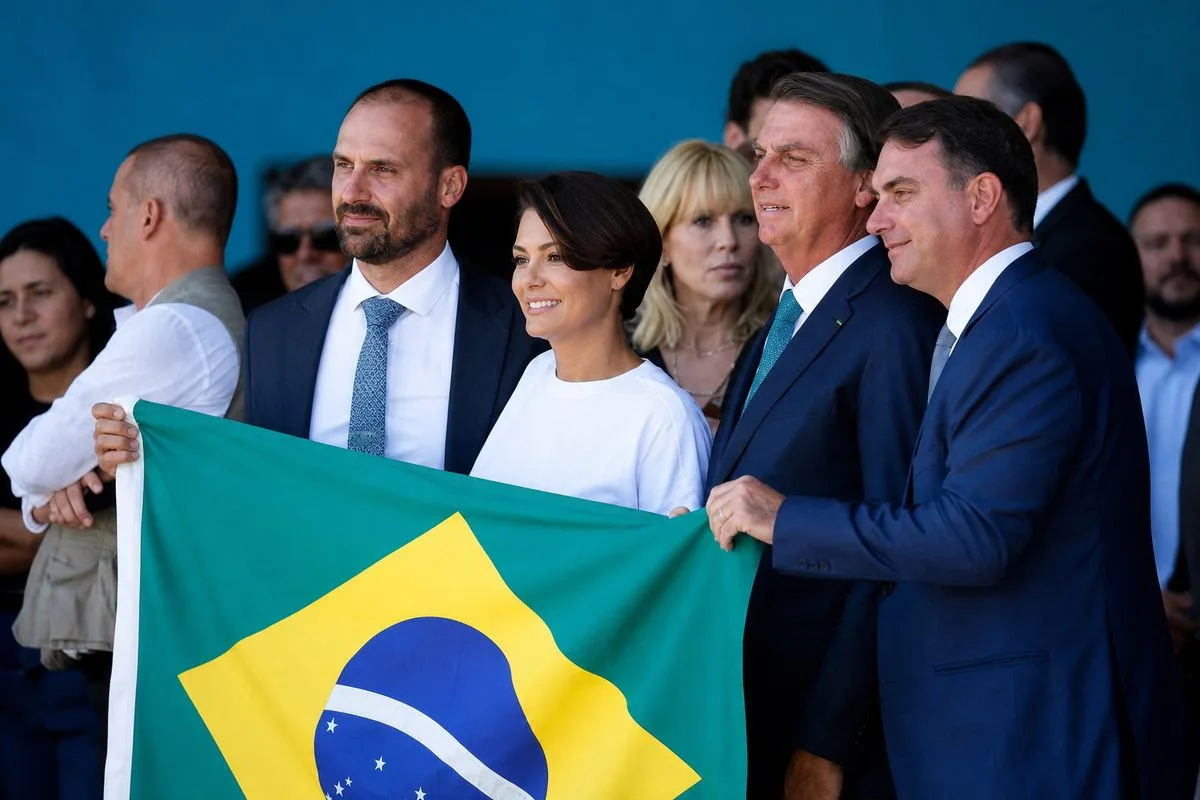
Brasil’s current political chapter is still shaped by the transition that brought Lula back to the presidency. Human Rights Watch notes that Lula took office in January 2023 after a campaign marred by political violence, and that shortly after, a crowd of supporters of his predecessor stormed key institutions. That matters in 2026 because it frames how legitimacy, security, and democratic resilience are discussed, both inside the country and abroad.
In community discussions, the tone is blunter. A widely shared thread asks, in plain language, what is going on in Brasil. It references the idea that Jair Bolsonaro was later convicted for participating in a plan to overturn the election result and prevent Lula from taking office, with mention of senior military figures. This is not an official court record in the material provided, so it cannot be treated as confirmed fact here. But it does show what many people believe, debate, or worry about. And that perception itself has consequences, from investor confidence to the mood on the street.
Meanwhile, international coverage continues to frame Lula as a central figure in Brasil’s democratic narrative. The Guardian’s country feed highlights Lula’s political trajectory and electoral success in broad strokes. The key point for 2026 is not a single headline, it is the persistence of the Lula story as a global reference point: a veteran leader, a polarised electorate, and a state still working to prove it can absorb shocks without breaking.
So the immediate development is not one neat policy announcement. It is an ongoing recalibration. Brasil is trying to govern, attract investment, and project stability while a chunk of the public remains deeply sceptical of the other side. That is a tricky environment for any administration. It is also, frankly, the context that visitors and newcomers are walking into, whether they realise it or not.
Brasil’s structure, 26 states, a Federal District, and why governance feels so layered
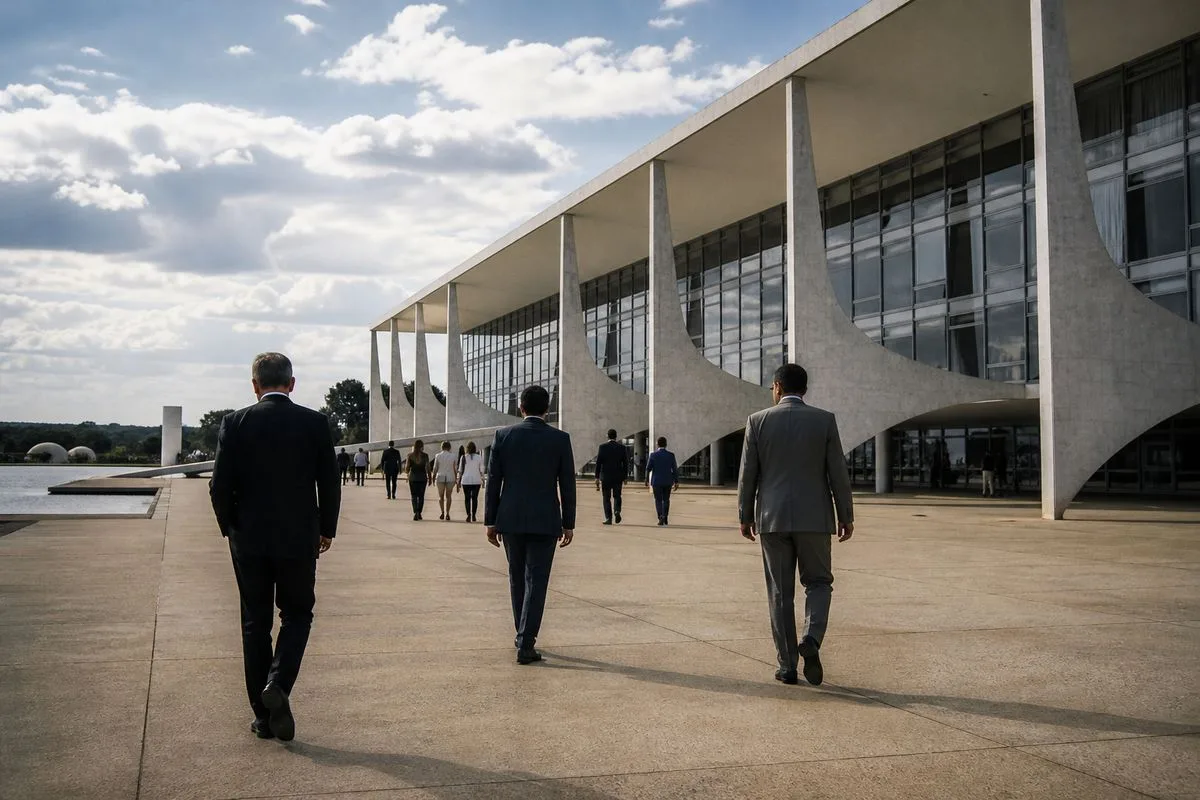
To understand why politics and policy in Brasil often feel slow or fragmented, it helps to start with the basics. Brasil is a federation composed of 26 states and a Federal District, which hosts the capital, Brasília. That federal design is not just trivia. It shapes everything from policing and public health delivery to tax administration and infrastructure planning.
The country’s biggest urban magnets also matter because they concentrate economic power and cultural influence. Wikipedia’s overview notes that the most populous city is São Paulo, followed by Rio de Janeiro. Those two names come up constantly in travel plans, job searches, and international media coverage. But they also represent different “Brasis” in practice: São Paulo as a commercial engine with relentless pace, Rio as a global postcard with its own complex social geography. And neither is the capital, which is a whole other thing again.
This layered structure is one reason outsiders can feel lost. A rule that applies in one state may be administered differently in another. A process that seems “federal” can still require state level paperwork. And a policy announcement in Brasília does not automatically translate into smooth implementation in every municipality. People sometimes interpret this as dysfunction. Sometimes it is. But often it is simply the reality of a vast federation trying to govern a continent sized country.
It also explains why political tensions reverberate unevenly. A national crisis might feel abstract in one region and immediate in another. That unevenness is part of the Brasil experience, and it is why sweeping generalisations rarely hold up for long.
‘Custo Brasil’ in 2026, the economic drag that never quite goes away
The World Bank’s framing of “Custo Brasil” is unusually blunt for an institutional label, and it sticks because it captures a lived reality. In their description, it includes the tax burden and complexity, regulatory barriers, credit market distortions, and obstacles to long term financing. Notice what is missing: there is no single villain. It is a system effect, the accumulation of friction at every step.
In practical terms, “Custo Brasil” shows up as time and uncertainty. Companies spend energy navigating compliance rather than building products. Entrepreneurs face a maze of registrations, reporting requirements, and shifting interpretations. And credit can be expensive or hard to access, especially for smaller firms that do not have deep relationships with banks. None of that is unique to Brasil, fair enough, but the combination is what gives the phrase its bite.
This matters in 2026 because political stability and economic reform are tied together. A government that is constantly firefighting legitimacy crises has less bandwidth to simplify regulation. But the reverse is also true: when the economy feels stuck, polarisation tends to worsen because people lose patience. “Custo Brasil” is not just an economic concept. It is political fuel.
And it spills into everyday life. The same bureaucratic density that frustrates businesses also frustrates individuals trying to get documents, open accounts, rent property, or regularise immigration status. That is why the community advice to newcomers often sounds like a mix of warning and encouragement: yes, it is slow and heavy, but you can learn to navigate it, and the social rewards can be huge.
Moving to Brasil, bureaucracy, belonging, and the ‘treasure hunt’ mindset
One of the most revealing pieces of source material is not a formal report at all. It is a community discussion where someone says they want to move to Brasil, and a reply describes bureaucracy as “slow and heavy”, while also calling the experience a “treasure hunt” where you find immediate good friends. That is not a policy paper. But it is an honest snapshot of how relocation feels to many people: administratively draining, socially rich.
For anyone considering a move, the key point is that the friction is not just paperwork. It is uncertainty about timelines, requirements, and which office or platform actually resolves the issue. That uncertainty can be emotionally expensive. People who thrive tend to be those who plan for delays, keep copies of everything, and accept that progress sometimes comes in bursts rather than a neat linear process.
At the same time, the “treasure hunt” framing hints at something deeper about Brasil’s social fabric. Newcomers often report that friendships form quickly, and that community networks can help solve problems that official channels make difficult. That is not a substitute for functioning institutions, obviously. But it is part of why people persist. The country can be hard on the calendar, but generous in the day to day human interactions.
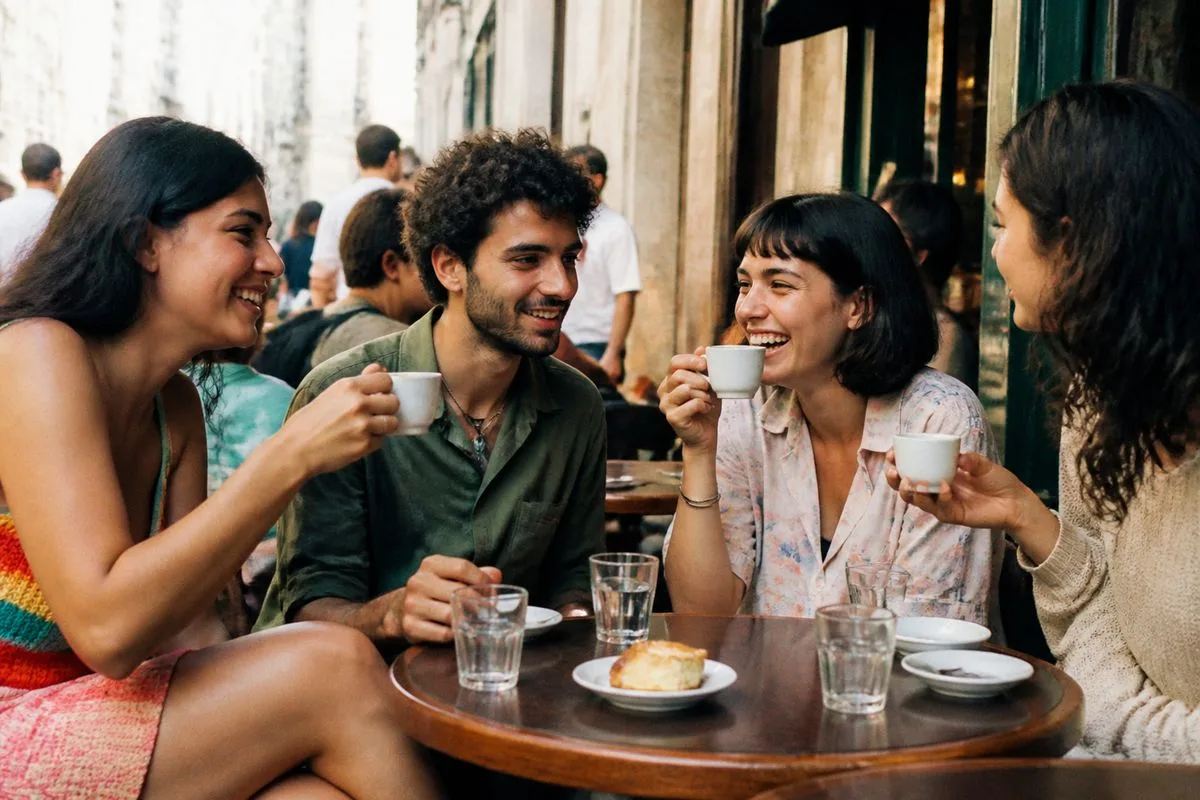
In 2026, this dynamic also intersects with politics. A polarised environment can make outsiders nervous, yet daily life in many places continues with a kind of pragmatic normality. People go to work, meet friends, complain about prices, plan weekends. The national drama is there, but it is not always the only thing in the room.
Travelling in Brasil in 2026, longer trips, language study, and choosing a base
Travel questions in 2026 are getting more specific. One community thread describes a solo traveller planning an eight week trip, with two weeks of language classes in one city and six weeks travelling. That detail matters because it signals a shift from quick tourism to longer, more immersive stays. People are not just passing through. They want to understand the place, at least a bit.
Longer trips force practical decisions: where to base for language study, how to balance cost and convenience, and how to move between regions in a country that is enormous. Brasil’s scale catches people out. A map makes distances look manageable. Real life does not. Choosing one city as a base becomes less about seeing “everything” and more about building a routine that makes learning possible.
And then there is the cultural question: which Brasil does a visitor want? The São Paulo experience is not the same as the Rio experience, and neither is the same as Brasília or the north east. Even within a single city, the experience can vary wildly by neighbourhood. That is why generic travel advice often disappoints. The better approach is to start with intent: language immersion, nightlife, beaches, museums, nature, food, or professional networking. Different cities serve different goals.
It is also worth noting that political narratives can distort travel perceptions. A country can be politically tense and still function as a travel destination. But visitors should be realistic: protests, strikes, or administrative disruptions can affect transport and services. In a federation, those disruptions can be localised. Planning with flexibility is not paranoia. It is just sensible.
Health, rights, and the international lens on Brasil
International organisations continue to treat Brasil as a country of major regional importance, which means its domestic choices are watched closely. The World Health Organization maintains country profiles that compile selected health data and statistics at given points in time. The material provided here does not include specific figures, so no claims about life expectancy, vaccination rates, or disease burdens are appropriate in this article. But the existence of those profiles is a reminder: health outcomes are part of how the world measures state capacity.
Human rights monitoring also remains central to Brasil’s international reputation. Human Rights Watch’s country framing highlights the political violence around the 2022 campaign and the events after Lula took office in 2023. Again, the key relevance for 2026 is continuity. These are not “one day” stories. They shape how institutions are judged, how policing is debated, and how social media narratives harden.
For businesses and investors, these lenses matter because they influence risk perception. For travellers and migrants, they matter because they influence family concerns, employer decisions, and even visa conversations. People do not just ask, “Is it beautiful?” They ask, “Is it stable?” The answer is rarely a simple yes or no. It is conditional, regional, and tied to the news cycle.
And for Brasil itself, that external scrutiny can be a double edged sword. It can encourage reforms and transparency. But it can also feed defensiveness, especially when outsiders flatten a complex country into a single storyline. In 2026, the challenge is to hold two truths at once: Brasil has real institutional stresses, and it is also far more than its worst headlines.
How these threads connect, the overlooked story about trust and time in Brasil
Here is the part that often gets missed when people search for “brasil” and bounce between politics, economy, and travel tips. The connecting tissue is trust, and the price of trust is often time. When institutions are trusted, processes can be simpler because people assume rules will be applied consistently. When trust is low, systems grow extra layers: more documents, more checks, more approvals, more ways to appeal. That is how “Custo Brasil” becomes not just an economic drag but a cultural habit.
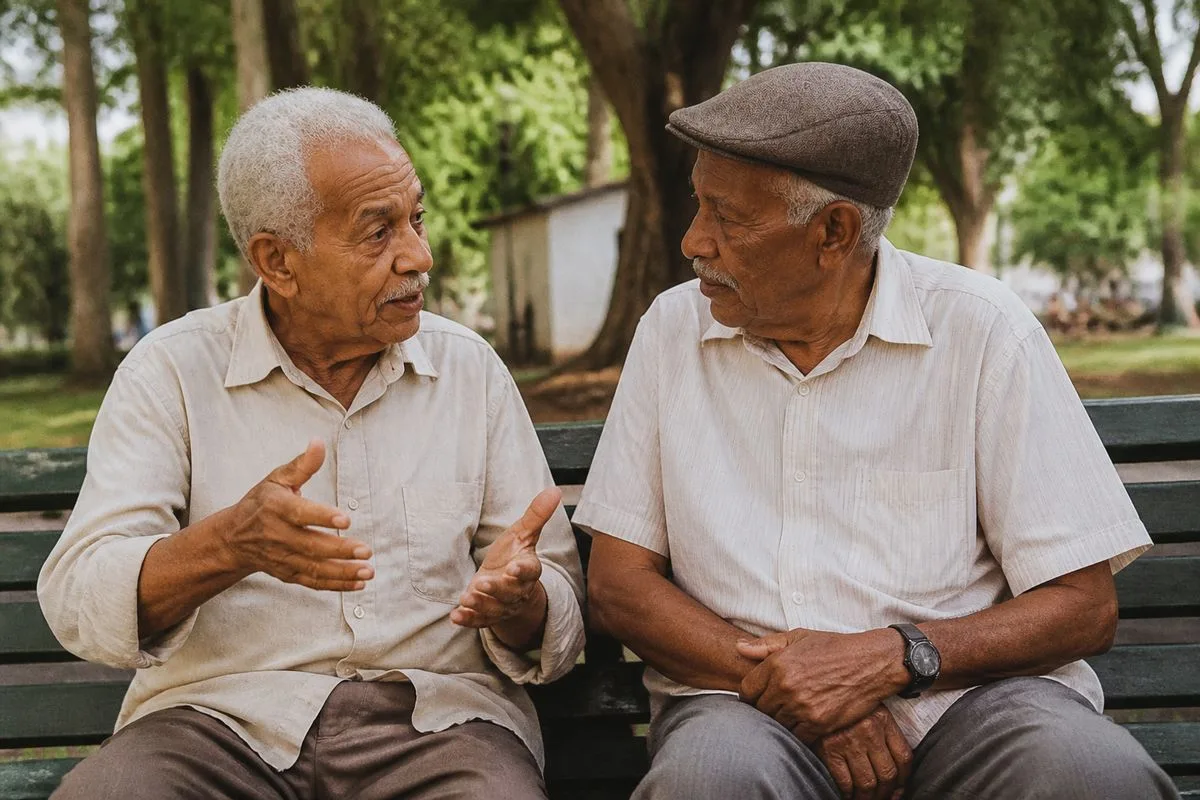
The community advice to treat bureaucracy like a treasure hunt is, in its own way, an adaptation to low trust systems. People learn to rely on relationships, local knowledge, and persistence. It can be charming, even bonding. But it is also inefficient and unequal, because those with better networks navigate faster. That is the uncomfortable truth: informality can feel friendly, but it can also reinforce barriers.
Politically, the post 2023 environment raises the stakes. When a country has recently experienced institutional stress, every administrative delay can be interpreted as sabotage, and every reform can be interpreted as a power grab. That makes consensus harder. And without consensus, structural simplification is slow. It is a loop. Not inevitable, but real.
For outsiders, the practical takeaway is simple. Anyone engaging with Brasil in 2026, as a visitor, student, entrepreneur, or potential resident, should plan for friction, but not confuse friction with hostility. The system can be maddening. The people, in many cases, are not. That distinction is what separates a rewarding experience from a frustrating one.
Where Brasil goes from here, and what to watch without getting lost in the noise
In 2026, Brasil’s direction depends on whether the country can convert political energy into administrative competence. Lula’s government remains the anchor of the current era, but the broader question is institutional: can reforms reduce complexity without triggering backlash from those who benefit from the status quo? Can the state make credit and regulation feel less like a maze? And can it do so while maintaining democratic legitimacy in a polarised environment?
There is also a softer, but equally important, trend: the growing appetite for deeper engagement from outsiders. Eight week trips with language study are not the same as a weekend break. They create informal ambassadors, people who return home with nuanced stories rather than stereotypes. That matters for Brasil’s image, and in the long run, image affects everything from tourism to investment to cultural influence.
None of this is guaranteed to improve quickly. “Custo Brasil” is a long game problem. Political polarisation is not exactly known for resolving itself overnight. But the country’s strengths, scale, cultural pull, and the sheer magnetism of its cities, keep drawing people in. That is why the search term “brasil” remains so broad. People are not looking for one answer. They are looking for a way to make sense of a place that refuses to be simple.
And maybe that is the most honest conclusion. Brasil in 2026 is not a single headline. It is a living argument between what the country is, what it wants to be, and what it can realistically deliver. For anyone watching from the outside, the smartest move is to stay curious, stay specific, and resist the temptation to reduce it all to a slogan.