Hollywood's Night of Visibility: The 2026 GLAAD Media Awards Unpacked
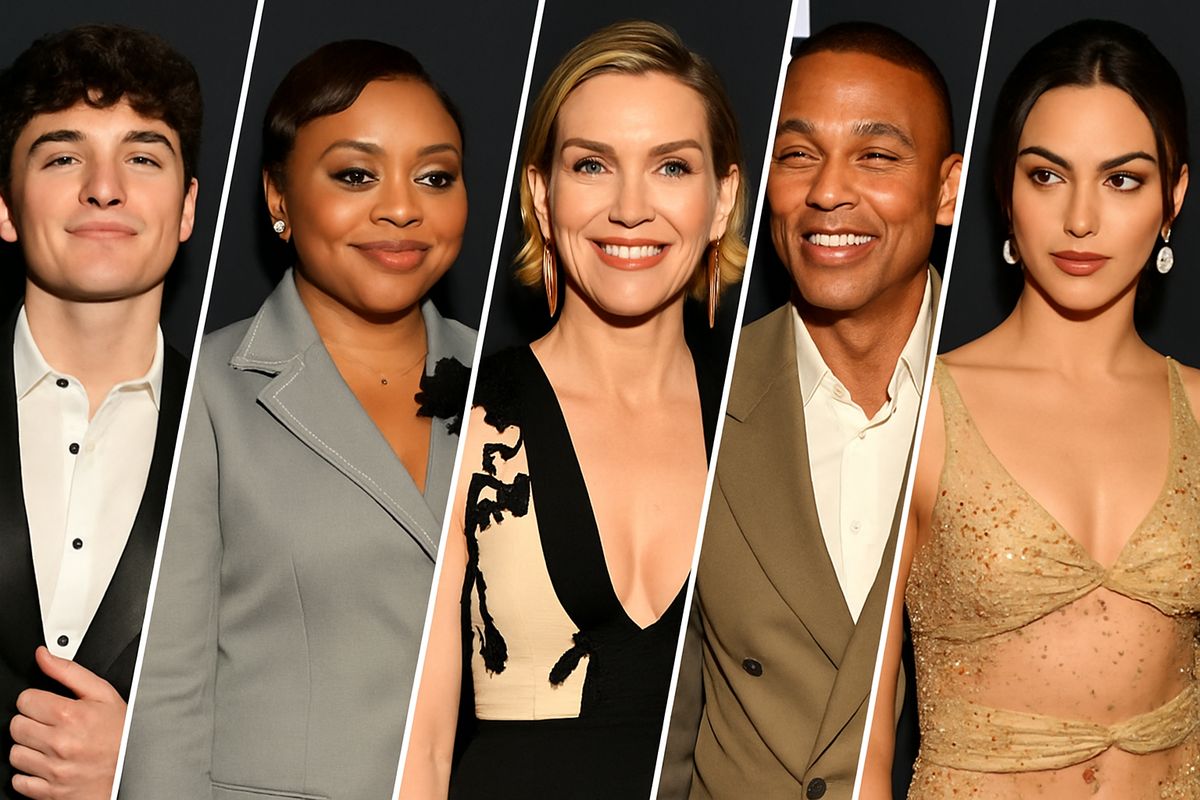
On March 5, 2026, the Beverly Hilton in Beverly Hills transformed into a vibrant hub of advocacy and celebration as the 37th annual GLAAD Media Awards commenced. The event, hosted by actor Jonathan Bennett, brought together a powerful cross-section of Hollywood talent, media figures, and LGBTQ+ advocates to honor the past year's most impactful representations of the LGBTQ+ community in media. The red carpet, captured by outlets like Deadline and Page Six, featured a constellation of stars including Cara Delevingne, Camila Mendes, Lili Reinhart, Rhea Seehorn, Quinta Brunson, and Don Lemon, setting the stage for an evening that was as much about fashion as it was about forward momentum in storytelling. This year's ceremony, which will be available to stream on Hulu starting March 21, 2026, featured a performance by Demi Lovato and recognized a slate of nominated films and series that reflect a maturing and diversifying landscape of queer narratives.
The 2026 GLAAD Media Awards serve as a critical annual barometer for the state of LGBTQ+ inclusion in entertainment and news media. Founded in 1990, GLAAD (formerly the Gay & Lesbian Alliance Against Defamation) created the awards to accelerate acceptance by recognizing and honoring media for fair, accurate, and inclusive representations of the LGBTQ+ community. The 37th iteration arrives at a complex cultural moment, where hard-won progress in representation coexists with ongoing political challenges. The star-studded guest list and the specific honorees chosen for this year's ceremony provide a rich text for analyzing where the movement stands and where it is headed.

Honorees and Nominees: Spotlighting Allyship and Queer Excellence
The 2026 awards placed a deliberate spotlight on both powerful allies and groundbreaking LGBTQ+ media professionals. The prestigious Vanguard Award, presented to individuals who have made a significant difference in promoting LGBTQ+ acceptance, was bestowed upon Quinta Brunson. Brunson, the creator and star of the critically acclaimed sitcom Abbott Elementary, was recognized for her work as an ally. While the source material does not detail specific actions, the Vanguard Award traditionally honors those who use their platform to advocate for equality and challenge prejudice, suggesting Brunson's influence extends beyond her celebrated comedy.
In parallel, the Stephen F. Kolzak Award, which honors LGBTQ+ media professionals who have raised visibility and promoted acceptance, was presented to the dynamic duo of Bowen Yang and Matt Rogers. Yang, a breakout star on Saturday Night Live, and Rogers, his co-host on the wildly popular podcast Las Culturistas, represent a new era of queer creators who wield influence across multiple platforms—network television, digital audio, and live performance. Their award underscores the evolving nature of "media" in GLAAD's purview, acknowledging that impact is no longer confined to traditional film and TV.
The nominated works further illustrate the breadth of current storytelling. Nominated films included Christy, The History of Sound, Kiss of the Spider Woman, On Swift Horses, and Twinless. In television, nominated series spanned genres, including Heated Rivalry, Pluribus, The Hunting Wives, Boots, and Overcompensating. This list, while not exhaustive in the source material, indicates a move beyond stories centered solely on coming out or trauma, suggesting a normalization of queer characters within wider narrative frameworks, from thrillers to period pieces to comedies.
A Red Carpet of Representation: Analyzing the Attendee List
The red carpet at the GLAAD Media Awards is never just a fashion parade; it is a statement of solidarity and identity. The 2026 arrivals, as documented, painted a picture of intersectional support. High-profile attendees like Cara Delevingne, Lili Reinhart, and Camila Mendes brought significant mainstream fanbases and media attention to the event, leveraging their platforms for visibility. Their presence signals that allyship and participation in LGBTQ+ advocacy are integral to a modern Hollywood profile.
The guest list also highlighted representation across the spectrum of the community itself. Trailblazing actress and advocate Laverne Cox was in attendance, a constant and powerful voice for transgender rights. The Boulet Brothers (Dracmorda and Swanthula), icons of the alternative drag and horror scene, represented the vibrant and often-underground queer art forms entering the mainstream. The attendance of U.S. Olympic gold medalist figure skater Amber Glenn bridged the worlds of sports and entertainment, highlighting LGBTQ+ excellence beyond Hollywood. Couples like Jessica Betts and Niecy Nash, and Jaymes Vaughan and host Jonathan Bennett, provided visible, joyful examples of queer love and partnership on the red carpet.
Furthermore, the presence of figures like former CNN anchor Don Lemon and comedian Tig Notaro points to the awards' recognition of advocacy across news media and stand-up comedy, respectively. Each attendee, from Better Call Saul's Rhea Seehorn to Stranger Things star Noah Schnapp, adds a thread to a larger tapestry of support, demonstrating that LGBTQ+ advocacy is woven into various facets of the entertainment industry.
Historical Context: From Protest to Black-Tie Celebration
To fully appreciate the 2026 ceremony, one must understand its origins. The first GLAAD Media Awards were held in 1990 in New York, a much smaller event designed to encourage and reward the scant positive portrayals of gay and lesbian people in media during the height of the AIDS crisis and amid widespread stigma. Early honorees included the film Longtime Companion and the TV show thirtysomething for a groundbreaking episode featuring a gay character. The awards were a strategic tool for activism, using recognition to incentivize better practices from networks and studios.
Over three and a half decades, the event has evolved in lockstep with the culture. It expanded to include categories for Spanish-language media, journalism, and digital content. It began honoring allies explicitly with awards like the Vanguard. The red carpet grew from a niche industry gathering to a major media event covered by global outlets. The 2026 ceremony, with its Hulu streaming deal and A-list attendees, is a testament to this journey from the margins to the center of cultural conversation. However, this shift also raises questions about assimilation versus activism, a tension inherent in any movement that achieves mainstream recognition.
The progression of nominees also tells a story. Contrast the early 90s, where a single gay storyline was award-worthy, with the 2026 slate featuring queer narratives across multiple genres. This reflects the "normalization" phase of representation, where LGBTQ+ characters are protagonists in stories not exclusively about their identity. Yet, the continued need for GLAAD's annual report on inclusion in film and TV indicates that this normalization is not yet complete or evenly distributed across all queer identities, particularly transgender and non-binary characters and characters of color.
Why It Matters
While mainstream coverage of the GLAAD Media Awards often focuses on celebrity fashion and star sightings, the deeper significance lies in its function as a strategic ecosystem for cultural change. The event is not merely a party; it is a powerful networking and lobbying engine. In the rooms of the Beverly Hilton, showrunners meet with activists, studio executives are celebrated for greenlighting inclusive projects, and journalists are honored for fair coverage. This creates a feedback loop where positive behavior is reinforced, and social capital is attached to allyship. The awards monetize and glamorize inclusivity, making it a desirable brand attribute for networks and production companies in a competitive market.
Furthermore, the 2026 awards highlight a critical, under-discussed pivot: the growing importance of ally infrastructure. Honoring Quinta Brunson with the Vanguard Award is a deliberate investment in cultivating and validating straight allies who have significant cultural influence. In an era where backlash can lead to corporate timidity, empowering allies with recognition and a platform within the LGBTQ+ movement itself is a savvy defense mechanism. It builds a broader coalition that can advocate from within traditionally straight-dominated spaces in Hollywood and beyond.
Finally, the specific choice of Bowen Yang and Matt Rogers for the Kolzak Award points to the decentralization of queer cultural authority. Their primary platform, the podcast Las Culturistas, operates outside traditional studio and network systems. By honoring them, GLAAD acknowledges that the most vibrant, authentic, and influential queer discourse often happens in digital and independent spaces. This signals to the industry that true representation isn't just about casting a queer character in a network show; it's about ceding creative control and narrative authority to queer voices themselves, wherever they choose to build their audience.
What to Watch For Next: The Horizon of LGBTQ+ Media
The 2026 GLAAD Media Awards offer clear indicators for trends to monitor in the coming years. First, observe the trajectory of the nominated projects. Will films like The History of Sound or series like Heated Rivalry achieve critical or commercial success? Their performance will signal to studios the viability of nuanced queer stories. Second, watch the honorees' next career moves. How will Quinta Brunson incorporate her Vanguard recognition into her future work? What projects will Yang and Rogers develop next? Their subsequent choices will test the real-world impact of the awards' validation.
Another key area is the evolution of award categories themselves. As media fragments, will GLAAD place greater emphasis on digital-native content, video games, or international streaming productions? The inclusion of podcasters like Yang and Rogers is a step in this direction. Additionally, in the face of ongoing legislative challenges targeting the transgender community, scrutiny will intensify on the volume and quality of trans narratives honored. The presence of Laverne Cox and Amber Glenn is positive, but the true test lies in the nominated scripts and characters.
Ultimately, the long-term question is one of necessity. The ultimate goal of GLAAD's activism is to render its own awards obsolete—to create a media landscape so consistently inclusive and equitable that a special award for fair representation is no longer needed. The 2026 ceremony, in all its glamour and purpose, shows how far we've come from 1990. Yet, the very fact that it remains a major, necessary event underscores how much work remains. The red carpet is both a celebration of progress and a reminder that the march toward authentic, ubiquitous representation continues.