Heatwave Hits Europe: Temperatures Soar Past 40 Degrees Celsius
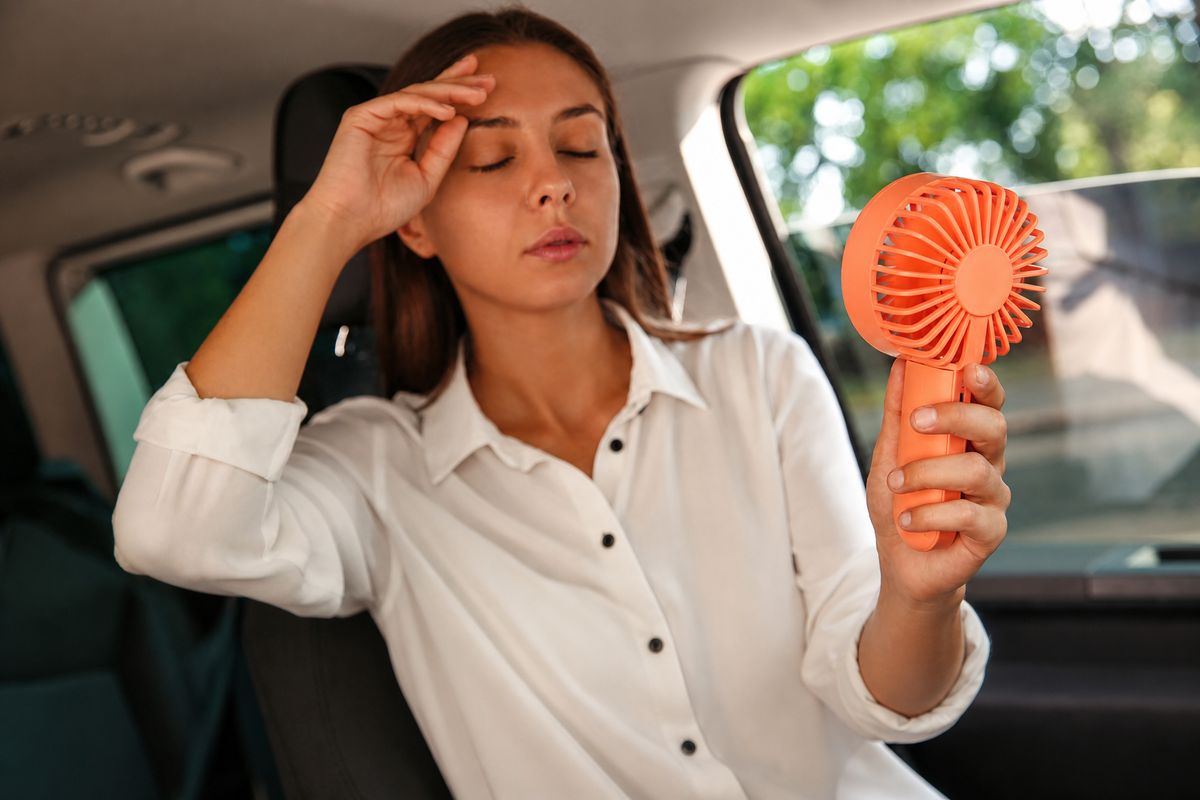
Europe is in the grip of a ferocious heatwave. Germany has recorded exceptional temperatures over 40 degrees Celsius in recent days - unusually high for June. Meanwhile, the Federal Hydrometeorological Institute of Bosnia and Herzegovina has issued an orange warning for daily temperatures reaching up to 40 degrees Celsius from June 27 to 30. This isn't just uncomfortable. It's dangerous. And if you're behind the wheel, the risks multiply fast.
The warnings are clear. In Bosnia, the orange alert covers the entire territory from 11 a.m. to 5 p.m., when the sun is at its most brutal. The World Meteorological Organization (WMO) advises that such high temperatures pose serious health risks, especially for the elderly and the very young. But what about drivers? That's where the Automobile Club of Germany (AvD) steps in with some practical, life-saving advice.
This isn't a drill. In Germany, the mercury has smashed June records. Cars parked in direct sunlight become ovens - literally. Even at outside temperatures above 20 degrees Celsius, a parked vehicle can heat up to 46 degrees within minutes. With the sun blazing at 40 degrees, those numbers go through the roof. Steering wheels, seatbelt buckles and child seats can hit over 70 degrees Celsius. That's hot enough to cause burns in seconds.

The Hidden Danger: Your Car Becomes a Kiln
Here's the thing most people don't realise: a car's interior heats up far faster and far more than the air outside. It's a greenhouse effect on steroids. The glass lets sunlight in, but the heat can't escape. So while you might think leaving the window slightly open helps, the AvD says it hardly makes a difference. The temperature still skyrockets.
This is why you should never, under any circumstances, leave children or pets alone in a parked car during a heatwave. The AvD is categorical: children and animals must never be left unattended. If you spot a child or animal trapped in an overheated vehicle, call emergency services immediately. Every minute counts when the interior is approaching 50 degrees or more.
And it's not just living things. Medications, mobile phones, power banks, spray cans - all of these can be ruined or become hazardous in extreme heat. A can of deodorant left on the dashboard can explode. A phone battery can swell or catch fire. So take them with you, or at least keep them in a cool bag in the boot.
How to Keep Your Car Cool Before You Drive
The AvD has a simple mantra: start before you start. The best way to reduce the heat inside your car is to park smart. Shade is your best friend. But here's the trick - consider the position of the sun throughout the day. A spot that's shaded at 10 a.m. might be in full sun by 2 p.m. Plan ahead.
If you really want to beat the heat, invest in exterior sun protection mats or half-garages. The AvD notes these are far more effective than the flimsy interior sunshades you can buy at a petrol station. They block direct sunlight before it hits the glass, meaning your dashboard and seats stay cooler.
Before you even think about turning on the air conditioning, do this: open all doors or opposite windows for one to two minutes. Let that superheated air escape. Only then should you switch on the air conditioning - first on recirculation mode to cool the cabin quickly, then switch to fresh air. And here's a counterintuitive tip: don't set the cooling to maximum. A blast of arctic air when you're sweating can shock your circulatory system. The ideal interior temperature is between 22 and 25 degrees Celsius. Also, don't direct the cold air straight at your body - it increases the risk of catching a cold, yes, but more importantly, it can cause muscle cramps and distract you.
Staying Hydrated and Focused Behind the Wheel
Extreme heat messes with your body, even if you feel fine. Dehydration sets in quietly. The AvD points out that even mild dehydration impairs concentration and reaction time. That's a recipe for disaster on the road. Water or unsweetened tea are your best bets. Drink regularly - don't wait until you're thirsty.
But here's a practical problem: reaching for a drink while driving. At 100 km/h, taking your eyes off the road for just one second means you travel almost 30 metres blind. So keep your water bottle within easy reach - ideally in a cup holder. Better yet, ask a passenger to hand it to you. Or simply pull over for a quick break. Frequent stops for water are a smart idea in extreme temperatures.
And speaking of breaks: plan your journey for the cooler parts of the day. Early morning or late evening driving is not only more comfortable - it's safer. Your circulatory system will thank you, and so will every other road user.
What This Means For You: Actionable Takeaways for Driving in 40°C Heat
This isn't a theoretical discussion. If you're in Germany, Bosnia, or anywhere else where temperatures hit 40 degrees Celsius, these tips could genuinely save you from a health emergency or an accident. Let's cut through the noise and get practical.
First, prepare your car before you step in. Park in shade, use external sun shades, and always vent the car before turning on the AC. That two-minute window opening routine is non-negotiable. Second, protect vulnerable passengers. Never leave anyone - child, pet, elderly relative - alone in the car, even for a quick errand. The heat builds faster than you think. Third, drive differently. Hydrate before you feel thirsty. Keep fluids within arm's reach. Take breaks every hour or so. If you feel dizzy, tired, or irritable, that's the heat talking - pull over and cool down. Fourth, be a good Samaritan. If you see a child or animal locked in a hot car, don't hesitate. Call emergency services. You could save a life.
The AvD's recommendations aren't just nice-to-knows. They're based on real physics and human physiology. A steering wheel at 70 degrees Celsius can cause burns. A interior at 50 degrees can kill in 30 minutes. And with heatwaves becoming more frequent and intense across Europe, this isn't a one-off. It's the new normal. So adjust your habits accordingly.
Broader Implications: Heatwaves and Public Health
The orange warning in Bosnia highlights something crucial: extreme heat is a public health issue, not just a comfort issue. The WMO's advice to listen to authorities and check on vulnerable people applies to all of us. When temperatures push past 40 degrees Celsius, infrastructure suffers too - roads can buckle, trains slow down, power grids strain. It's not just about cars.
But for drivers, the stakes are uniquely high. You're controlling a heavy machine in conditions that can impair your judgement, reduce your visibility (glare), and make your vehicle less reliable (think tyre blowouts on hot asphalt). The AvD's tips are a solid foundation, but the smartest thing you can do is simply avoid driving during the peak heat hours if possible. That orange warning is for 11 a.m. to 5 p.m. for a reason.
And let's be honest - air conditioning is a lifesaver, but it's also a strain on your car's engine and your body's temperature regulation. The AvD advises against setting it to max, but you also need to be aware that some modern cars automatically recirculate air to cool faster, which can reduce oxygen levels over time. Crack a window occasionally if you feel drowsy.
Extreme heat is a test. It tests your car, your body, and your common sense. Pass that test by planning ahead, staying hydrated, and never underestimating how quickly a parked car can turn into a death trap. The 40 degrees Celsius mark is a red line. Don't cross it with ignorance.