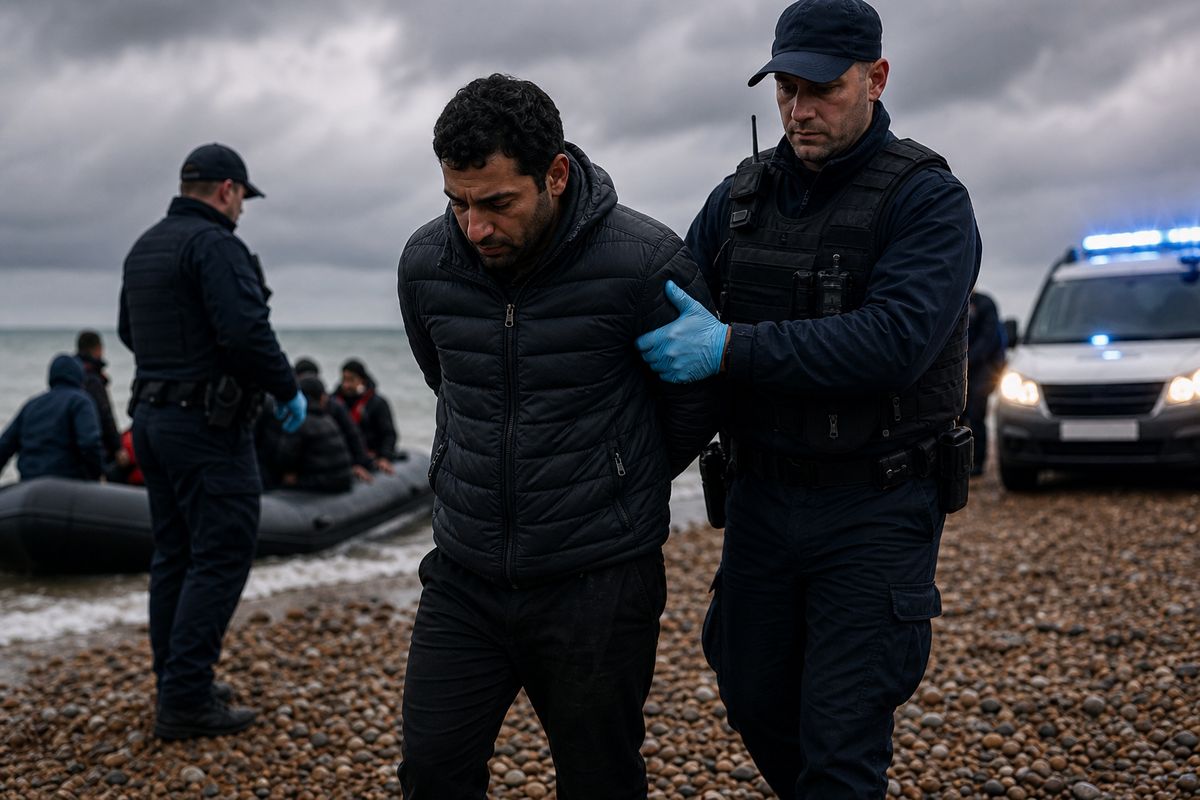
The Latest Incident: Asylum Seeker Detained and Manslaughter Arrest
In a stark reminder of the ongoing Channel crisis, UK authorities have detained an asylum seeker following a small boat crossing. Separately, a manslaughter arrest has been made after a death during a similar crossing. While the specifics of each case remain scant, the two incidents highlight the high stakes and tragic consequences of the surge in irregular migration across the English Channel.
The BBC and other outlets reported the detentions and arrest but provided limited detail. The asylum seeker is believed to have been intercepted after arriving on a small boat, a method now synonymous with the UK's immigration challenge. The manslaughter arrest, coming after a death on another crossing, underscores the lethal risks of these voyages. Smugglers often overload flimsy dinghies, and deaths from drowning or hypothermia are not uncommon. Each incident adds to the mounting pressure on the Home Office to manage the crisis effectively.

Small Boat Crossings: A Persistent Crisis
The number of people crossing the Channel in small boats has been a flashpoint in British politics for years. In 2023, over 29,000 people made the journey, a slight decrease from the record 45,000 in 2022, but still far above pre-2020 levels. The crossings resumed in earnest in 2018 when the first groups arrived, and they have since become a daily occurrence during good weather.
The dangers are well documented. BBC reporting has chronicled numerous tragedies, including families losing children to the cold waters. The UK Border Force, along with French authorities, conducts rescues and interceptions. Yet the smuggling networks adapt quickly, using larger and more seaworthy vessels. The manslaughter arrest indicates that authorities are now pursuing criminal charges against those responsible for organising deadly crossings, a significant escalation in enforcement tactics.
Historically, the UK saw far fewer irregular arrivals by sea. The shift from lorry-based clandestine entry to small boats was driven by tighter security at ports like Calais and Dover. Smugglers realised that launching directly from French beaches was harder to police. This evolution has created a humanitarian and political challenge that successive governments have struggled to solve.
The Legal and Political Response
The UK government has pursued a multi-pronged strategy to deter crossings. The Illegal Migration Act 2023 is a key piece of legislation, designed to make it a legal duty to remove anyone arriving illegally to either Rwanda or another safe third country. The Act also limits asylum claims for those arriving via irregular routes. Detention is widely used, as seen with this latest asylum seeker, pending removal or processing.
The Rwanda asylum partnership, though still mired in legal challenges, remains a central plank of the policy. The Supreme Court ruled the plan unlawful in November 2023 due to risks of refoulement, but the government passed a new treaty and emergency legislation to address those concerns. The manslaughter arrest fits into a separate track: pursuing criminal justice against smugglers. The National Crime Agency has made numerous arrests, but a manslaughter charge is relatively rare and signals a more aggressive approach.
Critics argue that the focus on deterrence ignores the underlying drivers of migration: war, persecution, climate change, and poverty. Human rights groups say detention of asylum seekers is inhumane and that the Rwanda plan is unworkable. The Labour opposition, currently leading in polls, has indicated it would scrap the Rwanda plan and instead invest in a cross-border crime taskforce to smash smuggling gangs. The manslaughter arrest could be seen as a step in that direction regardless of which party is in power.
Analysis: What These Arrests Signal for Enforcement and Asylum Policy
The dual incidents of an asylum seeker detained and a manslaughter arrest reveal a disjointed but intensifying response. On one hand, the system treats the asylum seeker as a potential removal subject. On the other, it treats the death as a crime scene. This reflects the government's framing: that people are both victims of smugglers and, by crossing irregularly, violators of immigration law. The tension between humanitarian protection and border control has never been sharper.
The manslaughter charge is particularly noteworthy. Historically, prosecutions of Channel smugglers have been for facilitating illegal immigration or endangering life, but not manslaughter. A conviction could carry a life sentence. This sends a message that smuggling operations will face severe consequences if they result in death. It also raises the bar for proof: prosecutors must show that the organiser's actions caused the death, which may be difficult given the chaotic nature of crossings.
The detention of the asylum seeker, meanwhile, is routine. Thousands of people are held in immigration detention centres such as Dover Immigration Removal Centre or Brook House. Legal experts note that detention without time limits under the Illegal Migration Act has been criticised by the UNHCR and domestic charities. The asylum seeker in question will likely have their claim processed under the new rules, meaning they are unlikely to be granted refuge in the UK unless they can prove their claim under extremely narrow exceptions.
Together, these incidents illustrate a system under strain. The Home Office reports that it costs over £6 million per day to manage the asylum backlog and hotel accommodation. The number of people waiting for a decision has soared past 130,000. Each new arrival, whether detained or prosecuted, adds to the bureaucratic and financial burden. The government insists its plan will act as a deterrent, but so far crossings have not stopped, and tragedies continue.
What This Means For You
For the average reader, these incidents may seem distant, but they have practical implications. If you live in a coastal community like Dover, Folkestone, or other Kent towns, you may already see the impact: pressure on local services, increased police activity, and occasional protests. The government's policy of housing asylum seekers in hotels has stirred local tensions. Understanding the legal backdrop helps navigate these conversations.
If you are concerned about immigration policy, this is a moment to engage. The manslaughter arrest shows that the legal system is willing to treat smuggler-caused deaths as homicide. This could reshape how smuggling networks operate. However, it also risks criminalising actions of vulnerable people if not carefully applied. Voters should watch how the courts handle these cases and whether the government adjusts its deterrent strategy to include more humane processing as Labour has proposed.
For anyone considering making a Channel crossing, the message is clear: the journey is lethal, and if you survive, you face detention and likely removal. The UK is not a safe haven in the way it once was. Reliable information can be found via the UK Visas and Immigration website. The best advice remains to seek legal pathways, such as the refugee family reunion scheme or work visas. The small boat route offers no guarantees and carries the risk of death or lifelong legal limbo.
Looking Ahead: The Unresolved Challenge
The Channel crisis is far from resolved. The detention of an asylum seeker and the manslaughter arrest are just two data points in a much larger picture. The summer months will likely bring an increase in attempts, as calmer seas make crossings easier. The government's Rwanda plan faces another judicial review. The Labour party, if elected, promises a different approach but has not yet detailed how it will process asylum claims faster or work with France to dismantle smuggling networks.
Ultimately, the plight of those crossing is a reflection of a broken global asylum system. No single nation can solve it alone. The manslaughter arrest is a step toward accountability, but without viable legal routes, people will continue to take catastrophic risks. The detention of asylum seekers may deter some, but it also creates a permanent population of the disenfranchised. The challenge for politicians and voters alike is to find a balance between humanity and control. The small boats will keep coming until that balance is found.