
Best broadband providers 2026: why fibre is dominating the rankings
If you are shopping for the best broadband providers, 2026 is the year fibre became the default choice rather than a luxury upgrade. A new CNET survey found that 42% of US adults have experienced inconsistent internet speeds and connectivity, while the Fiber Broadband Association (FBA) reports that fibre to the home connections have reached more than 84.6 million US homes, or 60.5% of the market. In Canada, fibre coverage is even higher at 75%, and the US is projected to reach 90% by 2030.
Both CNET and PCMag have now published their 2026 rankings, and the results are strikingly similar: fibre providers have swept the top spots. CNET named AT&T Fiber the best fibre internet provider overall, citing its 16 million potential customers across 22 states, competitive pricing and high customer satisfaction scores. PCMag's Readers' Choice survey, meanwhile, handed the overall crown to NextLight, a municipal ISP in Longmont, Colorado, which outperformed all national competitors.
That mix of national scale and local success tells a bigger story about where broadband is heading in 2026 and beyond. It also explains why the gap between the best and worst broadband providers is widening, with fibre on one side and legacy connections on the other.
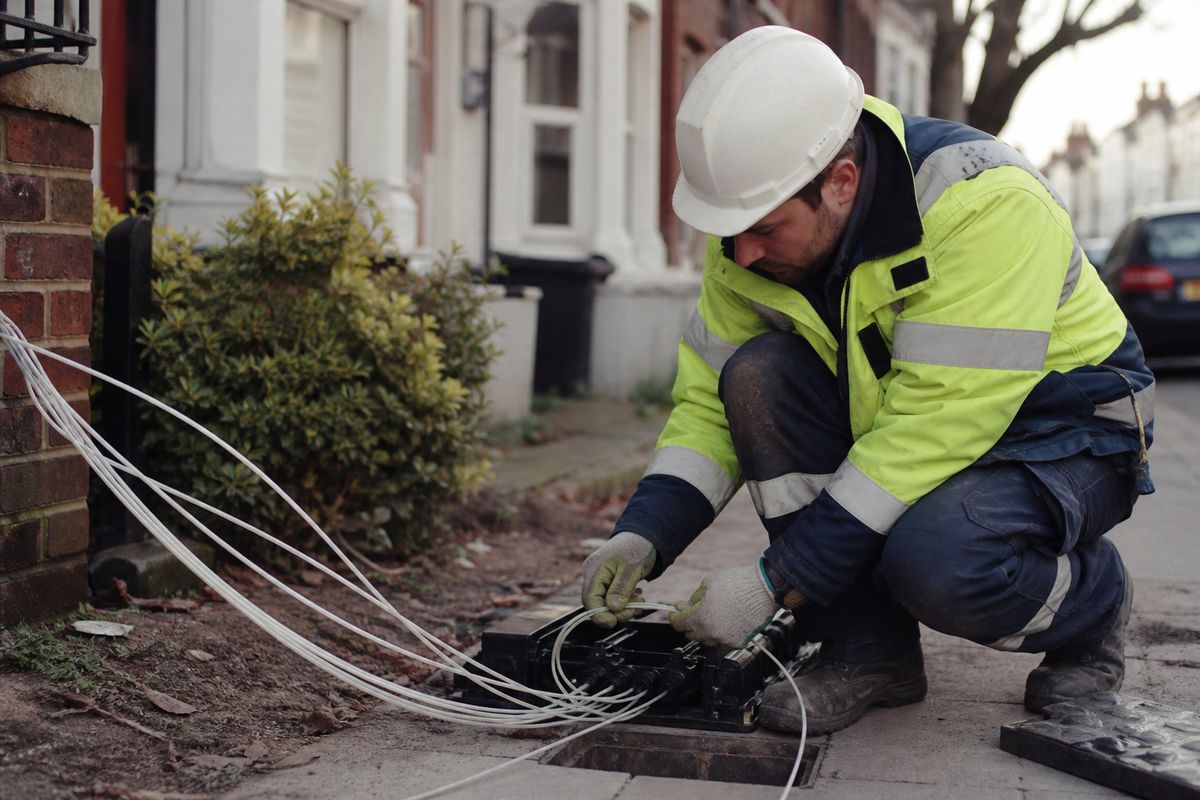

Who tops the best broadband providers 2026 list?
CNET's pick: AT&T Fiber
CNET's top recommendation is AT&T Fiber, and the reasoning is straightforward. AT&T has the greatest availability of any fibre provider in the country, extending service to more than 16 million potential customers across 22 states. Compared with other big-name providers, AT&T is among the cheapest when you look at cost per megabit per second, and there are no hidden fees. The company consistently gets top marks in customer satisfaction surveys, likely due to its variety of plans, competitive pricing and customer-friendly service terms. CNET notes that AT&T's fixed wireless plans are less impressive, but if you can get the fibre service, it is a crowd-pleaser.
PCMag readers choose NextLight
PCMag's 2026 Readers' Choice survey tells a different but equally revealing story. NextLight, the municipal broadband provider in Longmont, Colorado, came out ahead in satisfaction, beating GFiber (last year's highest-rated ISP) and every other provider. NextLight's scores never dipped below 9.6 out of 10 in any category, with an unprecedented 9.9 for likelihood to recommend. One reader who has been online since the 1200 baud dial-up days described it as the best ISP experience they have ever had, noting they never had to use customer service. Another reader said all cities should copy NextLight's business model, calling Longmont's decision to fund its own internet provider one of the smartest things they had ever seen a city vote for.
Other fibre providers worth knowing
The wider field is packed with strong options. T-Mobile Fiber, rolling out after a string of acquisitions, already offers fibre in more than 175 cities with a five-year price guarantee on all plans. Frontier Fiber recently expanded to 19 states and launched a new multi-gig service, while Verizon Fios remains a reliable choice with strong speed, pricing and service terms. Quantum Fiber now serves as AT&T's primary residential fibre arm across 11 states. GFiber is the best pick for gig and multi-gig plans, with symmetrical speeds, no contract, no equipment fees and unlimited data. Ziply Fiber has rolled out a 50-gig plan across its entire Northwest footprint in Idaho, Montana, Oregon and Washington, making it the fastest ISP nationwide. Kinetic, formerly Windstream, stands out as one of the best rural fibre providers.
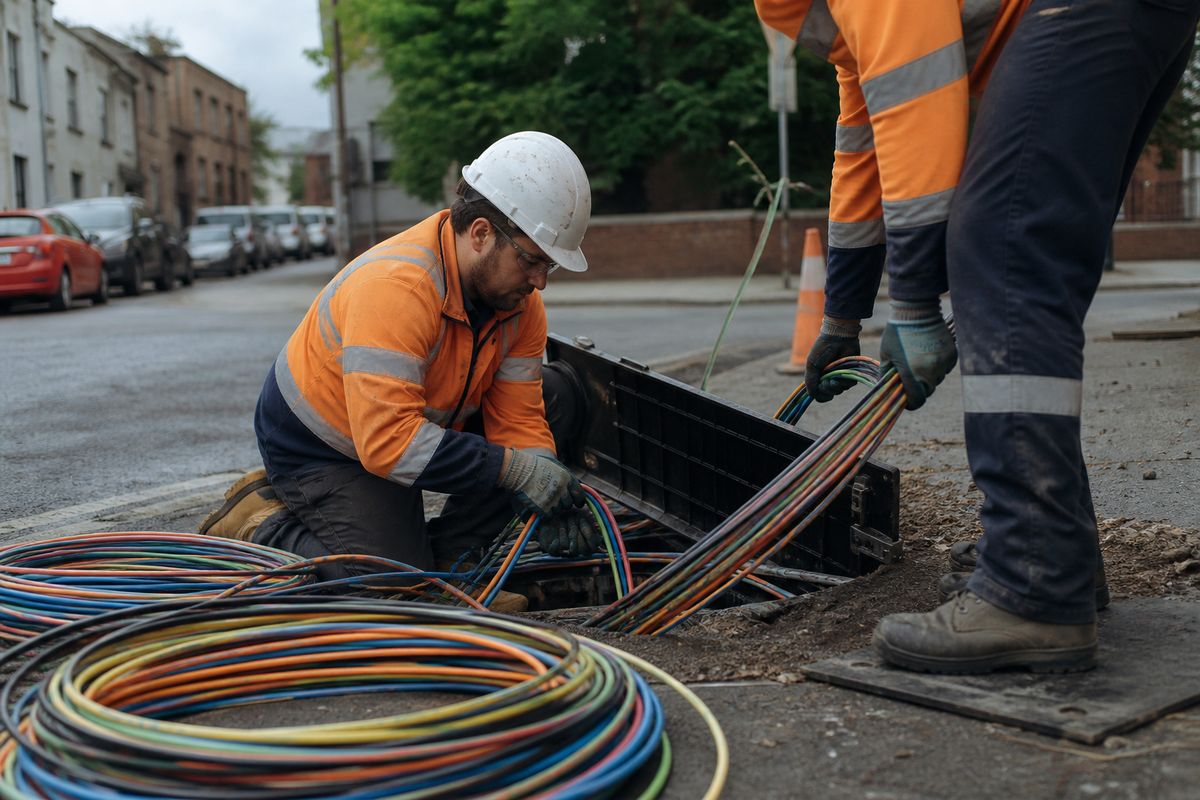
The state of fibre internet in 2026: coverage, competition and overbuilding
Behind these rankings is a market undergoing rapid change. According to the latest FCC data cited by CNET, approximately 52% of the US population has access to a fibre connection. The FBA reports that 60.5% of US homes are actually connected, with Canada further ahead at 75%. The direction of travel is clear: last year was a record-setter for fibre expansion, and the US could hit 90% coverage by 2030.
Competition is also intensifying. The FBA notes that when a second fibre provider enters a market, 61% of customers switch if the new option is faster or cheaper. That has encouraged overbuilding, where providers deploy fibre lines in areas where the technology already exists. T-Mobile, which has been dominant in 5G home internet, has pivoted hard into fibre by acquiring providers including GoNetSpeed, GreenLight, Lumos and Metronet. Smaller players like Ezee and Ziply are also expanding to challenge incumbents.
Yet overbuilding remains a gamble. An incumbent can respond by lowering prices, and many fibre operators still prefer to buy out a competitor or get bought themselves rather than build in the same territory. That explains why the market is consolidating even as it expands. PCMag's survey shows the positive side of all this: 51.9% of US respondents now report home broadband speeds of 1Gbps or higher, up from just 34.1% last year. At the other end, respondents with sub-broadband speeds of 100Mbps or less dropped from 11.9% to 8.7%.
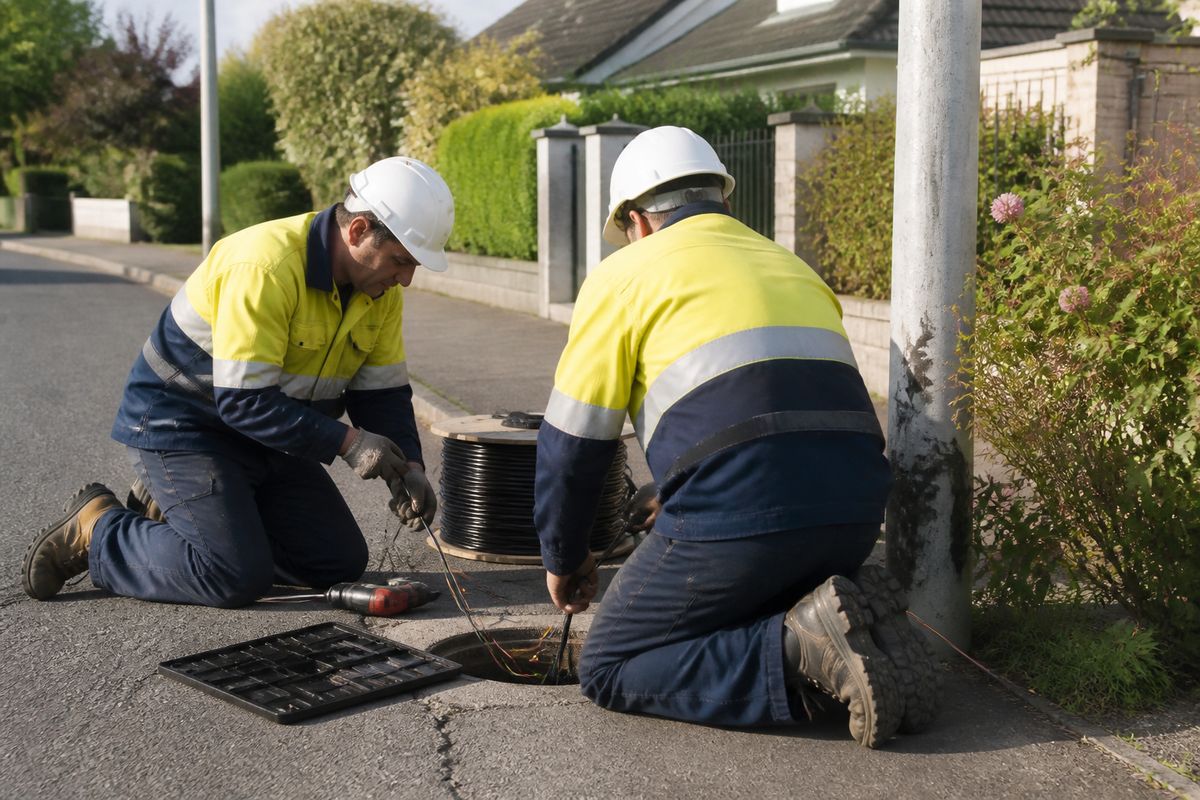
Why It Matters: what the best broadband providers 2026 tell us about the wider market
The 2026 rankings send a clear signal about what consumers actually value: speed, reliability and straightforward pricing. Fibre providers dominate because they offer all three, and they do so without the annual price hikes that have made cable providers so unpopular. Fixed wireless and satellite services, led by Starlink with Amazon Leo on the way, continue to serve rural customers who cannot get wired connections. But as JD Power's Carl Lepper puts it, "If you have fibre to the home, there's really nothing better for connection quality that I've seen."
The rise of municipal providers like NextLight is the most interesting development of all. Longmont voted to fund its own internet provider, and that decision now looks smarter than ever. NextLight charges original customers $50 a month for gig service for life, a business model that few commercial ISPs would ever copy. The fact that a municipal network beats every national provider on satisfaction is not an accident. It shows that local accountability and transparent pricing matter as much as raw speed, and that better broadband is a policy choice, not just a technology one.
For the wider industry, the message is that fibre is now the competitive baseline. Providers that cannot offer it will increasingly be seen as second tier, and those that can will need to pay attention to customer service and pricing, because consumers now have more options than ever and are willing to switch. The 61% switching rate when a faster, cheaper fibre option appears should worry every incumbent.
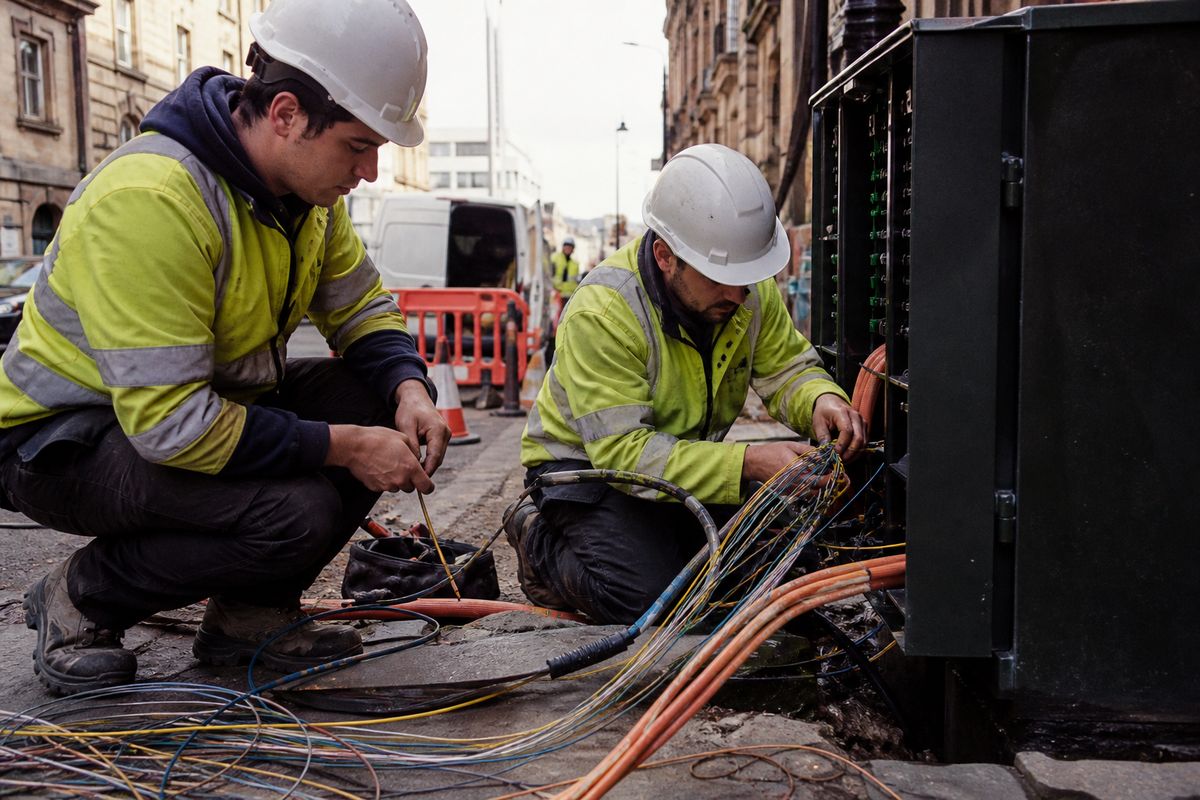
How to choose the best broadband provider for your home in 2026
If you are trying to pick the best broadband provider for your address, the first step is to check what is actually available to you. Fibre is not universal, so many people will have to choose between cable, fixed wireless or satellite. The FCC data shows about half of the US population can access fibre, but that figure is much higher in urban and suburban areas.
Once you know your options, compare prices per megabit, not just monthly totals. CNET notes that AT&T is among the cheapest when you consider cost per Mbps, and that there are no hidden fees. Look for providers that include equipment in the monthly price, offer unlimited data and avoid contracts. GFiber is a good example of straightforward terms, with symmetrical speeds, no contract and no equipment fees. T-Mobile Fiber's five-year price guarantee also deserves attention, as does its additional discount for T-Mobile cellphone customers.
Rural customers should take a different approach. Kinetic, formerly Windstream, is specifically recommended as a top rural fibre provider, and fixed wireless over 5G remains a solid fallback for those who cannot get wired connections. In Canada, the big three mobile providers use 5G mainly as a last resort for those without fibre access.
Closing thoughts: the broadband market is changing fast
The best broadband providers of 2026 are not just the ones with the fastest speeds; they are the ones that combine speed, reliability and honest pricing. Whether you choose a national player like AT&T Fiber, a challenger like GFiber or a municipal network like NextLight, the underlying trend is the same: fibre has won, and consumers are the beneficiaries.
That said, the market still has a long way to go. Tens of millions of American and Canadian homes still lack fibre access, and the worst broadband experiences tend to happen in areas with no real competition. The continued expansion of fibre, supported by overbuilding, municipal networks and new satellite services, is the most promising route to closing that gap. For now, the lesson from the 2026 rankings is simple: if you can get fibre, it is almost always the right choice.