The Starting Grid: Cadillac's Historic Formula 1 Debut
On March 6, 2026, a new chapter in American motorsport history began as the Cadillac Formula 1 Team took to the track for the season-opening Grand Prix in Melbourne, Australia. This marked the first time in a decade that a new manufacturer had joined the pinnacle of global motorsport, a multi-billion dollar series long dominated by European powerhouses like Mercedes, Ferrari, and McLaren. The debut was the culmination of a years-long effort, with the final agreement to join the grid only secured in March 2025, giving the team a mere twelve months to design, build, and test a car capable of competing at the highest level.
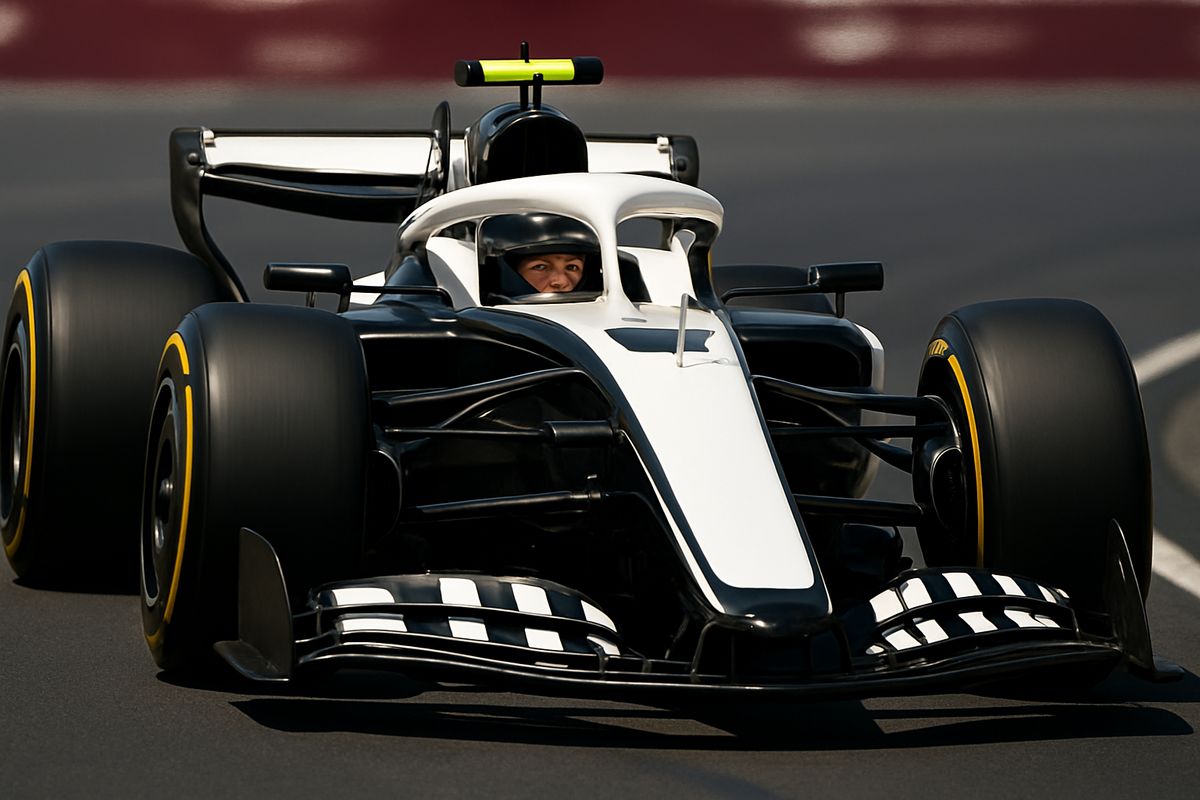
The team's arrival was heralded by a high-profile Super Bowl commercial that revealed the car's striking black-and-white livery. The ad was set to the iconic words of President John F. Kennedy's 1962 "Moon Speech," framing Cadillac's mission in F1 as a monumental challenge undertaken "not because they are easy, but because they are hard." This ambitious branding positioned Cadillac not just as another competitor, but as "America's team," aiming to capture the imagination of a rapidly growing U.S. fanbase. The debut weekend, described by team principal Graeme Lowdon as "hectic," was a baptism by fire, placing the new American outfit directly against institutions with decades of experience.

Building a Contender from Scratch: The Immense Challenge
The logistical and technical hurdles faced by Cadillac were staggering. As CEO Dan Towriss explained, the team had to essentially build itself before it even had a guaranteed entry. "This project is so complex," Towriss noted, walking through the team's new facility in the UK. "There are some 43,000 parts… you're designing your own chassis… It's a big, big task." The team's initial car, the MAC-26, is a testament to this global effort: the chassis was built in the UK, while the power unit is supplied by the legendary Italian manufacturer Ferrari. This hybrid approach was a necessary shortcut to get on the grid, but it underscores the team's current status as an assembler rather than a full constructor.
Pre-season testing in Bahrain offered a first real glimpse of the team's potential. Towriss expressed confidence, stating that the team earned respect from rivals because they "didn't look like a new team." However, the stopwatch told a more sobering story. Testing times indicated that Cadillac is expected to be one of the slowest teams on the grid in its inaugural season. Towriss was candid about the long road ahead, admitting it would likely be a while before the team contends for a victory. "We certainly hope before the end of the decade," he said regarding a first win, emphasizing a philosophy of hard work over bold predictions. This reality—starting at the back—presents a unique marketing challenge for a team branding itself as a national standard-bearer.
The American Identity in a Global Sport
Cadillac's "America's team" moniker is a powerful narrative, but its initial composition reveals the inherently international nature of modern Formula 1. The 2026 driver lineup features Sergio 'Checo' Pérez of Mexico and Valtteri Bottas of Finland—neither American. The team principal, Graeme Lowdon, is British, and the initial operational hub is in the United Kingdom. For now, the American identity is more aspirational and corporate than operational.
However, a significant shift is already underway to ground the team's identity in American soil. As highlighted by Megan Schuster, host of The Ringer F1 Show, Cadillac is constructing a major factory complex outside Indianapolis, Indiana, which will eventually become the home for building its F1 chassis. Furthermore, parent company General Motors is building a separate factory outside Charlotte, North Carolina, dedicated to producing Formula 1 power units. This represents a strategic long-term vision to repatriate expertise, jobs, and innovation. "That's jobs, that's opportunity, that's innovation and know-how," said Towriss. "This really is an opportunity for us to bring Formula 1 to the U.S. in a way that really hasn't been done before."
Fan Reactions: Pride and Patience
The debut has resonated with American fans, both old and new. For longtime motorsport enthusiasts like Mikey Leighton, a student in Ann Arbor, Michigan, Cadillac's entry is a point of deep pride, especially connected to Detroit's automotive heritage. "There's some serious sense of pride around here when you can see these manufacturers going and racing on a world stage," Leighton said. For newer fans like Eric Rodriguez from Las Vegas, who was drawn to the sport by its new race in his hometown, the appeal is simpler: "It's an American team, you know, gotta wave the flag." This blend of historical significance and new-era fandom creates a unique foundation of support, but one that demands results to be sustained.
Historical Context and the U.S. F1 Landscape
Cadillac's entry must be viewed within the fraught history of American involvement in Formula 1. While the U.S. has produced legendary drivers like Mario Andretti and teams like Haas F1 Team (which uses a Ferrari chassis and engines), a truly competitive, factory-backed American effort has been absent for decades. The Haas team, while flying an American flag, operates primarily from the UK and has often struggled at the back of the midfield. Cadillac, backed by the colossal resources of General Motors, represents the most serious and well-funded attempt by an American automotive giant to conquer F1 since Ford's involvement with Jaguar and Cosworth in earlier eras.
This push coincides with Formula 1's explosive growth in the United States. The sport now hosts three Grands Prix (Miami, Austin, and Las Vegas), its viewership on ESPN has shattered records, and its cultural footprint has expanded dramatically through platforms like Netflix's Drive to Survive. Cadillac is strategically positioning itself to ride this wave and, more importantly, to anchor it. Their entry is both a cause and a consequence of F1's American boom, aiming to convert casual new fans into loyal supporters of a domestic contender.
Why It Matters
Beyond the headlines about a new team on the grid, Cadillac's debut signifies a pivotal shift in the geopolitical and economic landscape of Formula 1. For decades, F1 has been a European fortress, with its technological heart in England's "Motorsport Valley" and its commercial and spiritual centers in continental Europe. Cadillac's entry, backed by GM, represents the first major, direct incursion by a Detroit "Big Three" automaker into this sanctum. This isn't just about racing; it's about American industrial might and technological ambition challenging a European-dominated high-tech arena on its own terms. The long-term plan to move chassis production to Indianapolis and engine manufacturing to Charlotte is a deliberate strategy to create a parallel F1 technology hub in the American Midwest and South, potentially redistributing the sport's center of gravity.
Furthermore, Cadillac's journey highlights a critical, often overlooked tension in modern F1: the conflict between globalized efficiency and national identity. To be competitive from day one, Cadillac had to source a Ferrari engine and base its operations in the UK, leveraging existing expertise. Yet, its entire brand proposition is built on being "America's team." This duality reflects a broader trend where corporations must operate globally but market locally. The success of this model will be closely watched by other global manufacturers and could redefine what it means to be a "national" team in an utterly international sport. For fans and industry observers, the key lesson is to look beyond the driver lineup and liveries; the real story is the quiet construction of factories in Indiana and North Carolina, which may ultimately have a more profound impact on F1's ecosystem than any single race result.
The Road Ahead: What to Watch For
The immediate future for Cadillac in Formula 1 is one of development and patience. Observers should monitor not just race finishes, but the team's rate of improvement relative to established midfield teams like Alpine or Aston Martin. Key technical milestones will include the transition from a customer Ferrari power unit to their own GM-developed engine, slated to come from the new North Carolina facility. This shift, likely a few seasons away, will be the true test of GM's engineering prowess and will determine if Cadillac can become a genuine works team.
Another critical storyline is the driver market. The current lineup of Pérez and Bottas provides experience, but the "America's team" narrative will inevitably create intense pressure to sign an American driver. The development of young American talent in feeder series will now be scrutinized like never before, as Cadillac will seek a homegrown star to complete its identity. Finally, the fan engagement strategy will be crucial. Can Cadillac maintain and grow its supporter base through likely difficult early seasons? Their ability to tell a compelling story of growth and long-term ambition, rather than just short-term results, will determine if they become a beloved institution or just another corporate racing project.