A Queer Sci-Fi Story Born from the Chaos of Chatroulette
It's a premise that feels almost too perfect for our hyper-connected, socially fragmented era. A queer sci-fi film, Chatlines, has landed a UK cinema release with Peccadillo Pictures, and its core inspiration is as 21st-century as it gets: the gloriously unpredictable, often weird, and sometimes intimate world of Chatroulette. For those who remember the platform's heyday around 2010, the name alone conjures a specific kind of digital anxiety and excitement. Random strangers, a webcam, and a click of the 'next' button. Now, a film is turning that chaotic human experiment into storytelling gold.
The announcement, covered by both Attitude and Deadline (though full details remain under wraps), signals that this is more than just a niche curiosity. It arrives via Peccadillo Pictures, a UK distributor with a long and storied history of championing LGBTQ+ cinema. That pedigree alone suggests Chatlines is aiming for something thoughtful, not just a gimmick. But what exactly is this film, and why does a Chatroulette-inspired queer sci-fi movie matter right now?

From Random Webcam Encounters to Cinematic Narrative
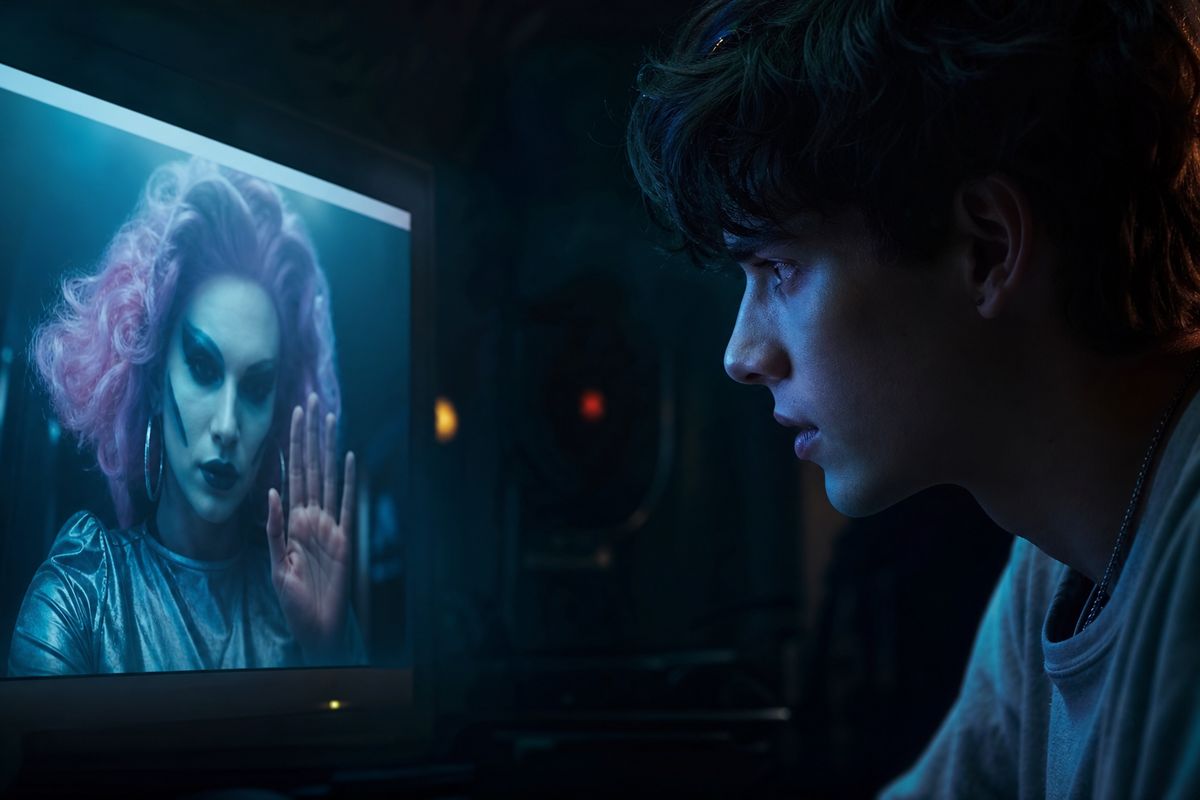
Chatroulette, launched in 2009 by a then-17-year-old Andrey Ternovskiy, was a raw, unmoderated experiment in serendipitous connection. You logged on, and a random stranger's face appeared. You could talk, wave, perform, or just click 'next' and move on. It was addictive, unsettling, and occasionally beautiful. For queer people, it offered a clandestine space to explore identity at a time when dating apps were still evolving and real-world visibility wasn't universal. But it also came with risks, exposure, and a fair share of trolls. That tension between intimacy and anonymity is pure science fiction material.
Chatlines apparently takes that digital roulette wheel and spins it into a narrative about connection, identity, and perhaps even alternate realities. Sci-fi has always been a vehicle for exploring the human condition through metaphor, and what better metaphor for the digital age than a randomised video chat? The film appears to tap into that specific loneliness and thrill of meeting someone real in a sea of fleeting faces. Yes, it's a queer story, but its themes are universal: we all crave genuine contact, even if we have to sift through a thousand 'nexts' to find it.
Peccadillo Pictures: A Home for Bold Queer Cinema
To understand the significance of this release, you need to know about Peccadillo Pictures. This is the distributor behind landmark queer films like Lilting, Weekend, and Paris 05:59. They're not exactly mainstream giants, but they are curators with a fierce reputation for quality. When Peccadillo picks up a film, it's a signal that the work has artistic weight and that it will be treated with care. For an indie queer sci-fi film like Chatlines, landing with them is a big deal it means proper theatrical distribution in the UK, not just a quiet streaming release.
Peccadillo's track record also suggests they see commercial potential in Chatlines. Queer cinema has moved beyond the niche ghetto in recent years, partly thanks to distributors like them who have built audience trust. But sci-fi remains a tricky genre for LGBTQ+ filmmakers. The genre has historically been heteronormative, with queer readings often forced onto subtext. A film that openly centres queer experience within a science fiction framework and specifically ties it to a recognisable digital phenomenon is practically begging for a wider cultural conversation.
The Intersection of Queer Identity and Science Fiction
Let's be honest: queer people have always been drawn to sci-fi. The genre is about imagining different worlds, different rules, different bodies. It's inherently about transformation and otherness. From Ursula K. Le Guin's gender-fluid world in The Left Hand of Darkness to the coded queerness of Star Trek's original series, science fiction has offered a playground for exploring identities that don't fit the norm. But explicit, out-and-proud queer sci-fi films are still comparatively rare. Chatlines joins a small but growing canon that includes films like The Matrix (a trans allegory, though hotly debated), Sorry to Bother You, and the recent They/Them slasher. Each uses genre conventions to say something about the queer experience.
Chatlines has the added twist of being rooted in a real internet phenomenon. That grounding in digital reality could make it feel less like fantasy and more like a heightened version of everyday life. The film likely doesn't need spaceships or aliens to be sci-fi. The stranger on the other side of the screen could be from a different world entirely. Or maybe the film plays with parallel dimensions, time loops, or alternate selves. Whatever the specific plot (and we don't have one yet), the connection to Chatroulette is a clever hook that bridges the digital and the cinematic.
What 'Chatlines' Means for Independent Queer Cinema
The fact that Chatlines is getting a UK cinema release at all is noteworthy. Queer indie films often struggle to get theatrical distribution, especially in genre categories. The economics are brutal: smaller screens, shorter runs, less marketing spend. But Peccadillo's investment suggests that they see a hungry audience for exactly this kind of story. The rise of queer film festivals (BFI Flare, Outfest, Frameline) has built a dedicated fanbase that supports these releases. And the success of recent queer indies like Bottoms and All of Us Strangers shows that mainstream audiences are increasingly open to LGBTQ+ narratives that don't fit the traditional tragedy or coming-out mould.
Sci-fi, meanwhile, has always had commercial legs when done right. If Chatlines can marry a fresh, tech-savvy concept with strong character work and a clear queer perspective, it could become a sleeper hit. The film's timing is also interesting. We're in a post-pandemic world where video calls are mundane, but the rawness of random online encounters feels almost nostalgic. Chatroulette is a relic of a more innocent internet, before algorithms curated every interaction. Chatlines might be tapping into a collective longing for that kind of messy, unmediated connection. And in a queer context, that longing is especially potent.
The Road Ahead: Release Details and What to Expect
As of now, specific release dates, cast, and director credits for Chatlines haven't been widely published. The announcement from Peccadillo Pictures is the first concrete step toward bringing the film to audiences. Based on the typical pattern for a distribution deal like this, we can expect a theatrical rollout in key UK cities (London, Manchester, Edinburgh) followed by digital and DVD release. Peccadillo often partners with venues like the BFI Southbank or Curzon cinemas, so that's a likely route. The film may have already toured the festival circuit, but the coverage didn't specify. What matters is that it now has a UK home.
For queer cinephiles, indie sci-fi fans, and anyone who ever spent a weird night on Chatroulette wondering who was behind the next 'next' button, Chatlines is a film to keep on the radar. It represents the kind of bold, weird, necessary storytelling that mainstream studios rarely touch. And it's arriving via a distributor that knows exactly how to nurture that kind of film into a cultural moment. Watch this space. The chat line is open, and the conversation is about to get very interesting.