Count Binface and Nigel Farage: the strangest election in Clacton's history
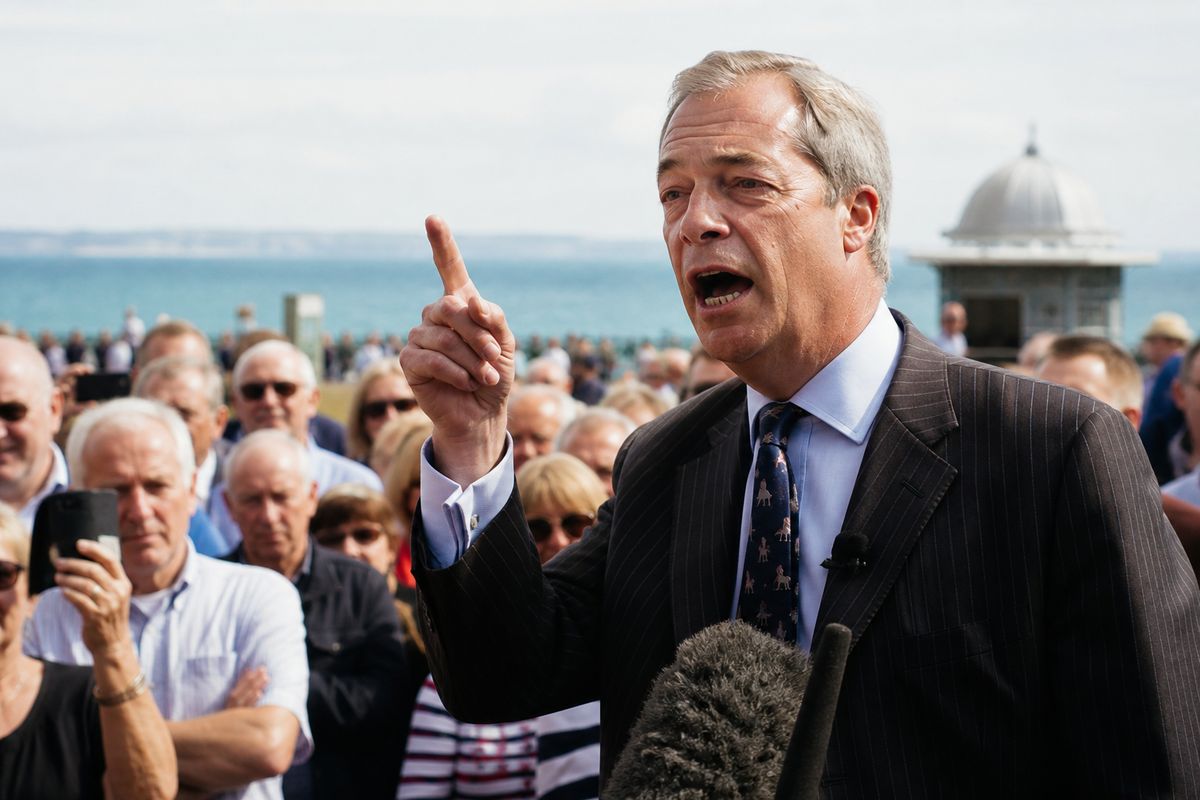
On the face of it, the by-election in Clacton-on-Sea should have been a coronation. Nigel Farage, leader of Reform UK and the man who helped pull Britain out of the European Union, triggered the vote in July 2026 in the hope of clearing his name over questions about his finances. Instead, he found himself fighting for his political credibility against a man wearing a bin on his head.
The contest, held on 13 August 2026, turned into one of the most bizarre spectacles in modern British politics. With the Labour Party and the Conservative Party both refusing to field candidates, Farage faced a record 34 opponents, a lineup that included Howling Laud Hope of the Official Monster Raving Loony Party, Marcus White of the Everyone is God Party, and Count Binface, a political satirist whose campaign platform includes a specific complaint about the placement of a hand dryer in a west London pub toilet.
The backdrop was hardly comic, though. Farage resigned his seat on 7 July, describing the scrutiny of his finances as an "establishment hit job" and a media-driven "witch-hunt." His calculation was that a resounding victory in this strongly Brexit-backing seaside town would put the matter to bed. But as voters headed to the polls, the questions refused to go away, and the presence of a trash-can wearing alien at the top of the ballot paper said more about the mood in Clacton than any opinion poll.

The £5 million donation behind Nigel Farage's resignation
At the centre of the row is a donation of 5 million pounds (about $6.7 million) that Farage received in 2024 from Christopher Harborne, a Thailand-based cryptocurrency billionaire. Parliament's standards watchdog has been investigating why Farage did not declare the money, which he says was a personal gift used to fund his security.
Farage's defence rests on timing and purpose. He argues that because the money arrived before he was formally elected to Parliament, and because it was intended for personal security rather than political campaigning, it fell outside the declaration rules. The rules, however, state that newly elected MPs must declare gifts worth more than 300 pounds (about $400) received in the previous year if they are related to political activities. The dispute over whether that threshold applies is precisely what the investigation was set to determine.
By resigning, Farage paused the investigation. The Associated Press reported that if he won the by-election, the investigation was expected to restart. If he is found to have breached parliamentary rules, he could face a recall petition in Clacton, which could lead to yet another by-election later this year at substantial cost to the taxpayer. That is not the scenario Farage had in mind when he framed the contest as a "people versus the establishment" battle.
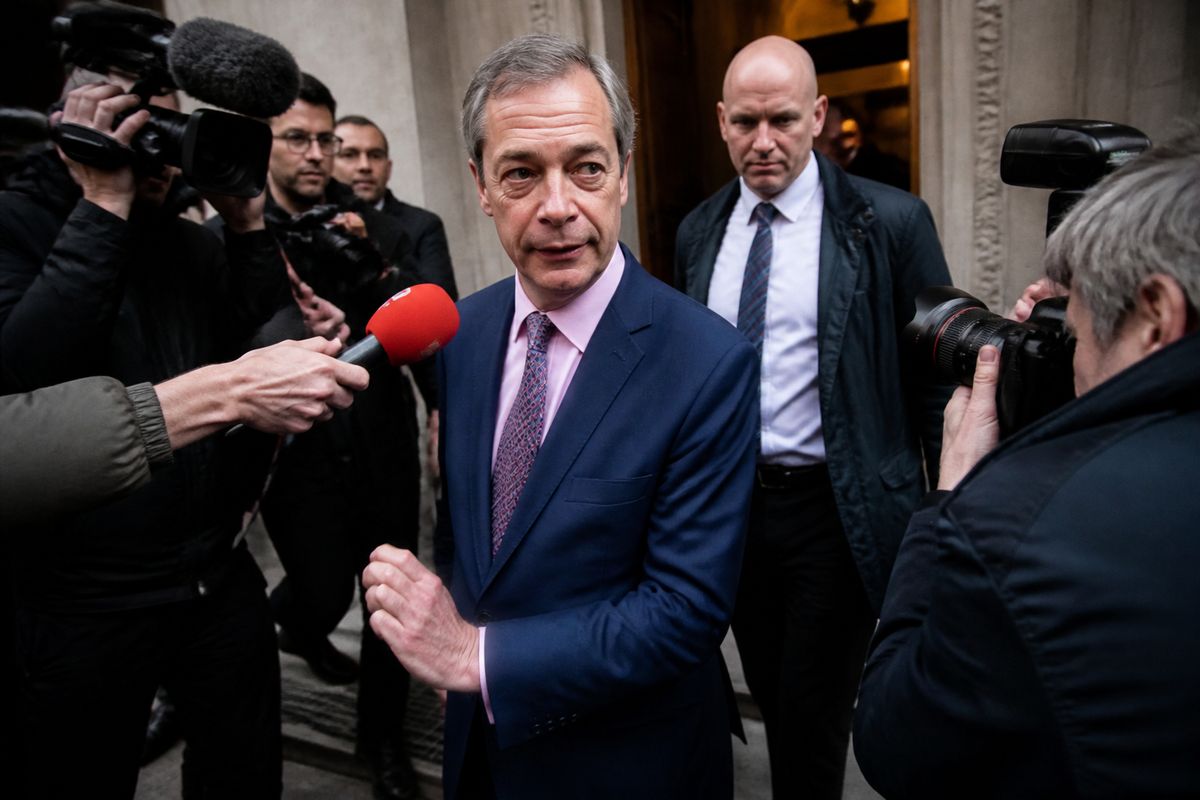
The problem for Farage was that the establishment declined to show up. Labour and the Conservatives called the whole exercise a stunt and refused to play along, leaving Reform UK's leader to face a ballot paper dominated by novelty acts and protest candidates.
Who is Count Binface and could he actually win?
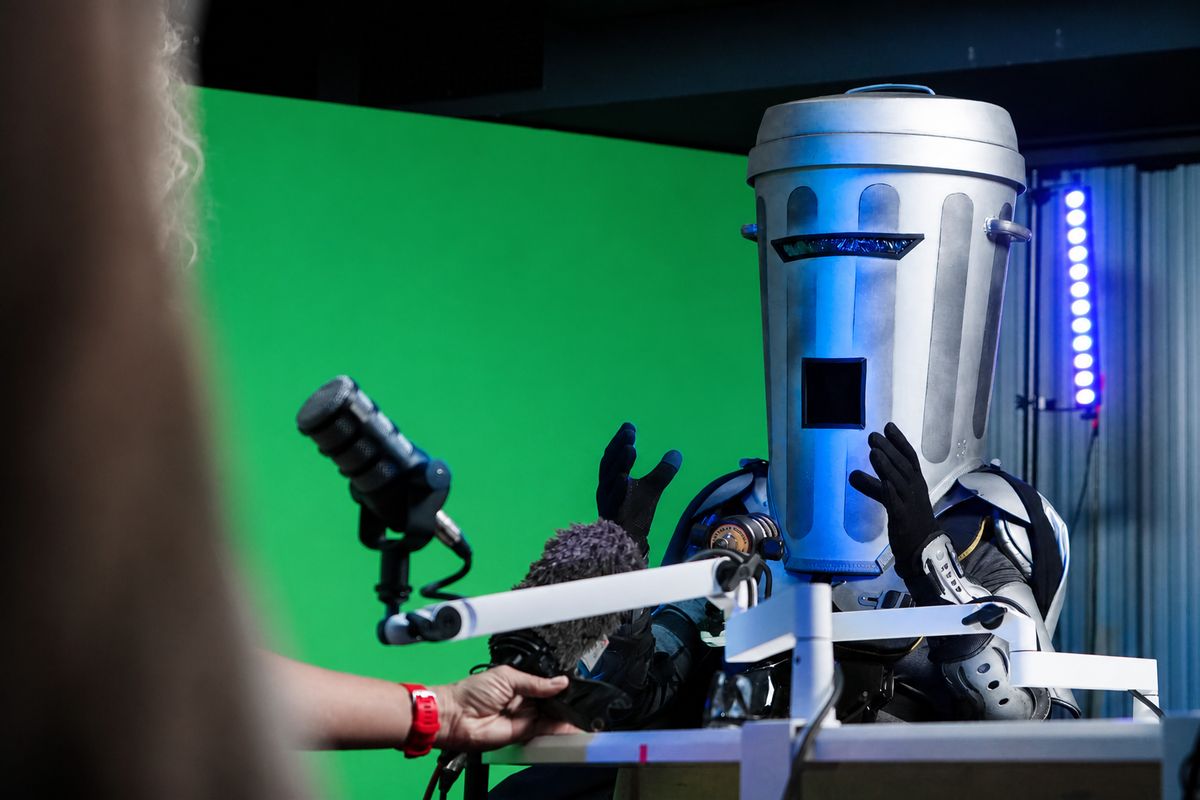
Count Binface is not new to British politics, though he remains, even by the standards of the genre, a deeply odd figure. He is a political satirist who dresses as a comic space alien, complete with a metallic suit and a trash can worn as a helmet. His interests are squarely earthly: NPR described him as a "spoof candidate who wears a garbage pail on his head" with a particular obsession about the positioning of a hand dryer in the men's toilet of a pub in west London.
To the uninitiated, such details sound like the punchline to a joke. But there is method behind the absurdity. Binface's candidacy is a form of political protest, aimed at puncturing the pomposity of politicians and giving disaffected voters someone to back without having to endorse the mainstream. He is a satirist in the tradition of the Official Monster Raving Loony Party, but with a sharper, more contemporary edge.
According to NPR's reporting, polls suggested Binface could take around 20 per cent of the vote. That would be a remarkable showing for a parody candidate, and it speaks to the mood in Clacton. Farage remained the favourite, but the fact that a man in a bin could come second to the leader of a national party is, in itself, a story about the state of British democracy.
It is also a story about the specific circumstances of this election. With major parties refusing to stand, voters were presented with a ballot paper of around three feet long. That is not going to be easy to navigate, and it is exactly the kind of absurdity that Binface thrives on.
The Clacton by-election circus: 34 candidates and a three-foot ballot paper
The record number of candidates standing in the Clacton by-election turned the vote into a logistical curiosity. With 34 names on the ballot, residents faced a piece of paper roughly the length of a yardstick, and the sheer size of it was enough to put off even the most committed voter. Around 80,000 voters were eligible to take part, and they needed a steady hand and a clear head to work their way through the list.

Turnout was widely expected to be low. Special elections in the UK tend to attract fewer voters than general elections, and August is not a friendly month for turnout. The vote took place during the summer holidays, when thousands of Clacton residents were away on trips, and it coincided with another UK heatwave. As The Associated Press noted, both factors likely prompted many to skip the trip to the polling station.
The contrast with the 2024 general election is striking. In July 2024, Farage faced eight rivals and won 21,225 votes, or 46.2 per cent of the total, on a turnout of 58.7 per cent. This time, the field was more than four times larger and the conditions far less favourable. Low turnout tends to hurt incumbents, and it opens the door to protest candidates like Count Binface and the perennial contenders from the Official Monster Raving Loony Party.
Howling Laud Hope, who has led the Monster Raving Loony Party for decades, and Marcus White of the Everyone is God Party added to the carnival atmosphere. But beneath the laughs, this was a serious test of Farage's standing, both in Clacton and within the wider Reform UK movement. A reduced majority or a strong showing from Binface would be spun as a victory by Farage's critics, regardless of the final tally.
What the Count Binface surge says about voter disaffection
The rise of Count Binface is not simply a joke. Analysts who covered the race noted that his relative popularity is a reflection of voter disaffection. Clacton is a strongly Brexit-backing town, the kind of place where Farage's brand of politics should be unimpeachable. Yet even here, a significant slice of the electorate appeared willing to send a message by voting for a man in a bin.
Part of that is down to the circumstances of the by-election itself. By refusing to field candidates, Labour and the Conservatives handed the contest to Farage on a plate. But they also freed their voters to express their frustration without fear of helping the other side. For many, Count Binface was the obvious vehicle for that frustration, a way of saying that they feel ignored by the political class as a whole.
The comparison with the Andy Burnham by-election in the Makerfield constituency near Manchester, which took place weeks earlier, is telling. Burnham returned to Parliament in a special election that cast him in a positive light and generated momentum for his political project. Farage had hoped for a similar bounce. Instead, he ended up sharing the national conversation with a man in a trash can.
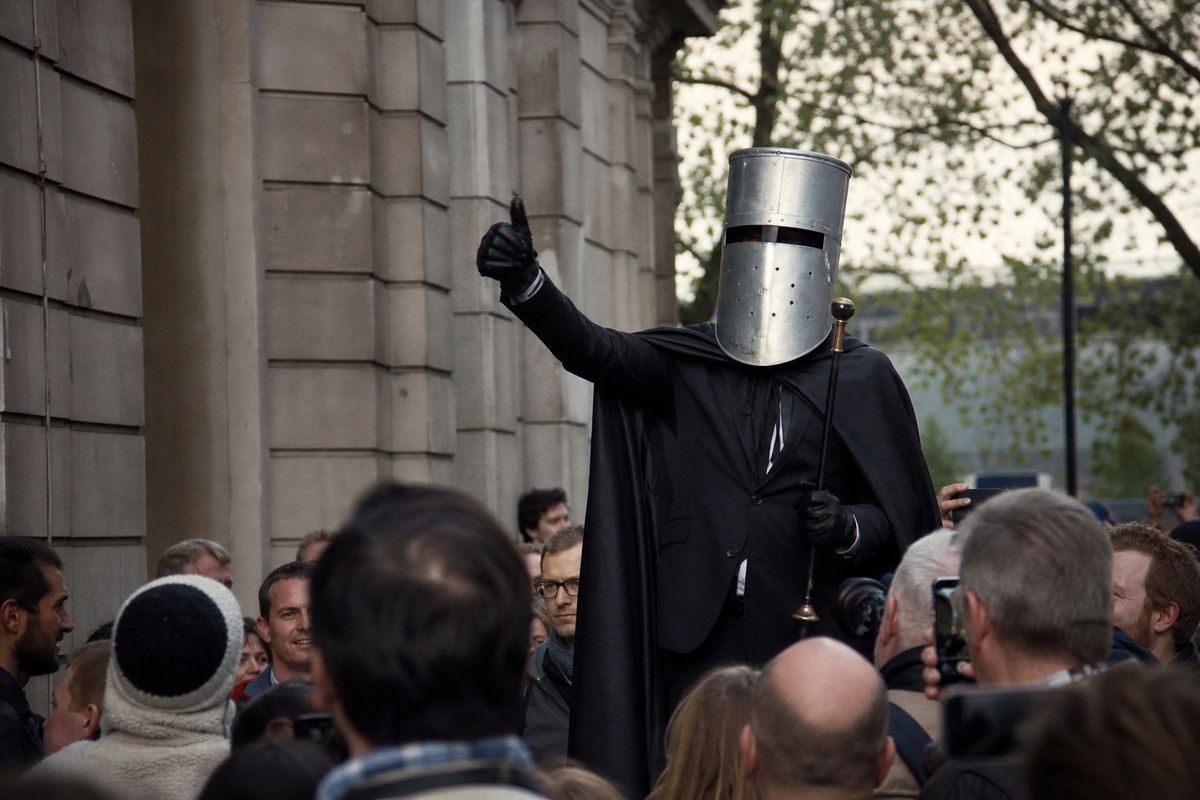
Farage wanted a "people versus the establishment" contest. He got one, but not in the way he intended. The establishment he sought to battle was not on the ballot; the people, it seemed, were more than happy to send a message in a bin.
After Count Binface: what happens next in Clacton and the future of Reform UK
The immediate question after 13 August was whether Farage's expected victory would be comfortable enough to silence his critics. The polls suggested he would win, but everything else about the race was uncertain. A narrow win, or a strong performance from Binface, would leave Farage wounded regardless of the final result. A recall petition, should the financial investigation find against him, would be a far more serious threat.
If the parliamentary standards watchdog resumes its inquiry and finds that Farage breached the rules, Clacton could face a recall petition. That would trigger another by-election, this time one in which Labour and the Conservatives would almost certainly field candidates. The cost to the taxpayer, as The Associated Press noted, could run into hundreds of thousands of pounds, and the outcome would be far from guaranteed. In those circumstances, the novelty candidates might take a back seat, but the political stakes would be far higher.
For Reform UK, this is uncharted territory. Farage has built his career on defying the political establishment, but he has never done so while under investigation by Parliament's own watchdog. The Clacton by-election, with its record ballot paper and its cast of comic contenders, may end up being remembered less for the result than for the questions it failed to settle.
Count Binface, whatever share of the vote he secured, has already achieved something remarkable. He turned a serious political moment into a national conversation about trust, transparency and the value of a protest vote. In a democracy, that is no small thing. Whether it is enough to change Clacton's politics is another matter entirely, but for one strange summer, a man with a bin on his head became the unlikely face of British political discontent.