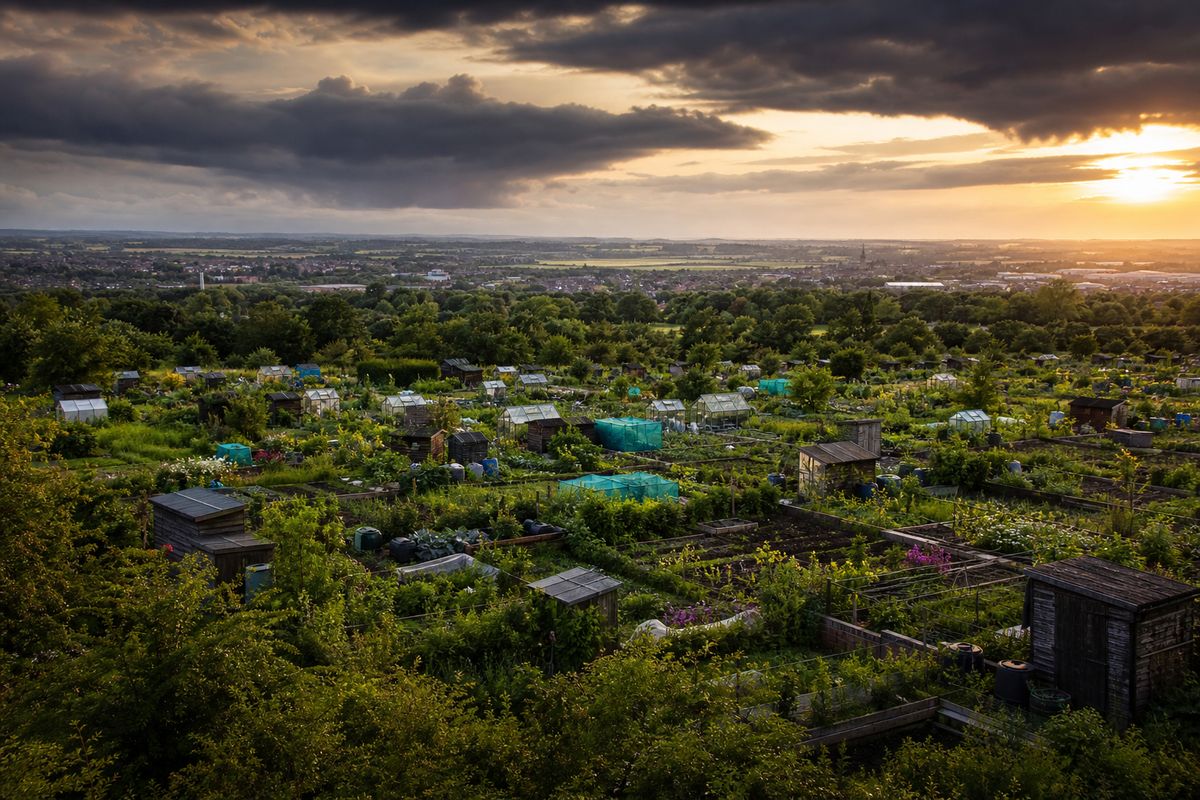
Allotment plots in County Durham put development pressure in the spotlight
The sale of huge allotment plots in County Durham, advertised with the phrase ‘development potential’, has reignited a national conversation about the availability of community growing spaces. The plots, located in an area already under pressure from housing and university expansion, are being marketed as a rare opportunity for developers. But for the thousands of people on waiting lists for an allotment across the UK, the news is another blow to an already strained system.
This specific offering, covered by the Northern Echo, comes at a time when the Guardian has published analysis revealing massive regional disparities in allotment provision. Meanwhile, Durham University’s plans to build new colleges on the grounds of Hild Bede and other sites add an extra layer of complexity to the future of green space in the county. Taken together, these stories point to a fundamental tension between development and the preservation of community-owned land.
The allotments themselves are substantial in size and sit on what agents describe as land with clear ‘development potential’. Exactly what that means is open to interpretation, but the term usually signals an intention to build homes, student accommodation, or commercial facilities. The local council has yet to confirm any planning applications, but the market listing alone has alarmed local growers and environmental campaigners.

The scale of the allotment crisis across the UK
To understand why these County Durham plots matter, you have to look at the national picture. The Guardian’s analysis, published in early 2025, shows a stark divide. Some local authorities have waiting lists stretching into the thousands, while others have dozens of empty plots going begging. The reasons are varied: urbanisation, the loss of green belt land, council budget cuts, and a surge in demand after the pandemic when many people discovered the joys of growing their own food.
Reliable statistics are hard to come by, but the National Allotment Society has long warned that supply is not keeping up with demand. In some cities, people wait five or more years for a plot. In contrast, rural areas and small towns often have surplus plots that go unrented. County Durham sits somewhere in the middle, but the sale of a large block of allotment land could tip the local balance from adequate to scarce.
The irony is that allotments are more popular than ever. Lockdowns turned millions of people into home gardeners, and the cost of living crisis made growing your own vegetables a practical choice. Yet local authorities, under immense financial pressure, have been selling off allotment sites or failing to maintain them. The County Durham listing is just the latest example of a land asset being valued for its development potential rather than its community benefit.
The waiting list problem
Behind every waiting list is a person who wants to dig, plant, and harvest. The Guardian’s analysis highlights that some councils have more than 50 people waiting for every 100 plots. That means many aspiring growers will never get a chance. The County Durham plots, if lost to development, would remove dozens of potential growing spaces from the local pool. And with Durham University planning new colleges on the grounds of Hild Bede and other sites, the pressure on all available land in the area is only going to intensify.
It is worth noting that not all allotments are equal. Some have water access, good soil, and secure fencing. Others are neglected and overgrown. The plots on the market in County Durham are described as ‘huge’, suggesting they are well maintained and highly productive. Their loss would be felt keenly by the people who currently rent them, as well as those on the waiting list.
Background: the rise and fall of allotment culture
Allotments have a long history in Britain. They became popular during the Industrial Revolution as a way to feed growing urban populations. During both world wars, the ‘Dig for Victory’ campaign turned millions of gardens and allotments into mini farms. After the war, interest waned as supermarkets grew and convenience foods took over. But the early 2000s saw a revival, and the 2020 pandemic pushed demand to record levels.
Today, allotments are recognised as vital green spaces that support biodiversity, mental health, and community cohesion. They are also a buffer against food price spikes. Yet their legal status is fragile. Most are owned by local councils and can be sold or repurposed with relative ease. Campaign groups have long argued for stronger protections, but legislation has not kept pace.
Durham University’s expansion plans add another dimension. The university is considering new colleges on the grounds of St Hild and St Bede, a site that already includes some green space. Whether those areas overlap with the allotments for sale is unclear, but the timing suggests a coordinated push to free up land for student housing and academic buildings. The palatinate.org.uk article confirms the university is looking at multiple sites, and the allotment plots could easily be one of them.
What development potential really means
Estate agents use the phrase ‘development potential’ to signal that the land is suitable for building. That could mean housing, retail, or institutional use. In County Durham, where Durham University is expanding and the local housing authority is under pressure to deliver new homes, the allotment site is a prime candidate for redevelopment. But turning allotments into building plots is not straightforward. There are planning laws, environmental assessments, and public consultations to navigate.
Local residents and the Durham Allotment Society (an informal group of plot holders) have already begun mobilising. They argue that the land has been used for food growing for decades, and that its value to the community far exceeds any developer’s cheque. They also point out that the Council’s own climate action plan commits to increasing green space and local food production. Selling off allotments would directly contradict that pledge.
On the other side, developers and the university argue that County Durham needs more homes and student accommodation. The waiting list for affordable housing is long, and the university’s expansion, including new colleges on the Hild Bede grounds, will bring jobs and investment. The tension between these two legitimate needs is what makes this story so compelling. It is not a simple case of good versus evil. It is about how we allocate scarce land in a time of multiple crises.
Why It Matters: the quiet crisis of land allocation
This story matters because it cuts to the heart of a problem that rarely makes the front pages. The loss of allotments is not as dramatic as the loss of a forest or a nature reserve. It happens plot by plot, council by council, until one day a community wakes up to find it has nowhere to grow food. The County Durham sale is a microcosm of that slow decline.
But there is a deeper point here. Allotments are one of the few forms of land tenure where ordinary people have direct control over productive space. They democratise food production and provide a tangible link between the soil and the plate. In an era of climate anxiety and processed food, that connection matters more than ever. When we sell off allotments for development, we are not just losing vegetable patches. We are losing a model of local resilience and community self reliance.
The Guardian’s analysis shows that the problem is not evenly distributed. Some regions have plenty of allotments; others have almost none. That disparity is a policy failure. It reflects a planning system that prioritises housing numbers over quality of life, and a funding model that forces councils to sell assets to stay afloat. Until that changes, stories like the County Durham allotments will keep appearing. And each sale makes it a little harder for someone to dig, plant, and harvest their own food.
What happens next
The immediate future of the County Durham plots depends on the planning process. The land is on the market, but no sale has been confirmed. Local campaigners are calling for a community buyout, using the Asset of Community Value legislation. If the site is listed as a community asset, the council could delay any sale and give residents time to raise funds. Similar efforts have succeeded elsewhere, but they require organisation and money.
Durham University’s plans for new colleges on the Hild Bede grounds and other sites are at an early stage. The university has not commented on whether it intends to bid for the allotment land, but the proximity of the two stories suggests they are linked. If the university does buy the plots, it could incorporate them into its campus development. That would almost certainly mean the end of allotment use.
For now, the best hope for the plots is that the Council recognises their value and either refuses planning permission or helps the community buy them. The national debate about allotment disparity, highlighted by The Guardian, puts pressure on local authorities to act. County Durham’s decision will be watched closely by campaigners across the country. It could set a precedent, for better or worse.