Ernest Jones Launches Major Diamond Ring Promotion
In a significant move for high-street jewellery retail, Ernest Jones has launched a limited-time promotion offering dramatic price reductions on select diamond rings, coupled with a complimentary gift. The headline offer, reported in March 2026, sees the price of a classic 1-carat solitaire diamond engagement ring slashed from £8,500 to £4,000—a saving of £4,500. Furthermore, customers who spend £2,500 or more on selected natural diamond pieces will receive a free lab-grown diamond ring valued at up to £2,000. This dual-pronged strategy of a deep discount and a high-value free gift represents a notable shift in how traditional jewellers are competing in a rapidly evolving market.
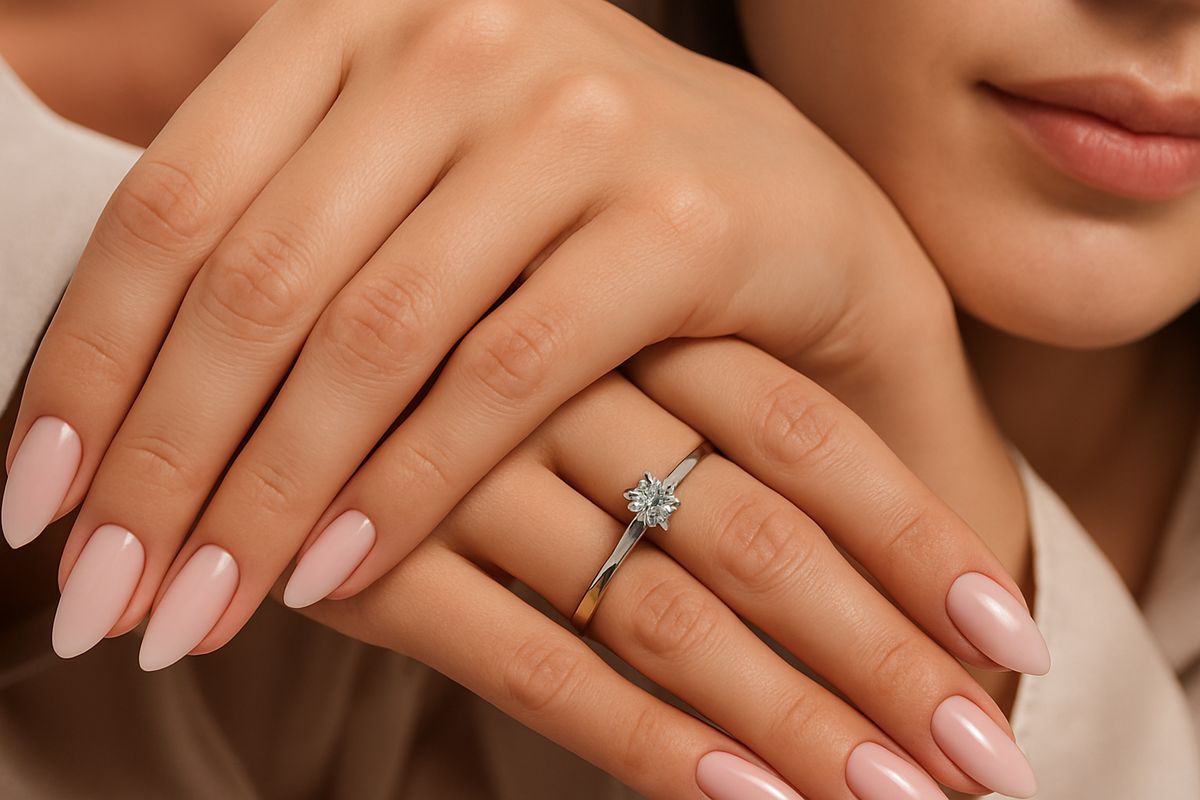
The promotion centres on two specific rings: the Engagement Ring Platinum Round Cut Four Claw Solitaire 1ct Diamond Ring and its counterpart in 18ct Yellow Gold. Both feature a timeless design with a round solitaire diamond held in a classic four-claw setting, a style that has dominated engagement ring trends for decades. The offer is explicitly framed for "jewellery fans looking to invest in a special piece" and those "planning a proposal," targeting key consumer segments during what is traditionally a significant purchasing period. The deal's structure—requiring a £2,500 minimum spend on natural diamonds to unlock the free lab-grown ring—creates a compelling upsell opportunity for the retailer.

Deconstructing the Ernest Jones Diamond Ring Deal
The mechanics of the promotion are straightforward but impactful. The core product, a 1-carat natural diamond solitaire ring, receives a 53% price reduction, bringing it down to £4,000. This price point is strategically significant, moving a traditionally high-value item into a more accessible bracket for a broader range of consumers. The second component is the "gift with purchase": a lab-grown diamond ring worth either £1,000 or £2,000, given free to customers who meet the spending threshold. This is not a buy-one-get-one-free offer on identical items, but rather a bundling of a natural diamond product with a lab-grown one.
It is crucial to examine the specifications of the rings involved. The discounted rings are described as featuring "natural diamonds," a term that signifies diamonds mined from the earth. The free gift, however, is explicitly a "lab-grown diamond ring." This distinction is central to understanding the market forces at play. Lab-grown diamonds are chemically, physically, and optically identical to mined diamonds but are created in controlled industrial environments. They typically retail for a fraction of the price of their natural counterparts, which explains how Ernest Jones can offer a £2,000 retail-value lab-grown ring as a free incentive alongside a heavily discounted natural diamond piece.
The Players: Ernest Jones and the Evolving Jewellery Landscape
Ernest Jones is a stalwart of the UK high street, operating as one of the nation's leading jewellery retailers under the Signet Jewelers umbrella—the world's largest retailer of diamond jewellery. Known for its extensive range of watches, diamond jewellery, and bridal collections, the brand has built its reputation on trust, high-street presence, and traditional craftsmanship. This promotion, however, signals an adaptation to new market realities. The company is not merely discounting; it is strategically integrating lab-grown diamonds into its sales model, using them as a powerful promotional tool to drive sales of its core natural diamond inventory.
The promotion also references competitors, providing context for where this deal sits in the wider market. The articles mention H Samuel's "Forever Diamond" ring at £5,999 and The Diamond Store's Masami Lab Diamond ring at £209. This comparison highlights the vast spectrum of price points now available to consumers, from affordable lab-grown options to mid-range and premium natural diamond pieces. Ernest Jones's £4,000 price for a 1-carat natural solitaire, post-discount, positions it as a competitively priced option within the traditional natural diamond segment, while the free lab-grown gift directly counters the value proposition of pure-play lab-grown retailers.
Historical Context: From De Beers to Disruption
To fully appreciate the significance of this promotion, one must consider the history of diamond retailing. For most of the 20th century, the market was defined by scarcity, controlled supply, and the powerful marketing of De Beers, which successfully cemented the diamond engagement ring as a cultural necessity. Price stability and consistent value appreciation were key selling points. The 21st century, however, has brought profound disruption. The rise of ethical consumerism has led to scrutiny of mining practices, while technological advancements have made lab-grown diamonds a viable, high-quality, and lower-cost alternative.
This has created a bifurcated market. Traditional jewellers like Ernest Jones have built their brand equity on natural diamonds, but they now face intense pressure from both online disruptors and the growing consumer acceptance of lab-grown stones. Promotions of this scale and nature are a direct response. Historically, a 53% discount on a core bridal product might have been seen as damaging to the perceived value of diamonds. Today, it is a necessary tactic to clear inventory, attract price-sensitive customers, and compete in a market where consumers are more informed and have more choices than ever before. The deal mirrors broader retail trends where bundling and "gift with purchase" strategies are used to increase average transaction values and move specific stock.
Why It Matters: A Strategic Pivot in Plain Sight
This Ernest Jones promotion is far more than a simple sale; it is a microcosm of the strategic pivot underway in the entire jewellery industry. The bundling of a natural diamond with a lab-grown diamond as a free gift is a symbolic and commercial acknowledgment of the latter's permanent place in the market. For decades, the natural diamond industry sought to differentiate itself from synthetics and simulants. By offering a lab-grown diamond ring as a complimentary item, Ernest Jones is effectively leveraging its lower cost structure to enhance the perceived value of its primary natural diamond sale, while simultaneously introducing lab-grown products to a customer base that might not have considered them otherwise. It's a clever, if tacit, admission that both product categories can coexist in a modern jeweller's portfolio.
Furthermore, the promotion highlights the changing economics of luxury and sentiment. An engagement ring is one of the most emotionally charged purchases a person makes, traditionally tied to notions of value, permanence, and investment. A deep discount on such an item, paired with a free alternative, subtly reframes the proposition. It appeals to a pragmatic consumer who desires the tradition and perceived authenticity of a natural diamond but is also savvy to market alternatives and value. This deal caters to that duality, offering the symbolic weight of a natural stone and the modern, accessible bonus of a lab-grown one. It reflects a broader cultural shift where consumers, especially younger ones, are re-evaluating the markers of luxury and commitment, a trend underscored by headlines like ‘Most beautiful girl in world’ announces major change to her dating life, which speak to evolving personal and relationship norms that inevitably influence purchasing decisions for symbolic items like engagement rings.
Finally, the move has significant implications for inventory and pricing strategy. Such a steep discount suggests a potential effort to reduce holdings of specific natural diamond stock, possibly in response to shifting demand or to make room for new collections that might feature a different mix of natural and lab-grown products. It also sets a new benchmark for promotional price points in the high street bridal sector, potentially forcing competitors to respond. For the consumer, it represents a moment of exceptional value but also a signal that the once-rigid pricing and value hierarchy of diamonds is becoming more fluid and negotiable.
The Consumer Experience and Market Reception
While the source articles do not contain specific sales data or customer quotes about this particular promotion, they do include general Trustpilot reviews for Ernest Jones that shed light on the brand's customer experience. Reviews cited mention positive in-store service, helpful staff like "Lorraine," and useful online features such as a "'try it on' feature" for virtual ring viewing. Some criticisms involved minor website functionality issues on mobile devices and confusion around finance calculators. This context is important; a major promotion is only successful if the purchasing journey is smooth. Positive service reviews help mitigate the potential perception that deep discounts equate to a compromise on customer care.
The promotion's success will ultimately be measured by its ability to attract customers who are on the fence, balancing the allure of a traditional natural diamond against the compelling value of lab-grown alternatives. By offering both in a single transaction, Ernest Jones attempts to satisfy both impulses. It also serves as a powerful marketing tool, generating headlines and driving footfall—both physical and digital—during a key sales period. In a crowded retail environment, creating a clear, high-value proposition is essential, and this promotion achieves that by combining a dramatic price point with an additional tangible benefit.