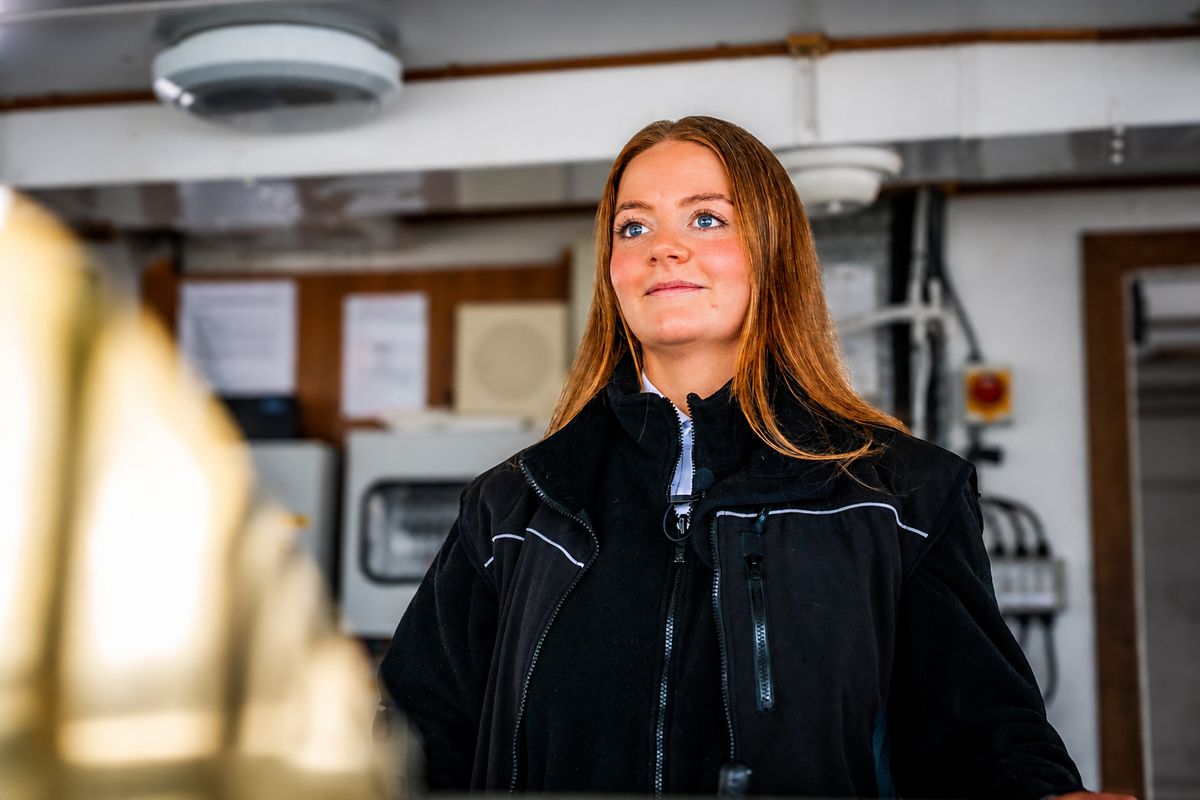
A historic first for the Mersey Ferry captain's role
A Liverpool woman is on course to make local maritime history by becoming the first female captain of the iconic Mersey Ferry. Ellie Vondy, 30, from Anfield, is training to take the helm of the world-famous ferry, ushering in a new chapter for a tradition that stretches back more than 800 years.
Ellie was recruited in September 2025 as part of a three-year marine apprenticeship and now works onboard the vessel while studying part-time at Fleetwood Marine College. When she qualifies, she will serve as an Officer of the Watch (Near Coastal), working as First Mate, before completing a further year's training to gain her captain's licence. It is a path that, if completed, will see her become the first woman to command the ferry in its long and storied history.
The news has been welcomed across the Liverpool City Region, with Mayor Steve Rotheram among those celebrating the milestone in the making. He said: "The Ferry 'Cross the Mersey is an icon of our region, and Ellie's story shows how we're breaking down barriers that for centuries felt unmovable."
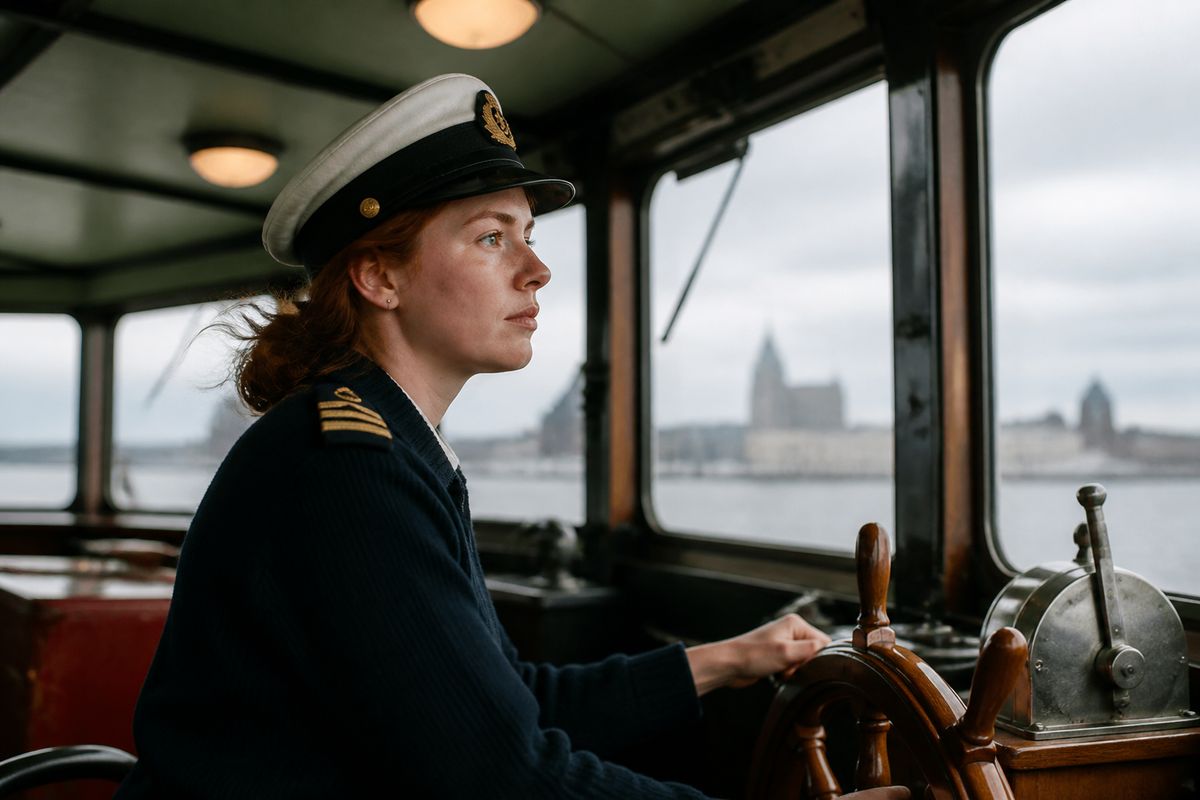

From marine biologist to apprentice at the helm
Ellie's route into the ferry service is far from typical. Before joining Mersey Ferries, she had already built a career as a qualified diver and marine biologist, spending years on research projects out on the water. Her connection to the Mersey coastline runs deep; she grew up spending days out with family at places like New Brighton and West Kirby.
Speaking about her journey, Ellie said: "Working on something so iconic has been amazing. I didn't know what to expect. It is like joining a little family as there are people who have been working here for years.
"When I was younger, I spent days out with family by the sea, places like New Brighton and West Kirby. After I left school, I studied marine biology and project management, so I've learned a lot about the marine environment and spent a lot of time out on boats doing research projects, and I basically realised that I just enjoyed being out on the water more than sitting at a computer all day doing research. When I saw this job come up, I just applied for it."
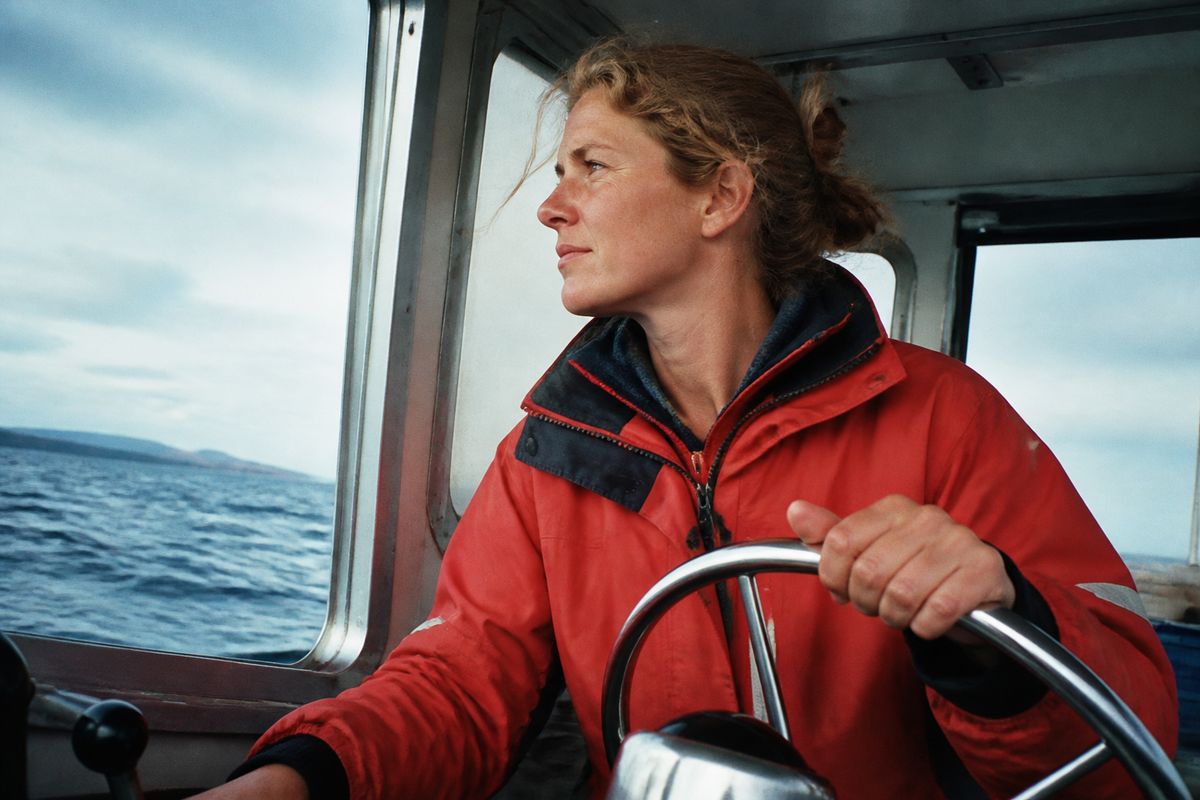
That realisation, as she puts it, that she preferred the salt spray to spreadsheets, set her on a course that could make her part of Liverpool's maritime folklore. "It's so exciting to think I could be the first woman to captain the Mersey Ferry. I'm a Liverpool girl and the ferry is part of the city's heartbeat so if I am I just hope I do women justice," she added.
Inside the training: what it takes to become a Mersey Ferry captain
Becoming a captain of the Mersey Ferry is not a quick process. The three-year marine apprenticeship combines hands-on experience onboard with academic study at Fleetwood Marine College. Ellie is working towards the top job alongside fellow marine apprentices Chris Oulton and Leah Rogers, all of them being groomed for future leadership roles within the service.
The qualification pathway is rigorous. Once her apprenticeship is complete, Ellie will need to serve as an Officer of the Watch (Near Coastal), gaining the practical experience required to act as First Mate. Only after a further year of training, and passing the necessary examinations, will she be eligible for her captain's licence. It is a demanding route that tests both technical seamanship and leadership capability, and it is precisely why the achievement would be so significant.
For Mersey Ferries, the investment in apprenticeships is about more than filling a single role. By allowing staff to learn new skills while staying in their current positions, the organisation is building future talent from within, strengthening the brand and supporting long-term succession planning. It is a model that other heritage transport operators could learn from, particularly those facing skills shortages in an ageing workforce.
The Mersey Ferry: 800 years of history and a new dawn
The Mersey Ferry is more than a commuter service; it is an enduring symbol of Liverpool itself. The crossing between Liverpool and the Wirral has operated in various forms for more than eight centuries, carrying generations of workers, visitors, and day-trippers across the river. It has been immortalised in song, most famously in Gerry and the Pacemakers' 1964 hit "Ferry Cross the Mersey", and remains one of the region's most beloved institutions.
That heritage makes Ellie's journey all the more resonant. In 800 years of crossings, no woman has ever held the top job. The fact that this could change in the coming years speaks to a broader shift across the maritime industry, which has historically been one of the most male-dominated sectors in the world.

The ferry service is also looking firmly to the future. Later this year, Mersey Ferries is set to unveil the Royal Daffodil, the first new vessel to join the fleet in 60 years. The £26m ferry is designed to offer a world-class experience to both everyday passengers and eventgoers, with large, open-plan decks for sightseeing and smaller, more intimate event spaces for corporate functions and private parties. New regular seasonal cruises are also planned, ensuring the ferry remains a draw for tourists and locals alike.
The arrival of the Royal Daffodil, combined with a new generation of crew members like Ellie, Chris and Leah, signals a period of renewal for a service that has carried Liverpool's identity across the Mersey for centuries.
Why It Matters: breaking a centuries-old barrier
There is an obvious instinct to view Ellie Vondy's story as a feel-good local news item, and it is certainly that. But it is worth pausing on what the news actually signifies, because the maritime industry's gender imbalance is not a historical curiosity; it remains a live issue in 2026. Women still account for a small fraction of the world's ship captains and senior deck officers, and progress in the sector has been painfully slow compared with other industries. A Mersey Ferry captaincy, though a relatively small vessel by global shipping standards, carries outsized cultural weight because of the ferry's iconic status.
The symbolism matters, and not just for Liverpool. Having a woman in command of one of the most recognisable ferries in the world sends a message to young girls that the bridge, quite literally, is not off limits. It also challenges the assumption, still quietly held in parts of the industry, that a woman's place on a ship is in hospitality or administration rather than on the bridge. Ellie's appointment, when it comes, will not simply be a personal achievement; it will be an institutional statement.
There is a deeper lesson here about how industries change. Ellie's route into the role did not come through years of traditional cargo-ship experience, but through an apprenticeship scheme designed to broaden access to the profession. Mersey Ferries' decision to recruit apprentices from diverse backgrounds, rather than relying on conventional career paths, is a deliberate strategy to refresh a workforce and secure its future. As the Royal Daffodil prepares to enter service, the timing could not be better for a new generation to take the wheel.
What happens next for Ellie and the Mersey Ferry
Ellie's journey is still in its early stages. She has the remainder of her three-year apprenticeship to complete, followed by the Officer of the Watch qualification and her time as First Mate, before she can take the final step towards a captain's licence. It is a long road, and neither she nor Mersey Ferries is putting a firm date on when she might take command. What is clear is that the organisation is prepared to back her every step of the way.
Meanwhile, the Royal Daffodil is preparing to enter service later this year, giving the crew a brand-new platform to work from and passengers a very different experience of the Mersey. The ferry's open-plan decks, event spaces and seasonal cruises are a bet on the future of the river as a leisure destination, not just a transport link. It is a fitting backdrop for a story about new beginnings.
If and when Ellie takes the helm, she will not just be the first woman to do so; she will be the latest in a line of mariners stretching back 800 years, charged with keeping Liverpool's heartbeat pulsing across the water. For a girl from Anfield who simply decided she liked being out on the water more than sitting at a computer, that is some legacy to be heading towards.