The Ripple Effect of a Trade Deadline Non-Move
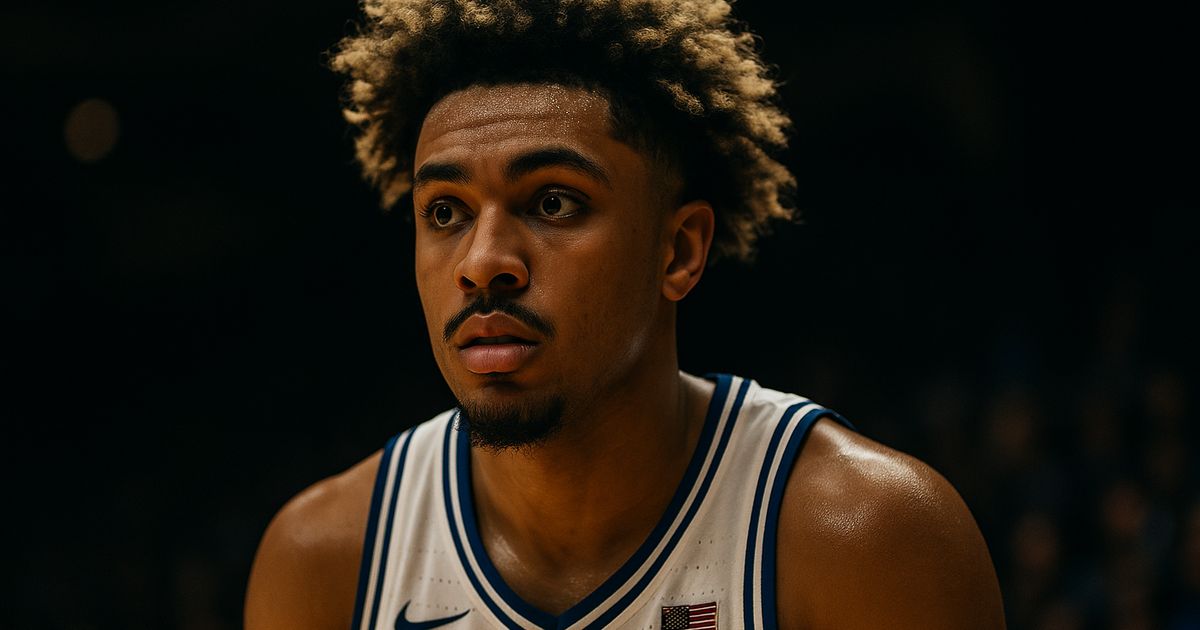
In the high-stakes chess game of the NBA trade deadline, a single move—or lack thereof—can define a franchise's trajectory for years. This dynamic is playing out in stark relief as the Oklahoma City Thunder's acquisition of guard Jared McCain from the Philadelphia 76ers continues to pay immediate dividends, while the Detroit Pistons' relative inaction is being viewed with growing regret. The contrast was crystallized on a recent Wednesday night when McCain, coming off the bench for an injury-depleted Thunder squad, dropped 20 points in a performance that showcased exactly the skillset the Pistons desperately lack. For a Detroit team with legitimate championship aspirations in a weakened Eastern Conference, the failure to pursue a low-cost, high-upside talent like McCain is emerging as a pivotal moment that could haunt their playoff run.
The source of Detroit's regret isn't merely that McCain played well against them. It's the confluence of factors: the Thunder's minimal cost to acquire him (reportedly Houston's first-round pick this year and three second-rounders), McCain's clear fit as a dynamic, movement shooter who could relieve offensive pressure from star Cade Cunningham, and the Pistons' own decision to prioritize a "proactive financial move" by trading Jaden Ivey for Kevin Huerter—a shooter having a down year who isn't currently in the rotation. As one contender aggressively bolstered its arsenal, another with a golden opportunity seemingly stood pat, and the early returns are fueling a narrative of a missed swing.

Jared McCain: From Buried Prospect to Instant Impact
Jared McCain's arrival in Oklahoma City represents a classic case of a talented player being unlocked by a change of scenery and a system that values his specific skills. A 22-year-old guard, McCain was buried on the depth chart of a crowded Philadelphia 76ers backcourt, limiting his opportunities to showcase the potential that made him a Rookie of the Year favorite before a season-ending injury cut his previous campaign short. The Thunder, a proven contender and championship favorite, identified him as a buy-low candidate and used a sliver of their vast war chest of draft assets to bring him into the fold.
His skill set is precisely what modern NBA offenses covet. McCain is described as a "fearless shooter" with a high basketball IQ, constantly moving without the ball to create better looks and occupy defensive attention. This gravity opens driving lanes for teammates even when he doesn't receive a pass. But he's far from a stationary specialist. McCain can leverage his shooting threat to attack closeouts and finish at the rim, possesses a reliable pull-up game off the dribble, and has enough playmaking ability to run offense in a pinch. For the Thunder, he provides versatile, high-IQ scoring off the bench—a luxury for a team managing injuries and a necessity for any squad with deep playoff ambitions.
The Trade That Unlocked Potential
The mechanics of the trade itself are a masterclass in asset management by Oklahoma City's front office. As reported, the Thunder surrendered only a future first-round pick (via Houston) and three second-round selections—none of which project to be in the high-value range—to acquire a 22-year-old with starter-level upside. This low-risk, high-reward maneuver stands in stark contrast to the blockbuster deals often associated with deadline activity. For the 76ers, the move was framed by President of Basketball Operations Daryl Morey as "selling high" on a player whose role was uncertain. However, as related headlines note, the Sixers have stumbled post-deadline while McCain thrives, calling Morey's assessment into question. For McCain, the trade was instantly framed as granting a "long-awaited wish" for a clearer path to playing time and a defined role on a winning team.
Detroit's Calculated Gamble and Its Immediate Consequences
The Pistons' 2025-26 season has been a success story, positioning them as a surprise contender in an Eastern Conference lacking its traditional powerhouses. Their core, led by Cade Cunningham, has found a winning formula largely in spite of a persistent weakness: perimeter shooting. This flaw is manageable in the regular season but becomes a critical vulnerability in the playoff crucible, where defenses tighten, schemes become more specific, and spacing is paramount. Recognizing a window of opportunity, the front office faced a decision at the deadline: push their chips in to address a clear need or maintain patience with their current group.
They chose a middle path that now looks like a step back. The primary move was trading young guard Jaden Ivey to the Chicago Bulls for veteran shooter Kevin Huerter. On paper, it addressed the shooting need. In reality, Huerter was already experiencing a significant down year in Chicago and, upon arriving in Detroit, has struggled to find minutes, reportedly not seeing the floor for the Pistons. Even at his peak, Huerter is a more limited player than McCain, primarily a spot-up shooter without the same off-ball movement, secondary creation, or defensive versatility. The Pistons' move was characterized as a "proactive financial move," suggesting cap flexibility or future planning was a higher priority than an immediate, impactful basketball upgrade. In the context of a wide-open championship window, this conservative approach is the root of the current regret.
Contrasting Philosophies: Asset Hoarding vs. Strategic Aggression
The divergent paths of the Thunder and Pistons at the deadline highlight a fundamental philosophical debate in team building. Oklahoma City, despite already being a top-tier team, operates with relentless aggression. They possess a mountain of future draft capital but refuse to simply hoard it. Instead, they deploy portions of it strategically to address weaknesses and add depth, as they did with McCain. Their calculus is that the marginal value of a late-first or second-round pick is far lower than the proven, young talent they can acquire with it, especially when that talent fits their timeline and system perfectly. This "always improving" mindset is a hallmark of elite franchises.
Detroit, conversely, appears to have prioritized roster flexibility and long-term optionality over a definitive win-now push. While prudent in a vacuum, this approach carries an opportunity cost. The Eastern Conference landscape this season is uniquely vulnerable, presenting a rare and potentially fleeting chance for a team like Detroit to make a deep run. By not leveraging some of their own assets (which, while not as vast as OKC's, include future picks and young players) to secure a player like McCain, they may have undervalued the present opportunity. The analysis suggests the Pistons "would’ve been wise to trade something of similar value" to what OKC paid, indicating a deal was financially and asset-plausible but never pursued. This contrast frames the Thunder as seizing a moment and the Pistons as letting one pass by.
Historical Context of Deadline Regret
NBA history is littered with examples of teams that hesitated at a moment of contention and lived to regret it. Often, it's not the catastrophic, franchise-crippling trade that haunts teams, but the minor, supplementary move they didn't make—the extra shooter, the defensive specialist, the backup point guard who could have provided just enough to get over the hump in a playoff series. The "missing piece" narrative is powerful because it's often true. For the Pistons, the fear is that their shooting woes, manageable thus far, will be systematically exploited by elite defensive teams in a seven-game series. A versatile weapon like McCain, who can create his own shot and warp defenses with his movement, is precisely the type of player who makes a difference in those tight, half-court playoff battles.
What's Next for McCain, the Thunder, and the Pistons
For Jared McCain and the Oklahoma City Thunder, the path forward is one of exciting integration. McCain has been gifted a clear role on a championship-caliber team that maximizes his strengths. His performance against Detroit was not a fluke but a preview of his potential utility in the playoffs, where his shooting and intelligence will be invaluable. Expect his minutes and responsibilities to grow, especially as the Thunder manage the health of their starters. He has gone from a buried prospect to a key X-factor on a title favorite, a stunning transformation facilitated by one shrewd trade.
For the Detroit Pistons, the outlook is more complicated. The immediate task is to maximize the roster they have, hoping that internal development and the eventual integration of Kevin Huerter can patch their shooting gaps. However, the specter of the missed opportunity will linger, especially if their postseason run ends prematurely due to offensive stagnation. The front office's next test will be the offseason. Will they exhibit the aggressive, targeted aggression Oklahoma City showed, using their assets to finally secure the elite shooting and perimeter creation they need? Or will the conservative approach of the deadline become their modus operandi? Their actions in the coming months will reveal whether the regret over not acquiring a player like Jared McCain was a learning moment or a symptom of a broader hesitation to fully commit to a championship window that is open right now.
The broader lesson for the league is clear: in the modern NBA, contender status is not a resting point but a platform for continued aggression. Teams that stand still, even to preserve future flexibility, risk being passed by those willing to make calculated, forward-thinking bets. The Thunder's acquisition of Jared McCain is a small bet with a potentially massive payoff. The Pistons' decision not to make a similar wager may end up being the defining non-move of their season.