Mexico's World Cup jerseys sell out fast as Adidas reports record demand
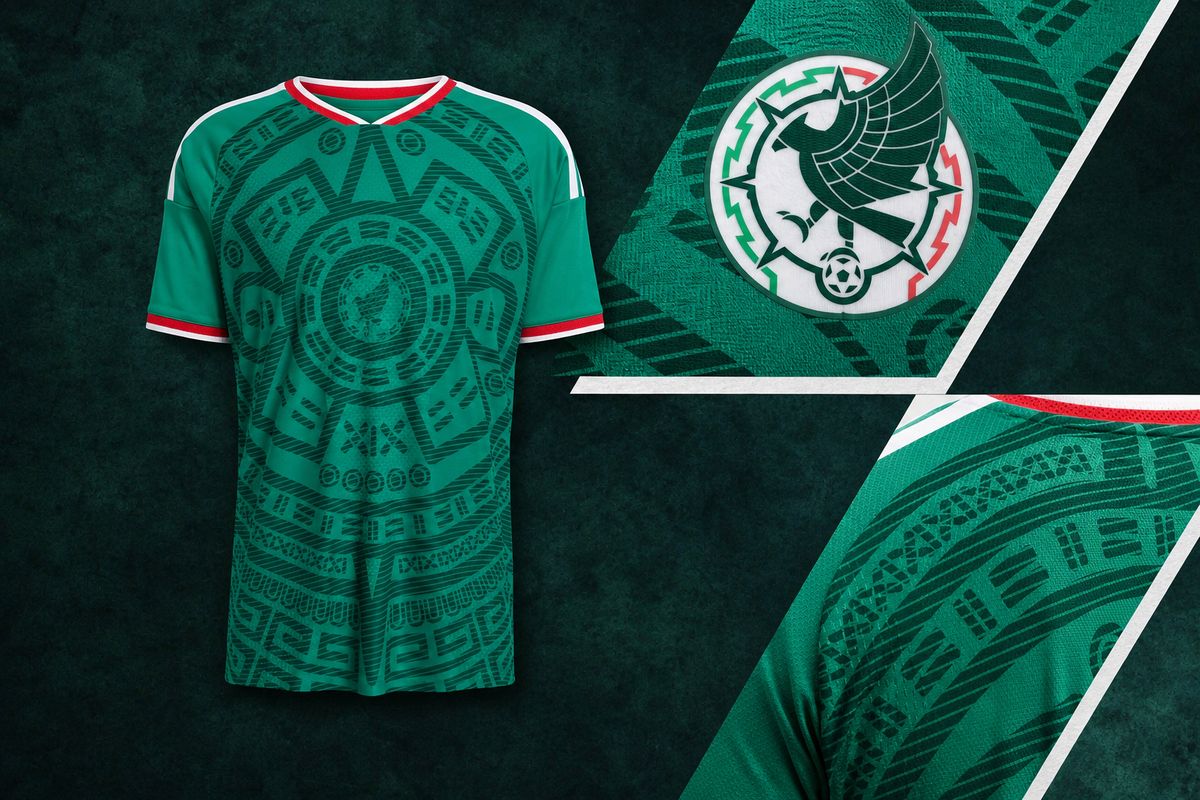
Mexico's green, white and black World Cup jerseys are flying off the shelves. According to Adidas, the Mexico national team kit has become the brand's "top-selling national team merchandise line of the FIFA World Cup so far". The first batch of home jerseys has already sold through approximately 55% of available inventory, while the white away version has moved 35%. The black alternative kit sits at a similar level to the green. This is not just a flash in the pan. The surge comes as Mexico, one of three host nations alongside the United States and Canada, stormed through Group A with a perfect record: wins over South Africa (2-0), South Korea (1-0) and Czechia (2-0). Now El Tri face Ecuador in the round of 32 on 30 June 2026, with fans desperate to wear their colours and cheer the team on to a knockout-stage victory for the first time since 1986.
The data from Adidas, reported by The Street, shows demand is split evenly between Mexico and the United States, with each market accounting for roughly half of jersey sales. That makes sense: the U.S. has a massive Mexican diaspora and a growing appetite for the sport. But it also highlights how Mexico's global fanbase is flexing its purchasing power. Retailers are reporting that many sizes and styles are already gone, though the replica home jersey, authentic away kit, and long-sleeve options are still available at select outlets like Fanatics. If you want one, you'd better act fast.

Why Mexico's jerseys are beating traditional powerhouses
Historically, Argentina, Brazil and Germany have dominated World Cup merchandise sales. Their global fan bases and decades of tournament success made them the safe bets for brands. But 2026 is different. Mexico's position as a co-host gives it unprecedented visibility. Every match in Mexico City, Guadalajara or Monterrey becomes a showcase for the national team's identity. Add in the fact that the squad has undergone a major refresh in recent years, blending young talent with experienced leaders, and you get a team that excites both domestic and international audiences.
Adidas confirmed that the roster turnover, combined with "strong tournament performance and host-nation visibility", is supporting consumer interest. Fair enough. But there's more to it than that. Mexico's fan culture is one of the most passionate in the world. The green jersey is not just a piece of sportswear; it's a badge of identity. That emotional connection drives purchases beyond the usual cycle of fans buying a new shirt every four years. According to Statista, 92% of Mexico's population is expected to follow the 2026 World Cup in some capacity, making it one of the most engaged host markets on earth. When nearly every person in a country of 130 million is watching, the demand for merchandise becomes a tidal wave.
The role of social media and influencer marketing
Beyond raw numbers, Mexico's jersey surge has been amplified by social media. Multiple retailers have launched soccer-inspired collections and campaigns tied to Mexican identity and fan culture. These aren't just adidas products; they're lifestyle statements. You see celebrities, musicians, and influencers wearing the green jersey in Instagram posts and TikTok videos. It becomes a symbol of pride, not just sports fandom. That cultural halo effect pushes sales far beyond the stadium gates.
Historical context: Mexico's long wait for knockout success
Mexico has always been a heavyweight in CONCACAF, but on the global stage its record is bittersweet. The national team has reached the round of 16 in seven consecutive World Cups (1994-2018), but always lost that match. Their last knockout-stage win came in 1986, when they hosted the tournament and reached the quarter-finals. This year, with a perfect group stage and home advantage in the round of 32 (the match against Ecuador is in Mexico City), there's a real sense that something special could happen. Fans are buying jerseys not just to support the team, but to be part of a potential historic moment.
The 1986 team wore a classic green jersey with white shorts. The current kit, designed by adidas, pays homage to that era with a clean, modern aesthetic. The home jersey is bright green with subtle geometric patterns inspired by Mexican iconography. The away kit is white, and the third kit is black with gold accents. All three have resonated strongly with consumers, partly because of their design and partly because of the emotional weight they carry.
What this means for adidas and the sportswear industry
The Mexico jersey phenomenon is not just a feel-good story; it's a commercial signal. For adidas, having a non-traditional powerhouse as its top seller is a shift. It suggests that host nations can unlock huge merchandise potential, especially when they perform well. Brands that invest in kits for co-hosts should expect similar bumps in future tournaments. It also shows that the U.S. market's appetite for soccer merchandise is maturing, moving beyond European club kits to embrace national teams.
For retailers, the lesson is clear: stock up early on host-nation kits. The 55% sell-through rate for Mexico's green jersey, before the knockout stage has even started, is extraordinary. If Mexico advances deeper, expect that number to hit 100% quickly. The secondary market will likely see prices spike. Already, some resellers are listing sold-out sizes at a premium on platforms like eBay and StockX.
What's next for Mexico's jersey sales and the team
Looking ahead, the knockout stage will be crucial. If Mexico beats Ecuador, they'll face a likely quarter-final opponent from Group B. A deep run could trigger a second wave of jersey sales, especially if Adidas can restock quickly. But production lead times mean that new inventory may not arrive until after the tournament. That scarcity, paradoxically, could drive even more demand: fans who hesitated earlier will scramble to buy whatever is left.
There's also the broader brand impact. Mexico's federation, the FMF, will see a significant boost in licensing revenue. Adidas may accelerate plans for a commemorative edition kit next year, capitalising on the goodwill. And other federations will study how Mexico's marketing team activated the diaspora and the host-nation advantage. Expect to see more pre-tournament campaigns centred on identity and culture, not just team performance.
The 2026 World Cup is the first to be hosted by three nations. Mexico's jersey dominance proves that co-hosting doesn't dilute the host-nation effect; it amplifies it. As the tournament progresses, keep an eye on merchandise sales from the U.S. and Canada. Both have strong domestic fanbases but have not yet matched Mexico's ferocious demand. That could change if either performs beyond expectations. For now, though, Mexico owns the retail spotlight.
One more thing: the round of 32 match against Ecuador is a genuine banana skin. Ecuador are organised, physical, and dangerous on the counter. But playing at home in the Azteca stadium, with 87,000 fans screaming in green, is a huge advantage. If Mexico win, the jersey craze will become a full-blown mania. If they lose, the jerseys will become relics of a what-if campaign. Either way, the data is clear: Mexico's 2026 kits are a commercial and cultural phenomenon, and they've already made history before a single knockout ball is kicked.