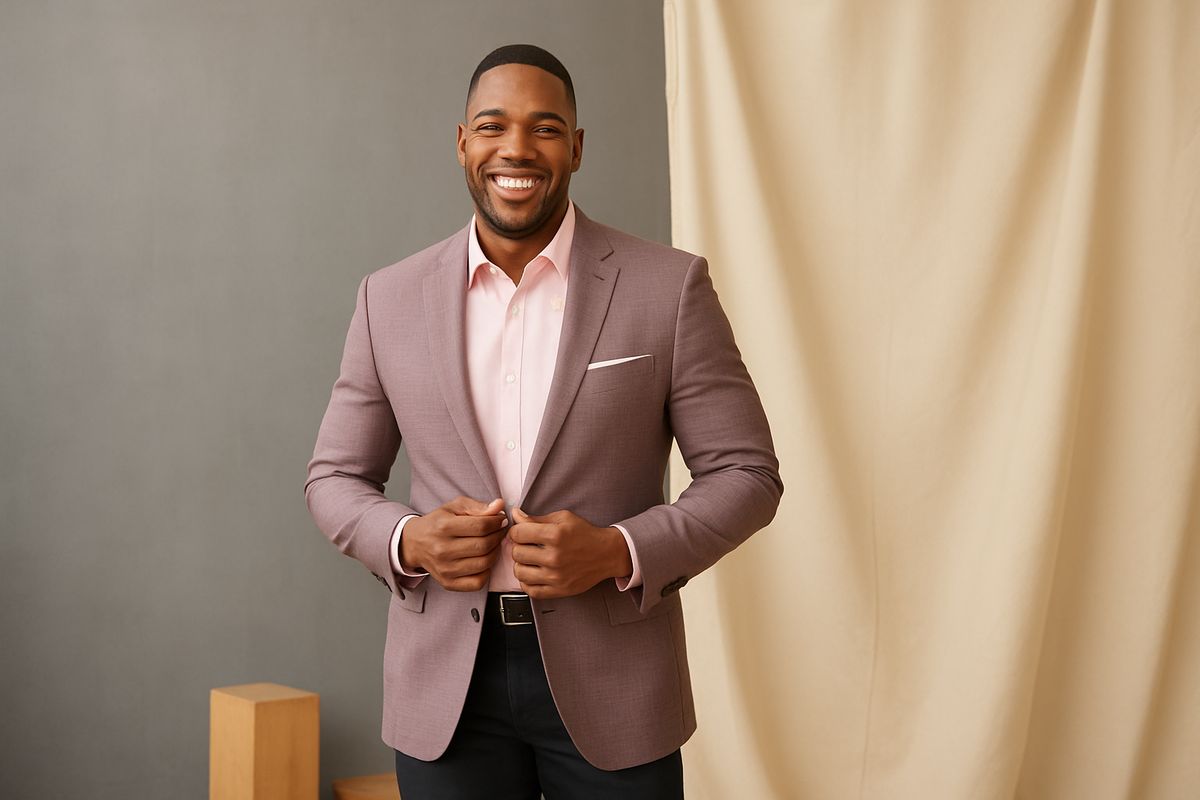
Michael Strahan Brand Launches Major Retail Expansion with Belk
On March 3, 2026, the Michael Strahan® lifestyle and accessories brand announced a significant new retail partnership with the Southeastern department store chain Belk. This collaboration marks a pivotal expansion for the brand, bringing its top-selling Collection by Michael Strahan line to nearly 300 Belk stores across 16 states and to the retailer's e-commerce platform, Belk.com. The launch introduces over 60 individual pieces to a new regional customer base, with prices ranging from $39 to $280, encompassing everything from suit separates and blazers to polos, T-shirts, and select accessories.
This move is more than a simple distribution deal; it represents a strategic alignment of brand values and target demographics. Michael Strahan, the brand's founder and namesake, emphasized the partnership's core mission: "Partnering with Belk across their wide network allows us to reach more customers in communities where quality and value matter. We are excited to have them on board to help us on our mission to make confidence part of every man's routine." For Belk, a 135-year-old retail institution, the collaboration offers a curated menswear collection backed by a figure synonymous with discipline and success, as noted by CEO Don Hendricks.

Decoding the Partnership: Brands and Strategy
The partnership is a meeting of two distinct but complementary American brands. The Michael Strahan® brand, launched in 2015, was founded by Pro Football Hall of Famer and Emmy Award-winning television host Michael Strahan and SMAC Entertainment Co-Founder & CEO Constance Schwartz-Morini. It was born from Strahan's personal need for versatile, confidence-boosting attire that could transition seamlessly from his roles on camera to business meetings and family time. Over a decade, it has grown into a comprehensive lifestyle label spanning over 50 categories, including custom suiting, sportswear, home decor, skincare, and licensed sports apparel.
On the other side of the deal is Belk, Inc., a privately-owned department store chain with deep roots in the American South. Founded in 1888, Belk operates nearly 300 stores under the Belk, Belk Outlet, and Belk Market banners across 16 states. The retailer has built its legacy on selling "great products at great prices" and maintaining a strong community focus. This partnership allows Belk to refresh its menswear offering with a modern, celebrity-curated line that promises quality and accessibility, key tenets of both brands' philosophies.
The Evolving Landscape of Celebrity-Backed Fashion
The Michael Strahan brand's expansion into Belk arrives at a fascinating juncture in the retail and celebrity endorsement landscape. The era of simple fragrance deals and logo-slapped merchandise is largely over. Today's successful celebrity brands, like Fenty Beauty, SKIMS, or The Home Edit, are expected to offer authentic point-of-view, quality products, and direct engagement with consumer needs. The Michael Strahan brand has positioned itself within this modern framework from its inception, focusing on solving a specific problem—versatile, affordable menswear for the multifaceted modern man—rather than merely trading on fame.
This partnership also highlights a strategic shift in retail distribution. While direct-to-consumer (DTC) models dominated the 2010s and early 2020s, many digitally-native brands are now seeking the scale, immediacy, and tactile experience of wholesale partnerships with established brick-and-mortar retailers. For a brand like Michael Strahan®, which has built a strong online presence, a partnership with Belk provides physical touchpoints across a vast geographic region where its core customer lives and shops. It's a hybrid model that leverages the brand's digital storytelling with the mass reach and convenience of a regional retail powerhouse.
A Contrast to Traditional Athlete Endorsements
It's instructive to contrast this venture with traditional athlete apparel endorsements. Unlike a signature sneaker line with a major sportswear conglomerate, the Michael Strahan brand is a wholly owned venture where Strahan and his team control design, sourcing, and brand direction. The partnership with Belk is a wholesale agreement, not a licensing deal. This affords the brand greater long-term equity and flexibility. It mirrors the path of other athlete-entrepreneurs like Magic Johnson or Venus Williams, who built business empires adjacent to, but independent from, their athletic careers.
Analyzing the Market Impact and Strategic Fit
The Belk partnership is a calculated move for the Michael Strahan brand's growth trajectory. Belk's footprint across 16 Southeastern states—including markets like North Carolina, South Carolina, Georgia, Tennessee, and Alabama—represents a heartland of American retail where department stores still hold significant sway. This region's consumers are known for valuing quality, tradition, and value, which aligns perfectly with the brand's stated focus on "quality and value." By entering these markets through a trusted local retailer, the brand gains instant credibility and access it might take years to build on its own.
For Belk, the collaboration is a savvy play to revitalize its menswear department and attract a broader demographic. In an era where department stores are fiercely competing with specialty retailers and online giants, offering exclusive, celebrity-backed collections is a proven strategy to drive foot traffic and differentiate assortments. Don Hendricks' statement that the collaboration is "about offering customers access to quality menswear curated by someone who understands style, discipline, and excellence" directly ties the product to Strahan's personal narrative, adding a layer of aspiration and trust that goes beyond a generic private label.
Financially, the expansion represents a major scaling opportunity. With prices capped at $280 for the highest-end items (likely suits or blazers), the collection is positioned as accessible premium, fitting Belk's mid-market positioning. The range of products, from $39 T-shirts to tailored separates, allows customers to enter the brand at multiple price points, fostering loyalty and potential upsells. This strategic pricing is crucial for gaining market share in a competitive apparel landscape.
Why It Matters
While most coverage will frame this as a standard retail expansion, the deeper significance lies in what it signals about the maturation of celebrity entrepreneurship and the evolving geography of American consumption. This isn't just a clothing line hitting more stores; it's a case study in brand-building that transcends coastal fashion hubs. The Michael Strahan brand's deliberate choice to partner with Belk, rather than a Nordstrom or Bloomingdale's, is a powerful statement. It represents a strategic pivot toward Middle America—a demographic often overlooked by celebrity brands chasing trend-driven, urban consumers. This partnership validates the purchasing power and style aspirations of customers in communities where Belk is a household name, suggesting a more inclusive and geographically diverse vision for fashion retail.
Furthermore, this move challenges the prevailing narrative of the "death of the department store." While many legacy chains have struggled, Belk's continued operation and its ability to attract a modern, digitally-savvy brand like Michael Strahan® indicate that regional department stores can survive by leveraging their deep community roots and acting as curated marketplaces. The partnership is a symbiotic lifeline: it gives Belk a contemporary, media-connected product line, and it gives the Michael Strahan brand a physical platform and logistical scale that would be capital-intensive to replicate independently. It underscores that the future of retail is not purely DTC or purely wholesale, but a flexible, channel-agnostic ecosystem where brands meet customers wherever they are.
What to Watch For Next
The success of this launch will be measured by several key indicators in the coming months. Industry observers should monitor sell-through rates at Belk, particularly for core items like suit separates and polos, which embody the brand's "work to weekend" ethos. Strong performance could trigger an expansion of the assortment within Belk or inspire similar partnerships with other regional department store groups outside the Southeast, creating a national patchwork of wholesale distribution.
Another area to watch is the potential for product line extensions inspired by this retail partnership. Feedback from Belk's customer base—which may differ from the brand's existing direct consumers—could influence future designs, materials, or price points. Will we see more regionally-inspired capsules or collaborations that further leverage Belk's community ties? Additionally, the brand's other ventures, like the MSX sports merchandise line or the Michael Strahan Design Lab for custom suiting, may find new avenues for promotion and cross-selling through Belk's marketing channels.
Finally, this partnership sets a new benchmark for athlete- and celebrity-founded brands. Its focus on everyday wearability, value, and broad retail accessibility provides a blueprint that others may follow. The long-term test will be whether the Michael Strahan brand can maintain its distinct identity and quality as it scales through this wholesale relationship, proving that a celebrity name can be the foundation for a durable, category-leading lifestyle business, not just a fleeting marketing campaign.