New Forest Horse Flu Outbreak Forces Event Cancellations and Sparks Vaccination Concerns
An outbreak of equine influenza in the New Forest has escalated dramatically, forcing the cancellation of major events and leaving thousands of free-roaming ponies exposed to a virus that barely registered in the UK last year. The Verderers, the ancient body that oversees the common land and livestock in the national park, have urged walkers and horse riders to steer clear of the animals after further cases were confirmed in Brockenhurst and Burley as of 6 July 2026.
The horse flu outbreak has already claimed the Breamore Show, cancelled on 28 June, while Burley Villa Riding School paused all its forest hacks for the foreseeable future. With 126 laboratory-confirmed outbreaks across the UK between 1 April and 2 July, according to the Equine Infectious Disease Surveillance group at Cambridge Vet School, the numbers are staggering compared to just four cases nationwide in 2025. It is a stark reminder of how quickly infectious disease can spread in a population with little existing immunity.

What Is Happening on the Ground: Event Cancellations and Precautionary Measures
The practical impact of the New Forest horse flu outbreak is being felt at every level, from small riding schools to major agricultural shows. Burley Villa Riding School instructor Tammy Greaves posted on Facebook that the decision to cancel forest trails was heartbreaking. "We were praying it wasn't going to come to this, but our horses' welfare comes first," she wrote. Lessons at the school continue, but visitors are now asked to wear clean clothing and use sanitation stations.
The Breamore Show Society said it was with "a heavy heart" that it cancelled its annual horse show. The decision, they stressed, was "not been made lightly but with the welfare of all your lovely animals in mind." Meanwhile, the New Forest and Hampshire County Show, scheduled for 28 to 30 July, is still going ahead but with strict new rules. All participating horses, ponies and donkeys must have received a minimum of two vaccinations at least seven days before attending. Organisers confirmed that equines will have their records checked before unloading, and their microchips will be scanned.
A spokesperson for the show said the rules reflected "recent veterinary advice and the continued monitoring of equine influenza cases." They added: "The health and welfare of all equines attending the show remains our priority, and these measures are intended to help minimise the risk of disease transmission and protect the wider equine community."
Where Cases Have Been Found
Beyond Brockenhurst and Burley, cases had previously been identified in Wood Green and at Stoney Cross. The Verderers said people could expect to see ponies with "a heavy nasal discharge and a dry cough." The virus is mostly airborne but can also spread by contact with an affected animal. The official advice is clear: give ponies as wide a berth as possible, and do not allow ridden horses to drink from communal water troughs.
Background: The New Forest Ponies and the Commoners Who Own Them
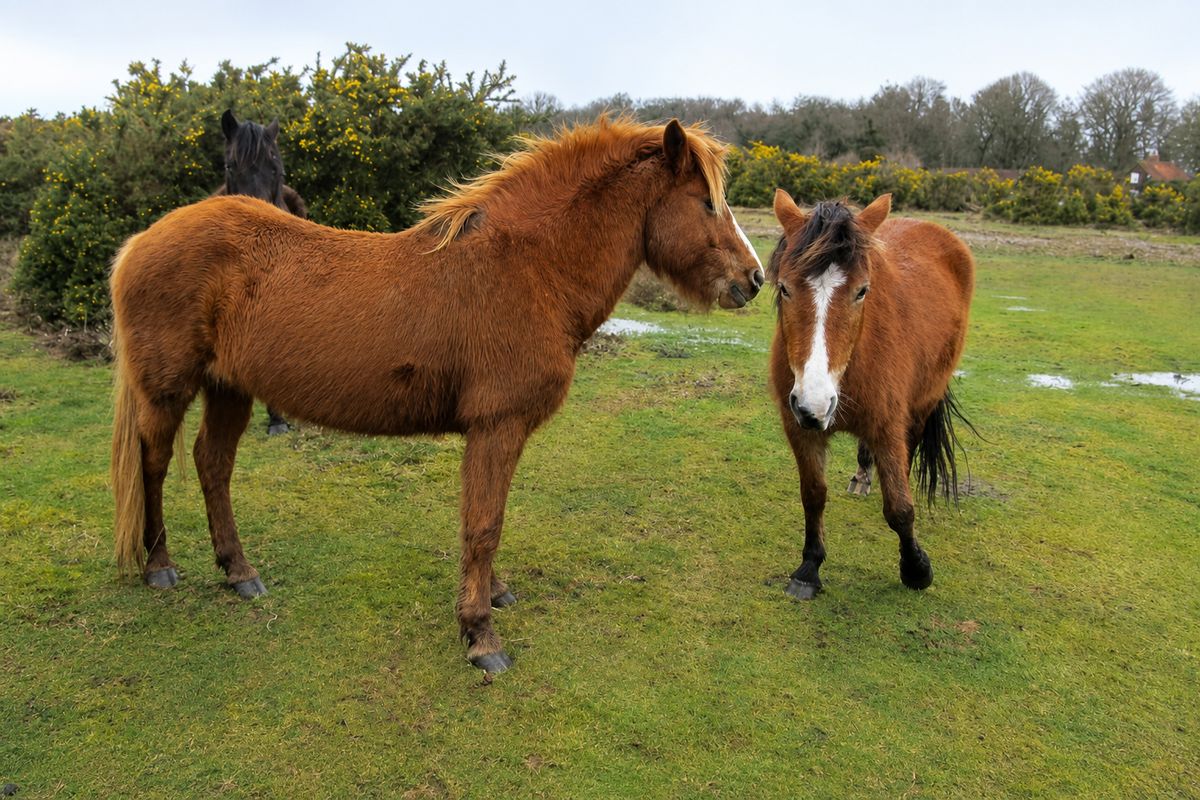
To understand why this outbreak is so serious, you need to know a bit about the 5,000 to 5,500 free-roaming ponies in the New Forest. These animals are not wild; they are owned by commoners. Commoners are people who own or occupy land with ancient grazing rights attached to it. The ponies roam freely within the national park, living in semi-feral conditions, and are managed by the Verderers, an institution that dates back to medieval times.
Vaccinating these ponies is not a simple task. Vet Alan Hough from Celtic Equine Vets, based in Ower near Southampton, told the BBC: "It just wouldn't be feasible or practical to vaccinate them. To protect the herd we need to ensure that all the other equines that border the New Forest and come and visit or ride out in the New Forest are vaccinated because those ponies have no antibodies to this virus." Hough predicted the virus would go through the entire forest population over the next couple of months.
Andrew Parry-Norton, of the Commoners Defence Association, posted on social media that the illness would have to "run its course" among the ponies. "So you will potentially see ponies coughing, being a bit snotty. Do report them to the Verderers' office. But it's a situation that has to be nature-led, and run its course. Let it run through the herd and gradually immunity will gradually build up again," he added.
Personal Impact: An International Dressage Rider's Story
The outbreak is not just affecting shows and riding schools. It is hitting individual horse owners hard. Ellie McCarthy, a 29-year-old international dressage rider who has competed for Great Britain in three European championships, bought a pony at auction at the end of May. One-year-old Rupert later tested positive for equine flu. She had to quarantine him away from the other horses on her yard in Lymington, Hampshire.
McCarthy described the biosecurity measures she implemented: "We've been wearing full body hazmat suits, covering our hair, washing hands. We have antibacterial foot dips to wash our shoes in when we leave." The virus has forced her to withdraw from competitions, a major knock-on effect for someone who competes at elite level. She urged other horse owners to look out for symptoms and vaccinate their animals.
Equine influenza is not typically fatal, but it causes significant discomfort. As with human flu, it is highly contagious. Symptoms include a temperature, a dry harsh cough, and nasal discharge. Vet Alan Hough noted: "A temperature is almost always the first thing, very quickly they start to develop a dry harsh cough and they can also then produce a lot of nasal discharge." He is encouraging horse owners to ensure their animals are vaccinated, especially those that have never been vaccinated before, or are particularly old, young or immunocompromised.
The Scale of the Outbreak Compared to 2025
The numbers tell a stark story. Between 1 April and 2 July 2026, the Equine Infectious Disease Surveillance group recorded 126 laboratory-confirmed outbreaks of equine influenza across the UK. In the whole of 2025, there were just four cases. This is a thirty-fold increase in a matter of months. While testing and reporting may have improved, the sheer volume suggests a virus that has found a susceptible population. The New Forest ponies, with their lack of vaccination and close contact in communal areas, are the perfect breeding ground.
Analysis: Why Vaccination of Domestic Horses Matters More Than Ever
The New Forest horse flu outbreak highlights a critical vulnerability in the UK's equine population. Wild and semi-feral ponies cannot be vaccinated en masse. That means the responsibility falls on owners of domestic horses who ride or compete in the area. If every horse that enters the forest or attends a show is vaccinated, the virus has fewer pathways to reach the unprotected ponies.
The Verderers have been monitoring the situation closely. As a precautionary measure, some of the stallions released in the south of the forest have been brought in early. The Verderers reminded horse riders to take extra care if they go out onto the forest, avoiding livestock and communal water troughs. The advice extends to walkers too: keep your distance from any pony showing signs of illness.
This outbreak also raises questions about disease surveillance and response. The Equine Infectious Disease Surveillance group at Cambridge Vet School is tracking cases, but the speed of spread suggests that testing and reporting need to be more aggressive. The vaccine is effective but not mandatory for all horses in the UK. Unlike some countries, there is no national equine vaccination register. The New Forest Show's decision to require vaccination for participants is a good short-term measure, but it does nothing for the free-roaming ponies.
What This Means For You
If you own a horse in the New Forest or plan to visit with your equine companion, here is what you need to do. First, check your horse's vaccination status. If it is not up to date, get a booster now. Most vaccines require two initial doses followed by annual boosters. Even if your horse is not competing, if you ride in the forest, you are potentially exposing your animal and the wild ponies to risk.
Second, practice strict biosecurity. Avoid communal water troughs. Do not let your horse touch noses with any free-roaming ponies. Clean your tack and clothing after every ride. Change into clean clothes and boots before visiting your yard. If you notice any symptoms, isolate the horse immediately and call your vet. The earlier a case is reported, the faster the Verderers and veterinary authorities can respond.
Third, if you are a walker or cyclist in the New Forest, give the ponies plenty of space. Do not feed them or approach them. A sick pony may look docile but can still transmit the virus to other animals. And if you see a pony with a heavy nasal discharge or a dry cough, report it to the Verderers' office. You are helping to track the outbreak.
The New Forest horse flu outbreak is a reminder that we live in a shared environment. The health of our domestic horses is directly linked to the health of the free-roaming ponies. While the virus will likely run its course among the forest herd, we can limit the severity by taking sensible precautions. The Verderers, commoners, and veterinary experts are doing their bit. The rest is up to us.