Neighbourhood Windfalls: The Postcode Lottery's Daily Jackpot Phenomenon
In a recurring wave of community-level fortune, streets across the UK are celebrating shared windfalls from the People's Postcode Lottery. The latest winners include residents on Rossefield Chase and Edinburgh Avenue in Leeds, who scooped up to £6,000 each in late February and early March 2026, marking the city's first March win and its eighth February victory. Simultaneously, households on Longshaw Street in Warrington (WA5 0DY) claimed £1,000 prizes, while a detailed list reveals multiple Dorset postcodes, from Wareham to Weymouth, were awarded similar sums throughout February. This pattern of daily, geographically-targeted prizes underscores the unique operational model of a lottery that has distributed millions while raising over £1.3 billion for charity since its inception.
Unlike the solitary, life-altering jackpots of the National Lottery, the People's Postcode Lottery creates smaller, more frequent communal wins. Every day from Monday to Sunday, 20 different postcodes are awarded £1,000 each, with Saturdays featuring a "Millionaire Street" draw where players can win a share of £1 million. Furthermore, each month, players in an entire postcode sector share a minimum of £3.2 million. This structure ensures a steady stream of winners, generating localised news stories that highlight luck at a neighbourhood scale. The wins in Leeds, Warrington, and Dorset are not isolated anomalies but part of a meticulously scheduled system delivering daily financial boosts to communities nationwide.

Decoding the Winning Streets and Their Prizes
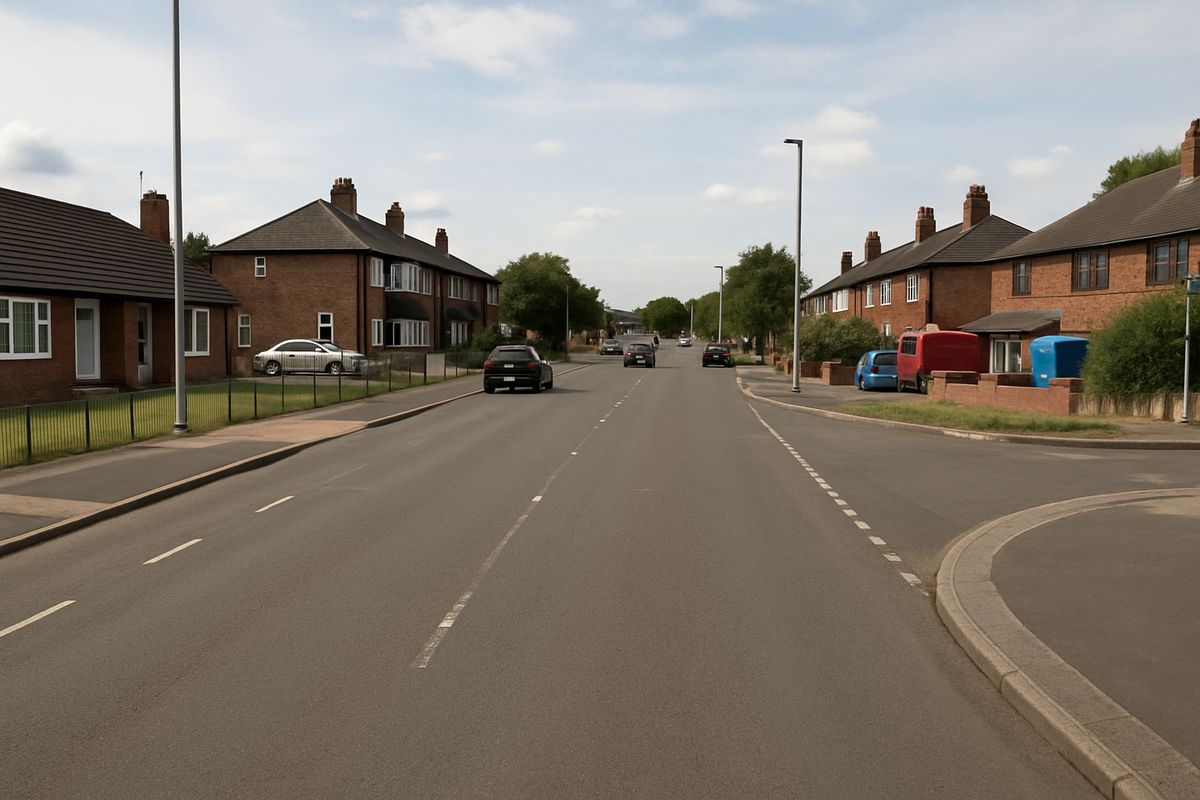
The specific wins detailed in the source material paint a clear picture of the lottery's reach and prize distribution. In Leeds, the focus of the primary headline, two streets won within days of each other. Players on Rossefield Chase, Bramley (LS13 3SF) won on February 27, while those on Edinburgh Avenue, Armley (LS12 3UQ) won on March 3. The latter became Leeds's first winner for March 2026. The articles note that these wins contributed to a notable streak for the city, with Rossefield Chase being the eighth Leeds street to win in February alone, following four winning streets in January.
In Warrington, the win was centred on Longshaw Street in the Dallam area, postcode WA5 0DY. Residents who were signed up to the lottery each received £1,000 on the morning of Thursday, February 26, 2026. Meanwhile, Dorset enjoyed a particularly fruitful February, with at least eight separate postcodes claiming £1,000 prizes throughout the month. The listed winners include BH20 4JR in Wareham, DT4 0AR and DT3 5SB in Weymouth, DT11 7LX in Blandford Forum, BH17 9JP in Poole, BH22 8EZ in Ferndown, BH9 3AF in Bournemouth, and BH23 6AT in Christchurch. Notably, Weymouth had two winning postcodes, and all Dorset wins were the standard daily £1,000 prizes, with no "Millionaire Street" jackpot reported for the county that month.
The People's Postcode Lottery: A Profile of a Charity-First Gamble
To understand the significance of these wins, one must examine the unique mechanics and mission of the People's Postcode Lottery itself. Founded in 2005, it is a subscription-based lottery where players enter using their postcode and pay a monthly fee. The source material cites a cost of £12 per month in some articles and £12.25 in another, indicating a possible recent price adjustment. Crucially, players are automatically entered into every daily draw for that month. The lottery distinguishes itself with a legally mandated charitable commitment: a minimum of 33% of each ticket's price goes directly to charity.
This model has proven extraordinarily successful for fundraising. The sources report that players have raised more than £950 million (Warrington Guardian), over £1.2 billion (Yorkshire Evening Post), and more than £1.3 billion (Bournemouth Echo) for good causes, with the variance likely due to reporting dates. This funding has supported over 9,000 charities and good causes. The lottery's structure means that when a postcode wins, it's not just the residents who benefit; a significant portion of the subscription revenue from that street, and all others, is already earmarked for charitable work, creating a dual narrative of community luck and collective philanthropy.
Prize Tiers and the "Millionaire Street" Dream
The prize system is multi-layered, designed to create multiple winners at different levels. As covered, the daily £1,000 prize for 20 postcodes is the most common win. The larger, life-changing prizes come through two mechanisms. On Saturdays, the "Millionaire Street" draw offers players in one postcode the chance to win a share of £1 million. The monthly prize is even more substantial, with a minimum of £3.2 million shared across a winning postcode sector. As explained in the Bournemouth Echo, typically £1.6 million is shared equally by tickets in the exact winning postcode, and the other £1.6 million is shared by tickets in the surrounding postcode sector. This design encourages a wider circle of winners, fostering a sense of shared fortune across a larger geographic area.
Contextualising the Wins: The UK's Lottery Landscape
The People's Postcode Lottery operates within a crowded and well-established UK gambling market, dominated by the National Lottery. Its success hinges on its differentiated approach. Where the National Lottery offers astronomically low odds for individual, massive jackpots, the Postcode Lottery offers better odds of winning a smaller, yet still significant, prize by virtue of its community-based draw and daily frequency. It trades the dream of becoming an instant multi-millionaire in isolation for the more likely prospect of winning thousands alongside one's neighbours.
Historically, lotteries have been tools for public funding, from the British Museum to the 2012 Olympics. The People's Postcode Lottery modernises this concept by tying participation directly to local geography and transparent, ongoing charitable giving. Its growth—evidenced by the rising charitable totals cited across the sources—reflects a public appetite for "gambling with a conscience." The regular local media coverage of street wins, like those in Leeds, Warrington, and Dorset, serves as powerful, hyper-local advertising, reinforcing the tangible reality of the prizes and connecting the abstract concept of a lottery to familiar streets and neighbourhoods.
Why It Matters
While most coverage focuses on the "who" and "how much" of lottery wins, the deeper significance of the People's Postcode Lottery's model lies in its subtle reshaping of community dynamics and the psychology of gambling. Firstly, it commoditises postcode identity. In a social landscape often divided by postcode-based perceptions, this lottery temporarily inverts the narrative, turning one's postcode from a mere geographic identifier or a potential socioeconomic marker into a tangible asset—a shared ticket to potential fortune. This creates a unique form of communal bonding, however fleeting, among neighbours who may otherwise never interact.
Secondly, the model represents a sophisticated normalisation of charitable micro-donations. By bundling a mandatory charitable contribution into a monthly entertainment subscription, it bypasses donor fatigue and decision paralysis. Participants may primarily be motivated by the chance to win, but the system ensures a steady, massive flow of capital to the third sector regardless of individual intent. This raises nuanced questions about the ethics and efficacy of charity-by-stealth versus deliberate philanthropy, but the outcome—over a billion pounds raised—is undeniably impactful. Furthermore, the daily wins generate a continuous stream of positive local news stories (like those sourced here), which subtly reinforces the lottery's brand as a reliable source of good news and community benefit, overshadowing broader critiques of the gambling industry.
Finally, from an economic perspective, these micro-windfalls likely function as targeted local economic stimuli. A sudden injection of £1,000 into dozens of households on a single street, as seen in Warrington and Dorset, is money that is highly likely to be spent locally on goods, services, or debt repayment, providing a direct boost to neighbourhood businesses. This hyper-localised multiplier effect is a secondary economic consequence rarely discussed in winner-focused reports but is a direct result of the lottery's geographically-precise prize distribution.
What to Watch For Next
The trajectory of the People's Postcode Lottery suggests several key developments to monitor. Firstly, observe the charitable fundraising milestone. The sources cite figures between £950 million and £1.3 billion. The push towards and beyond the £1.5 billion mark will be a major PR focus and testament to the model's sustainability. Secondly, regulatory scrutiny may intensify. As the lottery grows, its unique model—blending gambling, charity, and community—may attract closer examination from the Gambling Commission, particularly regarding its marketing and the clarity of its odds communication to players.
Another area to watch is prize structure evolution. To maintain player interest and compete in the market, the lottery may introduce new prize tiers or special draws. The existing shift from a £12 to a £12.25 monthly fee, as hinted in the sources, indicates ongoing adjustments. Will the percentage guaranteed to charity remain at 33%, or could public pressure or competitive forces drive it higher? Finally, the pattern of wins itself is worth monitoring. Analysts and potential players alike may begin looking for perceived "luck streaks" in certain regions or cities, like Leeds's run of wins in early 2026, though the lottery's design ensures such patterns are statistically random.
Conclusion: More Than Just Lucky Streets
The wins in Leeds, Warrington, and Dorset are emblematic of a quiet revolution in how lotteries function in the UK. The People's Postcode Lottery has successfully carved a niche by leveraging community identity, guaranteeing charitable outcomes, and creating a frequent drumbeat of localised good news. It demonstrates that in an age of digital anonymity and national-scale jackpots, there remains a powerful appeal to shared, local fortune. For the winners on Rossefield Chase, Edinburgh Avenue, Longshaw Street, and across Dorset, the prize is a welcome financial boost. For the wider community and the thousands of charities supported, the real jackpot is the sustained, institutionalised philanthropy that this unique model enables—one postcode at a time.
Sources & References
- Yorkshire Evening Post: Two more Leeds streets win share of People's Postcode Lottery jackpot including first March win
- Warrington Guardian: Lucky Warrington residents win big in People’s Postcode Lottery draw
- Bournemouth Echo: The Dorset postcodes that picked up prizes in the Postcode Lottery last month