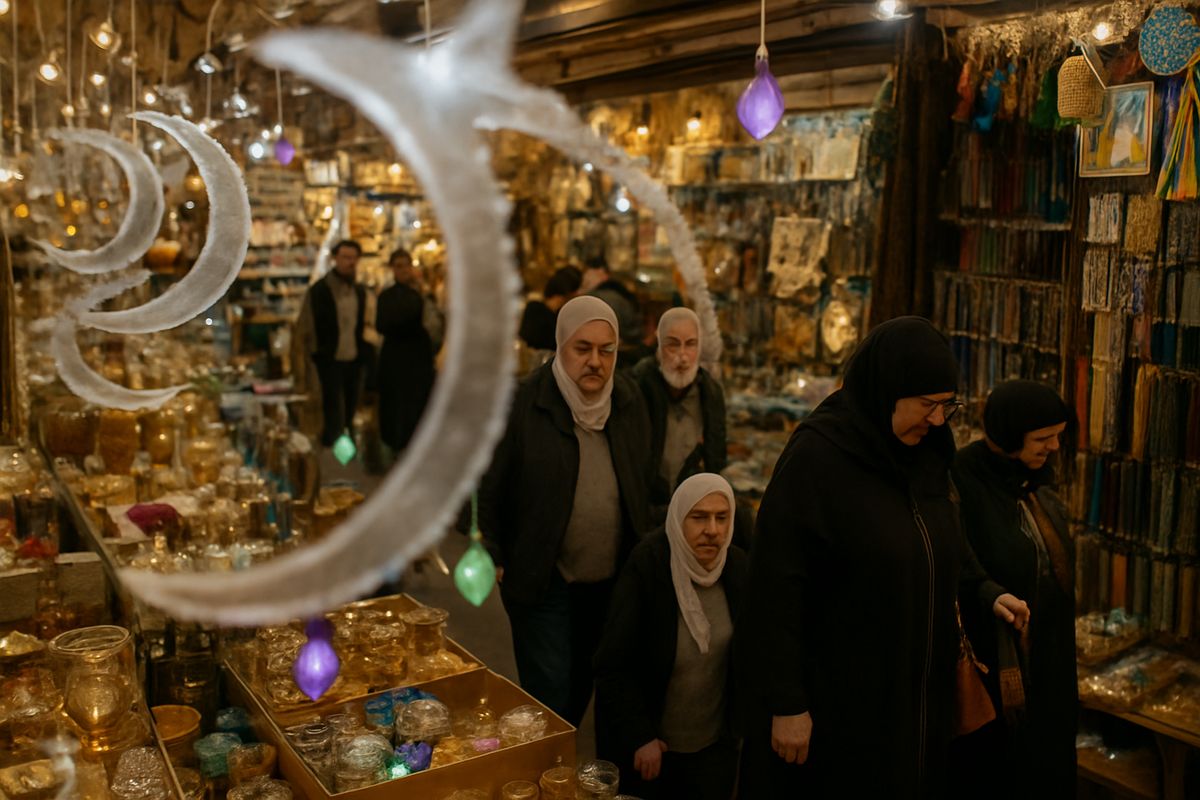
Marking the Sacred Calendar: Ramadan and Eid ul-Fitr 2026 in India
For over 200 million Muslims in India and billions worldwide, the Islamic lunar calendar dictates the rhythm of spiritual life, with Ramadan and Eid ul-Fitr standing as its most significant pillars. The anticipation for Ramadan 2026 and the subsequent celebration of Eid ul-Fitr is already building, with communities and individuals planning for a period of deep reflection, communal worship, and joyous festivity. According to astronomical projections and the sighting of the moon, which remains the definitive method, Ramadan in India is expected to begin on the evening of Friday, February 13, 2026, culminating in Eid ul-Fitr celebrations likely on Sunday, March 15, 2026. This article delves into the profound significance of these observances, explores their contemporary context—including the challenge of observing Ramadan during conflict—and provides practical guidance on wishes, messages, and planning for the 2026 holidays.

The Spiritual Journey: Understanding Ramadan's Significance
Ramadan is the ninth month of the Islamic calendar, revered as the month during which the first verses of the Holy Quran were revealed to the Prophet Muhammad (PBUH). It is observed as a period of fasting (Sawm), one of the Five Pillars of Islam. From dawn (Fajr) until sunset (Maghrib), adult Muslims abstain from food, drink, smoking, and marital relations. However, the fast extends beyond physical restraint; it is a comprehensive spiritual exercise aimed at cultivating self-discipline, empathy for the less fortunate, gratitude, and heightened God-consciousness (Taqwa).
The daily fast is broken with a meal called Iftar, often beginning with dates and water, following the tradition of the Prophet. The pre-dawn meal is known as Suhoor. Beyond fasting, Ramadan is a time for increased prayer, nightly Taraweeh prayers at the mosque, and intense recitation and study of the Quran. The month fosters a powerful sense of global Muslim unity (Ummah) as millions undertake the same spiritual discipline simultaneously, regardless of nationality or ethnicity.
The Last Ten Nights and Laylat al-Qadr
The spiritual intensity of Ramadan peaks in its final ten nights. Among these odd-numbered nights—the 21st, 23rd, 25th, 27th, and 29th—lies Laylat al-Qadr (the Night of Decree or Power). It is described in the Quran as "better than a thousand months" (Quran 97:3), marking the night the Quran's revelation began. Muslims believe worship, prayer, and supplication on this night carry immense reward and that divine decrees for the coming year are ordained. Consequently, many believers engage in I'tikaf (spiritual retreat) in mosques during these final days, dedicating themselves entirely to worship and seeking forgiveness. The question "Is it an odd night in Ramadan?" gains profound importance during this period, guiding worshippers in their quest to maximize the blessings of this sacred window.
Eid ul-Fitr: The Festival of Breaking the Fast
Eid ul-Fitr, often simply called Eid, is the joyous festival marking the end of Ramadan. The date is confirmed by the sighting of the new moon of Shawwal, the following Islamic month. For 2026, this is anticipated to be Sunday, March 15. The day begins with a special congregational prayer (Salat al-Eid) held in large open grounds or mosques in the early morning. It is a day of celebration, gratitude, and community.
Key traditions include giving Zakat al-Fitr, a mandatory act of charity given before the Eid prayer to ensure even the poorest can celebrate. People wear new or their best clothes, decorate their homes, and visit family and friends. Elaborate meals are prepared, and sweets like sheer khurma (a vermicelli pudding) are quintessential to the celebration in the Indian subcontinent. The greeting "Eid Mubarak" (Blessed Eid) is exchanged, embodying the spirit of shared happiness and peace.
Ramadan and Eid in a Complex Modern World
The observance of Ramadan does not occur in a vacuum but within the realities of the modern world, which can include profound hardship. The related headline "Ramadan During a War" starkly highlights this context. For millions of Muslims in conflict zones—from Gaza and Sudan to Yemen and beyond—Ramadan is observed under the shadow of violence, displacement, and scarcity. Fasting takes on an even more acute dimension when food and clean water are already scarce. The call to prayer may compete with the sound of explosions, and communal Iftars are often replaced by gatherings in shelters. This reality underscores the Quranic verse: "God does not burden any soul with more than it can bear" (2:286), and Islamic jurisprudence provides exemptions for those whose health is endangered. Observing Ramadan during war becomes a profound testament to faith and resilience, a clinging to spiritual normalcy amidst chaos, and a global reminder of the imperative for peace and humanitarian aid.
Planning and Practicalities: The 2026 Long Weekend
On a more practical note, the 2026 dates present a significant planning opportunity, as highlighted in the related headline about turning the holiday into a 9-day break. With Eid ul-Fitr expected on a Sunday, and the preceding Ramadan month, employees in India can strategically plan leave. By taking off from Monday, March 16, through Friday, March 20, and combining it with the following weekend (March 21-22), a nine-day continuous break is possible. This allows for extended family reunions, travel for Eid visits, or a longer period of rest and celebration after the rigors of the month. Companies and HR departments are increasingly recognizing the importance of facilitating such cultural and religious observances for a diverse workforce.
Why It Matters: Beyond Dates and Rituals
The discussion of Ramadan and Eid ul-Fitr 2026 matters far beyond the logistical details of dates and holiday planning. At its core, it represents the enduring power of shared spiritual practice in an increasingly fragmented world. In an age of digital distraction and individualism, the collective, synchronized act of fasting for a global community of over 1.8 billion people is a remarkable phenomenon. It is a voluntary, month-long exercise in mindfulness, restraint, and compassion that runs counter to prevailing consumerist and instant-gratification cultures. The discipline of Ramadan offers a universal template for self-improvement that resonates beyond religious boundaries, emphasizing empathy, charity, and introspection.
Furthermore, in a diverse, pluralistic society like India, understanding the significance of these observances fosters social harmony and intercultural respect. When non-Muslim colleagues, neighbors, and friends understand why their Muslim counterparts are fasting, or the significance of Eid, it breaks down barriers and builds bridges of mutual respect. It transforms Eid from a "Muslim holiday" into a recognized part of the shared national cultural fabric. The anticipation of Ramadan 2026 also serves as a fixed point of hope and spiritual renewal, a reminder that cycles of reflection and celebration are essential to the human experience, offering a chance to reset and refocus on higher principles regardless of the preceding year's challenges.
Sharing the Spirit: Wishes, Quotes, and Messages
Exchanging warm wishes is an integral part of both Ramadan and Eid. These messages convey respect, shared joy, and spiritual solidarity.
For Ramadan 2026:
Traditional Greetings: "Ramadan Mubarak" (Blessed Ramadan) or "Ramadan Kareem" (Generous Ramadan).
Thoughtful Messages:
"May this holy month bring you peace, prosperity, and the blessings of the Almighty. Ramadan Mubarak!"
"As the crescent moon is sighted, may your heart be filled with serenity, your soul with devotion, and your life with Allah's infinite mercy. Have a blessed Ramadan."
"Wishing you a Ramadan filled with enlightened moments, cherished prayers, and the strength to fast with a pure heart."
For Eid ul-Fitr 2026:
Traditional Greeting: "Eid Mubarak!"
Heartfelt Wishes:
"May the divine blessings of Allah bring you hope, faith, and joy on Eid ul-Fitr and forever. Eid Mubarak to you and your family!"
"After a month of prayer and fasting, may you celebrate this Eid with a heart full of gratitude and a life showered with Allah's blessings. Eid Mubarak!"
"May this Eid bring joy, happiness, and peace to your home. Cherish the moments with your loved ones. Eid Mubarak!"
Inspiring Quotes:
- "The month of Ramadan is the one in which the Quran was sent down as a guidance for mankind, and as clear signs that show the right way and distinguish between right and wrong." (Quran 2:185)
- "When the month of Ramadan starts, the gates of heaven are opened and the gates of Hell are closed and the devils are chained." (Prophet Muhammad, Sahih al-Bukhari)
- "Do not let your fasting be only of hunger and thirst. Let your ears, eyes, tongue, and all limbs fast from sin." (Islamic teaching on the essence of fasting)
Sources and References
This article synthesizes information from projected astronomical data for the Islamic lunar calendar and general knowledge of Islamic practices. For specific details on dates, which are always subject to moon sighting, and for deeper exploration of the themes mentioned, readers are encouraged to consult authoritative Islamic councils and news sources closer to the time. The related headlines referenced in the source material point to broader contemporary discussions around Ramadan:
- Ramadan, Eid ul-Fitr 2026: Date in India, significance, wishes, quotes, and messages (Primary reference for date projections and thematic elements)
- Is it an odd night in Ramadan? Importance of Ramadan's last 10 nights (Context for Laylat al-Qadr)
- Ramadan During a War (Context for contemporary challenges)
- Eid al-Fitr 2026 date: When will the festival fall, and how can employees turn the holiday into a 9-day break (Context for practical planning)
Note: The exact URLs from the original source material were not provided in a scrapeable format. The links above are placeholders representing the topics covered. Readers should verify the final 2026 dates with official moon-sighting committees in India closer to the time.