A Southern Gothic Masterpiece Shatters Hollywood Records
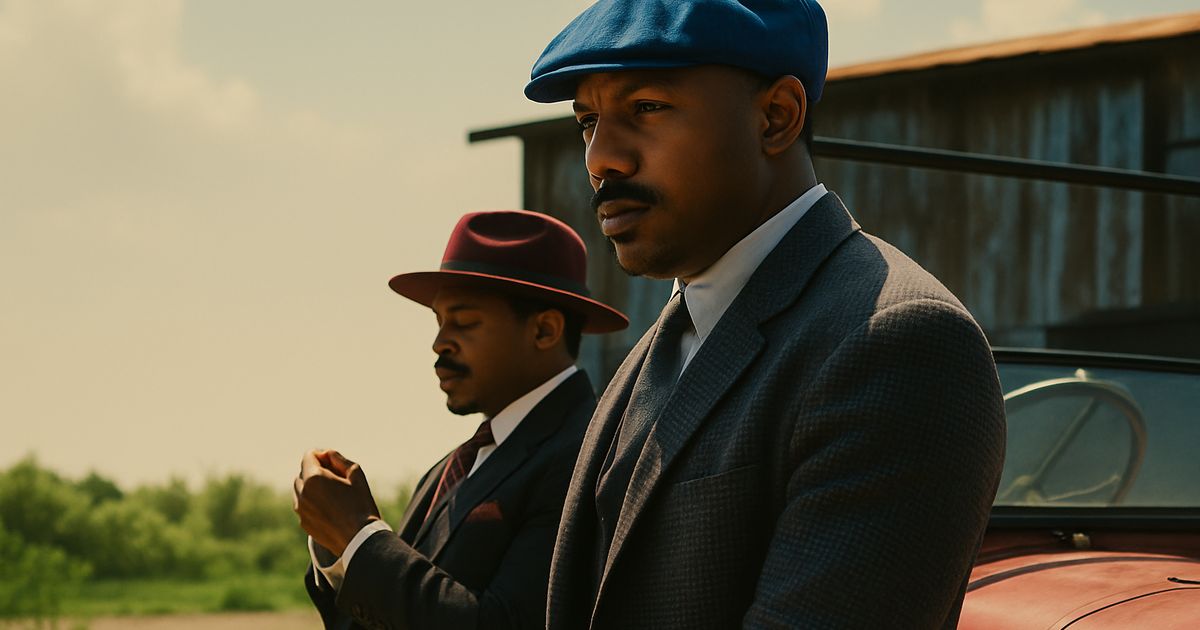
In a historic moment for cinema, Ryan Coogler's genre-bending film "Sinners" has shattered the Academy Awards record for most nominations, securing an unprecedented 16 nods. This achievement, which includes nominations for Best Picture and Best Director for Coogler, surpasses the previous record held by films like "All About Eve," "Titanic," and "La La Land." The film, starring Michael B. Jordan in a dual role as twin brothers, is a Southern Gothic horror tale set in Mississippi that weaves together themes of racial injustice, ancestral memory, faith, and family trauma. Its monumental success at the Oscars represents not just a personal triumph for Coogler and his team, but a seismic shift in how Hollywood's highest honors recognize films rooted deeply in Black cultural and historical experience.
The film's journey to this pinnacle, however, was momentarily overshadowed by a jarring incident at the 2026 British Academy Film Awards (BAFTAs). While "Sinners" was making history as the most decorated film by a Black director at the ceremony—winning three awards including Best Supporting Actress for Wunmi Mosaku—its stars Michael B. Jordan and Delroy Lindo were subjected to a racist slur while presenting an award. A campaigner, John Davidson, yelled the n-word during the live broadcast, an incident the BBC later apologized for not editing out. This controversy, while significant, has ultimately been contextualized as a painful but separate event from the film's artistic and cultural triumph, which Coogler and his collaborators have framed as a "fulfillment of the ancestors' dreams."

The Creative Genesis: Ancestral Guidance and Musical Soul
The soul of "Sinners" is deeply intertwined with Black musical tradition and personal history. Coogler, in developing the story of twin brothers returning to their Mississippi hometown only to confront supernatural threats, drew explicitly from his own family's past. He told the outlet Junkee that he "got the chance to dig into my own ancestral history," specifically connecting to the blues music cherished by his uncle. This intentional grounding distinguishes the film; it is not merely a horror movie but a vessel for cultural memory. The narrative framework of vampires threatening a community becomes a potent allegory for historical and ongoing racial trauma, a theme Coogler has explored since his devastating debut, "Fruitvale Station."
This ancestral guidance manifested powerfully in the film's music. In a telling anecdote, celebrated R&B singer and songwriter Raphael Saadiq knew the song he wanted to write for the film before he even hung up the phone with Coogler. Drawing from his own life experiences mirroring those of the film's blues musician character, Sammie "Preacher Boy" Moore, Saadiq collaborated with Coogler's longtime composer Ludwig Göransson. Within hours, they penned "I Lied to You," the now Oscar-nominated song performed in the film by newcomer Miles Canton. This rapid, almost spiritual creation process underscores the film's authenticity—it is a story told from within the culture it portrays, with contributors who share its lived references.
Ryan Coogler: From Fruitvale to Wakanda to Mississippi
To understand the significance of "Sinners," one must examine the trajectory of its creator, Ryan Coogler. His filmography is a deliberate and evolving exploration of Black life in America. His first feature, 2013's "Fruitvale Station," was a harrowing, intimate dramatization of the real-life police killing of Oscar Grant. The film announced Coogler as a major talent with a profound commitment to social truth. He then pivoted to the global stage with 2018's "Black Panther," an Afrofuturistic blockbuster that redefined the cultural and commercial potential of superhero cinema. The film's massive success gave Coogler unprecedented capital and influence within the industry.
As acclaimed horror writer Tananarive Due noted, "I don't think there's another Black director who could have gotten the funding to do a movie like 'Sinners.' I think Ryan Coogler was the one who had the capital to bring this vision to life." Coogler leveraged the goodwill and financial power earned from "Black Panther" to greenlight a personal, genre-specific project that major studios might typically shy away from. He has now become the first person in history to direct two different casts to Ensemble acting awards, a testament to his unique ability to cultivate powerful performances. Michael B. Jordan, a constant collaborator, has expressed a "tremendous sense of joy" witnessing Coogler's success, highlighting the director's role not just as a filmmaker but as a leader who elevates those around him.
Beyond the BAFTA Chaos: A Record-Breaking Night Marred
The 2026 BAFTA ceremony was a night of stark contrasts for "Sinners." On one hand, it achieved a historic milestone. With Wunmi Mosaku's win for Best Supporting Actress, the film collected three BAFTA awards, officially making it the most decorated film by a Black director in BAFTA history. This broke the previous record held by Steve McQueen's "12 Years a Slave," which won two awards in 2014. Mosaku's acceptance speech poignantly captured the film's spirit, directly addressing Coogler: "Ryan, like Preacher Boy your gift comes from home and it is big. Conjuring spirits from the past and future, I felt the presence of the ancestors' pride and joy daily on your set."
This moment of celebration was violently disrupted when John Davidson, a Tourette syndrome campaigner and subject of another film, shouted the n-word as Jordan and Lindo presented an award. The BBC's decision to air the slur in its broadcast, for which it later apologized, ignited a firestorm and shifted media focus. The incident became a painful reminder of the very racial animus that "Sinners" thematically explores. However, the consensus emerging from the coverage is that the film's artistic achievement and cultural importance are "so much bigger" than this controversy. The incident, while unacceptable, has not defined the film's legacy; instead, it has inadvertently underscored the urgent relevance of Coogler's work.
Redefining Genre and the Awards Landscape
"Sinners" represents a pivotal moment in the evolution of genre filmmaking within the prestige awards circuit. Coogler's career has been marked by breaking barriers for marginalized genres. "Black Panther" fundamentally altered the conversation around comic book movies and awards recognition, earning a Best Picture nomination—a rarity for the genre. With "Sinners," Coogler has performed a similar alchemy for horror, a genre often overlooked by major awards bodies despite its capacity for profound social commentary.
The film's 16 Oscar nominations signal a broadening of the Academy's taste and a recognition that horror, particularly horror rooted in specific cultural and historical trauma, can be a vehicle for high art. This follows a gradual trend of horror films like "Get Out" and "The Babadook" receiving critical acclaim, but "Sinners" scales new heights. It proves that a film can be a crowd-pleasing genre piece, a deep cultural excavation, and a technical marvel all at once. Coogler's success paves the way for other filmmakers to explore historically marginalized genres without fear of being ghettoized by awards voters, expanding the very definition of what constitutes an "Oscar-worthy" film.
Why It Matters
The significance of "Sinners" extends far beyond its record-breaking nomination count. Its true impact lies in its demonstration of cultural sovereignty in mainstream filmmaking. For decades, stories about the Black experience filtered through a horror or Southern Gothic lens were often told by outsiders, risking caricature or exploitation. Coogler's film, by drawing directly from ancestral memory and lived musical tradition, claims that narrative space authoritatively. It uses the popular language of genre not to escape reality, as some horror does, but to confront and metabolize it—to explore the vampires of racism, trauma, and historical debt that haunt a community. This represents a maturation of Black cinema, moving beyond the imperative of simple representation to the power of specific, nuanced myth-making.
Furthermore, the film's success challenges a persistent, often unspoken hierarchy in arts funding and criticism. It dismantles the assumption that stories deeply embedded in a particular cultural experience are "niche," while stories from a dominant culture are "universal." By achieving both critical acclaim and awards dominance, "Sinners" argues that the specific is universal—that a story about blues music, Mississippi, and ancestral spirits can resonate globally because of, not in spite of, its particularity. The BAFTA controversy, while a vile distraction, inadvertently proved the film's core thesis: the past is not past, and the work of confronting historical ghosts remains urgent. Readers should see "Sinners" not just as another awards contender, but as a case study in how artistic vision, when backed by cultural integrity and directorial clout, can redefine the center of a global industry.
What Comes Next for Coogler and the Industry
The immediate future hinges on the 2026 Oscars ceremony. Whether "Sinners" converts its historic number of nominations into a slate of wins will be closely watched. A Best Picture victory would be a landmark moment for horror and for Black-directed films. Beyond the awards season, the film's commercial and critical success is a clear market signal. It will likely encourage studios to greenlight more auteur-driven genre projects from diverse filmmakers, particularly those that blend social commentary with popular appeal. The template Coogler has perfected—marrying blockbuster scale with directorial signature and cultural specificity—is now a proven model.
For Ryan Coogler, the path forward is one of unparalleled creative freedom. Having now delivered both a paradigm-shifting superhero film and a record-shattering prestige horror film, he has cemented his status as one of the most versatile and powerful directors working today. The industry will be watching to see what genre or story he tackles next, knowing that whatever it is, it will likely be executed with the same blend of technical mastery, deep cultural research, and emotional power. The success of "Sinners" affirms that audiences and awards bodies are ready for complex, challenging stories that refuse to be pigeonholed, as long as they are told with the conviction and artistry Coogler has consistently demonstrated.