The Franchise Holdout Finally Lands in a Galaxy Far, Far Away
For over a decade, Ryan Gosling has been Hollywood's most prominent franchise holdout. His name was perpetually rumored for iconic roles like Batman, Superman, Adam Warlock, and Ghost Rider, yet the Oscar-nominated actor consistently charted a course through singular, auteur-driven projects. That deliberate career path is set for a monumental shift in 2027. Gosling will star in Star Wars: Starfighter, marking his first foray into a major, pre-existing cinematic universe. Directed by Shawn Levy (Deadpool & Wolverine), the film is slated for release on May 28, 2027, and represents a pivotal moment not just for Gosling's career, but for the strategic direction of the Star Wars franchise itself.
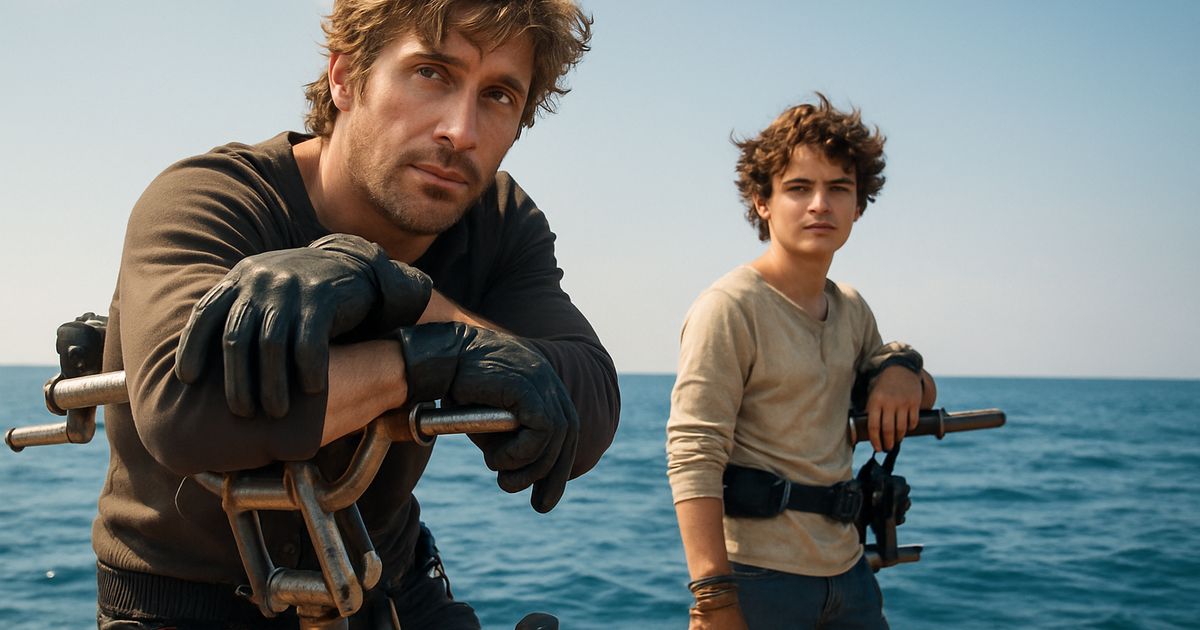
The news, confirmed through interviews promoting Gosling's other 2024 space film, Project Hail Mary, reveals that Starfighter will be the first Star Wars movie set after the events of The Rise of Skywalker. Gosling is set to play an older mentor to a younger character portrayed by Flynn Gray. Lucasfilm is currently touting the project as a standalone story, unconnected to the sprawling Skywalker saga or other established series, though its success could obviously change that trajectory. This casting ends years of speculation and positions one of Hollywood's most respected dramatic actors at the helm of Disney's most valuable franchise at a critical juncture.

Gosling's Calculated Career and the Allure of Star Wars
Ryan Gosling's filmography is a study in curated eclecticism and avoidance of repetition. From the indie romance of The Notebook to the gritty realism of Half Nelson, the synth-soaked noir of Drive, the satirical brilliance of The Nice Guys, and the existential replicant hunting of Blade Runner 2049, he has never played the same character twice. His recent, Oscar-nominated turn as Ken in Greta Gerwig's Barbie further demonstrated his ability to blend comedic chops with poignant character work inside a major studio IP—but one that was being radically reinvented. This pattern makes his commitment to Star Wars particularly significant.
When asked by io9 why Star Wars: Starfighter broke his long-standing franchise embargo, Gosling's answer was pointedly specific: “It was Shawn’s enthusiasm and his vision and the script. And I just avoided these things because they never felt right. And I’m glad I did because I feel like, [similar to] a book like this, [it was] worth waiting for. And it is like a once-in-a-lifetime opportunity.” This statement underscores a key principle in Gosling's choices: the project must be director- and vision-driven, not merely a corporate slot in a release calendar. His alignment with Shawn Levy, a director known for balancing blockbuster spectacle with character-driven heart (Free Guy, the Night at the Museum series), suggests Starfighter aims for a similar tonal blend.
Star Wars at a Crossroads: The Push for Standalone Stories
The announcement of Star Wars: Starfighter arrives as Lucasfilm and Disney aggressively pivot their feature film strategy. The era of the sequel trilogy has concluded, and the studio is publicly moving away from interconnected saga storytelling toward what it calls “standalone” or “event” films. This approach, highlighted in related coverage about the franchise going “against its oldest tradition,” seeks to lower the barrier to entry for general audiences and provide filmmakers with more creative freedom. The 49-year-old franchise's “biggest flex,” as some analysts note, is now its willingness to step outside the shadow of the Skywalker family and Jedi mythology to explore new corners of its universe.
This strategy has precedent with films like Rogue One: A Star Wars Story and Solo: A Star Wars Story, but Starfighter represents its next evolution: a story set in the uncharted future of the timeline, free from the narrative baggage of the past. By setting the film after The Rise of Skywalker, the creators are granted a clean slate. They are not bound by the legacy characters, political state of the galaxy, or even the established power of the Force. This allows Shawn Levy and Ryan Gosling to potentially build something entirely new, which aligns perfectly with Gosling's stated desire for unique, once-in-a-lifetime opportunities. The success or failure of this model will likely dictate the franchise's cinematic direction for the next decade.
The Shawn Levy Factor: A Director for a New Generation
Shawn Levy’s involvement is as critical as Gosling’s. Levy has built a career on crafting accessible, emotionally resonant films within high-concept genres. He is not a director known for dark, deconstructive takes, but for uplifting, character-centric stories that deliver on spectacle without sacrificing humor or heart. His upcoming work on Deadpool & Wolverine demonstrates his ability to navigate and revitalize established IP with a distinct directorial voice. For Star Wars, a franchise sometimes criticized for leaning too heavily into nostalgia or overly somber tones, Levy’s sensibility could provide a crucial course correction—a return to the spirited adventure and wonder that defined the original trilogy.
Levy’s enthusiasm, which Gosling cited as a key factor, suggests a director passionately pitching a specific story, not just executing a studio mandate. This director-actor partnership mirrors the successful collaborations that have defined other standout franchise entries, such as James Gunn with Guardians of the Galaxy or Patty Jenkins with the first Wonder Woman. It signals that Disney is betting on strong creative voices to shepherd individual films, a necessary approach to prevent franchise fatigue.
Industry Implications: The Changing Value of Star Power in IP
Gosling’s casting is a bellwether for the evolving relationship between A-list movie stars and franchise filmmaking. A decade ago, a star of his caliber joining Star Wars would have been seen as the franchise elevating the actor. Today, the dynamic feels reversed. In an era dominated by IP, the presence of a genuine, bankable star who selectively chooses projects brings a layer of prestige and adult audience credibility that pure brand recognition cannot always guarantee. Gosling lends Starfighter an immediate aura of seriousness and artistic intent, differentiating it from other franchise extensions.
This move also reflects a broader trend of acclaimed actors who previously avoided franchise work now finding entry points that align with their artistic sensibilities. Robert Pattinson’s Batman, Cate Blanchett in the MCU, and now Gosling in Star Wars all point to a maturation of the blockbuster landscape, where there is more room for distinctive performance within the tentpole framework. For other major franchises struggling to attract top-tier, discerning talent, the Gosling-Levy-Star Wars model offers a blueprint: secure a passionate director with a clear vision, craft a compelling standalone script, and offer a clean narrative slate.
Why It Matters
Most coverage of this news focuses on the surface-level surprise of Gosling's franchise debut or the basic logistics of the new film. The deeper implication, however, is that this deal represents a tacit audit of the modern Star Wars brand's cultural capital. Ryan Gosling, whose entire career is built on discerning choice, has effectively validated Lucasfilm's new post-Skywalker direction. His participation is a signal to the industry and to audiences that Star Wars can still be a vessel for original storytelling and compelling character work, not just a nostalgia engine. It suggests that the franchise's creative currency, after a period of divisive output, remains high enough to attract cinema's most cautious A-lister.
This connects to a broader, often-missed trend in Hollywood: the re-centering of the director and star as the primary creative engines of franchise films, over pure corporate brand management. The Marvel Cinematic Universe's recent challenges have shown the limits of a homogenized, producer-driven model. By betting on the specific combination of Levy's vision and Gosling's performance, Disney is attempting to reinject the auteurist spark that made the original Star Wars so revolutionary. Readers should view this not just as another casting announcement, but as a key test case for whether major studios can sustainably return to making blockbusters that are, first and foremost, compelling films made by distinctive artists, which just happen to exist within a beloved universe.
Furthermore, this move challenges the audience's relationship with the franchise. If Starfighter succeeds, it proves that audiences will embrace Star Wars stories that are not about Jedi, Sith, or Skywalkers, but about new characters and conflicts. This could unlock a vast new narrative potential for the galaxy far, far away, moving it from a singular mythos into a true shared universe of diverse genres and tones. The pressure is now on Levy and Gosling to deliver a film that justifies this strategic gamble and the actor's long wait for the right franchise vehicle.
What to Watch For Going Forward
The journey to May 28, 2027, will be closely scrutinized. The first major milestone will be the public's and critics' reception to Gosling's performance in Project Hail Mary on March 20, 2024. As a solo, character-driven science fiction film, its success could bolster confidence in his ability to anchor Starfighter. Next, audiences should watch for any updates on Shawn Levy's other franchise work, particularly Deadpool & Wolverine, as its tone and success will heavily influence perceptions of his suitability for Star Wars.
Key questions remain unanswered and will shape the narrative around the film. Will the “standalone” promise hold, or will connections to the broader universe emerge? Will Gosling's character be a Force-user, a pilot, or something else entirely? Most intriguingly, if the film is successful, will Ryan Gosling—a man who has never reprised a role—agree to return for sequels, or will this truly be a one-and-done experience? The answers will determine whether this is a singular anomaly in Gosling's career or the beginning of a new chapter for both the actor and the franchise. The ultimate test will be whether Star Wars: Starfighter feels like a Ryan Gosling movie that happens to be set in the Star Wars universe, or just another Star Wars movie that happens to star Ryan Gosling. The future of the franchise's cinematic ambitions may well depend on the answer.