The Hack That Shook Hollywood
In November 2014, a digital tsunami crashed over Sony Pictures Entertainment, crippling its operations, exposing its secrets, and forever altering the landscape of corporate cybersecurity. Nearly a decade later, the executive at the helm during that unprecedented crisis is breaking his silence, offering a raw and introspective account of the events that led to one of the most damaging corporate hacks in history. In excerpts from his new memoir, former Sony CEO Michael Lynton reveals that the catastrophic breach, widely attributed to North Korea, was precipitated by what he calls "the biggest mistake of my career": the decision to greenlight the Seth Rogen and James Franco comedy The Interview. This revelation provides a startling new lens through which to view the incident, framing it not just as a geopolitical cyberattack but as a profound personal and professional failure born from the insecurities of Hollywood's inner circle.

The Anatomy of a Digital Catastrophe: The 2014 Sony Hack
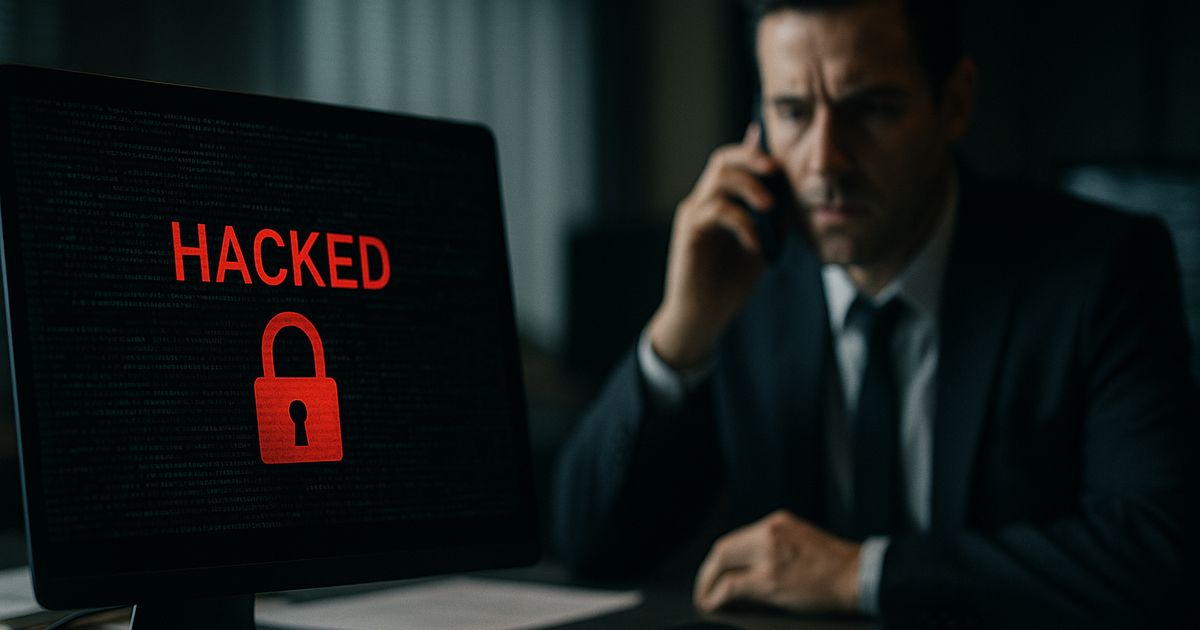
On November 24, 2014, Michael Lynton received a call that would mark the beginning of a corporate nightmare. An executive warned him that something was critically wrong with the studio's IT systems. Upon arriving at work, Lynton was confronted with the staggering scale of the disaster: approximately 70 percent of Sony's servers had been damaged beyond repair. The studio's lifeblood was cut off. As Lynton recounts, "Sony could not make, edit or release movies, use its email or access its financial records or production systems." The company was functionally paralyzed.
The situation rapidly escalated from an internal IT crisis to a global public spectacle. A website appeared online, inviting users to type "DIE SONY" to gain access to a treasure trove of stolen data. The hackers, who would later be identified by the FBI as operatives of the North Korean government, began a systematic and humiliating data dump. They released private emails that revealed embarrassing and unprofessional exchanges between top executives, pirated upcoming films like The Karate Kid, and even the confidential script for the new James Bond movie—an act Lynton describes as "the ultimate Hollywood sacrilege." Most egregiously, they published sensitive employee health records, Social Security numbers, and the personal health information of Lynton's own daughters. "The result was mayhem," Lynton writes, capturing the profound violation and chaos that engulfed the studio.
The Spark That Lit the Fuse: Greenlighting 'The Interview'
At the heart of this digital inferno was a single, seemingly innocuous Hollywood decision. The film The Interview, a raunchy comedy starring Seth Rogen and James Franco, featured a plot in which two American journalists are recruited by the CIA to assassinate North Korea's leader, Kim Jong-un. According to Lynton's new account, his decision to approve the project was deeply flawed, driven less by business acumen and more by a lifelong desire for social acceptance.
Lynton paints a picture of himself as an outsider yearning to belong. He describes a nerdy, lonely childhood, exacerbated by a move to Holland at age nine where he didn't know the language. In 2014, he suggests, the "cool kids" were the A-list actors and veteran Hollywood power players. This insecurity, he claims, left him vulnerable. The pressure to secure a Seth Rogen project was intensified by a fierce, 20-year rivalry between his Sony co-chair, Amy Pascal, and Stacey Snider, the chairwoman of rival Universal Studios. In this high-stakes environment, Rogen's ideas, "no matter how offensive," always found a buyer. Lynton admits he abandoned the studio's normal, careful approval processes. A full-cast table read left him and Pascal "giddy," and they rushed into the decision, "thrilled to have outflanked our competition at Universal Studios and, alas, oblivious to the potential ramifications." This admission aligns with a related headline revealing that even former President Barack Obama later called making the film "a mistake."
A Geopolitical Comedy with Real-World Consequences
The film was not merely a comedy; it was a direct provocation to a nuclear-armed, totalitarian state with a history of aggressive cyber operations. North Korea had issued threats against the film during its marketing period, but Lynton notes that both the studio and the artists involved pushed hard for its release. The catastrophic hack that followed was North Korea's unambiguous and devastating response. Lynton's reflection on the attackers is notably philosophical: he says he wasn't as mad at North Korea, "on the assumption that if you kick the hornet’s nest and get stung, you can’t really blame the hornets." This perspective places the onus squarely on his own decision-making, framing the hack as a foreseeable consequence of a reckless action.
Fallout and Finger-Pointing: The Aftermath of the Breach
The immediate aftermath of the hack was a period of intense scrutiny and blame. While Lynton directs frustration at the press and at Julian Assange for examining and disseminating the stolen emails, the internal culture of Sony was laid bare. The leaked emails revealed toxic exchanges, petty rivalries, and unprofessional comments about major stars, damaging the reputations of several executives, most notably Amy Pascal, who eventually stepped down. The studio faced lawsuits from employees whose personal data was exposed and grappled with a shattered sense of internal security.
Perhaps the most telling detail of the fallout was the evaporation of support for The Interview itself. Lynton observes that the same actors and filmmakers who had fervently pushed for the film's release before the hack saw their fervor "dry up" after the leaks began. Faced with threats of violence from the hackers against movie theaters, major cinema chains like Carmike and Regal pulled the film from their schedules. In a historic move, Sony initially canceled the film's theatrical release altogether, only to later arrange a limited theatrical run and simultaneous video-on-demand release—a decision championed by President Obama, who argued for free speech. The film's journey from a sought-after comedy to a geopolitical flashpoint and finally to a symbol of corporate capitulation and resilience encapsulates the bizarre and unprecedented nature of the entire crisis.
Historical Context: The Sony Hack in the Evolution of Cyber Warfare
The 2014 Sony hack was a watershed moment, serving as a stark wake-up call for the private sector about the new realities of global conflict. It marked a significant escalation in state-sponsored cyberattacks, moving beyond the theft of intellectual property or financial data (as seen in earlier Chinese hacks against companies like Google and Adobe) to include destructive data wiping and psychological warfare aimed at public humiliation and censorship. It demonstrated that a multinational corporation could become a primary target in a geopolitical dispute, suffering consequences as severe as any nation-state.
This incident paved the way for a new era of cyber threats. It presaged the rise of destructive ransomware attacks like WannaCry and NotPetya, which also employed data-wiping techniques. It highlighted the vulnerability of corporate email systems, a lesson that would be brutally reinforced years later in the SolarWinds and Colonial Pipeline attacks. The Sony breach proved that a company's cybersecurity posture was not just an IT issue but a core component of its risk management, public relations, and even its strategic decision-making process for content creation. For Hollywood specifically, it introduced a chilling new variable into the greenlight process: the potential for foreign retaliation.
Analysis: Insecurity, Power, and the Price of Fitting In
Lynton's account is remarkable not just for its details but for its psychological framing. He does not blame flawed technology or inadequate security protocols as the root cause; instead, he points to a deeply human flaw: his own need to be accepted. This transforms the narrative from a simple tale of hackers and firewalls into a cautionary story about leadership, ego, and the culture of Hollywood. It suggests that in an industry built on relationships, glamour, and perceived status, billion-dollar decisions can be swayed by the desire to sit at the popular table.
This introspection raises critical questions about corporate governance. Should a CEO's personal insecurities be allowed to override established risk assessment processes? The incident underscores the necessity of robust, impersonal governance frameworks that can withstand the pressures of internal politics and personal ambition. Furthermore, Lynton's story highlights the unique vulnerability of media companies, whose product—content—can itself be a provocateur. In a digitally connected world, a studio's creative decisions can have diplomatic and security implications far beyond the box office, a reality that every entertainment executive must now consider.
What to Watch For: The Lasting Legacy and Future Implications
The reverberations of the Sony hack continue to be felt today. For corporations globally, it cemented cybersecurity as a C-suite and board-level priority. The massive investments in threat detection, incident response teams, and cyber insurance that define modern corporate security can trace their urgency back to the images of Sony's servers going dark. The incident also spurred greater collaboration between the private sector and government agencies like the FBI and DHS on cyber threat intelligence.
For the entertainment industry, the legacy is more nuanced. While no similar large-scale retaliatory hack has occurred since, the threat landscape has evolved. Studios now routinely conduct security reviews of scripts and projects that might provoke powerful entities, whether foreign governments, extremist groups, or wealthy litigants. The concept of "content risk" has expanded to include digital reprisal. Looking ahead, as generative AI makes deepfakes and synthetic media more accessible, studios face new frontiers of risk where their own content or the likenesses of their stars could be weaponized against them. The core lesson from Lynton's "biggest mistake" endures: in the digital age, the line between creative expression and corporate security is irreversibly blurred, and the cost of misjudgment can be catastrophic.