Storm Evert Wreaks Havoc Along the UK Coast
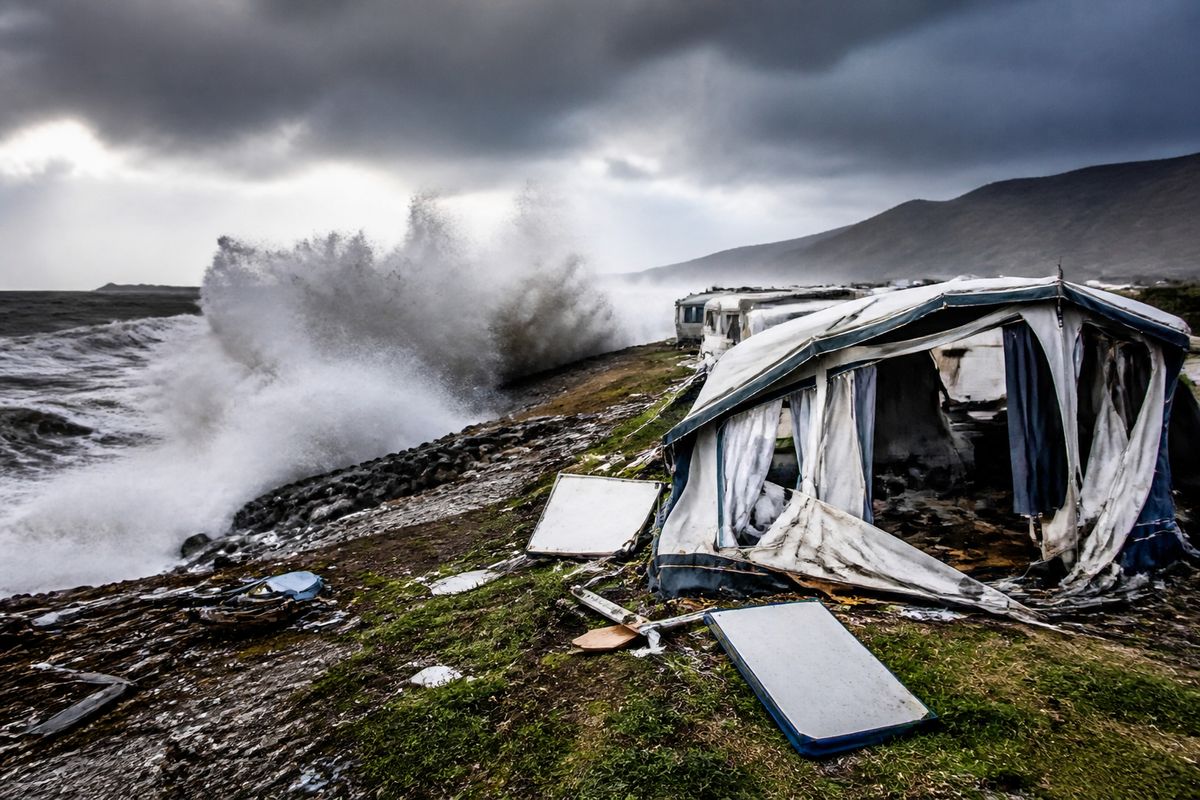
Storm Evert has struck the United Kingdom with ferocious force, destroying campsites and sending huge waves crashing against the coast. Forecasters had warned of severe conditions, but the speed and intensity of the storm still caught many off guard. Winds of up to 75mph have been recorded, leaving a trail of battered tents, overturned caravans, and debris strewn across seaside towns.
The storm is not just a weather event; it is a serious test of the country's preparedness for extreme summer weather. Holidaymakers who had packed their tents and sleeping bags for a relaxing coastal break instead found themselves facing a night of terror. In several locations, campers were explicitly told to "pack up and go" as authorities moved to ensure public safety before conditions deteriorated further.
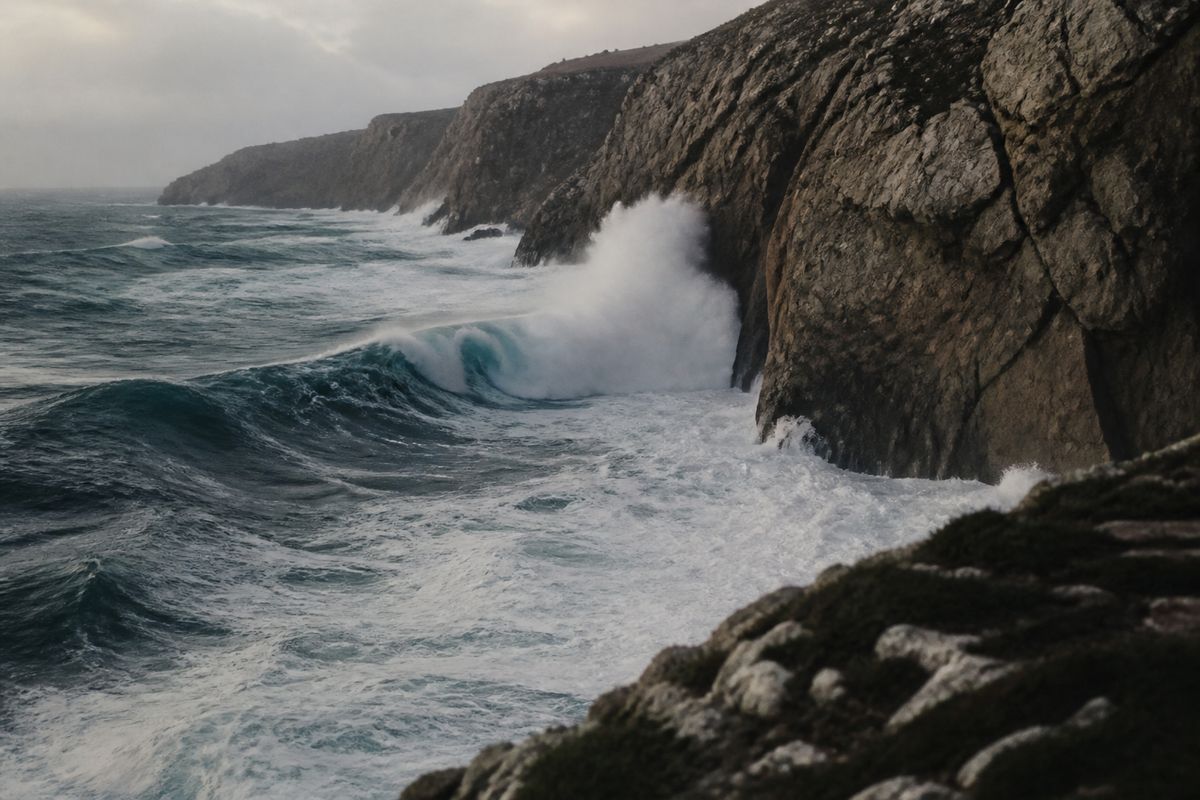
This is the kind of scene more commonly associated with autumn and winter storms, not the height of the summer season. But Storm Evert has defied expectations, and its impact has been felt from the moment it made landfall. The destruction has been widespread, with campsites bearing the brunt of the damage. Trees have been uprooted, fences flattened, and temporary structures lifted into the air like leaves. The huge waves battering the coastline have also caused concern for those living near the shore, as well as for the emergency services tasked with keeping everyone safe.

From Calm to Chaos: Storm Evert's Rapid Onset
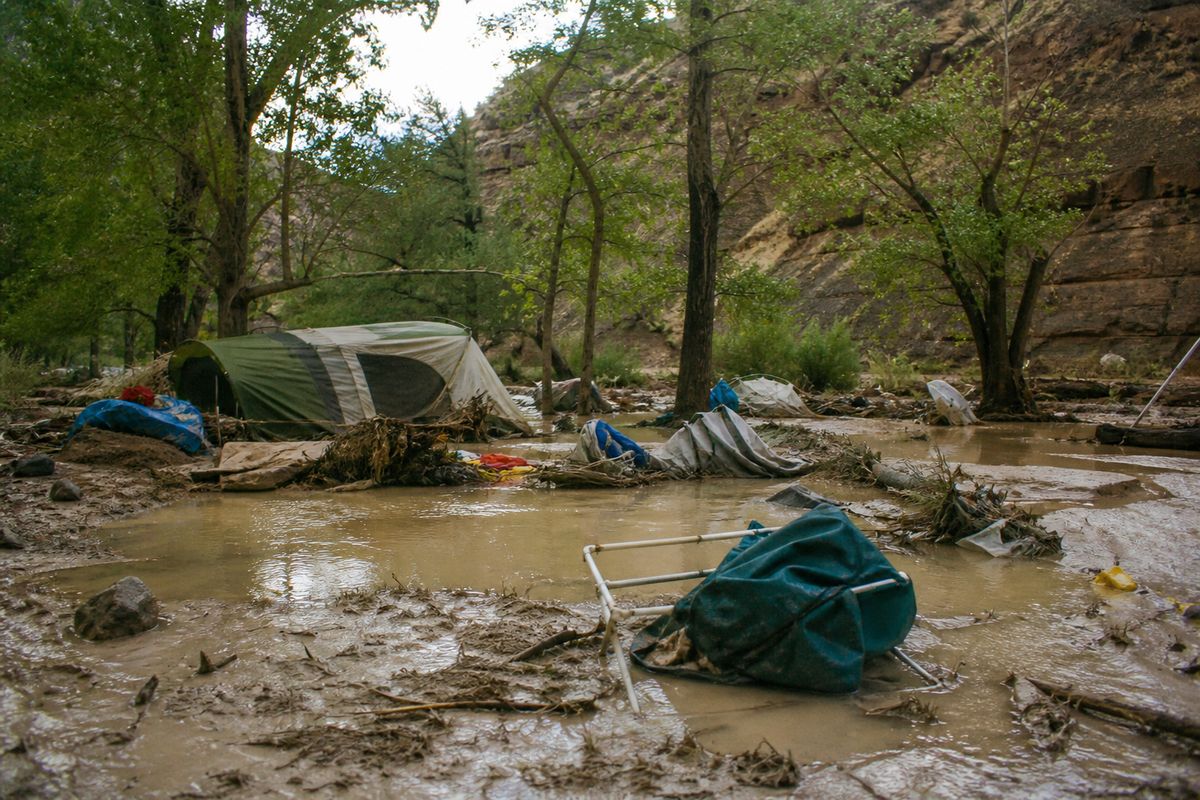
What makes Storm Evert particularly alarming is the speed at which it intensified. Early in the day, the sun was shining in many parts of the country, and families were making the most of the school holidays. By the evening, the sky had turned an ominous grey, and the wind had begun to howl. Within hours, the UK was in the grip of a storm with gusts comparable to a severe winter gale.
The Met Office had issued warnings, but naming the storm gave it a sense of urgency that standard warnings often lack. Named storms are a relatively recent addition to the UK's weather communication strategy, designed to make severe weather more memorable and to encourage people to take action. Storm Evert follows that tradition, but it stands out because summer storms of this magnitude are uncommon. The jet stream, which typically drives Atlantic weather systems, tends to sit further north during August, allowing high pressure to dominate. When that pattern breaks, the result is a storm that feels all the more shocking because of the season.
The rapid onset also created practical problems. Many campers had no way of receiving the warnings in time, or simply did not expect such a dramatic change in conditions. Mobile phone alerts, radio broadcasts, and word of mouth helped some, but for others the first sign of danger was the sound of ripping canvas and snapping poles. The message to "pack up and go" was therefore not just an advisory; it was a necessary evacuation order for mobile populations scattered across exposed countryside and shoreline.
The Dangers Facing Campers in High Winds
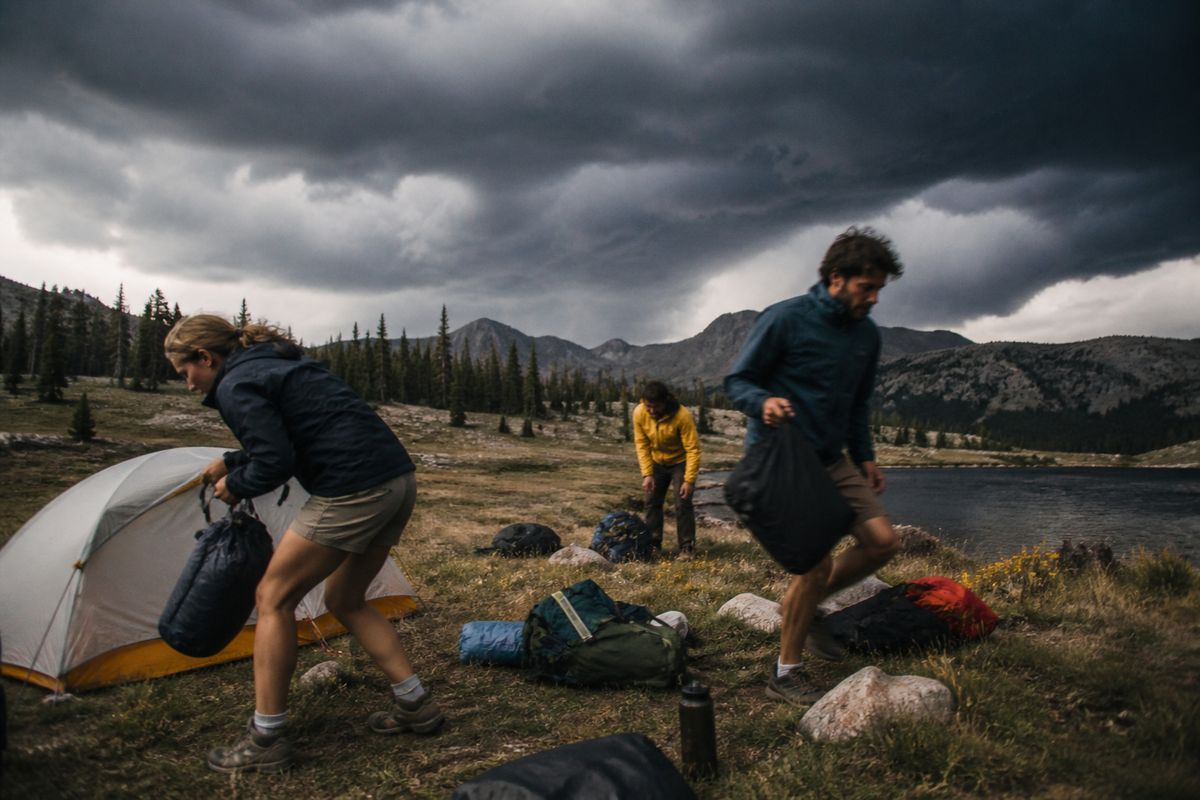
Campsites are uniquely vulnerable to violent weather. Unlike brick-and-mortar homes, tents offer almost no structural resistance to high winds. A 75mph gust can flatten even a well-pegged tent in seconds, leaving occupants exposed to the elements. Caravans and motorhomes, while more robust, are still at risk of being overturned or struck by flying debris. The collapse of a nearby tree can crush vehicles and injure those seeking shelter inside them.
For campers already on site, the advice to leave early was critical. Driving a car towing a caravan in 75mph winds is exceptionally dangerous, and attempting to dismantle a tent in such conditions is both futile and hazardous. The potential for flying pegs, ripping fabric, and personal injury is high. Campers who chose to ride out the storm were putting themselves in serious danger, not only from the wind but from the huge waves that were surging over sea walls and flooding low-lying coastlines.
The destruction of campsites is not just an inconvenience; it represents a significant economic blow to the hospitality industry. Coastal campsites rely on the summer season to generate the majority of their annual income. A single storm like Evert can wipe out an entire weekend's bookings, destroy expensive equipment, and require weeks of repair work. For small family-run sites, the financial impact can be devastating, and the psychological toll on holidaymakers who have lost their belongings and their holiday is considerable.
How the UK Responds to Named Storms
The UK has a well-established system for dealing with named storms, but each one reveals new lessons. Emergency services were on high alert throughout Storm Evert, with coastguard teams monitoring the shoreline and fire and rescue crews standing by to respond to callouts. Local councils deployed sandbags and closed coastal roads where flooding was predicted, while campsite operators worked through the night to assist those who had nowhere else to go.
One of the key challenges was communication. In a fast-moving summer storm, the public may not be paying attention to weather forecasts, especially if they are on holiday and disconnected from their usual routines. The "pack up and go" instruction, delivered directly to campers, was a clear and practical response to this problem. It reflected a shift in how the UK approaches storm safety, moving from merely issuing warnings to giving specific, actionable advice.
However, the response also exposed gaps in resilience. Many campsites are located in areas with poor mobile reception, and not all holidaymakers had access to the internet to check the latest updates. Power outages, caused by falling trees and damaged infrastructure, further complicated the situation. The lessons learned from Storm Evert will undoubtedly inform future emergency planning, particularly for the summer months when the public's guard is naturally lower.
The Bigger Picture: What Storm Evert Tells Us About Extreme Weather
Storm Evert is more than a single disruptive event; it is a snapshot of a changing climate. While it is impossible to attribute any one storm directly to climate change, the conditions that produced Evert are consistent with broader trends. Warmer sea surface temperatures in the Atlantic provide more energy for weather systems, leading to more intense storms. At the same time, a warming atmosphere holds more moisture, increasing the risk of torrential rainfall and flash flooding.
The timing of Storm Evert is also significant. Summer storms of this severity were once considered rare, but they are becoming less exceptional. The UK has already experienced notable summer weather extremes in recent years, from heatwaves to severe thunderstorms. What Storm Evert demonstrates is that the summer months are no longer a reliable period of calm. This has profound implications for the tourism industry, for coastal communities, and for the millions of people who choose to holiday in the UK rather than abroad.
Coastal erosion is another concern that Storm Evert has brought to the forefront. Huge waves battering the coast can remove significant amounts of sand and cause cliffs to collapse. For areas already struggling with rising sea levels, each storm makes the problem worse. The long-term solution requires investment in coastal defences and a rethink of where we build homes, campsites, and infrastructure. Short-term, it means that storms like Evert will continue to cause damage, and communities must become more resilient.
The bigger picture is clear: the UK must prepare for a future where storms are stronger, summer weather is less predictable, and the cost of extreme events is higher. That means better forecasting, more robust buildings, and a public that takes weather warnings seriously. Storm Evert has served as a forceful reminder that nature does not follow a calendar.
Aftermath and Recovery as the UK Digs Out
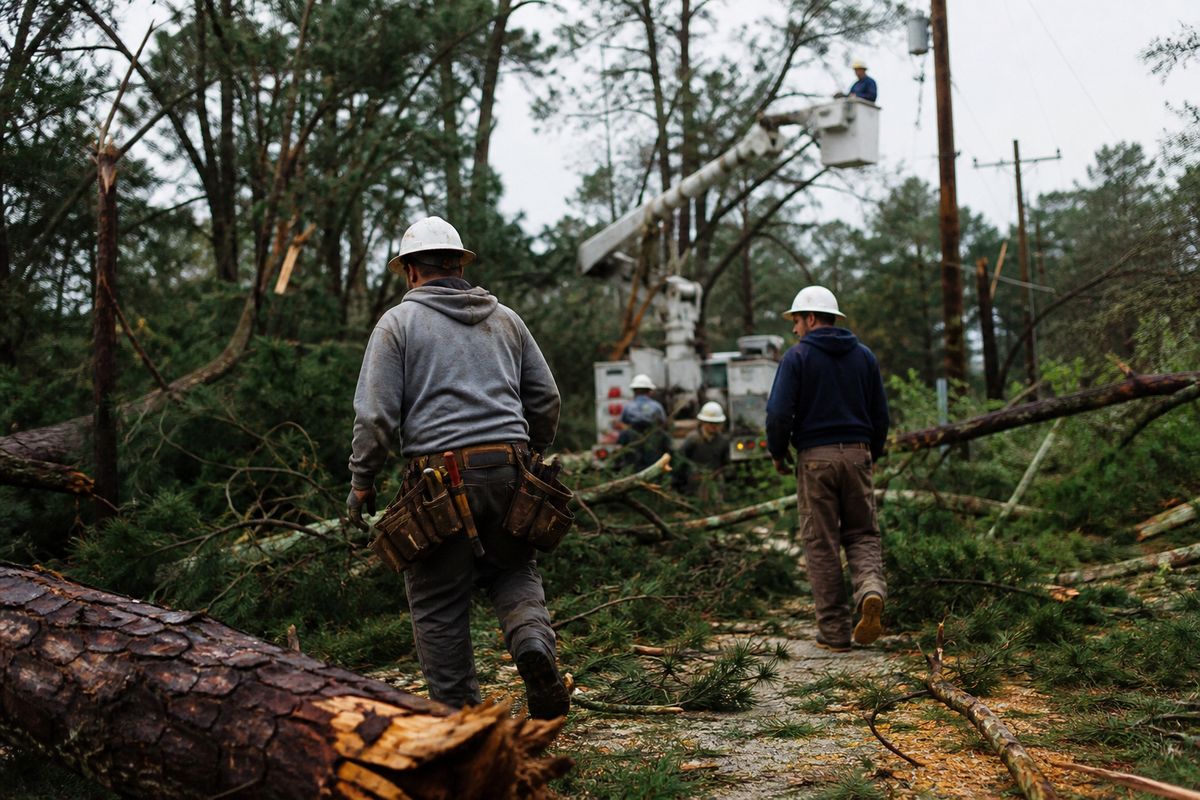
As Storm Evert finally moves away, the scale of the damage is becoming clear. Clean-up operations are underway, with council workers clearing fallen trees and debris from roads and public spaces. Campers are returning to their sites to salvage what they can, and insurance companies are preparing for a flood of claims. For many, the holiday is over, replaced by the frustrating business of recovery.
The human impact, though, is the most important story. No lives have been lost in Storm Evert, according to the reporting so far, but many people have been frightened, injured, and left stranded. The psychological impact of experiencing such violence in what was supposed to be a peaceful setting should not be underestimated. For children, in particular, the memory of a tent collapsing under the force of the wind can linger long after the physical damage has been repaired.
There are lessons in Storm Evert for everyone. For campers, it is the need to check forecasts thoroughly and to have a plan for severe weather. For campsite operators, it is the importance of clear communication and robust safety procedures. For the government, it is the urgent need to invest in climate adaptation and coastal resilience. The storm will fade from the news, but its effects will be felt for months, and its warnings should not be forgotten.
Storm Evert has been a harsh reminder of the power of nature. The UK has weathered the immediate crisis, but the bigger challenge of living with extreme weather is only just beginning.