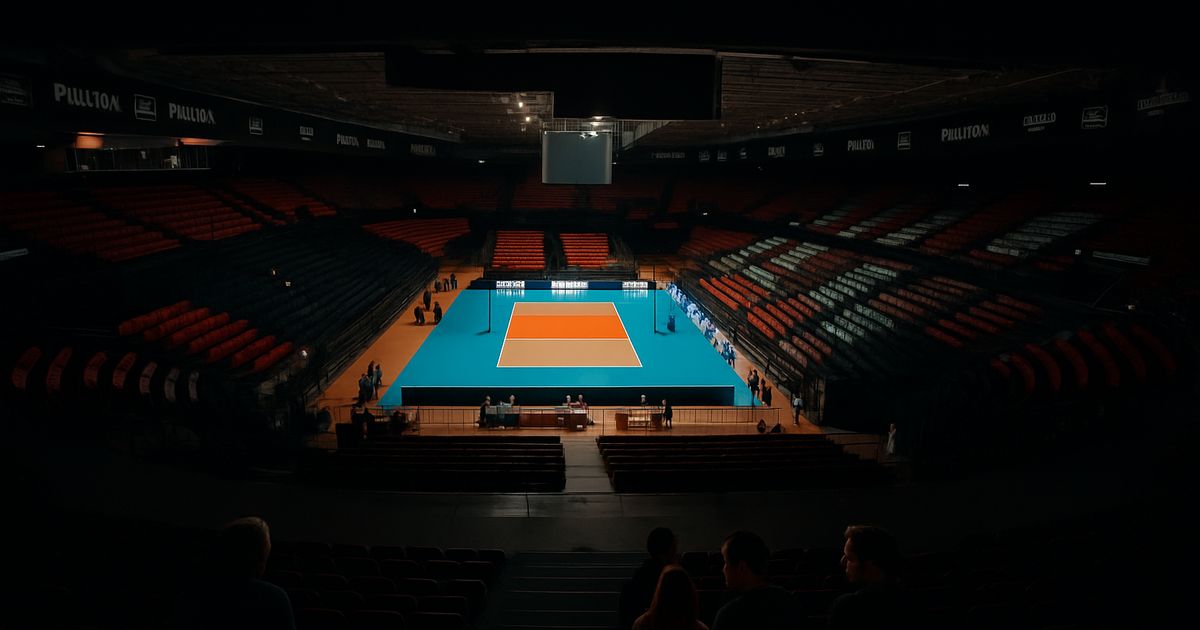
Valencia Ignites a Volleyball Landmark at La Fonteta
From February 26th to March 1st, the city of Valencia transforms into the epicenter of Spanish volleyball, hosting the prestigious 51st Copa del Rey de Voleibol for the very first time. This landmark event, held at the iconic Pabellón de la Fuente de San Luis (La Fonteta), represents a significant moment for the sport in the region. The tournament brings together the eight top teams from the Superliga, including the local hopeful, Conqueridor Valencia, to compete for one of the season's most coveted trophies. The Generalitat Valenciana, through its Director General of Sport, Luis Cervera, has emphatically backed the event, framing it as a pivotal opportunity to boost the sport's profile and consolidate Valencia's status as a premier destination for major sporting events.
The opening day, Thursday, February 26th, set the stage with a clash between the reigning back-to-back champion, CV Guaguas from the Canary Islands, and the historically formidable Pamesa Voleibol Teruel. The action continues through a knockout format, culminating in the grand final on Sunday, March 1st. This hosting duty follows closely on the heels of what officials termed a "great success at all levels"—the Copa del Rey de Baloncesto held the previous weekend—demonstrating the city's capacity and appetite for top-tier indoor sports spectacles. The event is expected to draw significant crowds not only from the Valencian Community but from across Spain, including fans traveling from the Canary Islands, the Balearic Islands, Castilla y León, Aragón, Madrid, and Melilla to support their teams.

The Contenders: A Deep Dive into the Tournament Field
The 51st edition features a compelling mix of established dynasties, ambitious challengers, and historic debutants. The field is defined by its geographic diversity, showcasing the national reach of elite Spanish volleyball.
The Defending Champion and the Perennial Challenger
All eyes are on CV Guaguas, the team from Las Palmas seeking an unprecedented third consecutive Copa del Rey title. Described in the source material as "definitively the team to beat," their opening match against Pamesa Voleibol Teruel was a marquee event. Teruel, despite qualifying seventh for this cup, carries immense pedigree, having contested 10 finals in the last 15 years, establishing a legacy of consistency and big-game experience that makes them a constant threat.
The Local Hope and the Historic Debutant
The host city's pride rests on Conqueridor Valencia, which faces CV Melilla in the quarter-finals on Friday. While historical precedents against Melilla are not favorable, the team will rely on what is anticipated to be fervent home support at La Fonteta to propel them to their first-ever passage beyond the quarter-final stage. On the other side of the bracket, UC3M Voleibol Leganés makes its maiden appearance in the competition, a historic achievement for the club. Their first-round match against ConectaBalear CV Manacor promised drama, as previous encounters between the two have been decided in a fifth set.
The Dark Horses and Seasoned Campaigners
ConectaBalear CV Manacor enters as last year's finalist, boasting a curious statistic: they have never won the trophy, but every time they have participated, they have equaled or improved on their previous result. Grupo Herce Soria, described as having a "great championship" so far, faced Cisneros La Laguna, while CV Melilla arrives "excited by their excellent results" this season. This blend of narratives—from defending dynasties to first-time participants—creates a rich competitive tapestry for the week.
Strategic Significance: Why Hosting the Copa del Rey Matters
The decision to bring the Copa del Rey to Valencia is not a casual one; it is a calculated move with multifaceted implications for the sport's ecosystem. Director General Luis Cervera explicitly linked the event to the Generalitat's broader commitment to sport, highlighting its role in a strategic push for growth and visibility.
Firstly, it serves as a powerful catalyst for grassroots development. Cervera noted that volleyball in the Valencian Community is "increasing the number of licenses, it is on the rise." Hosting a premier national event with extensive media coverage places the sport directly in the public eye, inspiring young athletes and potentially driving further increases in participation at the club and school levels. The sight of a packed La Fonteta for high-stakes volleyball is a potent marketing tool unmatched by regular league play.
Secondly, it reinforces Valencia's credentials as a host city for major events. Following the basketball cup's success, this volleyball tournament is another step in what Cervera called the "consolidation of Valencia as a venue for major sporting events." This strategy enhances the city's brand, stimulates the local economy through tourism and hospitality, and builds institutional expertise in event management. It creates a virtuous cycle where success in hosting one event builds a reputation that attracts others.
Finally, it provides an invaluable platform for the local team, Conqueridor Valencia. Competing on such a prominent stage in front of their home crowd offers a unique chance to capture the imagination of the city and build a larger, more dedicated fanbase. A deep run in the tournament could have transformative effects on the club's profile and resources.
Historical Context and Valencia's Sporting Landscape
The 51st edition of the Copa del Rey de Voleibol marks a historic first for Valencia, but the city is no stranger to major sporting spectacles. La Fonteta itself is a hallowed ground in Spanish basketball, regularly hosting finals and international fixtures. The seamless transition from a top-tier basketball cup to a top-tier volleyball cup in the same venue within a week underscores the arena's versatility and the city's administrative capability.
Historically, the Copa del Rey trophy has been dominated by a handful of clubs, with teams like Teruel and Guaguas writing their names into the competition's lore. For a new host city to enter this history is significant. It diversifies the geographic footprint of the event, which has traditionally been held in other Spanish cities, and tests the popularity of volleyball in a region with a deep-seated passion for other sports like football and basketball.
This event also intersects with broader narratives of community and solidarity in the region. While not directly part of the volleyball tournament, the related headline about actor Héctor Melgares walking from Madrid to Valencia to aid towns affected by a DANA (isolated high-altitude depression) or severe flood event is a poignant reminder of the recent challenges faced by the Valencian Community. Major sporting events can serve as moments of communal celebration and resilience, offering a positive focal point for local pride and collective spirit in the aftermath of difficult periods.
The Fan Experience and Event Spectacle
Organizers have designed the 51st Copa del Rey to be more than just a series of matches; it is positioned as a weekend-long festival of volleyball. The final on Sunday, March 1st, is billed as "the great party of volleyball," featuring a notable entertainment component. Internationally renowned DJ Carlos Jean, in collaboration with ESVOLEY, will premiere a new hit and warm up the La Fonteta crowd from 4:00 PM, ahead of the 5:30 PM final.
This integration of music and sport is a deliberate move to enhance the spectacle and attract a broader audience, creating an electric atmosphere befitting a championship final. The schedule itself, with daily double sessions at 5:00 PM and 8:00 PM, is designed to build narrative momentum throughout the week, allowing fans to immerse themselves in the unfolding drama of the knockout bracket. The expectation of a "great attendance of spectators" from across Spain suggests a vibrant, multi-cultural atmosphere in the stands, with fan groups from islands, peninsular regions, and autonomous cities contributing to a uniquely national celebration of the sport.
Future Outlook: What This Means for Spanish Volleyball
The successful execution of the 51st Copa del Rey in Valencia could have lasting repercussions for the trajectory of volleyball in Spain. The immediate metric of success will be attendance figures and the atmosphere generated, which will be closely watched by the Royal Spanish Volleyball Federation and potential future host cities.
A successful event would likely encourage the federation to rotate the cup among a wider array of cities, following the model of other sports, to grow the fanbase nationally. For the Valencian Community, the key indicator will be whether the anticipated surge in interest materializes in tangible ways: increased club memberships, higher attendance at Conqueridor's regular season games, and greater media coverage for local volleyball.
Furthermore, this event tests the commercial appeal of volleyball outside its traditional strongholds. Strong ticket sales and engaged crowds would send a powerful signal to sponsors and broadcasters about the sport's growth potential. The collaboration with figures like Carlos Jean also points to a modernizing approach to presentation, aiming to make the sport more appealing to younger demographics.
In the long term, the aspiration will be for Valencia to become a recurring host for major volleyball events, potentially including European club competitions or national team matches. The 2026 Copa del Rey serves as the critical audition for that larger role. The performance of the Conqueridor Valencia team is equally crucial; a competitive showing or a surprise run can embed the club and the sport more deeply into the city's sporting consciousness, creating a legacy that lasts long after the final whistle.