The Moment It All Clicked: ADHD and Menopause Collide
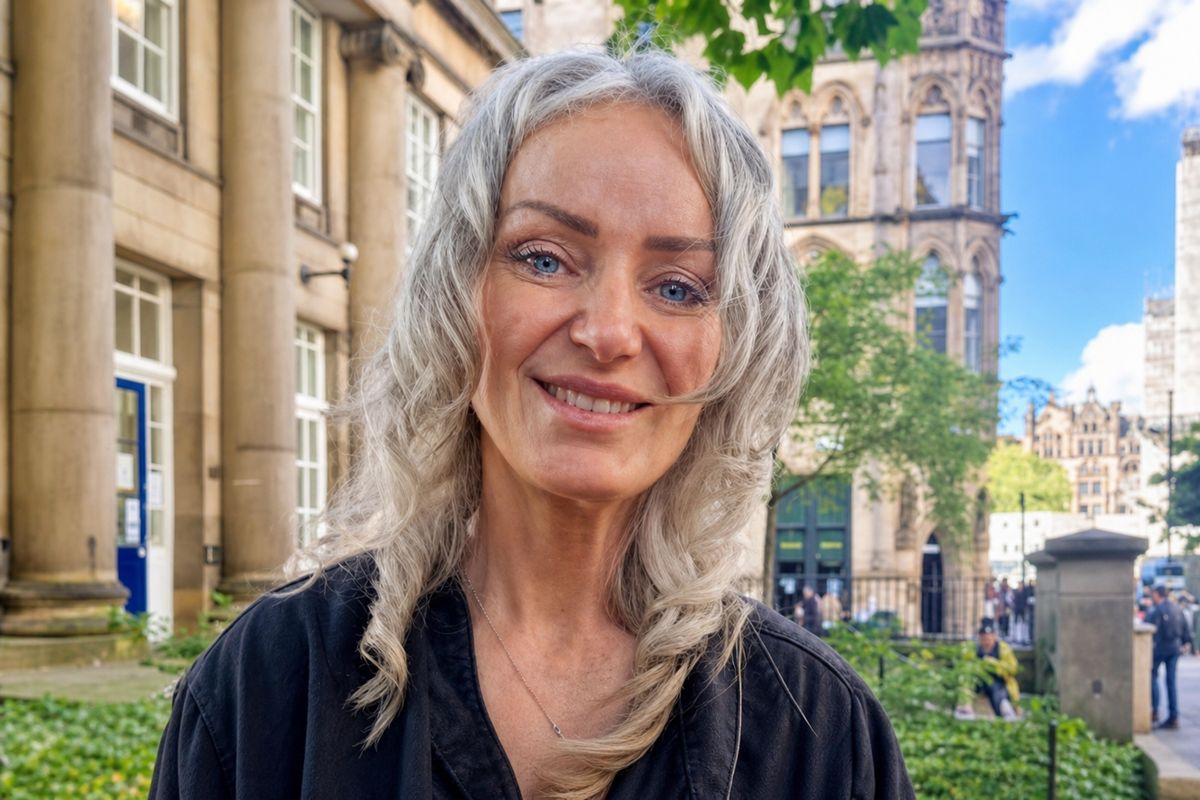
Imagine running a successful career for decades, only to watch it crumble without warning. That is what happened to Gill Charlton. At 43, she was diagnosed with ADHD. But the real kicker? She only found out because she went through early menopause triggered by breast cancer treatment. Now 46, Gill looks back on those years and says, simply: 'I'd had a really successful career and suddenly the wheels started falling off.'
Gill served in the British Army for more than 20 years. After leaving, she built a new life. Then cancer hit. The medication for her oestrogen-positive breast cancer pushed her into a clinical menopause early. And that is when everything unravelled. Her ADHD symptoms, which had been manageable or hidden behind years of coping strategies, roared to the surface. She is not alone. Stories like hers are popping up in support groups across the UK, as more women in their late 30s and early 40s discover they have attention deficit hyperactivity disorder, often for the first time.
This week, Dr Helen Wall, a GP from Bolton, called for more awareness and training to help women diagnosed with ADHD during menopause. She said the experience can feel like 'life was completely unravelling'. And with long NHS wait times and a system that often misses women entirely, the gap between need and support is glaring.
Why Menopause Amplifies ADHD: The Hormonal Connection
Menopause is not just hot flushes and sleepless nights. For women with ADHD, it can be a catalyst. The drop in oestrogen that happens during perimenopause and menopause directly affects the brain's ability to regulate attention, memory, and impulse control. Laura Mears-Reynolds, who founded the support group ADHDAF+ in 2022 after her own diagnosis, explains it clearly: 'When that oestrogen starts to drop, our ADHD is exacerbated so our symptoms get worse.'
She adds that the coping strategies women build without even realising it become impossible to uphold. 'The mask becomes impossible to maintain,' she says. That is why so many women are being diagnosed in their late 30s and early 40s, exactly when perimenopause typically begins. It is not that ADHD appears overnight. It was always there. But the hormonal shift strips away the camouflage.
Dr Helen Wall, who recently published a book on ADHD and menopause, emphasises that the two conditions share overlapping symptoms, things like brain fog, mood swings, and difficulty concentrating. This makes it easy for women to assume they are just experiencing a rough menopause, when actually ADHD is the underlying driver. Without proper training, GPs can miss the connection entirely.
A Double Diagnosis: Cancer, Early Menopause, and a Late ADHD Discovery
Gill Charlton's path to diagnosis was anything but straightforward. She was diagnosed with breast cancer that was oestrogen positive. The medication she took after treatment induced a clinical menopause early. That is when her ADHD symptoms 'came to the fore', as she puts it. Before cancer, she had managed. After? Everything fell apart.
She now runs a support group in Manchester called ADHDAF+, which has 13 groups across the country, with four in the north west of England. Gill works as a celebrant these days, and she says the power of community is transformative. She recalls a woman who came to the group after running her own successful business. 'She couldn't function anymore. Her business ceased to trade. She went in and out of psychiatric help and then one day she was diagnosed with ADHD. She then realised that she was in perimenopause. She just needed those support systems.'
The story is painfully common. Women are misdiagnosed with depression or anxiety, put on antidepressants that do little, and left to struggle alone. The late diagnosis of ADHD in women is a known issue, but the menopause connection is only now getting the attention it deserves.
The Hidden Crisis: Women Missing ADHD Diagnoses
ADHD is often seen as a childhood condition, and a boy's condition at that. But research and lived experience show that girls and women are underdiagnosed because they tend to present differently. They internalise symptoms, develop elaborate coping mechanisms, and only crash when life gets more complex, often during hormonal transitions like puberty, pregnancy, or menopause.
The NHS system is stretched. Dr Wall points out: 'It's really challenging for anyone, male or female, who think they may have ADHD or any neurodivergence. The systems are very clogged, there's long wait times to be assessed, long wait times to be seen and managed.' Even for those who do not want medication, getting support is tough. That is why peer-led groups like ADHDAF+ are filling a critical gap.
In December 2025, the government launched an independent review to examine how the health system delivers mental health, ADHD, and autism services. The NHS Lancashire and South Cumbria Integrated Care Board told the BBC it 'recognised the challenges highlighted and the impact that long waits can have on people seeking help'. It said demand had surged since the pandemic and that a full transformation of adult ADHD pathways was underway. 'Our ambition is an end-to-end pathway that offers early support, timely access to specialist care where needed, and a personalised package of support for everyone who comes forward for help,' the ICB said.
The Power of Community: How ADHDAF+ is Filling the Gap
Laura Mears-Reynolds started ADHDAF+ in 2022 after her own diagnosis. She does not sugarcoat what it meant: 'Getting those answers and starting treatment for ADHD absolutely saved my life. There's no doubt about it.' The charity now runs 13 groups nationwide, each offering a space where women can share experiences, learn coping strategies, and simply feel understood.
Gill Charlton, who runs the Manchester branch, says the group has a magnetic effect. 'I cannot explain the power of community,' she says. For women who have spent years feeling broken or confused, finding others who get it is huge. The group is not just about talking; it provides practical support and signposting to NHS services, private assessments, and educational resources.
The need is enormous. Dr Wall says groups like ADHDAF+ are vital because the formal system cannot keep up. 'Even if you don't want a diagnosis and don't want medication, it's difficult to get that support,' she says. Peer support fills the void, but it should not have to. The ideal scenario is a system where women can get diagnosed early, access treatment quickly, and have ongoing support through major life stages like menopause.
What's Next: Hope for Better Diagnosis and Support
So where do we go from here? The government's independent review, launched at the end of 2025, is a start. But reviews take time, and the system is already creaking. The NHS transformation in Lancashire and South Cumbria is a pilot that could set a template for the rest of the country. If it delivers on its promise of an 'end-to-end pathway', it could reduce waiting times and offer a more personalised approach that includes neuro-informed mental health services, peer support, and practical skills education.
Dr Helen Wall's book and her public calls for training could accelerate change at the GP level. If more doctors learn to spot the intersection of ADHD and menopause, fewer women will spend years floundering. Awareness is also growing among employers, who are starting to recognise neurodiversity as a workplace issue. Flexible working, coaching, and understanding can make a massive difference for women whose symptoms are surfacing during perimenopause.
There is also a push for more research into hormonal influences on ADHD. Historically, most studies focused on boys and men. That is changing, but slowly. As more women speak out, stories like Gill Charlton's put a human face on the statistics. The message is clear: if you are a woman in your late 30s or early 40s and everything suddenly feels harder, it might not be your fault. It might be ADHD, unmasked by menopause. And there is help out there.
A Call for Greater Understanding
The story of Gill Charlton, Laura Mears-Reynolds, and the women at ADHDAF+ is a wake-up call. Menopause is tough enough. ADHD on top of it can feel like the ground giving way. But with the right diagnosis, the right community, and the right medical support, women can rebuild. 'I cannot explain the power of community,' Gill says again, and you believe her.
If you are affected by any of the issues in this article, help and support is available through the BBC Action Line. The link is at the top of this page. And if you think you might be in the same boat, do not ignore it. Talk to your GP. Join a support group. You are not alone, and the wheels do not have to keep falling off.