Anthony Joshua vs Tyson Fury talk flares up again, and this time it has a venue
The Anthony Joshua vs Tyson Fury saga does what it always does, it refuses to sit still. In the past 48 hours, the loudest new wrinkle is a claim doing the rounds that Tyson Fury has confirmed a fight with Anthony Joshua at New York City’s Madison Square Garden. The spark comes not from a formal press conference or a promoter’s glossy announcement, but from a wave of online chatter that has quickly snowballed into a full blown news cycle.
And that matters, because the heavyweight division runs on momentum as much as it runs on rankings. When a fight as commercially massive as Joshua vs Fury is even hinted at, broadcasters, sponsors, and rival camps all start moving pieces. But here is the key point: the source material available right now does not include an official bout sheet, a signed contract, a sanctioning body confirmation, or a promoter statement with a date and terms. What it does show is that the story has reached the stage where fans are openly questioning whether the noise is genuine progress or a coordinated push to dominate headlines.
That scepticism is not cynicism for the sake of it. It is learned behaviour. Boxing has trained audiences to treat “confirmed” as a flexible word, especially when the prize is the biggest British heavyweight fight of the era and the venue being floated is one of the sport’s most symbolic stages.
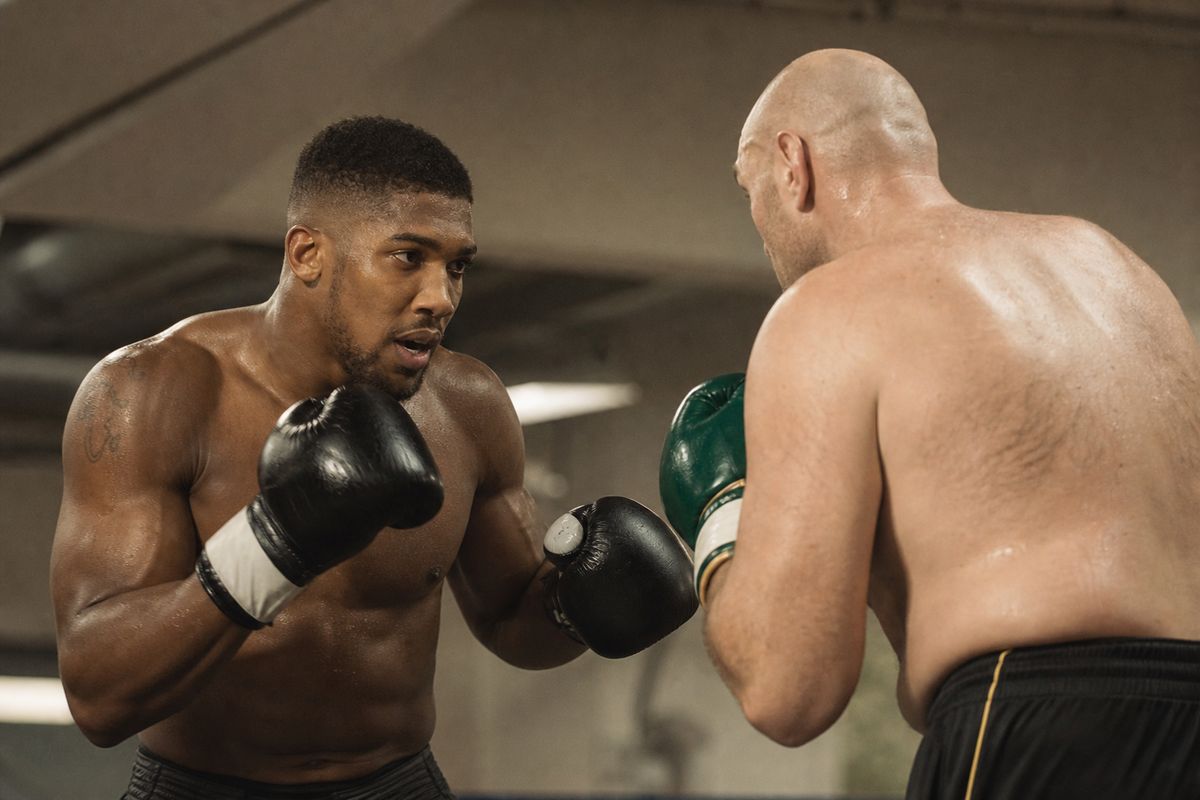

The specific development: Fury “confirms” Joshua fight at Madison Square Garden
The immediate development is simple on paper: a community discussion in the boxing world reports that Tyson Fury has confirmed an Anthony Joshua fight at Madison Square Garden in New York City. The conversation is lively and, frankly, revealing. One highly upvoted comment captures the prevailing mood: fans feel it could be “a collective effort by all parties involved to get as much press as possible”. That is not proof of anything, but it is a useful lens for understanding how modern fight promotion works in 2026.
Madison Square Garden is not a random name to drop. It is a venue that signals global ambition, not just domestic bragging rights. If Joshua vs Fury is staged there, it becomes a statement that the fight is not merely a British cultural event exported overseas, but a heavyweight spectacle aimed at the widest possible market. That is why the claim has cut through so quickly, even without the usual paperwork being made public.
Still, there is a big gap between a fighter saying something and the sport making it real. Boxing’s machinery includes promoters, broadcasters, venue operators, and often multiple sanctioning bodies. The source material provided does not include details such as the fight date, the weight class stipulations beyond heavyweight, the number of rounds, the broadcast partner, or whether any titles are attached. Until those elements appear in a verifiable way, the story remains a high profile claim rather than a completed deal.
But the claim alone is a development. It changes the temperature. It forces other stakeholders to react, even if only privately. And it gives fans and media a concrete hook, a venue, a city, a stage, to argue over rather than the usual vague “talks are ongoing” fog.
Who Anthony Joshua is in 2026, and why his career context matters
Anthony Joshua is not just a famous boxer, he is a modern heavyweight institution. The available background material notes that he held the unified heavyweight championship twice between 2017 and 2021, and that he held the International Boxing Organization (IBO) title during his reigns. Those years matter because they define Joshua’s peak as a belt holding champion and frame how the public judges him now: as a man who has been on top, lost it, regained it, and then had to navigate the brutal second act that elite heavyweights often face.
Joshua’s brand is also enormous. His public profile is not a side note, it is part of the business logic of any mega fight. The source material points to his social reach, with an Instagram following listed at 19 million. That kind of audience turns a fight into a global entertainment product. It also changes negotiating power. A fighter with that platform can sell a narrative directly, bypassing traditional media, and that can be used to apply pressure in negotiations or to shape fan expectations.
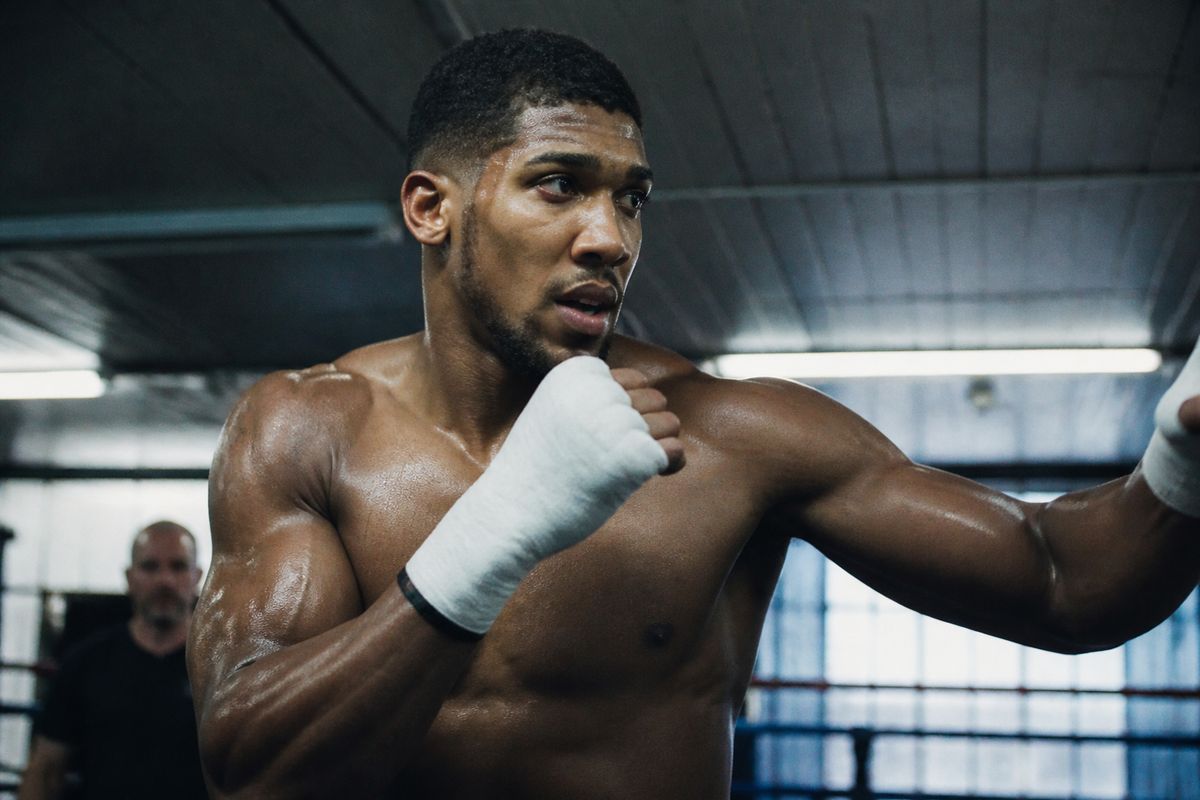
There is also a technical and psychological layer that keeps coming up among fans. A separate community discussion from July 2026 focuses on Joshua’s punch resistance, with commenters arguing it has “always been a question” rather than a sudden decline. That is not medical evidence or performance data, but it does reflect a persistent storyline around Joshua: when he gets hit clean, can he recover quickly enough against the very best? In a potential Fury fight, that narrative becomes central because Fury’s style is built around control, timing, and making opponents second guess themselves.
Put it together and Joshua enters any Fury negotiation with two things at once: proven championship history and a gigantic commercial footprint, plus a fan base that is both loyal and demanding. He is not just selling a fight, he is selling the idea of a defining win that reshapes how his era is remembered.
Who Tyson Fury is to this story, and why Madison Square Garden is a loaded choice
The source material here is light on Fury’s formal biography, so it is important not to overreach. What can be said, based on what is provided, is that Fury is actively talking about Joshua in public and that the idea of a “demolition job” is being floated in recent coverage elsewhere. That kind of language is classic heavyweight theatre, but it also signals intent: Fury wants the public to see the matchup as a stylistic problem for Joshua, not a 50 50 scrap.
And then there is the venue. Madison Square Garden is not just “a big arena in New York”. It is a historic boxing stage, one that carries a certain mythology. If the fight is truly being targeted there, it suggests a strategy that goes beyond selling out a stadium in the UK. It suggests a desire to plant a flag in the US market, to make the event feel like a global heavyweight summit rather than a domestic grudge match.
But there is a practical side too. A New York event changes the rhythm of fight week, the media obligations, the sponsor ecosystem, and the time zone considerations for broadcasters. It also changes the crowd composition. A UK stadium crowd for Joshua vs Fury would be overwhelmingly British and emotionally invested in the rivalry. A Madison Square Garden crowd is likely to be more international, more celebrity heavy, and more tuned to the spectacle. That can subtly affect how fighters experience the build up and, in some cases, how they perform.
So when fans react to the “confirmed at MSG” claim with suspicion, they are not just nitpicking. They understand that naming a venue is a power move. It frames the fight as already inevitable. It makes backing out look like failure. And it forces the other side to either validate the claim or risk looking like the obstacle.
Why the Anthony Joshua vs Tyson Fury fight keeps slipping, and what is different in 2026
There is a reason the boxing public has developed a hair trigger for doubt. Joshua vs Fury has been discussed for years, often loudly, often with apparent progress, and yet it has not materialised in the way fans expect from other sports. The source material does not provide a timeline of past negotiations, so this article cannot responsibly list specific failed dates or contractual breakdowns. But the pattern is familiar enough to shape today’s reaction: when a “confirmation” appears without the usual supporting details, people assume it is another promotional feint.
What is different in 2026 is the communications environment. Fighters and their teams can create a news cycle instantly, and they can do it without committing to the legal and financial realities of a signed bout agreement. A single statement, or even a paraphrased claim repeated by influential accounts, can dominate the conversation for days. That is not inherently dishonest, but it does mean the public has to separate promotion from completion.
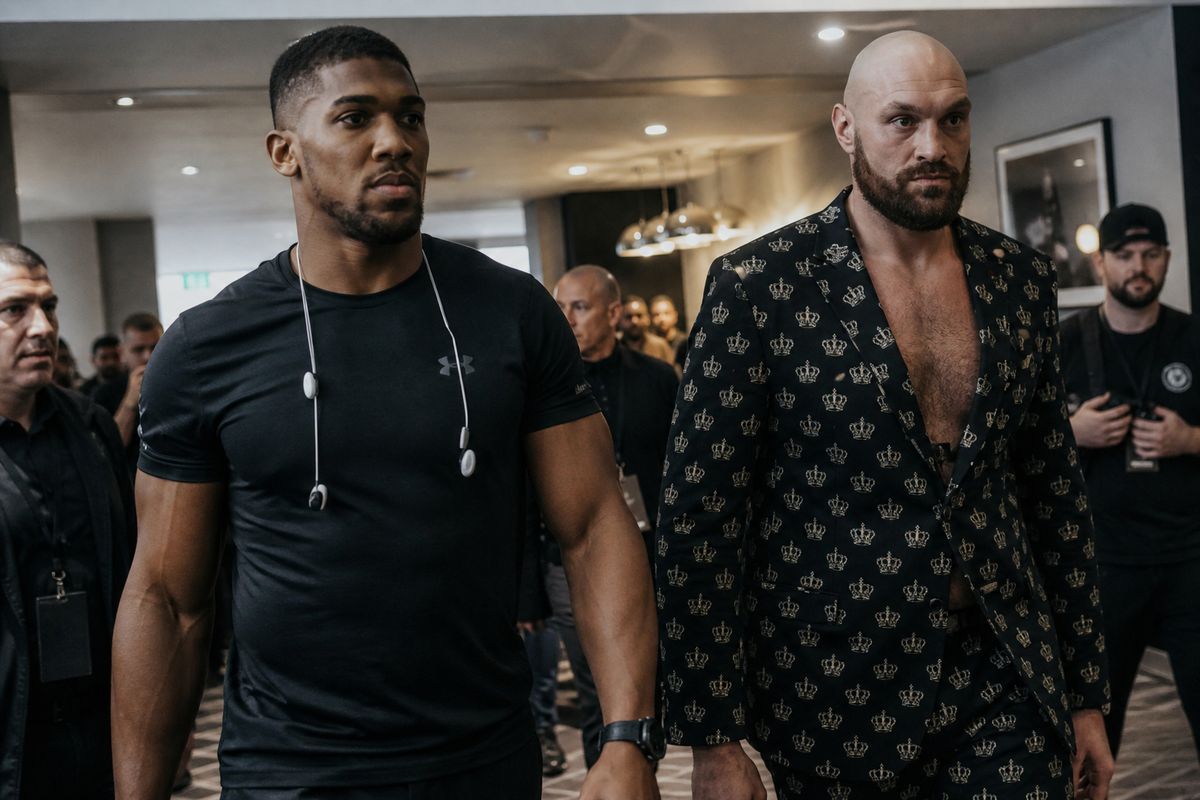
There is also a competitive logic at play. Heavyweight boxing is a market where attention is currency. If Joshua and Fury occupy the headlines, other heavyweights struggle to cut through, and that can influence negotiating leverage across the division. Even the act of “talking up” a mega fight can help both men in parallel negotiations, whether that is with broadcasters, sponsors, or potential alternative opponents. Fair enough, it is business. But it is also why fans increasingly demand receipts.
And yet, the Madison Square Garden angle could be a sign of genuine movement. Naming a specific venue is harder to walk back than vague talk. It invites questions about dates, deposits, and broadcast windows. It also invites scrutiny from journalists who will start asking the venue and local regulators what is actually booked. In other words, it raises the cost of bluffing. That does not guarantee the fight, but it does raise the stakes of the conversation.
What this could mean for heavyweight boxing, commercially and competitively
If Anthony Joshua vs Tyson Fury is truly headed towards a Madison Square Garden event, the commercial implications are enormous. Joshua’s reach alone, with 19 million Instagram followers listed in the source material, indicates a built in marketing engine that can sell tickets, pay per view, and sponsorship inventory at scale. Add Fury’s ability to generate headlines and the fight becomes the kind of tentpole event that can reshape a broadcaster’s schedule for a quarter, not just a weekend.
But the competitive implications are just as important. Joshua is a two time unified heavyweight champion between 2017 and 2021, which means he is not being sold as a contender hoping to get lucky. He is being sold as a former ruler trying to define his legacy in the post title reign years. Fury, meanwhile, is positioned in the public imagination as a stylistic puzzle and a psychological operator. Put them together and the fight is not simply about belts, it is about who gets to write the story of British heavyweight boxing in this era.
There is also the question of what a mega fight does to the rest of the division. When two stars lock in, it can freeze other matchups. Contenders wait. Mandatory challengers get restless. Promoters hold their breath. That can be good for anticipation, but it can also slow the sport down if negotiations drag. The online reaction captured in the community discussion, that this might be a press generating effort, reflects a fear that the division will again be stuck in “will they, won’t they” mode rather than delivering clarity.
Historically, heavyweight boxing has always swung between two poles: the sport as a competitive ladder and the sport as an event business. Joshua vs Fury is the purest expression of the event business side. If it lands, it can lift the whole ecosystem. If it stalls again, it risks reinforcing the idea that boxing’s biggest fights are harder to make than they should be, which is not exactly a great sales pitch to casual fans.
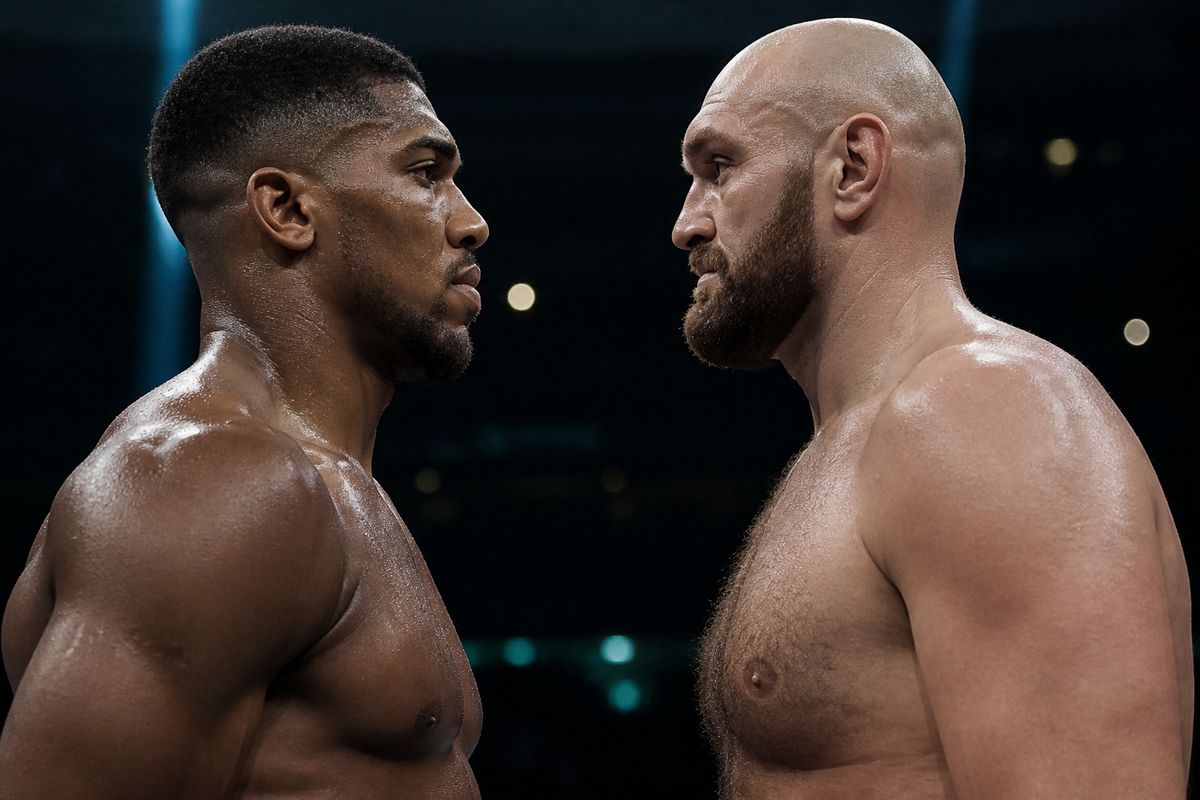
What This Means For You
For fans, the practical move is to treat “confirmed” as a starting gun for scrutiny, not a finish line. Until there is a date, an official venue announcement, and a clear statement of who is promoting and broadcasting the event, it is sensible to keep expectations in check. That does not mean ignoring the story. It means following the signals that actually matter: concrete scheduling details, consistent messaging from both camps, and the appearance of formal promotional assets that typically only arrive once contracts are in place.
For anyone planning travel or budgeting for tickets, the advice is even more straightforward: do not book anything on the back of social chatter. Madison Square Garden is a real venue with a real calendar, and major events require coordination that tends to show up in verifiable ways. Waiting for official confirmation is not being boring, it is protecting your wallet. And if the fight is genuinely coming, there will be a clear on sale process and a clear timeline. Big events cannot stay vague forever.
For the wider boxing audience, this moment is a reminder to watch how modern promotion works. Fighters with massive platforms can create leverage by shaping public perception. Fans can either be dragged along by every “it’s done” claim, or they can become more discerning consumers of information. That discernment does not kill hype, it improves it. When the fight is truly signed, the excitement is cleaner, sharper, and a lot more satisfying because it is real.
Closing thoughts: hype, leverage, and the thin line between theatre and truth
The Anthony Joshua vs Tyson Fury story is, at heart, a story about modern boxing itself. Two huge names, two massive audiences, and a sport where negotiation is part of the spectacle. The latest twist, a claim that Fury has confirmed the fight at Madison Square Garden, is powerful precisely because it feels specific. It paints a picture. It gives the public something to hold onto.
But boxing fans have been here before, so the reaction is not blind celebration. It is analysis, suspicion, and a demand for proof. That is healthy. It means the audience has matured. It also means that if the fight does get made, the payoff will be bigger because it will have survived the scrutiny.
Joshua’s championship history between 2017 and 2021 and his enormous public profile make him a natural centrepiece for any global event. Fury’s ability to dominate the narrative makes him the perfect foil. Madison Square Garden, if it is truly in play, would be a bold choice and a symbolic one. Now the sport has to do the hard part: turn talk into contracts, and contracts into a bell ringing in a ring.
Until then, the smartest stance is simple. Enjoy the noise, but keep your eyes on the details. In heavyweight boxing, the truth usually arrives late, but when it arrives, it tends to arrive loudly.