Last One Laughing UK Halloween Special lands on Prime Video with a new rule and a familiar promise
The last one laughing uk halloween special arrives on Prime Video as a four-part mini-series designed to keep the franchise warm between main seasons, and to give fans a fresh reason to gather round the telly in late October 2026. It is not a full new series, it is a seasonal spin-off, but it is built from the same simple engine that made the first two UK runs such a hit: put comedians in a room, tell them not to laugh, then watch them try to break each other.
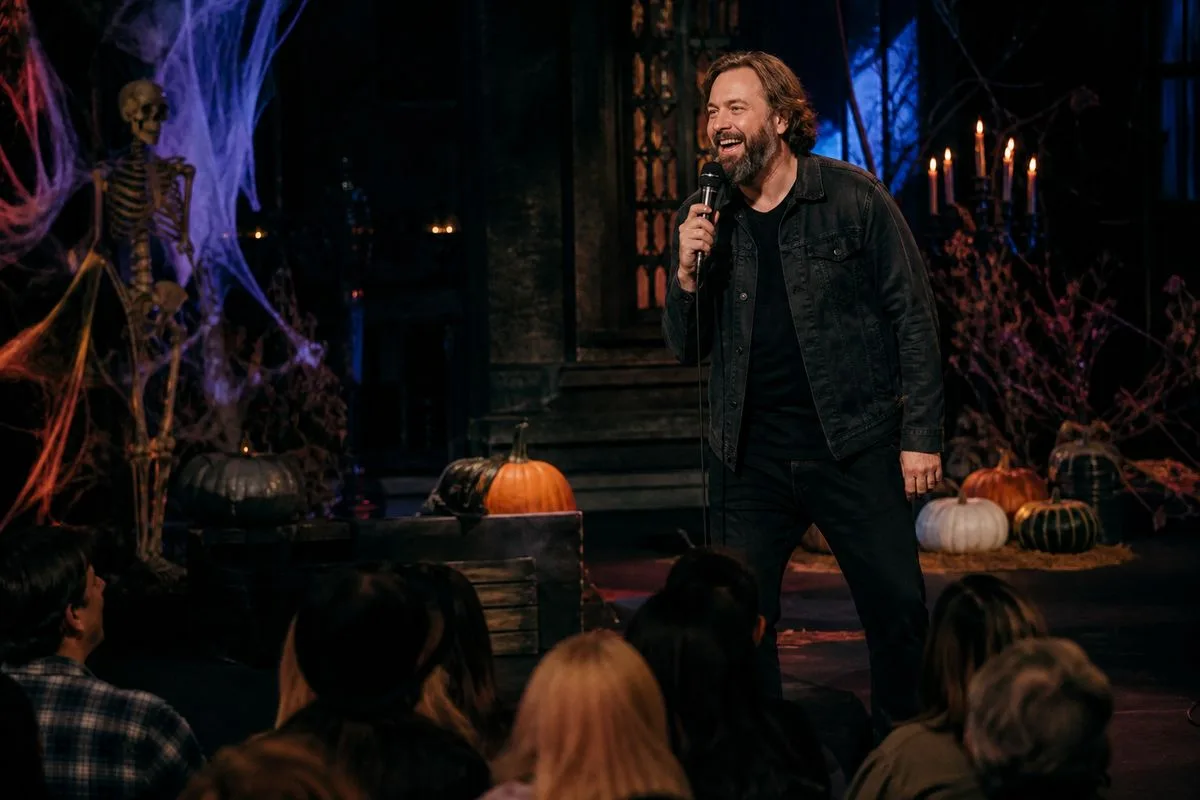
This time, there is a twist that sounds small on paper but changes the flavour of the whole thing. The comedians are banned from screaming as well as laughing. That is the headline gimmick for the Halloween edition, and it is meant to steer the show away from easy jump scares and into something more controlled, more psychological, and arguably more British (less shrieking, more simmering dread). And yet, as one review notes, the special still works because the core pleasure is not the spooky set dressing, it is the relentless, high-pressure craft of comics trying to stay stone-faced while chaos unfolds.
Prime Video is also playing with release strategy. Instead of dripping episodes out weekly from the start, it drops most of the special in one go, then makes viewers wait for the final instalment. That choice matters, because it signals how streamers now treat comedy franchises: not just as shows, but as calendar events that can be timed, packaged, and marketed like seasonal rituals.

Release dates and episode schedule for the last one laughing uk halloween special
For anyone searching because they simply want to know when to watch, the schedule is clear. The first three episodes of Last One Laughing UK Halloween release on Friday 23 October 2026. The fourth and final episode follows a week later on Friday 30 October 2026, positioned neatly just before Halloween itself.
Prime Video also sets a specific time for UK viewers. Episodes are available from 8am on their respective release dates. That might sound like a minor detail, but it shapes how the show is consumed. A morning drop encourages the all-day conversation cycle: early viewers post reactions, clips and favourite bits circulate, and by evening the show is already a talking point. It is a very streamer move, and it is not accidental.
There are four episodes in total. That shorter run is part of the point. It is a mini-series, a “snacky stopgap” in the words of one critic, designed to tide fans over while season three is anticipated for early 2027. And yes, that timing is important. Prime Video gets to keep the brand in the public eye without forcing a full production cycle or risking the fatigue that can come from stretching a format too far.
Cast and format: who is in the last one laughing uk halloween special, and how the game works
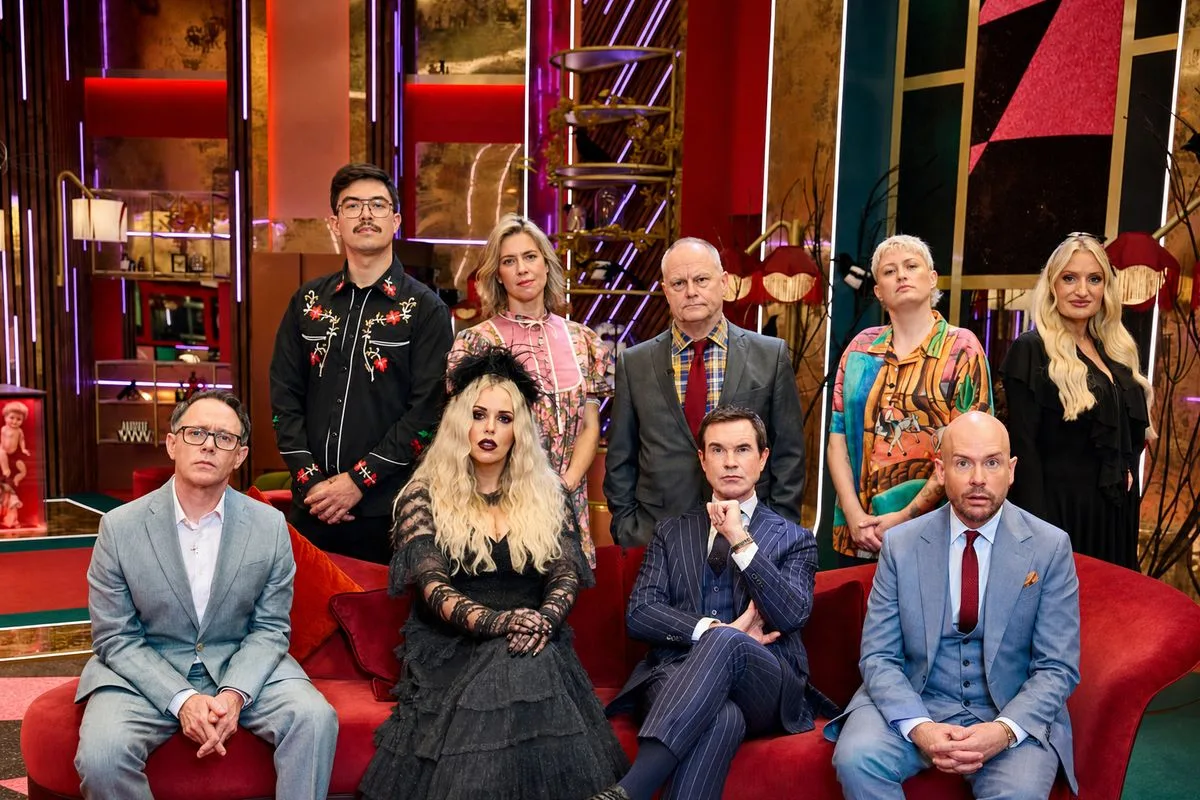
The Halloween line-up blends returning faces with new energy. The cast includes Jack Dee, Phil Wang, Reece Shearsmith, Harriet Dyer, and Tom Allen, plus season one returnees Lou Sanders and Daisy May Cooper. That mix is doing a lot of work. Returning contestants bring built-in storylines and expectations, while newcomers stop the whole thing feeling like a reunion tour.
The basic format remains the same: comedians compete to keep a straight face while others try to make them break. The show’s signature pressure comes from the fact that everyone in the room is a professional, and everyone knows the tricks. It is not just about being funny, it is about being strategically funny, choosing moments, reading the room, and sometimes playing defence by going blank and refusing to engage.
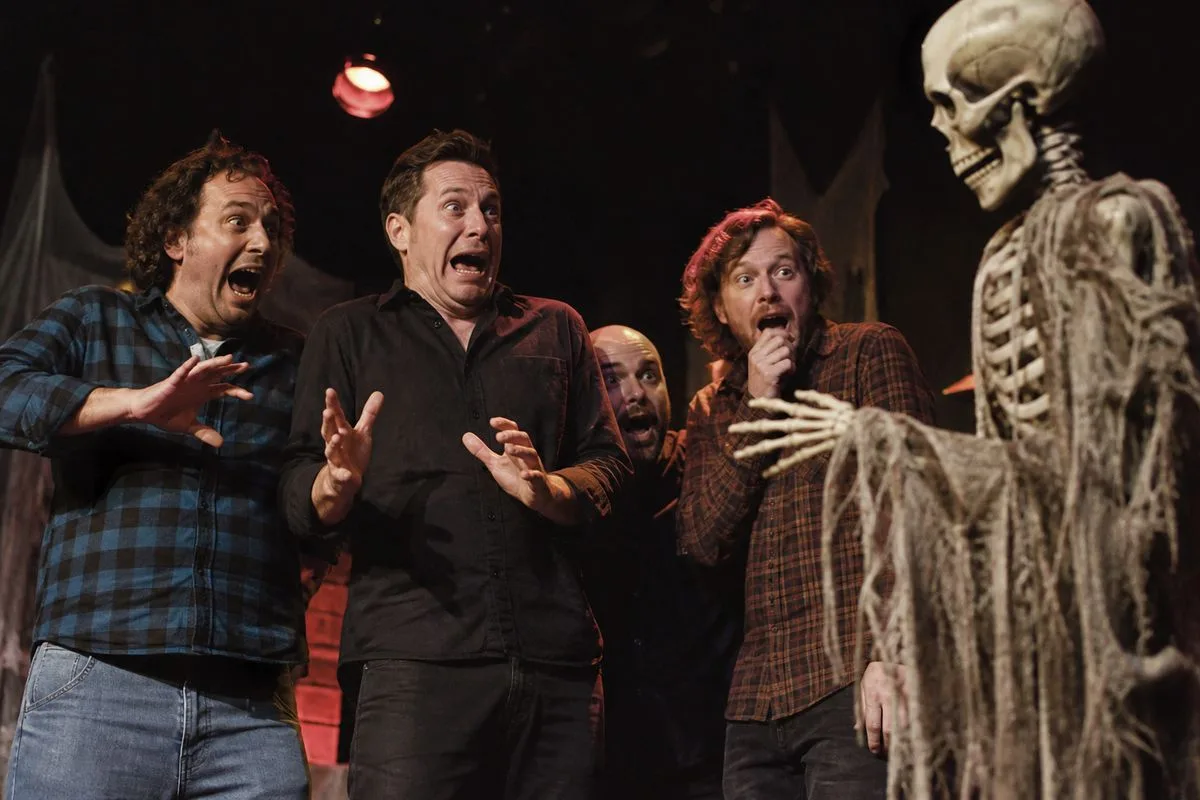
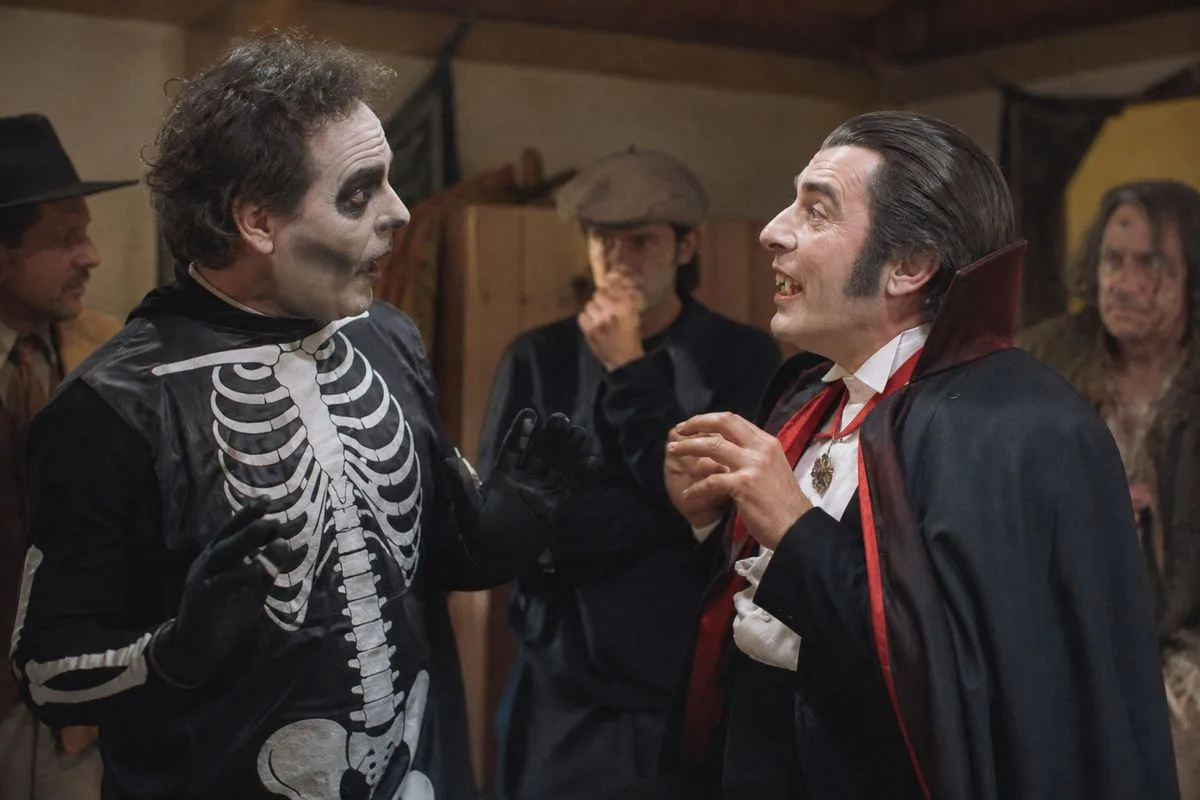
Halloween gives the producers an excuse to throw in additional disruption. According to the release coverage, the comedians face cursed props, ghostly interruptions and spooky surprises designed to catch them off guard. But the more interesting structural element is the use of “jokers”, pre-planned performances that contestants are periodically called up to deliver in order to crack their peers. In the Halloween edition, those jokers lean into the weird and macabre, and the special also features guest appearances described as “starrier still” in one review, even if specific names are not provided in the available material.
The big twist: no laughing, no screaming, and why that matters
The Halloween hook is straightforward: no screaming is allowed, alongside the usual ban on laughing. On the surface, it is a seasonal gimmick, a way to justify the spin-off beyond “it’s October, so here’s a spooky version”. But it also functions as a quiet fix to a known issue with the format: some contestants are simply too good at not laughing.
In the most recent main series, David Mitchell and Sam Campbell reportedly made it to the end of the allocated time without cracking, forcing producers into a tie-breaker. That is the risk with any endurance-based comedy game. If the rules are too easy for a certain temperament, the show can end up rewarding stubbornness over entertainment. Adding “no screaming” is meant to close off an obvious escape hatch in a Halloween setting, where jump scares could otherwise become a cheap way to force reactions.
And yet, the early critical read is that the screaming ban does not dominate the action, at least across the first three episodes made available to reviewers. That is not necessarily a failure. It suggests the show’s real strength is not in rule tweaks, but in the density of comic invention. The best moments tend to come from conversational left turns, sudden bits of prepared material, and performers exploiting each other’s specific weaknesses. In other words, the twist is seasoning, not the meal.
Why this Halloween spin-off exists now: Prime Video’s comedy strategy and the franchise effect
Prime Video has strong incentives to keep Last One Laughing in circulation. The show’s first two UK series are described as a major success, with incredible ratings, healthy media coverage, and a pair of Baftas. The available material does not provide exact viewing figures for the UK series, but one review references a circa 6 million-strong fanbase. Whether that number reflects unique viewers, total reach, or a broader measure of audience interest is not specified, but the intent is clear: this is a big property for the platform.
Seasonal specials are a classic television tactic, but streamers have turned them into something more strategic. A four-part run is long enough to feel like a proper event, short enough to avoid overexposure, and perfectly timed to sit between major releases. It also creates two spikes of attention instead of one: the initial drop on 23 October 2026, then a second wave when the finale lands on 30 October 2026. That week-long gap is not just scheduling, it is marketing baked into the product.
There is also a creative reason. Comedy formats can go stale fast, and British audiences in particular tend to value brevity. One critic frames British comedy as a “less is more” tradition, where beloved shows often end before the premise is exhausted. A Halloween mini-series is a way to expand the brand without committing to endless regular seasons. It is a pressure valve. It says: here’s more, but not too much. Fair enough.
Performance dynamics: why this cast works, and what the early reviews highlight
One of the most telling details from early coverage is that the special is described as “still a total treat” even with scepticism about the premise. That matters because it points to a truth about this format: casting is everything. The Halloween theme can be a bit arbitrary, but if the room is full of people with sharply different comic rhythms, the collisions create their own momentum.
Reece Shearsmith is singled out as a natural fit for the theme, given his association with dark comedy and horror-tinged storytelling through work such as The League of Gentlemen and Inside No 9. Daisy May Cooper is noted as having authored a book about the supernatural, which gives the producers an easy Halloween angle, while Phil Wang is framed as quick-witted, Tom Allen as bringing camp asides and even a breakdancing interlude, and Harriet Dyer as adding a touch of surrealism. Lou Sanders returns too, and the show leans into her persona with a mention that she “genuinely believes in crystals”. Some of that is clearly playful packaging, but it does help establish a set of comic identities that can be bounced off each other.
Then there is Jack Dee, described as typically gloomy but, in this setting, a delight. That contrast is part of the fun. A performer known for curmudgeonly detachment becomes unexpectedly buoyant when placed inside a tightly controlled game. And it underlines something else: the show is not just about who is funniest in isolation, it is about who adapts best to a weird social experiment.
What this means for the UK comedy industry, and for streaming TV more broadly
The Halloween special is a small release with bigger implications. For UK comedy, it reinforces that streamer-backed entertainment formats can now sit alongside panel shows and sitcoms as a mainstream route for comedians to reach mass audiences. This is not a niche experiment anymore. When a show can rack up major awards recognition, generate sustained media coverage, and justify spin-offs, it becomes part of the industry’s infrastructure.
It also shows how comedy is being packaged as an “event” rather than a slow-burn series. The release pattern, three episodes at once then a finale a week later, is designed to create conversation and keep it going. That is the streaming era’s answer to the old weekly broadcast rhythm. Not identical, but it scratches the same itch: shared viewing, speculation, and a reason to come back.
Creatively, the “no screaming” rule is a reminder that format TV lives or dies on small adjustments. Producers are clearly aware of the risk of contestants coasting to the end without breaking, as happened when David Mitchell and Sam Campbell forced a tie-breaker in the previous series. The Halloween special is, in part, a test bed. If a rule tweak works, it can be folded into future seasons. If it does not, it can quietly disappear. Either way, the franchise learns.
What This Means For You
For viewers, the practical takeaway is simple: plan the watch around the split drop. If someone wants to avoid spoilers, the danger zone is immediate, because three episodes land at 8am on 23 October 2026. That is a lot of content for the internet to chew through in a single day. Anyone who prefers to binge everything in one go should wait until 30 October 2026, when the finale arrives and the winner is crowned.
For fans of the main series who are wondering whether the last one laughing uk halloween special is “essential”, the early critical message is that it is not a cynical filler. The Halloween theme might feel slightly bolted on in places, but the comedy craft is still the point, and the cast is strong enough to justify the detour. Viewers who enjoy the show for its unscripted conversational weirdness, not just the big set-piece performances, are likely to get the most value here.
And for anyone who watches UK comedy more broadly, this special is a useful marker of where things are heading. Streamers are investing in repeatable formats that can generate multiple seasons, spin-offs, and seasonal editions without needing the long lead times of scripted comedy. That does not replace sitcoms or sketch shows, but it does change the ecosystem. The upside is more high-profile platforms for comedians. The downside, potentially, is that the industry leans harder into formats that are easy to replicate. Viewers can nudge that balance by rewarding the versions that feel genuinely inventive, and ignoring the ones that feel like content for content’s sake.
Closing thoughts: a seasonal experiment that doubles as a franchise stress test
The Halloween special arrives with a question hanging over it: can a format built on scarcity, tension and surprise keep delivering without wearing thin? British comedy history is full of shows that quit early and became legends because they did not overstay their welcome. A spin-off, especially one timed to a calendar moment, risks feeling like a cash-in.
But the early read is that the show avoids that trap. The “no screaming” twist is a neat idea, even if it does not dominate every moment, and the cast is varied enough to keep the room unpredictable. Perhaps more importantly, the special demonstrates that the franchise is being managed with a degree of restraint. Four episodes, not ten. A week’s pause before the finale, not a long, drawn-out run. It is a light touch, and that is often where British comedy works best.
Now it becomes a waiting game. The finale on 30 October 2026 will decide the winner, and the audience reaction will help set expectations for season three in early 2027. If the special lands, Prime Video gets proof that Last One Laughing can stretch into seasonal editions without losing its edge. If it does not, well, at least it is short. And that, in comedy, is rarely the worst thing.