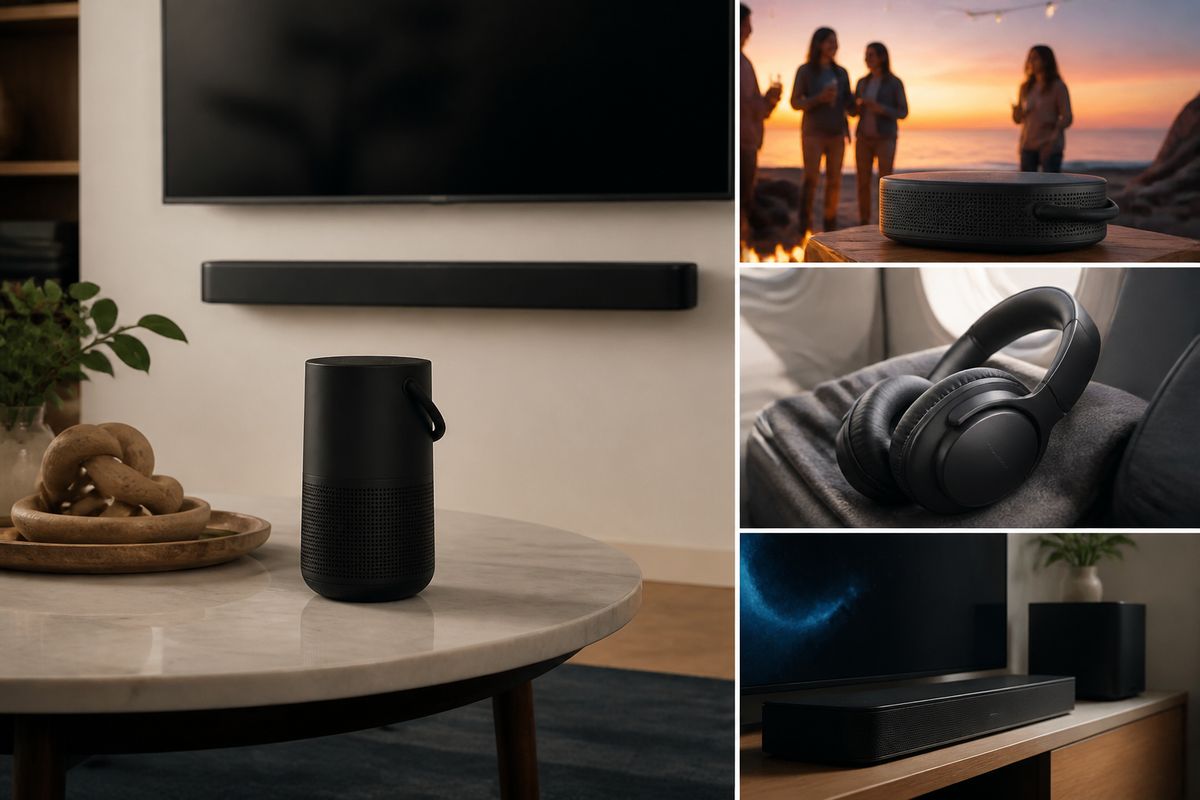
Bose Lifestyle Collection in 2026, the choice is suddenly not simple
Anyone shopping for a living room audio upgrade in 2026 runs into the same fork in the road. Go all in on a modern, modular ecosystem like the Bose Lifestyle Collection, or stick with the more traditional route, an AV receiver with separate speakers (or at least a conventional soundbar plus rears). It sounds like a nerdy dilemma. But it is a big deal, because it affects everything, how the room looks, how easy it is to use day to day, and whether the system still makes sense two years from now when the TV gets replaced.
The immediate news hook is that Bose is actively pushing the Lifestyle Collection as a flexible set of components for music and movies: a Lifestyle Ultra Soundbar, Lifestyle Ultra Speakers, and a Lifestyle Ultra Subwoofer, sold as sets and also designed to be built up piece by piece. That modular pitch is the story. And it lands at a moment when plenty of people want cinema style immersion without a rack of boxes and a spaghetti bowl of cables.
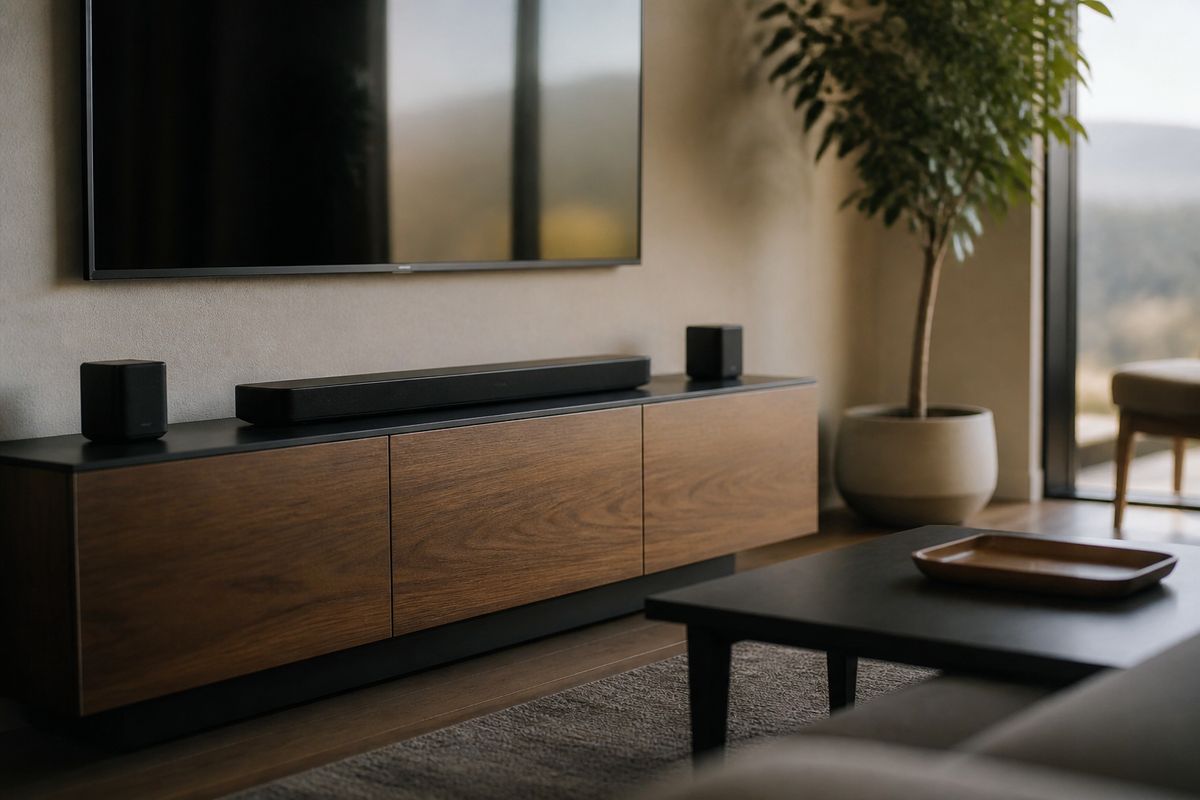
There is also a second, quieter part of the story: early community chatter in 2026 is mixed. Some owners praise the app control and the wide sound. Others complain the system can sound thin without the subwoofer, and at least one discussion frames stereo pairing of two Lifestyle Ultra Speakers as a frustrating experience. None of that is a definitive verdict, but it is useful context for anyone about to spend serious money.

What exactly is the Bose Lifestyle Collection, and what is new about it?
Bose positions the Lifestyle Collection as a mix and match home audio system that can scale from a single speaker to a full living room setup. The core idea is simple: buy the soundbar for TV first, then add the subwoofer for weight and impact, then add the small speakers to create a more enveloping surround experience. Or buy a bundle if the goal is to do it all in one go. The company’s own product copy leans hard on that flexibility, describing the collection as a way to create anything from a more immersive home theatre system to a multiroom setup.
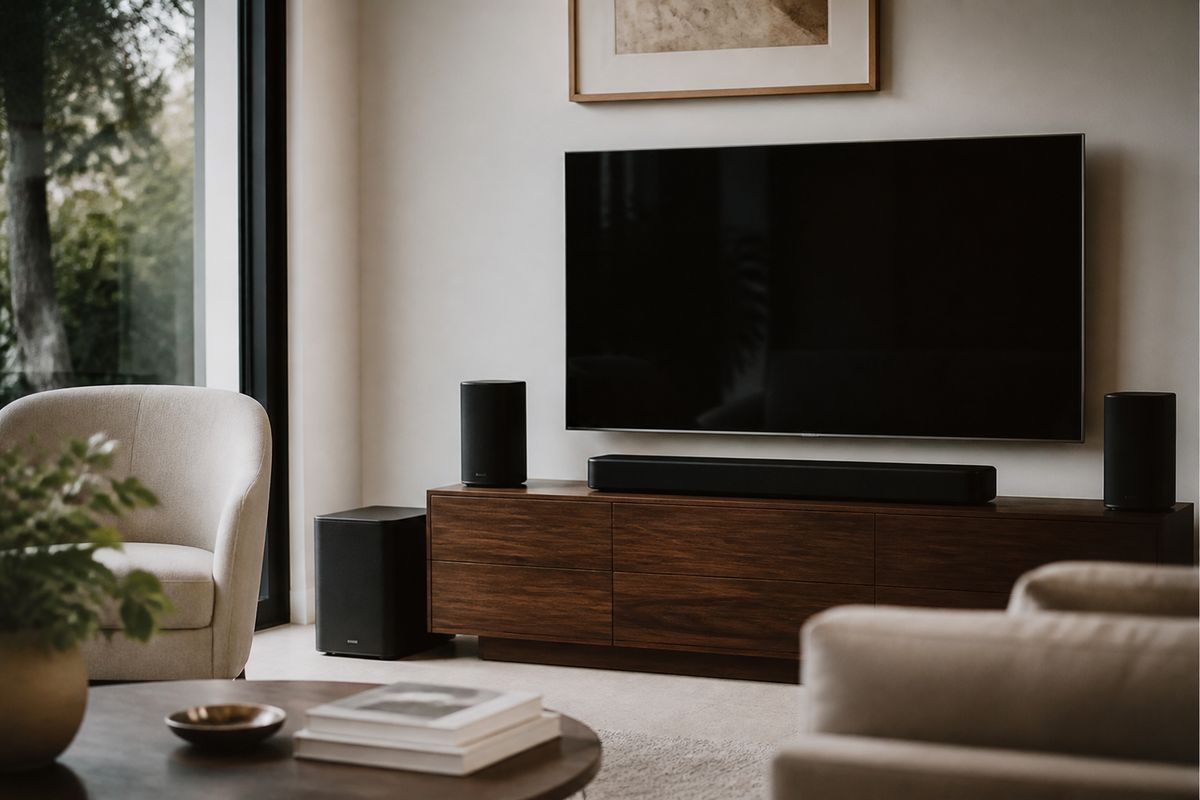
One of the clearer concrete details in the available material is the composition of at least one official set: one Lifestyle Ultra Soundbar, two Lifestyle Ultra Speakers, and one Lifestyle Ultra Subwoofer. That matters because it tells buyers what Bose thinks “complete” looks like in this range. It is not just a soundbar and a sub. Bose is explicitly bundling the small speakers as part of the intended surround experience.
There is also a practical detail that often gets overlooked in marketing: Bose states the Lifestyle Collection is designed so it can be bought all at once or piece by piece. That is not exactly groundbreaking, plenty of brands do modular. But Bose is making it a headline feature, which suggests it is trying to win customers who are tempted by the simplicity of a soundbar but do not want to lock themselves out of a bigger system later.
What is not available in the scraped source material is the full spec sheet, pricing, or measured performance data. The review headline that might have provided more detail is inaccessible due to a forbidden page. So any comparison here has to focus on what is actually stated: the product lineup, the bundling approach, and what early 2026 community discussions say about real world use.
Bose Lifestyle Collection vs a traditional AV receiver setup, the core differences
This comparison is not really “Bose vs everyone else”. It is a comparison of approaches. The Bose Lifestyle Collection is an ecosystem play: fewer visible boxes, app driven control, and a guided upgrade path. A traditional AV receiver setup is the classic enthusiast route: a receiver, passive speakers, and the freedom to swap any component whenever the mood (or budget) allows.
In 2026, the gap between these approaches is widening. TVs are thinner, rooms are more multipurpose, and fewer people want to dedicate a corner to equipment. Bose is betting that convenience plus a coherent design language wins more living rooms than raw configurability. And fair enough, for a lot of households, it does.
But the trade off is real. With an AV receiver, the buyer can choose speakers based on taste, room size, and future upgrades. With a closed ecosystem, the buyer is buying into a single company’s decisions about connectivity, tuning, and how surround is implemented. That can be brilliant when it works. It can be maddening when it does not (especially if the app is flaky or a firmware update changes behaviour).
To make the decision clearer, it helps to compare three realistic options a buyer might be weighing in 2026: (1) a full Bose Lifestyle Collection bundle, (2) a staged Bose build, starting with the soundbar, (3) a traditional AV receiver with separate speakers. The table below focuses on what can be supported by the available material, plus standard, non controversial differences between ecosystem soundbars and AVR based systems.
| Dimension | Bose Lifestyle Collection (bundle) | Bose Lifestyle Collection (build over time) | Traditional AV receiver + speakers |
|---|---|---|---|
| What it is | A set including Lifestyle Ultra Soundbar, two Lifestyle Ultra Speakers, Lifestyle Ultra Subwoofer | Same components, purchased in stages | Receiver plus passive speakers, chosen separately |
| Upgrade path | Add or rearrange within the Bose ecosystem | Start small, expand later, Bose explicitly supports this approach | Swap any part at any time, but requires more research and setup |
| Ease of setup | Designed to be straightforward, app guided | Each new piece adds a setup step, but stays within one app | Potentially complex, wiring, calibration, input management |
| Room aesthetics | Compact, coordinated look, fewer visible boxes | Starts minimal, grows gradually | Often larger speakers and a visible receiver, more cables |
| Risk factors | Ecosystem lock in, performance depends on how the set is configured | May sound underwhelming until the subwoofer is added, per community comments | More points of failure, more user error, but less vendor lock in |
Features and real world experience, what buyers actually feel day to day
On paper, the Lifestyle Collection story is about immersion and flexibility. In practice, the lived experience comes down to three things: how wide and convincing the front soundstage feels, whether bass is satisfying at normal volumes, and whether the system behaves itself when streaming music around the home. The community discussions from mid 2026 give a few telling clues.
One discussion in a soundbar community argues that Bose avoids side firing speakers in the soundbar and instead uses a phase guide approach to create a wide sound. That is not a lab measurement, and it is not a Bose technical white paper. But it does reflect a long running Bose design philosophy: use psychoacoustics and clever waveguides to make small enclosures sound bigger than they look. For a typical living room, that can be exactly what people want, a broad wall of sound without speaker stands everywhere.
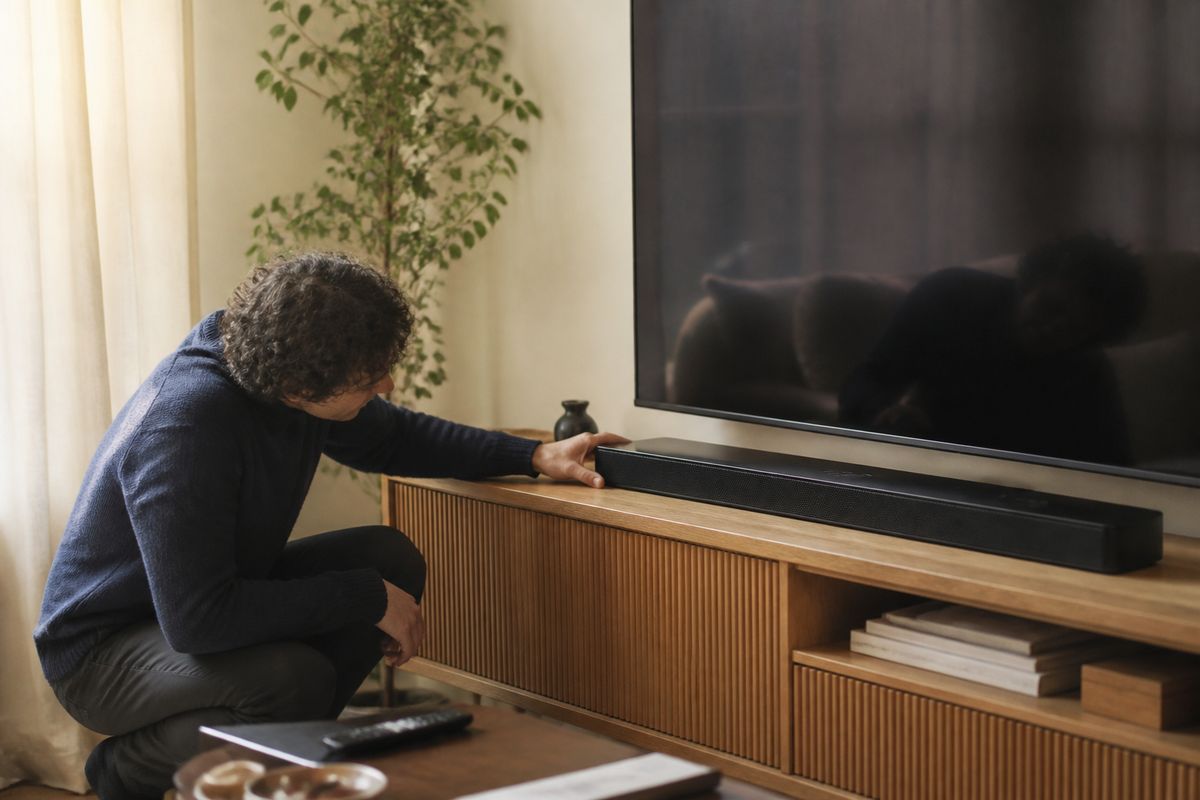
But there is a recurring practical warning from another community thread: without the subwoofer, the system can sound “puny”. That is a blunt word, and it is not a universal truth, rooms and expectations vary. Still, it aligns with a common pattern in compact soundbar setups. The bar can do clarity and dialogue, but the sense of scale, the thump of drums, the weight of explosions, often needs a dedicated sub. Bose bundling a subwoofer in its official set is a tacit acknowledgement of that reality.
Then there is the music angle. A discussion in a Bose focused community describes trying two Lifestyle Ultra Speakers as a stereo pair and calling it a “beautiful $600 disaster”. The material available does not provide full troubleshooting details or whether the issue is software, network conditions, or expectations. But it is a reminder that modern wireless audio lives or dies by the app, the network, and how robustly devices handle grouping and synchronisation. Buyers who mainly want music playback should pay attention to this kind of feedback, because it is the sort of annoyance that does not show up in glossy product pages.
Pricing and value in 2026, what the bundles signal (and what they do not)
The uncomfortable truth is that the available source material does not provide official UK pricing, regional pricing, or a breakdown of bundle discounts. So this article cannot claim the Lifestyle Collection is “good value” or “overpriced” in numeric terms. Any attempt to invent figures would be misleading. What can be analysed, though, is the value logic Bose is using, and how that stacks up against the alternatives.
Bose is selling a promise: a living room that feels immersive for movie nights and music, using a soundbar, subwoofer, and three speakers in one of its sets. That “set thinking” is important. It nudges buyers away from piecemeal bargain hunting and towards a curated system where each component is designed to work together. For many households, that is worth paying for, because the hidden cost of traditional hi fi is time, research, and the occasional wrong purchase that ends up on a classifieds site.
But the modular angle cuts both ways. Bose explicitly says the Lifestyle Collection can be purchased all at once or piece by piece. That is great for cash flow, but it also creates a risk of disappointment if someone buys only the soundbar and expects full cinema impact. The community comment about the system sounding thin without the subwoofer is basically a warning label written by users. In other words, the “starter” configuration may be a compromise, and buyers should budget accordingly.
Against a traditional AV receiver setup, the value argument is different. An AVR system can be built cheaply at first and upgraded over years, sometimes decades. Speakers can outlast multiple TVs. The receiver can be swapped when standards change. Bose’s ecosystem approach is more like buying into a platform. It may be more elegant, but it can also be more dependent on continued software support and compatible add ons.
Ease of use and setup, Bose Lifestyle Collection vs the old school approach
This is where Bose tends to win hearts. A soundbar plus wireless speakers and a wireless subwoofer is simply easier to live with than a receiver, speaker wire runs, and calibration microphones. Bose also highlights guidance around setting up home theatre audio, reinforcing the idea that the system is meant to be approachable, not a weekend project.
And yet, “easy” in 2026 often means “app dependent”. The same app that makes setup painless can become the single point of failure if it is buggy, if a router update causes dropouts, or if a streaming service behaves oddly. The community comments that praise the app’s control sit alongside complaints about stereo pairing experiences. That split is typical of wireless audio. When it works, it feels magical. When it does not, it feels personal.
A traditional AV receiver setup is the opposite. It is rarely elegant at first. But once it is wired and configured, it can be extremely stable. HDMI switching, physical inputs, and passive speakers do not care about Wi Fi congestion. There is a reason installers still like the old school approach for reliability. The downside is that many people do not want to become their own installer, and fair enough.
So the real comparison is not “which is easier”. It is “which kind of complexity is more tolerable”. Bose concentrates complexity into software and wireless behaviour. AV receivers spread complexity across hardware, wiring, and configuration menus. Different headaches, different personalities.
Pros and cons, Bose Lifestyle Collection vs traditional home cinema
For buyers who just want a clear view, here is the trade off in plain terms. This is not a spec sheet. It is the stuff that tends to matter after the novelty wears off, when someone is trying to watch a film on a Tuesday night and the system needs to behave.

Bose Lifestyle Collection
- Pros: Modular system design, Bose explicitly supports buying piece by piece; coordinated aesthetics; designed for immersive living room setups; fewer visible boxes than an AVR rack.
- Pros: Bundled set option includes soundbar, two speakers, and a subwoofer, which signals Bose’s intended “complete” experience.
- Cons: Community feedback suggests the system may feel underpowered without the subwoofer, so the cheapest entry point may disappoint.
- Cons: Wireless and app behaviour can be a pain point, with at least one 2026 user describing a poor stereo pairing experience with two Lifestyle Ultra Speakers.
Traditional AV receiver plus speakers
- Pros: Maximum flexibility, mix and match speakers, upgrade any component; potentially more stable once installed; easier to service and replace parts over time.
- Pros: Strong long term value if speakers are kept for many years.
- Cons: More complex setup; more cables; typically more visual clutter; can be overkill for smaller rooms or casual users.
- Cons: Requires more research, and mistakes can be expensive or frustrating.
Historical context, why Bose is leaning into “collections” now
Bose has spent decades selling the idea that big sound does not require big boxes. The company’s brand identity is built on compact designs, psychoacoustic tricks, and systems that prioritise ease of use. The Lifestyle naming itself has history, it signals a packaged experience rather than a component hobby. In that sense, the 2026 Lifestyle Collection is not a reinvention. It is Bose doubling down on what it has always been good at.
What has changed is the market around it. Soundbars have become the default upgrade for TV audio, and consumers increasingly expect wireless rears and wireless subs as standard. At the same time, the “smart speaker” era trained people to accept app controlled audio. Bose’s collection framing fits that reality neatly. It also mirrors a broader consumer electronics trend: sell an ecosystem, not a single product. Phones do it. Smart home platforms do it. Audio brands are doing it too.
There is also a competitive pressure that does not need numbers to be obvious. The living room is crowded with options, from budget soundbars to premium multi speaker setups. Bose’s answer is to make the buying decision feel simpler: pick the collection, then choose whether to buy it as a set or build it gradually. That reduces decision fatigue, which is half the battle in retail.
But history also offers a caution. Closed ecosystems can age badly if standards shift or if software support wanes. AV receivers have their own version of this problem, HDMI standards move fast, but passive speakers remain timeless. The buyer who cares about a ten year horizon should weigh that difference carefully.
The Verdict, who should buy the Bose Lifestyle Collection in 2026?
The Bose Lifestyle Collection makes the most sense for the buyer who wants a clean looking, immersive living room setup and values convenience over tinkering. If the goal is movie nights, sport, and everyday TV with a more cinematic feel, the bundle approach, soundbar plus two speakers plus subwoofer, aligns with how people actually use their rooms. And Bose’s explicit “buy it all at once or piece by piece” message is genuinely helpful for households that want to spread the cost.
But it is not a system to half commit to. The community feedback suggesting the sound can feel thin without the subwoofer is a practical warning: anyone considering the Lifestyle Collection should budget for the sub as part of the intended experience, not as an optional extra that might happen one day. And buyers who primarily want music playback, especially stereo pairing and streaming stability, should be cautious and test the setup in their own environment if possible, because wireless ecosystems can be brilliant or temperamental depending on conditions.
A traditional AV receiver setup remains the better choice for the buyer who enjoys control, wants to choose speakers based on room acoustics, and plans to upgrade over many years. It is more work up front, and it is less tidy. But it can be more future proof in the sense that speakers can be kept and reused almost indefinitely. In short: Bose is for people who want the system to disappear into the room. An AVR is for people who do not mind the system being part of the room.
Closing thoughts, the real decision is about lifestyle, not just sound
It is tempting to treat this as a pure audio question, which one sounds better. But the more honest framing is behavioural. How does the household watch TV, how often does it play music, and how tolerant is it of setup and troubleshooting? The Bose Lifestyle Collection is designed for the person who wants to press play and move on with their evening. The AV receiver route is for the person who does not mind spending Saturday afternoon calibrating and tweaking.
The most useful takeaway from the 2026 material is that Bose is clearly steering buyers towards a “complete” configuration, soundbar, speakers, and subwoofer, while also keeping the door open for gradual upgrades. That is smart. It matches how people spend money. It also reduces the chance of disappointment, assuming buyers understand that the subwoofer is not just a nice to have.
And if there is one final bit of practical advice, it is this: whichever route is chosen, the room matters. Placement matters. Expectations matter. A compact system can sound huge in the right space, and an expensive receiver system can sound flat in the wrong one. The best purchase in 2026 is the one that fits the room and the routine, not the one with the fanciest marketing line.