
FA Cup second qualifying round draw, the moment the season starts to feel real
The FA Cup second qualifying round draw is now confirmed, and for hundreds of non league clubs it is the point where the competition stops being a romantic idea and becomes a very practical problem. Who is travelling where. Who is hosting. Who is going to need extra stewards, more volunteers, and a bit of luck with the weather. And, crucially, who has just been handed a tie that could pay for a month or two of the bills.
The Football Association confirms the draw for the 2026 to 2027 Emirates FA Cup second qualifying round, with ties scheduled to be played around the weekend of Saturday 19 September 2026. At this stage, the prize fund matters in a way it simply does not in the elite game. The winners collect £3,375 and the losing teams receive £1,125. That is not pocket change for clubs that rely on gate receipts, sponsorship from local firms, and volunteers doing jobs that would be salaried roles higher up the pyramid.
There are 80 ties in the second qualifying round. That number alone tells a story. It is a reminder of the scale of the FA Cup, and why it still carries a kind of cultural weight that no rebrand can manufacture. This is the competition as a national infrastructure, not just a TV product. And yes, it is also a draw that can make or break a month of planning for a club secretary.

Emirates FA Cup second qualifying round draw, dates, format and prize fund
The key detail is simple: the second qualifying round matches are scheduled across England on the weekend of Saturday 19 September 2026. The FA confirms the draw, and clubs now move from waiting to organising. That means confirming pitch availability, arranging travel, and working out whether the tie will require segregation, additional policing, or a change to turnstile staffing. None of that is glamorous. All of it is essential.
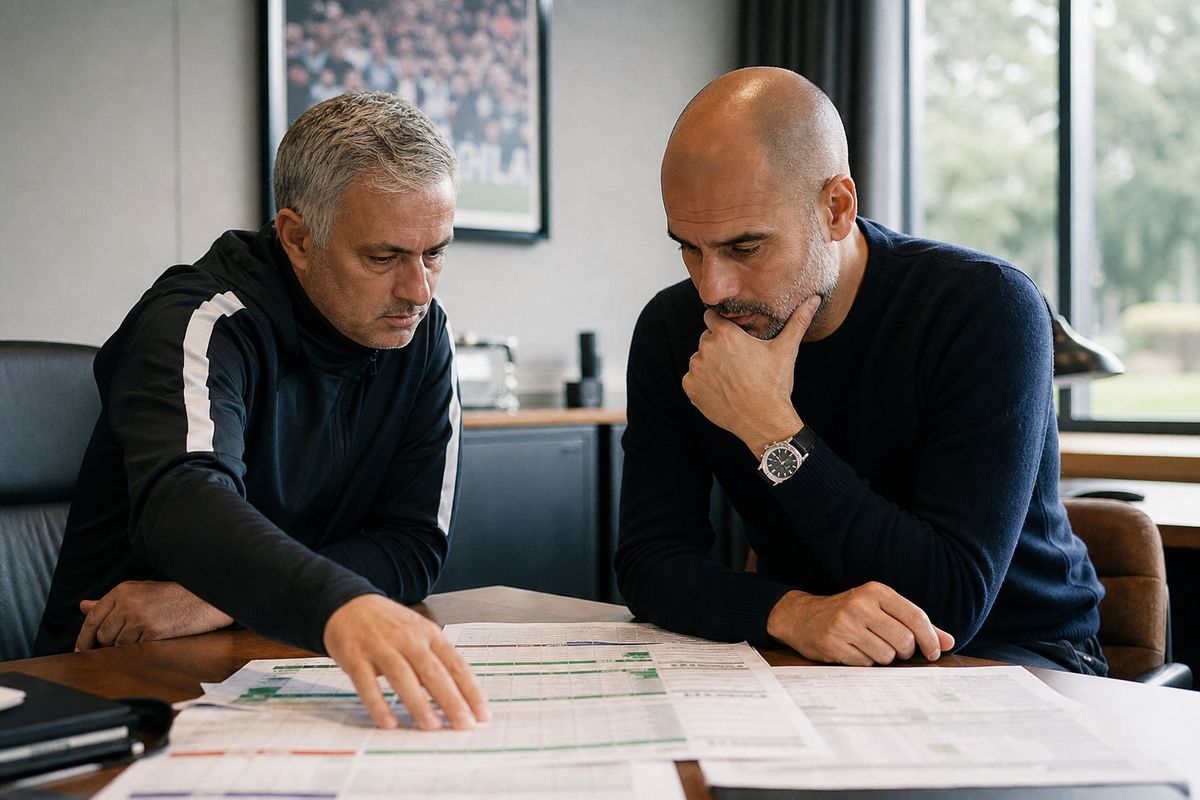
The money is also clearly set out at this stage. Winning clubs receive £3,375 from the prize fund, while losing teams collect £1,125. It is worth saying out loud: the losing payment is not a consolation prize in the emotional sense, it is a practical support mechanism. It helps clubs cover costs that rise sharply in the FA Cup, from matchday operations to travel, and sometimes even basic ground maintenance if a tie causes wear and tear.
The draw produces 80 ties, which means a huge spread of journeys, local derbies, and the occasional awkward long trip that eats into budgets and player recovery. And because this is the qualifying phase, the competitive balance can be strange. Some clubs are flying in the league but part time in training. Others are full time in all but name. The draw does not care. It just throws two names together and lets the rest unfold.
What the second qualifying round actually represents in the FA Cup ladder
To understand why the FA Cup second qualifying round draw gets so much attention in non league circles, it helps to place it in the wider structure. The FA Cup is a long, multi stage competition. The early rounds are designed to manage volume, geography, and competitive entry points. That is why the qualifying rounds exist at all. They are not a warm up. They are a filtration system, and a brutally competitive one.
This is also the stage where the competition begins to feel more recognisable to supporters who follow the National League system closely. The supplementary material around the draw notes that National League North and South clubs begin their journeys at this point. That matters because it shifts the level. The pace goes up. The physicality goes up. And the margins shrink. A club that has navigated earlier rounds can suddenly find itself facing opponents with deeper squads and more robust matchday operations.
And then there is the calendar. Late summer into early autumn is when squads are still bedding in, injuries are still being managed, and managers are still learning what their best XI looks like. A cup tie can be a welcome distraction, or it can be a disruption. It depends on the draw, the travel, and whether the club is already juggling league fixtures and player availability. In non league football, where many players have day jobs, fixture congestion is not an abstract concept. It is a real headache.
The FA and the clubs, who does what once the draw is made
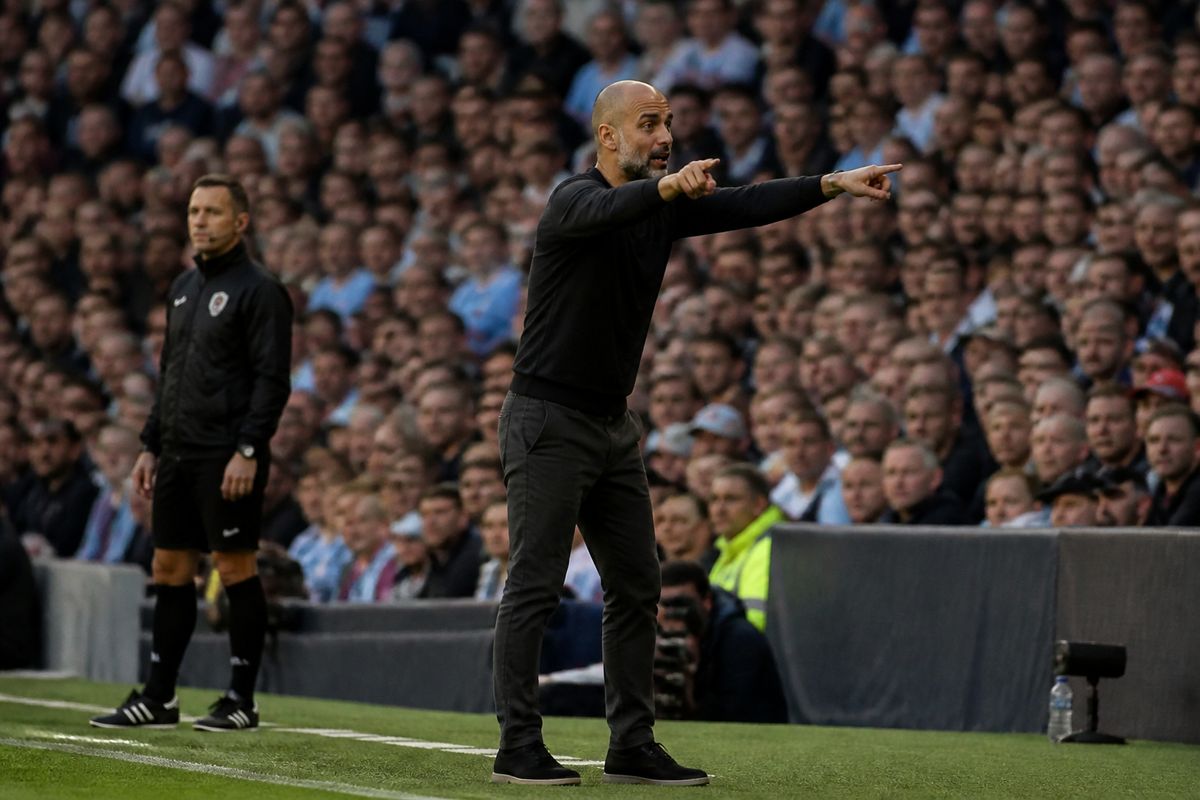
The Football Association sits at the centre of the competition, but the operational burden quickly falls on clubs. Once the FA Cup second qualifying round draw is confirmed, the home club typically becomes the organiser in chief. That means liaising with local authorities, confirming kick off arrangements, and ensuring the ground meets the requirements for an FA Cup tie at that level. It is not unusual for clubs to lean heavily on volunteers for this work, especially at short notice.
Clubs also have to think commercially, and fast. A home draw can be a financial opportunity, but only if it is handled properly. Ticketing needs to be clear. Programmes need to be produced. Hospitality, if it exists, needs to be sold. And if the tie has the potential to attract a larger away following, the club has to plan for crowd management. None of this is theoretical. A poorly planned matchday can wipe out the financial upside of a cup run.
Morecambe FC is among the clubs publishing draw details for supporters, which hints at another modern reality: communication is now part of the competitive environment. Fans expect quick information, and clubs that deliver it tend to see better engagement and, often, better attendance. That matters because the FA Cup is not just about prize money. Gate receipts, food and drink sales, and local sponsorship activation can be just as important, especially when the prize fund at this stage is measured in thousands rather than millions.
Why £3,375 and £1,125 can change a non league month
It is tempting for people who mainly watch the Premier League to shrug at figures like £3,375 for a win and £1,125 for a defeat. But in the non league economy, those numbers land differently. They can cover coach travel. They can pay for a run of physio sessions. They can offset the cost of pitch repairs after a wet week. And sometimes, they simply keep the lights on while the club waits for the next sponsorship payment to clear.
There is also a psychological effect, and it is not exactly groundbreaking but it is real. A cup win brings momentum, and momentum sells tickets. Supporters talk. Local media pays attention. Sponsors like being associated with a club that is “on a run”. The FA Cup is one of the few competitions where a non league club can feel itself becoming a local story again, even if only for a fortnight.
But the money also shapes decision making. Managers may rotate less than they would like because the financial upside is significant. Clubs may take on extra short term costs to stage a tie properly because the reputational risk of a shambles is high. And for players, especially those on modest terms, cup runs can be a shop window. That can be good for the club, if it leads to future fees or better recruitment. It can also be disruptive if bigger clubs start circling mid season.
How the second qualifying round draw shapes tactics, travel and risk
The draw is not just a fixture list, it is a strategic prompt. A long away trip changes preparation. Players may need time off work. Recovery becomes harder. Training sessions get compromised. And if the tie goes to a replay, the knock on effect can be immediate. Non league squads are rarely built for depth in the way professional squads are. One or two injuries in a congested spell can turn a promising league start into a slog.
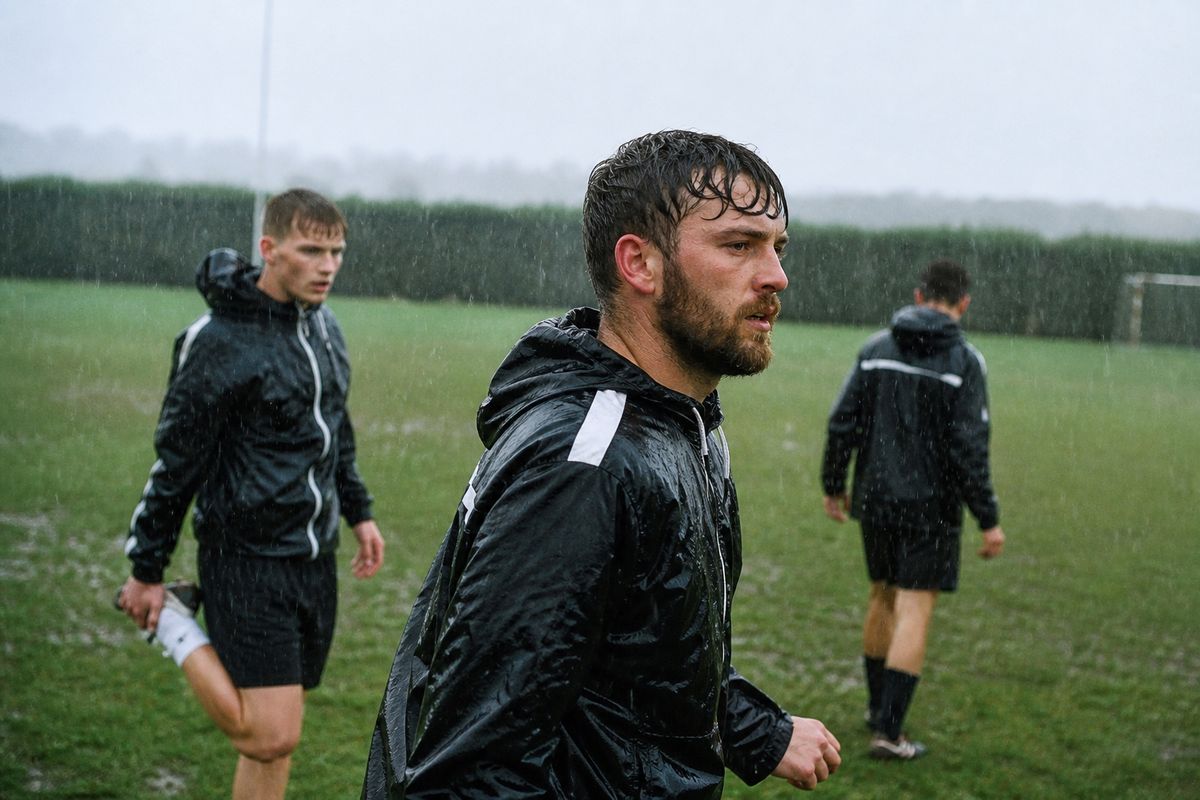
Home advantage, meanwhile, is not a cliché at this level. It is tangible. Familiar pitch dimensions, a known surface, and a crowd that is close enough to be heard properly can all tilt a match. Some grounds are tight and awkward. Others are wide and open. Some pitches are pristine. Others are, frankly, a bit of a leveller. The FA Cup has always had room for that kind of variety, and the qualifying rounds are where it is most obvious.
There is also the risk management side, which clubs do not always talk about publicly. Cup ties can increase wear on facilities, and they can increase stewarding and security costs. If the away support is expected to be large, clubs may need additional staffing. If the match is high profile locally, they may need extra coordination with authorities. The prize money helps, but it is not a blank cheque. A club that overspends on staging can find that a win is less profitable than it looks on paper.
Historical context, why the FA Cup qualifying rounds still matter in 2026
The FA Cup has been through plenty of modern pressures, from broadcast scheduling to the general drift of attention towards the top of the pyramid. And yet the qualifying rounds remain stubbornly important. They are the entry point for the clubs that give the competition its breadth. Without them, the FA Cup becomes just another knockout tournament for the already visible. With them, it stays a national competition in the literal sense.
Historically, the FA Cup’s magic is often framed around giant killings in the later rounds. But those stories usually start much earlier. A club that reaches the first round proper has often navigated multiple qualifying ties, each one a potential banana skin. The second qualifying round is part of that grind. It is where the competition begins to filter towards the clubs that can handle the pressure, the travel, and the tactical variety.
And there is a cultural point here too. The qualifying rounds keep alive a particular kind of Saturday. Early kick offs, volunteers on the gate, a clubhouse doing a roaring trade, and supporters who know the players well enough to shout their nicknames. It is not nostalgia for the sake of it. It is a living ecosystem. The FA Cup second qualifying round draw is one of the moments that ecosystem collectively looks up and pays attention.
What happens next after the FA Cup second qualifying round draw
With the draw confirmed and the weekend of 19 September 2026 marked in diaries, clubs now move into execution mode. Training plans shift. Analysts, where they exist, start gathering footage and information. More often, it is a manager making calls, asking around, and sending someone to watch an opponent in the league. Scouting at this level is part formal, part gossip network. Fair enough, it works.
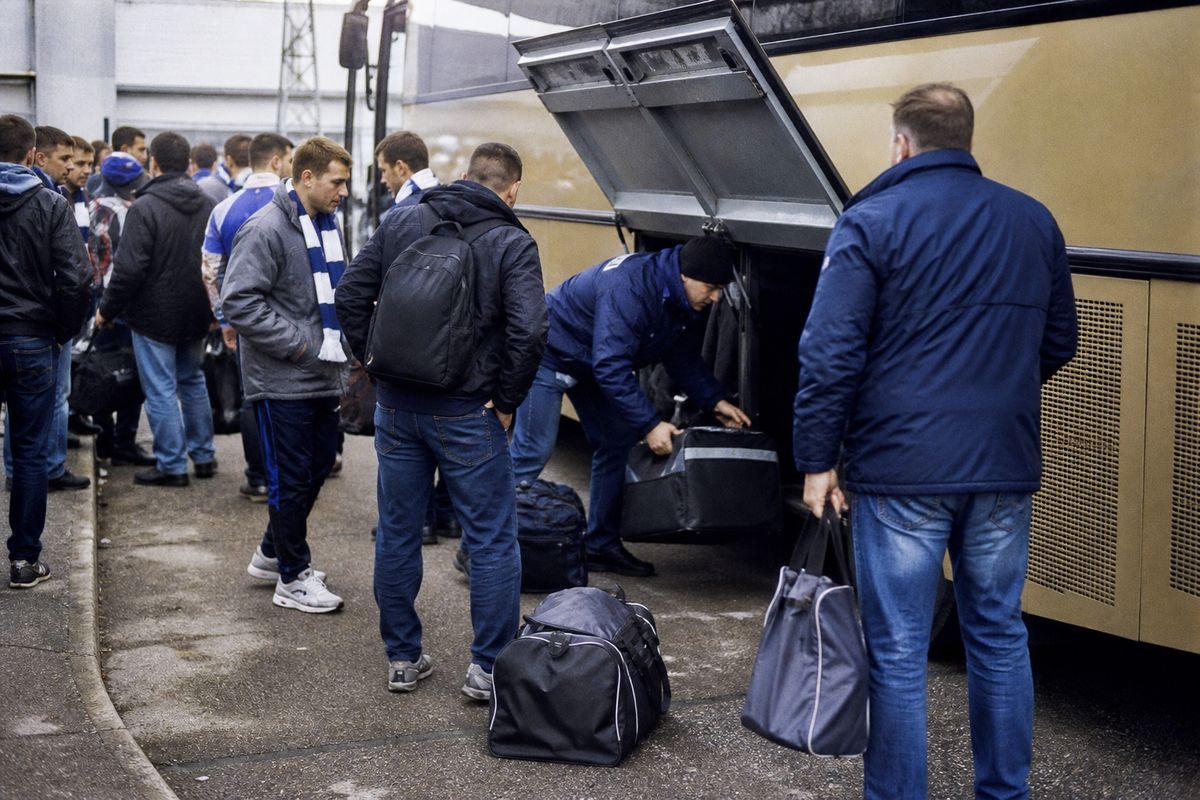
Supporters, meanwhile, start doing their own planning. Away days get organised quickly in non league football because travel is often communal, whether that is supporters coaches or car shares. A good draw can boost attendance before a ball is kicked. A local tie can create a buzz that spills into league matches. A long trip can still attract a loyal following, but it changes the feel. It becomes a commitment, not a casual afternoon out.
The FA Cup’s early rounds also tend to expose the strengths and weaknesses of clubs off the pitch. Communication, ticketing clarity, and matchday organisation all get tested. And for clubs that handle it well, the reward is not just the £3,375 for a win. It is credibility. It is the sense that the club can cope with bigger occasions, which matters if a run continues and the spotlight grows.
A draw that looks simple, but carries the weight of an entire football economy
On paper, the FA Cup second qualifying round draw is a list of ties and a date. In reality, it is a chain reaction. It affects budgets, training schedules, volunteer rotas, supporter travel, and sometimes even local businesses that see a bump in trade on matchday. That is why the draw gets covered so widely in the non league world. It is not hype. It is logistics and hope rolled into one.
The prize fund figures, £3,375 for winners and £1,125 for losers, underline the point. The FA Cup is one of the few competitions where the governing body’s central pot still reaches deep into the pyramid in a meaningful way. No, it does not solve the structural financial challenges of non league football. But it can steady a club, and it can fund the next step, whether that is improving facilities or simply surviving a tough month.
And that is the thing about this stage of the FA Cup in 2026. It is not about glamour. It is about continuity. The draw confirms that the competition is moving, that clubs are still turning up, and that the oldest knockout tournament in the world still has room for the teams that make English football feel like English football. Not a bad reminder, really.