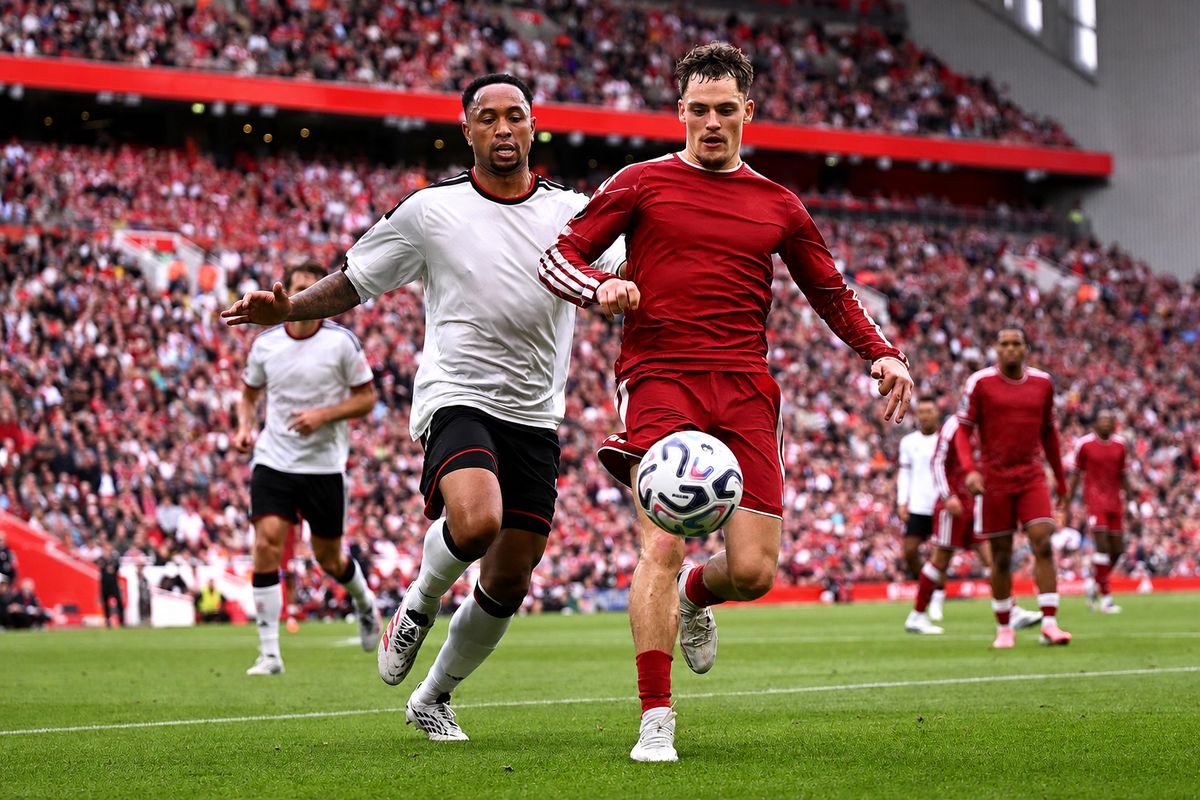
Florian Wirtz at Liverpool in 2026, what this guide ranks and why
The Florian Wirtz conversation is no longer just about football. It is about meaning, about whether a £106 million signing is a solution or a symptom, and about how quickly Premier League narratives harden into something like permanent weather. That is the specific development driving the latest wave of coverage on 13 September 2026: Wirtz, barely a year into English football, is already being treated as a referendum. Not on his last match, but on his entire existence as a Liverpool player.
This piece treats that as a practical decision point, because that is how clubs, coaches, and even fans end up behaving. It ranks the most plausible outcomes for Florian Wirtz at Liverpool from here, using a buying guide style set of criteria: tactical fit, evidence of work-rate, the club’s willingness to keep building around him, and the one factor nobody can fully control, the “discourse” that follows expensive, high profile, slightly unfamiliar archetypes in England.

And yes, it is a ranked list. Not because football is a shopping basket, but because Liverpool’s next steps really do resemble a set of options with trade-offs. Some are attractive. Some are messy. All are shaped by the same basic fact: Liverpool have already reconstructed key parts of the side to make best use of Wirtz, moving away from the midfield three that defined their most successful modern period and towards a two, often built around enabling him.

1. Florian Wirtz becomes Liverpool’s system, and the noise fades
This is the “best case” purchase, the one Liverpool thought they were buying when they paid £106 million to Bayer Leverkusen in 2025. It is not that Wirtz suddenly becomes a different player. It is that Liverpool’s structure, patterns, and selection choices finally make his strengths feel inevitable rather than optional. The Observer’s point is that talent is not the argument, it is effectiveness. So the top ranked scenario is simple: Wirtz’s effectiveness becomes so obvious that even the professional contrarians run out of oxygen.
There is already a clue in the reporting that this is not fantasy. The lazy critique has been physicality, that he is “too lightweight” for the Premier League. But that claim does not really survive contact with modern England, where “elfin No 10s” can thrive, and it does not survive contact with Wirtz’s own running data in a key moment. In Liverpool’s midweek win against Atlético Madrid, nobody runs further than him. That is not the profile of a luxury passenger. It is the profile of a player trying to force the game to bend his way.
- Key features or pros: Liverpool’s tactical rebuild pays off; Wirtz’s work-rate becomes part of his public identity; output rises enough to change the tone of debate.
- Pricing or availability: Already committed at £106 million, so the “cost” is now opportunity cost, continued tactical accommodation, and patience.
- One-line verdict: If Liverpool can make Wirtz’s influence unavoidable, the discourse does not disappear, but it stops mattering.
2. Florian Wirtz stays divisive, but Liverpool accept the trade-off
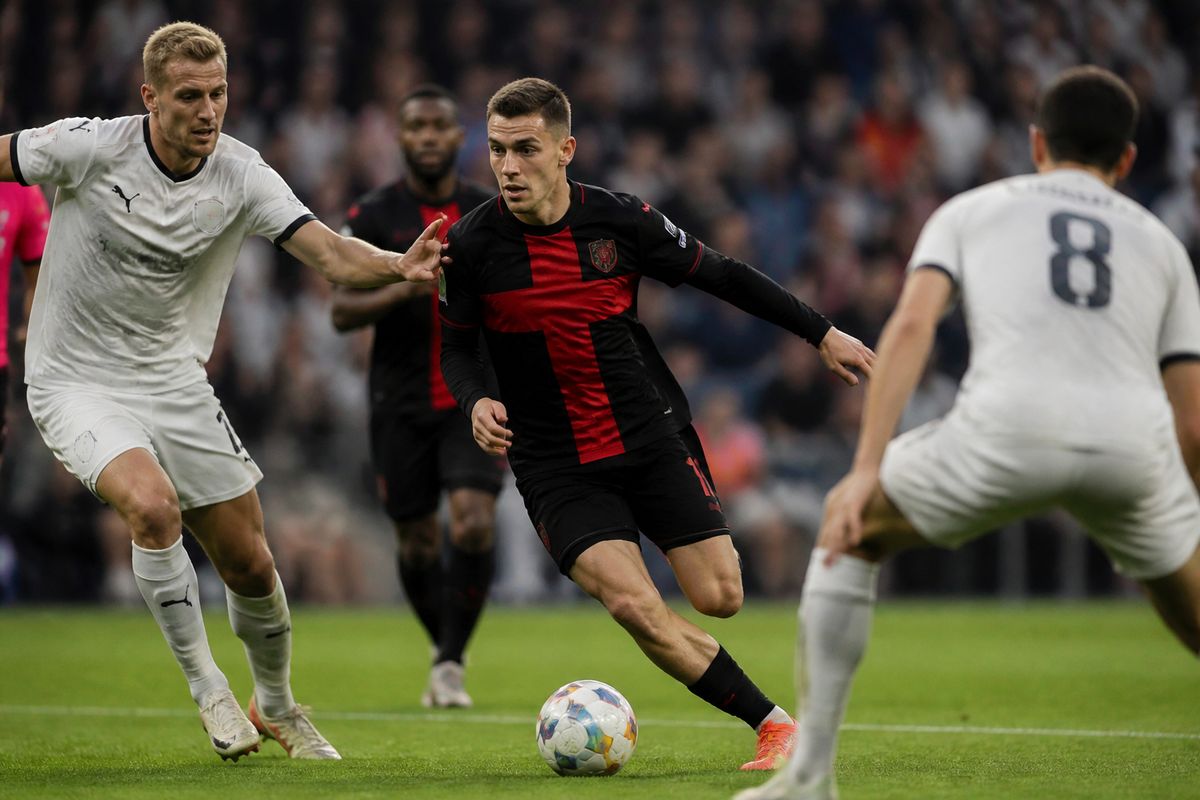
This is the most Premier League outcome of all, and it is why it ranks so high. The Observer frames Wirtz as the latest in a familiar lineage: Paul Pogba in the 2016 to 2020 stretch, Mesut Özil across eight years at Arsenal, and Trent Alexander-Arnold more recently. Different positions, different clubs, different personalities. Same phenomenon. They become a weekly morality play, the first cutaway of choice, the avatar for whatever argument people want to have about modern football.
What is striking in that comparison is not that those players failed. Pogba and Özil both win the World Cup. Alexander-Arnold wins two Premier League titles and a Champions League. And still the question persists: “Yes, but are they the problem?” That is the warning label on Wirtz’s Liverpool career. Even if he contributes to trophies, the debate may not resolve. It may simply become a permanent background hum, comforting in its familiarity, and occasionally toxic when results wobble.
In this scenario, Liverpool essentially decide that divisiveness is not disqualifying. They treat Wirtz as a high variance asset: sometimes maddening, sometimes brilliant, always central. The club’s job becomes less about “winning the argument” and more about insulating the squad from it. That means clear roles, consistent selection logic, and a refusal to make him the scapegoat every time the midfield balance looks off.
- Key features or pros: Liverpool keep the upside without demanding universal approval; the squad learns to live with the noise; Wirtz’s talent remains a match-winner even on imperfect days.
- Pricing or availability: The £106 million fee keeps expectations permanently high, fair enough, but it also makes a quick reset financially awkward.
- One-line verdict: Liverpool can win plenty while Wirtz remains a weekly argument, the trick is not letting the argument pick the team.
3. Liverpool tweak the build, and Florian Wirtz becomes more “Premier League-proof”
There is a subtle but important line in the source material: Liverpool have reconstructed their entire side to make best use of Wirtz, moving from a midfield three to a two. That is a massive structural bet. But structural bets can be adjusted without being abandoned. In this third ranked outcome, Liverpool stop treating the system as a binary choice, either “built for Wirtz” or “not built for Wirtz”, and start treating it as a set of dials.
That might mean giving him more consistent platforming behind him, or changing the profile of the two-man midfield so he is not asked to solve every transition problem with cleverness and running. The Observer notes that the Premier League is not uniquely hostile to smaller creators anymore. Bruno Fernandes is the reigning player of the year and is hardly Dolph Lundgren. Cole Palmer is cited as an example of an effective modern creator. The point is not that Wirtz should copy them, it is that the league has already adapted to accommodate brains over brawn. Liverpool can do the same, but with more precision.
This scenario also addresses the “effectiveness” critique head-on. If the argument is that Wirtz does not make enough use of his talent, then Liverpool’s job is to create repeatable situations where his talent is the obvious best tool. That is pattern design, spacing, and role clarity. Not vibes. Not motivational posters. And not endless public debate about whether he is “worth the trouble”.
- Key features or pros: Tactical flexibility without abandoning the investment; fewer games where Wirtz looks like he is solving the wrong problem; better balance between control and transition.
- Pricing or availability: No new transfer fee required, but it may require different squad profiles around him, which is its own kind of cost.
- One-line verdict: The smartest path may be neither full rebuild nor retreat, but a series of tweaks that make Wirtz’s job simpler and sharper.
4. Florian Wirtz becomes the symbol of a wider Liverpool rebuild, for better and worse
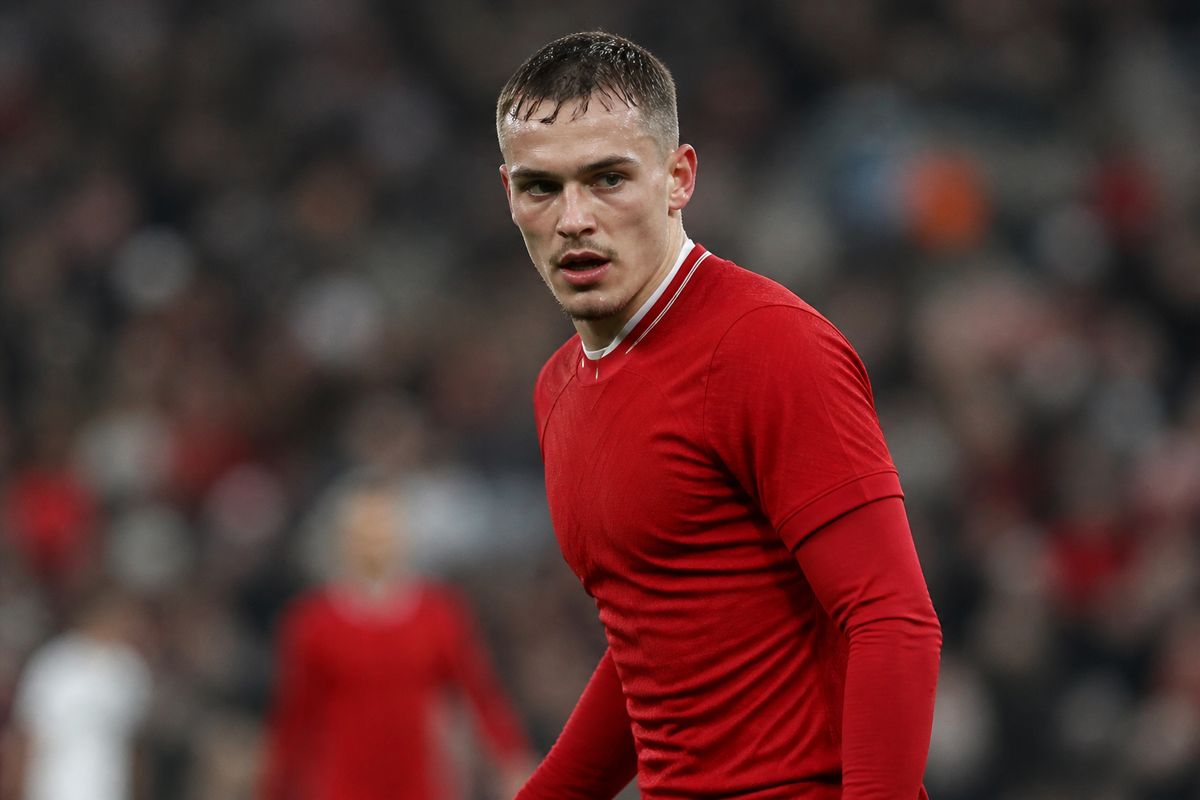
Sometimes a player is not judged as a player. He is judged as a project. That is what the Observer is getting at when it describes Wirtz as a “Talking Point” with “all available precedent” suggesting it can become a life sentence. The scrutiny is not simply “good game, bad game”. It is existential: is he a Good or a Bad Thing? That is not analysis, it is theology. But it is also how modern football is consumed.
In this fourth ranked outcome, Wirtz’s form becomes inseparable from Liverpool’s identity shift. The club that once had a clearly legible midfield three now asks different questions of its midfield, and by extension of its entire pressing and possession structure. When it works, Wirtz is the genius who modernised Liverpool. When it does not, he is the expensive indulgence who broke something that did not need fixing. That is unfair, but it is predictable.
The reason this ranks below the top three is that it is unstable. It invites overreaction. It encourages selection decisions to be made in response to the week’s narrative rather than the opponent. And it can create a feedback loop where Wirtz plays tighter because he feels the judgement, which then produces the very “lack of effectiveness” people claim to see. The Observer hints at that trap: once a discourse is established, it is dogged. It does not wait politely for context.
- Key features or pros: Clear narrative of a new Liverpool era; Wirtz becomes the focal point for creativity; the club’s football can look genuinely different and harder to predict.
- Pricing or availability: The £106 million fee amplifies every bump in the road, because the rebuild is implicitly priced into him.
- One-line verdict: Making Wirtz the symbol of the rebuild can energise Liverpool, but it also turns every wobble into a referendum.
5. The “discourse trap” hardens, and Florian Wirtz never escapes it
This is the bleak one, and it is exactly why it has to be on the list. The Observer’s central claim is that Wirtz may already have “no escape”, not because he cannot play, but because the narrative machine has decided he is a permanent topic. Once that happens, evidence becomes optional. A good performance is reinterpreted as an exception. A quiet performance becomes proof. And the debate shifts from football to identity, the fanbases, the pundits, the social media armies.
It is worth spelling out what makes Wirtz vulnerable to this. He is expensive by the standards of the time, at £106 million. He is high-profile. And he is, in English terms, a slightly unfamiliar archetype, a brain-first creator who is not a classic Premier League “type” in the way a box-to-box runner or a penalty-box striker is. That combination is basically catnip for polarisation. Add in Liverpool changing shape to accommodate him, and suddenly every tactical compromise feels like it is “for Wirtz”, even when it is simply the coach’s preferred evolution.
And the brutal part is that trophies do not necessarily fix it. The Observer points out that Pogba and Özil win the World Cup, Alexander-Arnold wins major club honours, and still the argument persists. So in this scenario, Wirtz could be useful, even successful, and still be treated as a problem waiting to happen. That is not a footballing issue. It is a cultural one.
- Key features or pros: There are not many, beyond the fact that Liverpool might still get good football out of him in patches.
- Pricing or availability: The fee becomes a permanent stick to beat him with, and it also makes the club more defensive about admitting any misfit.
- One-line verdict: If the discourse becomes the story, Wirtz can play well and still lose the argument, which is a miserable way to build a team.
6. A major European club circles, and Liverpool face a decision on Florian Wirtz
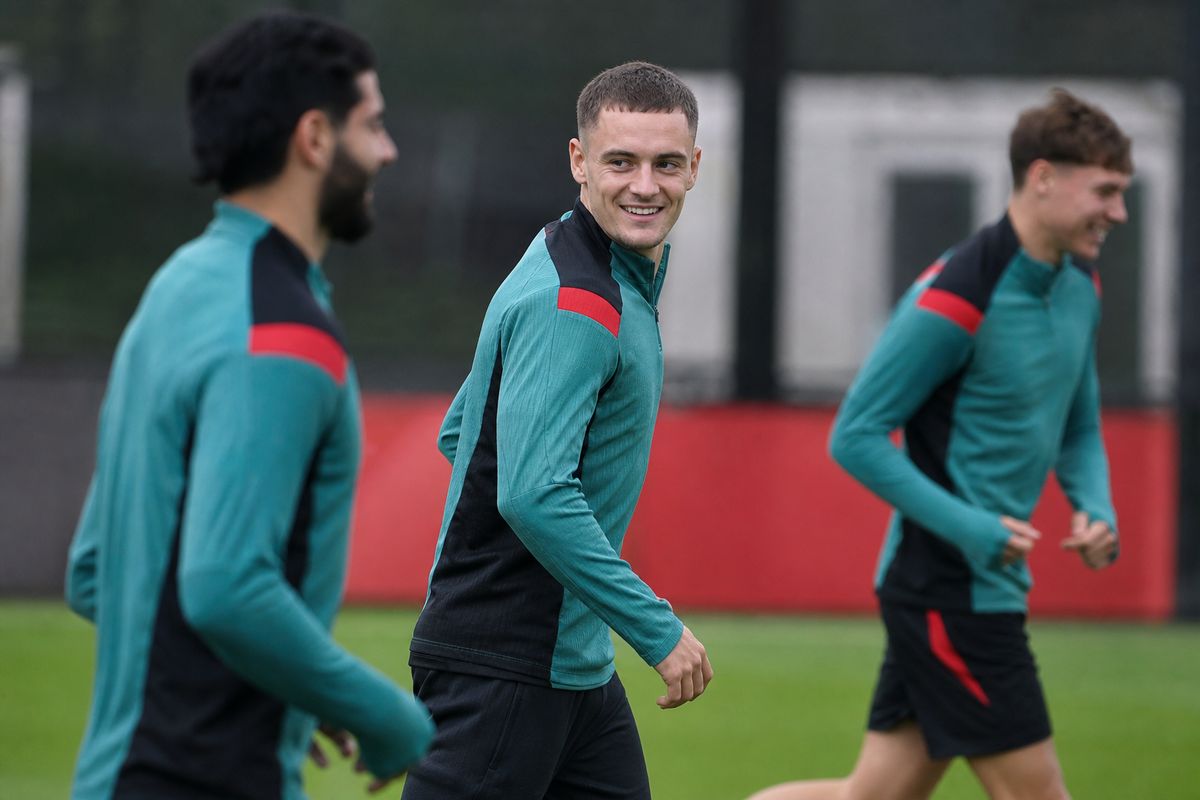
Big signings do not exist in a vacuum. When a player is as talented as Wirtz, and when the public conversation turns sour, the market starts sniffing around. The supplementary material indicates that Bayern Munich are still tracking Wirtz’s situation at Liverpool, framed explicitly around “Liverpool disappointment” in the headline. That is not proof of a bid, and it does not confirm any fee or timeline. But it does underline a reality: elite clubs monitor elite talent, especially when the narrative suggests friction.
This scenario is not automatically a failure. Sometimes a transfer is simply a reallocation of fit. But for Liverpool, it would be an admission that the £106 million bet did not land as intended, at least not quickly enough to justify the tactical disruption and the weekly scrutiny. And because the discourse is already loud, any move would be interpreted as either Liverpool cutting their losses or Wirtz “escaping” England. Neither reading is especially nuanced, but nuance is not always the point.
From an industry perspective, this is where the Premier League’s reputation matters. If a high profile, high fee creator is seen to struggle under the weight of expectation and narrative, it can reinforce the idea that England is a difficult place for certain profiles, not physically, but culturally. That is the kind of thing recruitment departments talk about quietly, and it shapes future risk appetite.
- Key features or pros: Liverpool potentially recoup a significant portion of the investment; Wirtz gets a reset; the squad can be rebuilt around a different creative model.
- Pricing or availability: No concrete numbers are provided in the source material beyond the original £106 million fee, so any resale valuation would be speculation and is not stated here.
- One-line verdict: If Bayern or another giant makes the situation real, Liverpool’s decision becomes less about talent and more about whether the project is worth the noise.
7. Final Verdict: what Liverpool should do next, and how to judge Florian Wirtz fairly
The most sensible “buy” right now is not a transfer out or a dramatic tactical U-turn. It is patience plus clarity. The Observer’s reporting offers two grounding facts that cut through the chatter: Wirtz’s talent is not disputed, and his work-rate critique does not stand up in at least one marquee example, where he covers more ground than anyone in a win against Atlético Madrid. That matters because it reframes the debate. If he is not a shirker and he is not physically incapable, then the remaining question is usage, role, and output.
Liverpool’s risk is that they have already made Wirtz central, structurally and symbolically. They have moved away from the midfield three that powered their most successful modern period and towards a two that better suits him. That is a huge commitment, and it is why the discourse feels so sticky. But it also means Liverpool have a responsibility to judge him on the terms they created. If the system is designed to funnel responsibility to Wirtz, then quiet games will happen, because opponents will plan for him. The answer is not to relitigate his existence every weekend. The answer is to build reliable secondary routes to goal and control so that Wirtz is not forced to be both the spark and the safety net.
And for the wider industry, Wirtz is a case study in how modern football evaluation works, or fails. The Premier League has always had scapegoats, but the current era turns certain players into permanent content. Pogba, Özil, Alexander-Arnold, now Wirtz. The pattern is clear: expensive, high profile, slightly unconventional roles, and a fan and media ecosystem that prefers binary verdicts. Liverpool cannot change that ecosystem. But they can decide not to be led by it. If they do, the best ranked outcomes remain very much alive in 2026.
Quick Summary
Best overall outcome: Liverpool keep building around Florian Wirtz, refine the balance around him, and let his effectiveness become obvious enough that the noise loses power.
Most likely outcome: Wirtz remains divisive even if he succeeds, because that is what happens to players who become “Talking Points”. Liverpool’s job is to make the football strong enough that the argument becomes background.
Red flag to watch: If the club starts changing selection and shape week to week in response to the discourse, rather than opponents and performance, the project risks collapsing into theatre.