Henry Pollock transfer talk turns into a Premiership stress test
The Henry Pollock contract saga stops being a bit of agent chatter and becomes a proper Premiership storyline on 3 September 2026, when reports emerge that Newcastle Red Bulls table a three year deal designed to meet the £1 million a year valuation being pushed by Pollock’s new representatives. It is a bold move, and not just because Pollock is one of England’s brightest young back rowers. It is bold because it pokes right at the league’s financial fault line: ambition versus the salary cap.
Northampton Saints, the reigning Premiership champions, are already in talks with Pollock about extending his contract. Saints director of rugby Phil Dowson says publicly, at the Gallagher Premiership season launch, that he is confident Pollock stays at Franklin’s Gardens beyond this season. But Newcastle’s offer lands within 24 hours of those comments, and it is structured to make Saints’ confidence expensive to maintain.

And then there is the mood music. Exeter’s director of rugby Rob Baxter calls Pollock “Marmitey”, the kind of player some supporters love and others would rather not build around. That is not a cheap throwaway line. It goes to the heart of the question that English clubs rarely have to answer so bluntly: is a player worth seven figures because of what he does on the pitch, or because of what he shifts at the turnstiles and in the club shop?

Newcastle Red Bulls’ three year offer, and why the structure matters
The key detail in the reported Newcastle Red Bulls proposal is not only the headline number. It is the shape of the deal. The offer is described as a backloaded three year contract that increases over time, with Pollock set up to become the club’s marquee player in 2029. That is a very modern way of doing business in a league where budgets are tight today, but owners and investors like to sell a bigger tomorrow.
Pollock is in the final year of his Northampton contract and has been free to speak to rival clubs since 1 July. Newcastle’s timing is not accidental. The club, backed by Red Bull following a takeover last summer, has been in the market for big names and wants a statement signing that signals it is not just participating in the Premiership, it is trying to bend it.
There is also a commercial layer built into the pitch. As part of the deal, Pollock would join Red Bull’s talent stable of ambassadors. That matters because it is not simply salary, it is brand alignment and off field value. Clubs have always tried to sweeten deals with opportunities, but a global consumer brand can offer a different scale of platform. Fair enough, that is exactly the sort of thing that makes a player and his advisers listen.
But it also raises awkward questions for the rest of the league. If a club can combine a marquee wage with a high profile ambassador role, the competitive gap is no longer just about rugby budgets. It becomes about who can plug players into wider commercial ecosystems. That is not necessarily against the rules, but it changes the feel of the competition.
Henry Pollock’s rise: England caps, enhanced contracts, and a new kind of profile
Pollock is not being discussed like a normal 21 year old flanker. He has already won 13 England caps, and he is one of 25 players on an enhanced contract worth £150,000 a year. That figure is important because it anchors the debate in reality. The jump from roughly £150,000 to £1 million is not a routine renegotiation, it is a redefinition of what an English forward can be paid in the domestic game.
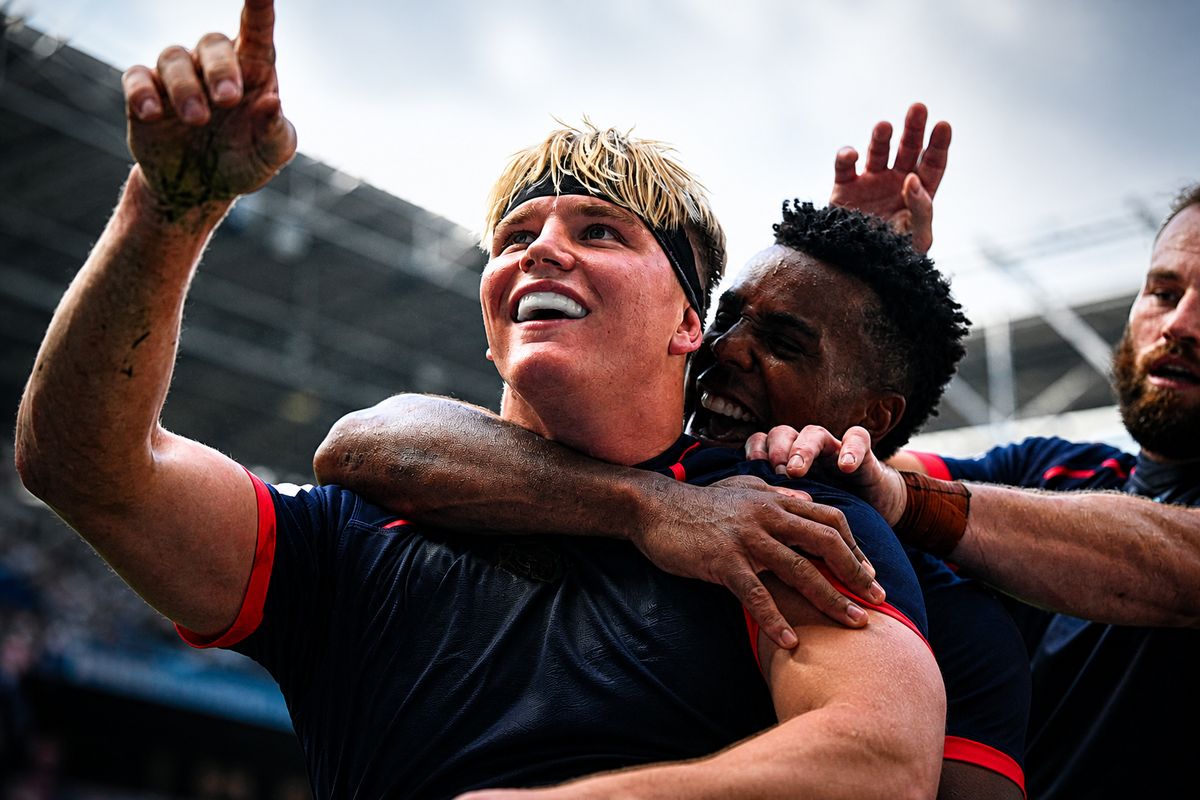
His on field highlights are already part of the sales pitch. In July 2026, Pollock is pictured celebrating after scoring England’s tenth try in a match against Fiji at Hill Dickinson Stadium in Liverpool on 11 July 2026. That single moment does not prove he is worth seven figures, but it shows why he is being marketed as a star rather than merely a very good player. Tries, celebrations, big scorelines, those images travel.
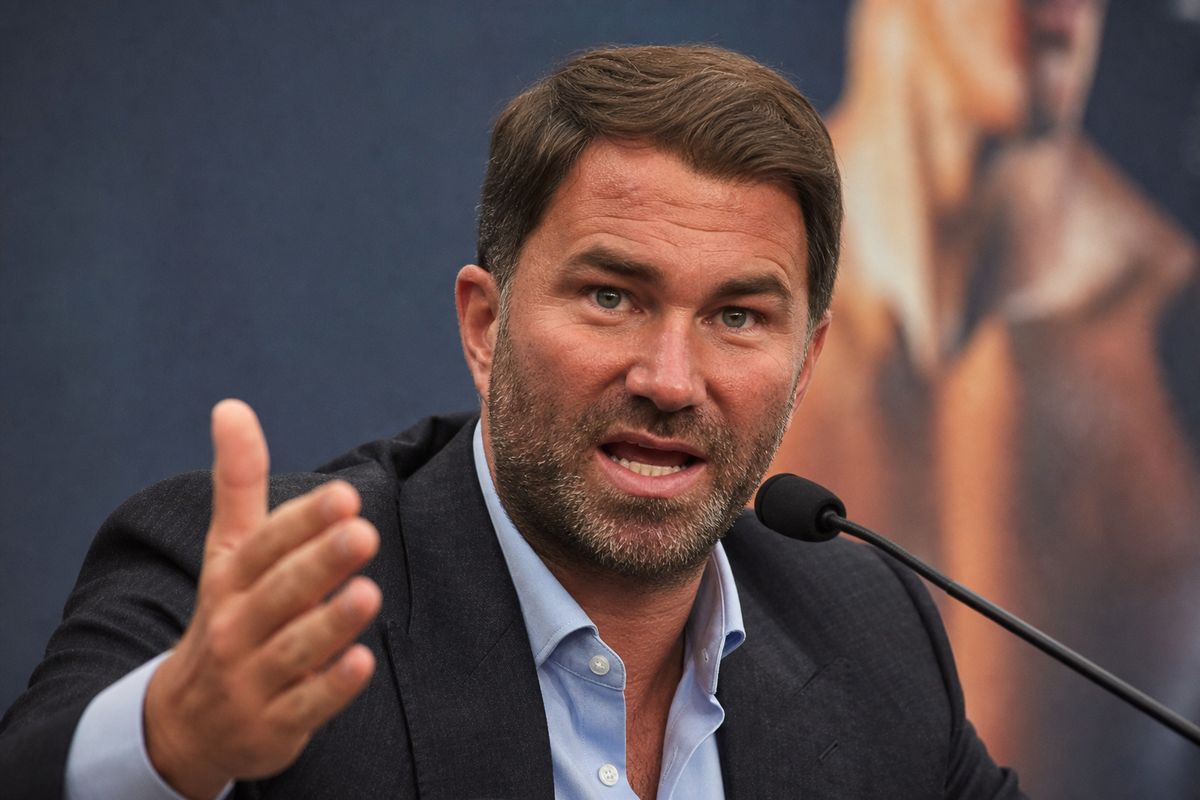
Then there is the Eddie Hearn factor. Pollock’s representatives are led by boxing promoter Eddie Hearn, who argues Pollock should be a “seven figure” player and frames the value in commercial terms: driving season ticket sales, putting “bums on seats”, boosting viewership, selling shirts. Saints fly half Fin Smith even jokes that Pollock told him to say he is worth it, before adding he would be “a bit annoyed” if Pollock gets a million. It is a light moment, but it also reveals a dressing room reality: one mega deal changes internal dynamics fast.
Pollock’s profile also cuts both ways. Baxter’s “Marmitey” label suggests a player who generates attention and debate, not universal affection. In a sport that still likes its heroes uncomplicated, that is a shift. And it is exactly why some clubs might see him as a marketing asset, while others worry about backlash from traditional supporters.
Northampton Saints, Henry Pollock, and the salary cap squeeze
Saints’ position is both straightforward and brutally complicated. Dowson says the club wants Pollock to stay and that Pollock wants to stay too. “That’s a great start,” he notes, before returning to the hard bit: Saints must find a “happy medium” between keeping a star and staying within the Premiership’s financial rules.
The numbers are not vague. The Premiership salary cap is stated as £6.4 million, and it can stretch to £7.8 million with credits for homegrown talent and other factors. That is the sandbox Saints have to play in. Dowson describes his job as fitting 57 or 58 players into a squad budget. That line lands because it is the reality most supporters do not see. A seven figure salary is not just a big contract, it is a chunk of the entire cap, and it forces choices elsewhere.
There is also a specific complication at Northampton: Fin Smith is their current marquee player. Under the cap system, elevating Pollock into the £1 million bracket would likely require making him the marquee, because marquee wages sit outside the cap. That creates a strategic decision, not a sentimental one. Does Saints’ long term plan revolve around a fly half or a flanker? Both can be talismanic, but they shape teams differently.
Dowson is careful not to attack Hearn for doing his job. He even calls Hearn “great for the game” because he can publicise and grow it. But Dowson repeats the same point in different ways: Saints cannot sacrifice the budget to appease one player, even a golden boy. That is a message to the agent, the player, and the rest of the squad. And it is also a message to the league: Saints are not going to be bullied into breaking their model.
Rob Baxter’s “Marmitey” verdict, and the cold maths of bums on seats
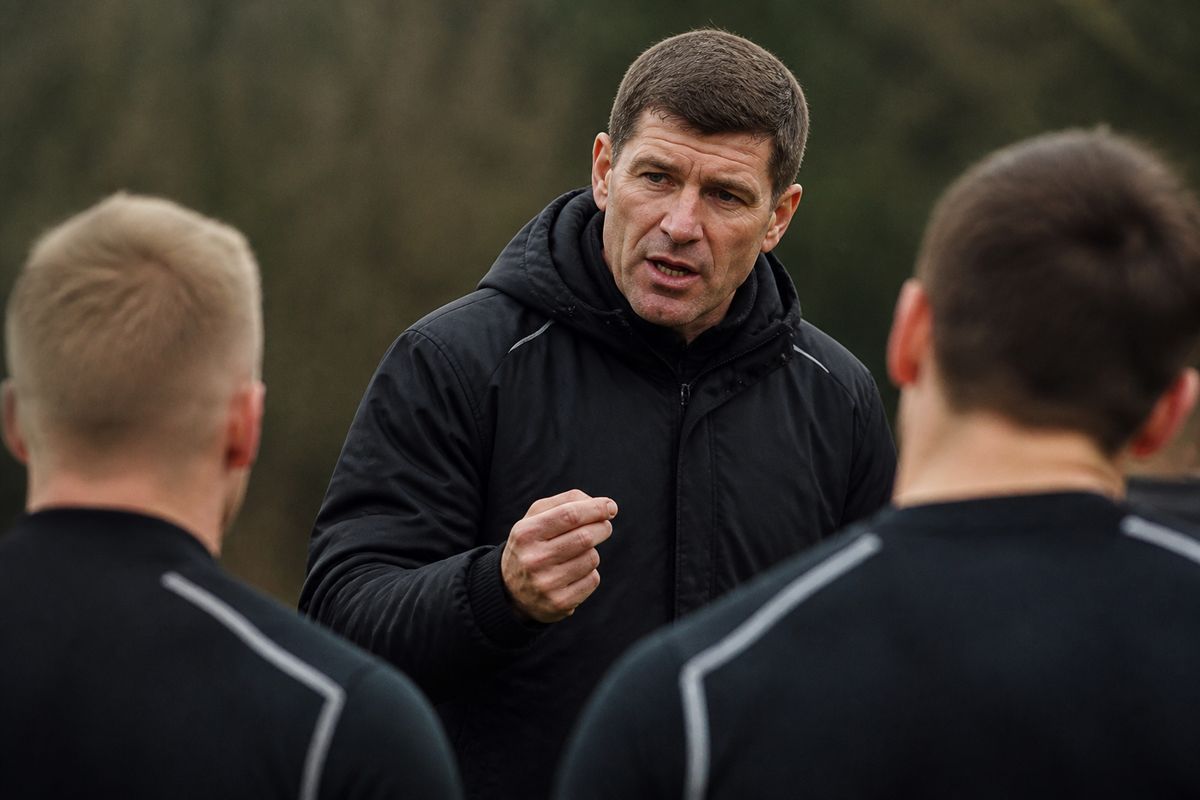
Baxter’s intervention is fascinating because it is not really about Pollock’s tackle count or breakdown work. It is about market research. He says a truly world class player might justify a marquee spend if they add, in his example, 3,000 to the gate. That is not presented as a measured statistic from Exeter’s accounts, it is a way of explaining the logic clubs must apply if they are going to pay one player an amount that could fund several starters.
He contrasts Pollock with Henry Slade, suggesting Slade might be the kind of signing that moves the needle in a way Pollock would not. And then he goes further: if Exeter brought Pollock in, Baxter believes there would be supporters who preferred they did not, because Pollock is too divisive. That is a rare public admission in rugby, a sport that often pretends fandom is uniform and rational. It is not. People buy tickets for identity as much as for results.
This is where the Pollock debate becomes a proxy for something bigger. Rugby in England has spent years trying to grow audiences, attract younger fans, and compete for attention with football and other entertainment. A player who is “love him or hate him” can be a problem inside a club culture. But commercially, controversy and charisma can be rocket fuel. The uncomfortable truth is that attention is a currency, and Pollock seems to generate it.
But Baxter also asks the key question: has rugby “got to that stage yet”? In other words, is the Premiership ready for superstar economics where one player’s salary is justified by incremental ticket sales and media value? The league has flirted with that idea before, but the cap and the sport’s traditional wage structure have kept it in check. Newcastle’s reported offer suggests that check is being tested.
Red Bull ownership enters English rugby, and Henry Pollock becomes the symbol
Newcastle’s Red Bull backing is the accelerant in this story. The club has been in the market for big names since the takeover last summer, and the Pollock offer fits a familiar Red Bull pattern seen in other sports: build a high energy brand identity, recruit talent that can be marketed, and create a pipeline of ambassadors who sell the lifestyle as much as the results.
That does not automatically mean Newcastle will dominate. Rugby squads are not built with one signing, and the Premiership is not a closed shop where spending guarantees trophies. But it does mean the competitive conversation changes. If Newcastle can credibly put £1 million a year on the table, even via a backloaded structure, other clubs have to decide whether to follow, resist, or find different edges through coaching and development.
The ambassador element is particularly significant because it blurs lines. A player can be paid by a club, and separately earn money through sponsorships and endorsements. That is normal. What feels new here is the integration: a club backed by a global brand can offer a pathway into a ready made commercial machine. For a 21 year old with 13 caps, that is tempting. It is also a reminder that the Premiership is no longer competing only with other rugby clubs, it is competing with broader entertainment brands.
And for Saints, it is a direct threat to their identity. Northampton’s model has long leaned on development, cohesion, and smart recruitment. Losing a homegrown or home developed star at the point he becomes a commercial asset would sting. Not just emotionally, but strategically. It signals to every academy prospect that the biggest paydays might sit elsewhere, even if the best rugby environment is at Franklin’s Gardens.
What this negotiation says about the Premiership in 2026
The Pollock situation lands at a time when English club rugby is still trying to balance sustainability with spectacle. The salary cap, at £6.4 million with potential credits up to £7.8 million, exists for a reason. The league has lived through financial instability and the consequences of clubs spending beyond their means. Nobody serious wants a return to that chaos.
But the cap also creates a strange tension. It is meant to keep competition tight, yet it can also suppress the emergence of genuine domestic superstars, at least in pay terms. When a player’s camp argues for £1 million a year, they are effectively saying: this athlete is not just a component in a squad, he is a product that can expand the whole pie. If that is true, the cap starts to look like a ceiling on growth rather than a guardrail against collapse.
There is also a positional debate hiding in plain sight. Fly halves, like Fin Smith, are often treated as the natural marquee because they run the game and sell narratives. A flanker demanding marquee status challenges that hierarchy. It suggests the modern back rower, especially one with personality and media pull, can be the face of a club. That is a shift in how rugby markets itself, away from the traditional playmaker centric model.
And then there is the cultural piece. Baxter’s “Marmitey” comment is not just about Pollock, it is about rugby’s relationship with celebrity. The sport wants stars, but it also wants everyone to be humble, team first, and broadly uncontroversial. Those two desires do not always sit comfortably together. If Pollock becomes the first English forward to genuinely crack the seven figure club domestically, it will not just change wage expectations. It will change what kind of personality the Premiership is willing to embrace.

Historical echoes, and why this feels like a turning point rather than a one off
Big contract standoffs are not new in professional rugby, but the Pollock case has a few ingredients that make it feel like a marker. First, the explicitness of the number. “Seven figure player” is not coded language. It is a line in the sand. Second, the involvement of a promoter like Eddie Hearn, who is used to building fighters into pay per view attractions. Rugby agents have always negotiated hard, but this is a different style of public positioning.
Third, the ownership context. Newcastle’s Red Bull backing gives the offer a different credibility. In previous eras, a rumoured mega deal might be dismissed as posturing because clubs simply could not fund it. Here, the narrative is that Newcastle is prepared to test Saints’ resolve and build towards making Pollock the marquee by 2029. That is long term planning, not a sugar rush.
Finally, the debate is happening in public, with senior coaches and directors of rugby weighing in. Dowson talks openly about budgets and squad sizes. Baxter talks openly about market research and fan reactions. That transparency is unusual, and it suggests clubs know supporters are paying attention to the economics now. Fans are not just asking who is starting at blindside. They are asking what the club can afford, and what it should prioritise.
None of this guarantees Pollock leaves Saints. He may yet sign an extension that fits Northampton’s structure, perhaps with a significant rise that still falls short of £1 million. But the fact Newcastle can credibly table a deal at that level changes the negotiating landscape for everyone. Once one club pushes the boundary, the boundary does not snap back easily.
Where Henry Pollock, Northampton Saints, and Newcastle go from here
In the short term, the next steps are procedural as much as dramatic. Pollock is entitled to speak to other clubs, Saints are entitled to hold their line, and Newcastle are entitled to keep pushing. Dowson frames it as ongoing discussions with agents, the group, and decision makers. That is corporate language, but it reflects a real process: modelling different squad scenarios, assessing what a marquee switch would mean, and deciding how much of the cap to allocate to which positions.
For Pollock, the decision is about more than money, even if money is the headline. Staying at the Premiership champions offers continuity, a stable rugby environment, and a clear role. Moving to Newcastle offers the chance to be the centrepiece of a new era, with Red Bull’s commercial engine behind it. Players talk about legacy, but they also talk about opportunity. This is both.
For the Premiership, the implications are immediate. If Saints lose Pollock, it signals that even title winning clubs can be outmuscled financially when a new power arrives. If Saints keep him without breaking their structure, it becomes a case study in resisting superstar inflation. Either way, the league is being forced to confront what it wants to be in the late 2020s: a tightly regulated competition built on parity, or a league that makes room for a handful of genuine, highly paid, commercially driven stars.
And for supporters, it is a reminder that modern rugby is not just 80 minutes on a Saturday. It is contracts, caps, branding, and the uncomfortable question Baxter puts so plainly: does this player put enough bums on seats? In 2026, that question is no longer taboo. It is the business model.