King Charles health update 2026, the real choice facing the Palace
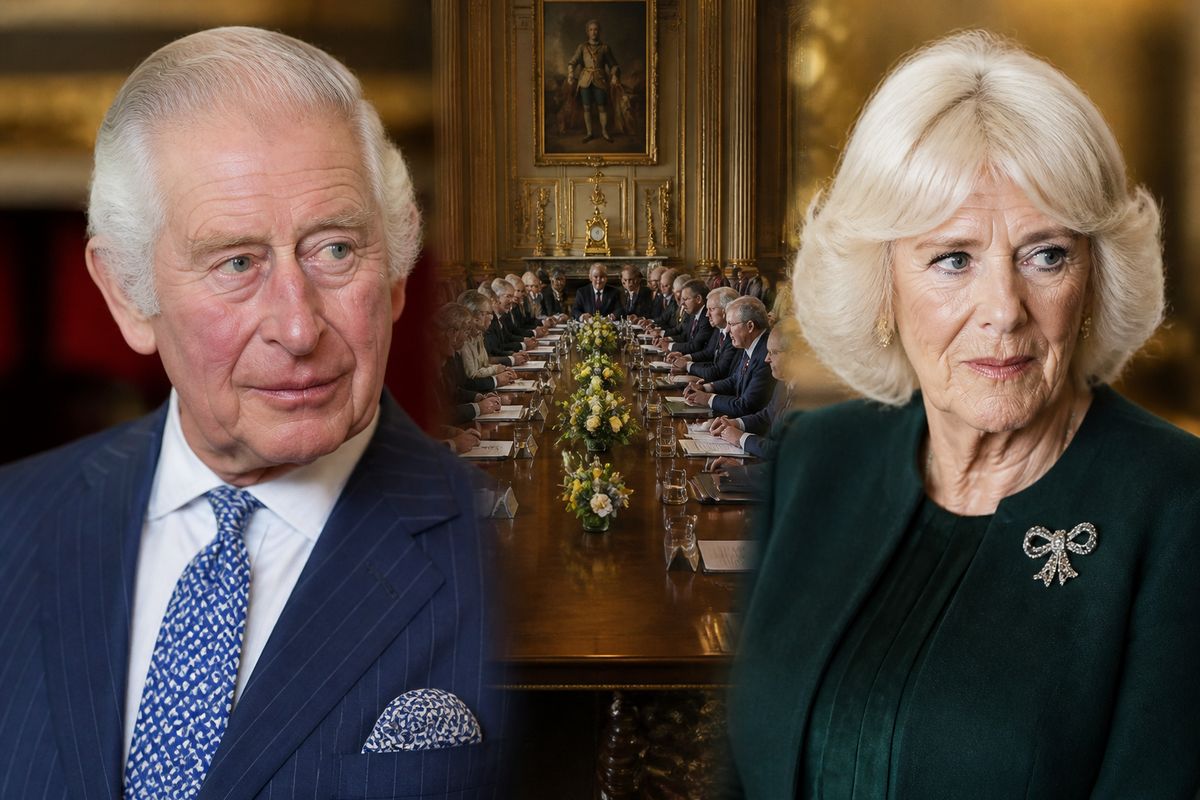
The latest King Charles health update lands at an awkward moment for the monarchy. On one side sits a very human, very private reality: the King is still receiving cancer treatment and, according to royal insiders quoted in recent reporting, remains in a “fragile state” with energy levels “not what they used to be”. On the other side is the public-facing machine of modern royalty, which keeps moving, with exhibitions, overseas tours and constitutional symbolism that does not politely pause.
That tension is the story. And it is not just about whether the King does an engagement or skips it. It is about how the Royal Household chooses to operate in 2026: Queen Camilla as protective gatekeeper who tries to eliminate stress, versus a high-visibility monarchy that leans into soft power moments, international diplomacy and the steady rhythm of public duty.
In practical terms, the Palace is weighing two operating modes that can look similar from the outside but feel very different inside the institution. One prioritises rest, controlled access and fewer flashpoints. The other prioritises presence, continuity and the message that the Crown is stable, even when the person wearing it is not at full strength (and fair enough, that is the job).
What makes this week especially pointed is the collision of storylines: reports of Camilla telling other royals to “grow up and deal with it” so Charles can be prioritised, alongside a diary that includes major cultural diplomacy such as the Bayeux Tapestry exhibition at the British Museum, and wider family drama after Prince Harry and Meghan’s unexpected return to the UK in August 2026, which has already reignited questions over security.

Option A vs Option B, what exactly is happening right now
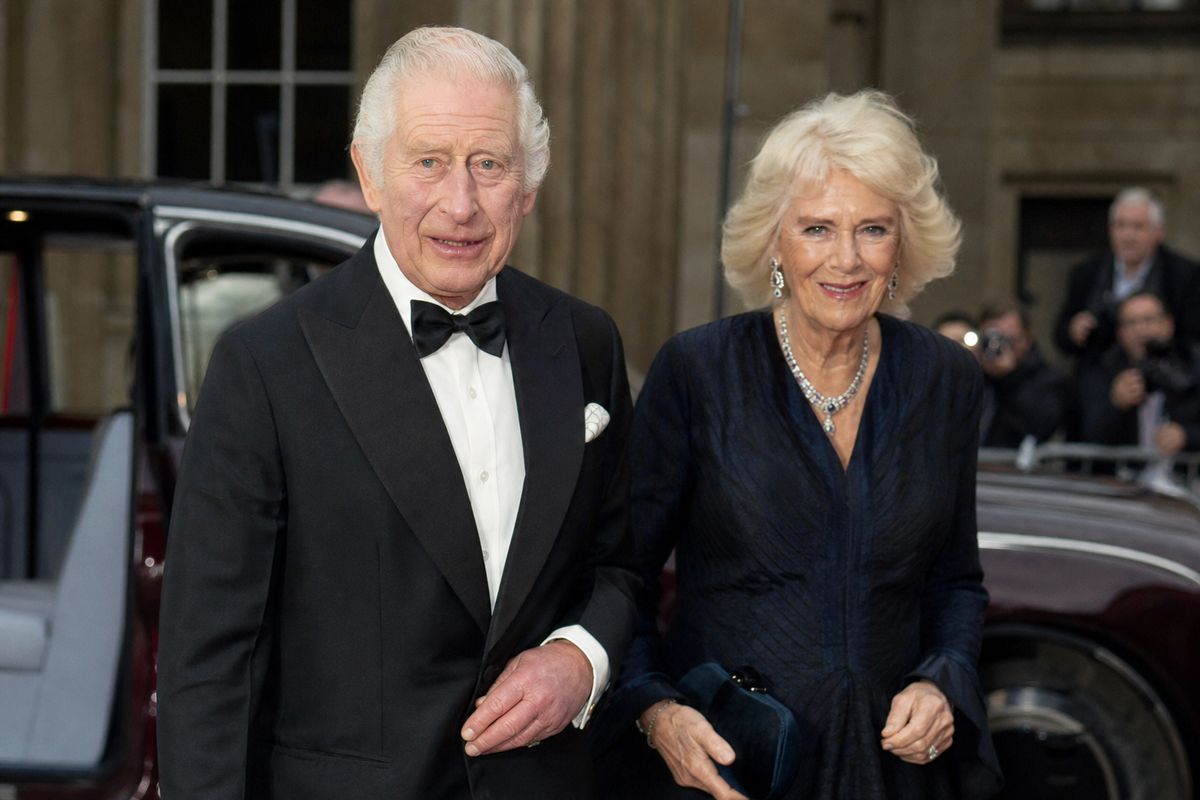
Option A is the model implied by the insider briefings: Charles is still in treatment and recovery, and the household’s first principle is stress reduction. The reporting describes Camilla stepping up “in a huge way”, acting as Queen, wife and “gatekeeper” to soften blows and protect his health. The same source material says she is demanding other members of the royal family “grow up and deal with it”, with the clear instruction that they should prioritise Charles.
Option B is the model visible in the public diary: the King continues to appear at high-profile moments that carry diplomatic and cultural weight. In late August 2026, BBC reporting includes the announcement of an eight-day Caribbean tour in autumn, starting in Antigua, followed by visits to the Bahamas and Guyana. The King is also involved in the “unprecedented” Bayeux Tapestry exhibition in London, seen by him ahead of the public opening at the British Museum on 10 September 2026, with British and French leaders expected to attend.
These are not mutually exclusive, of course. The Palace can protect the King and still put him in the room for the big set pieces. But the headlines suggest the balance is getting harder to hold, partly because the family context is volatile. BBC reporting notes that Harry and Meghan’s return to the UK in August 2026 triggers renewed debate about publicly funded security, and that sort of issue is exactly the kind of stressor insiders say Charles is urged to avoid.
And then there is the emotional load. The BBC also reports the King being “heartbroken” by deadly Nepal flash floods on 28 August 2026, with 33 people from the UK missing, including a 13-year-old girl and a 14-year-old boy. Even when the King is not physically present, the role demands response, attention and empathy. That is part of the job, but it is still pressure.
King Charles health update 2026, the medical backdrop vs the constitutional reality
The known medical timeline is clear in the source material, even if the specifics of diagnosis and prognosis are not. In February 2024, the King undergoes a procedure to treat an enlarged prostate, and during that operation “a form of cancer” is found. As of the latest updates included here, he is currently receiving treatment. No further clinical detail is provided in the material, and it would be irresponsible to speculate beyond that.
What the insider reporting adds is texture rather than medicine: Charles is said to be making “great strides” in recovery, but it remains “an ongoing process”, and his energy levels are reduced. That matters because the monarchy is not a normal workplace. A chief executive can delegate and disappear. A constitutional monarch can delegate some duties, but the symbolism of the sovereign is harder to outsource. When the King is visible, the institution looks steady. When he is absent, the institution can still function, but it invites questions, commentary and, inevitably, palace intrigue.
This is where Camilla’s role becomes strategically important. The reporting frames her as both spouse and operational filter, controlling access and limiting stress. In a family business, that might be called protecting the principal. In a constitutional monarchy, it can look like a power centre, even if it is motivated by care. And because the King is also described as concerned about reconciliation between Prince William and Prince Harry, the emotional stakes are not abstract. Family conflict is not just gossip here, it is a stress factor with institutional consequences.
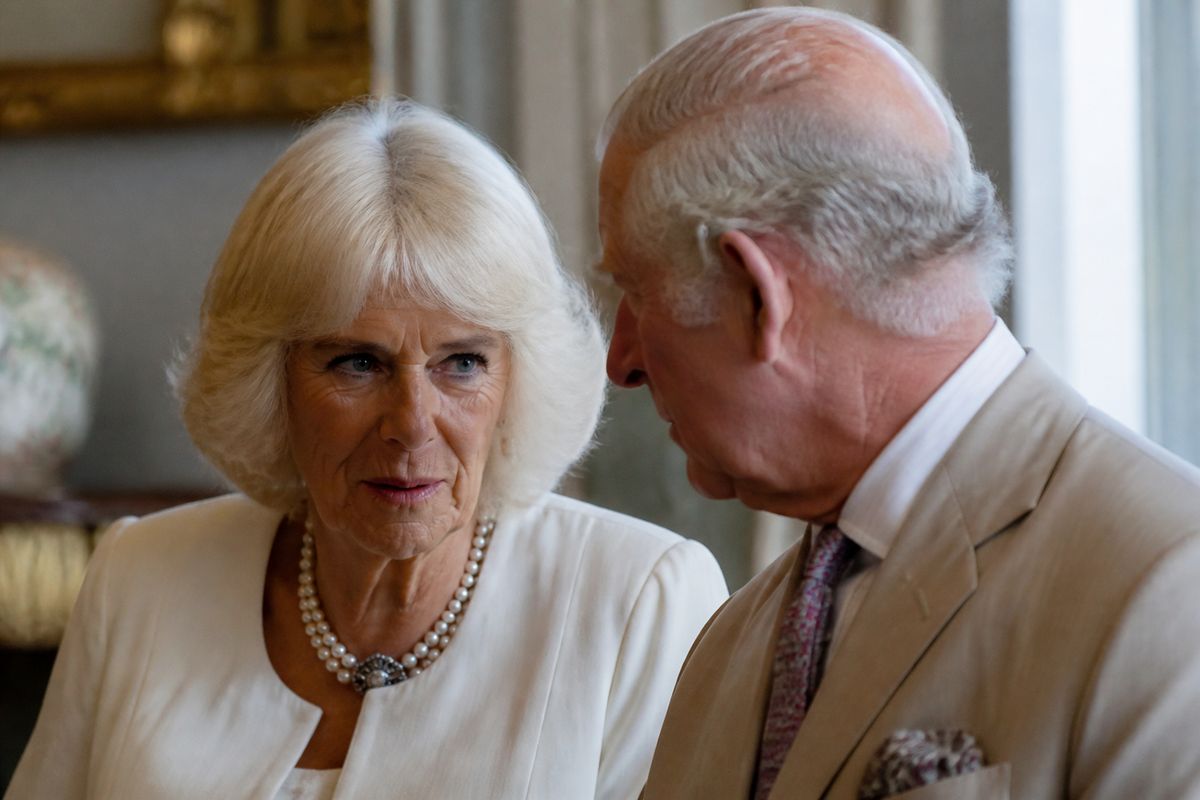
There is also the calendar problem. September 2026 is stacked: the Bayeux Tapestry opens to the public on 10 September, and HELLO! reports discussion around whether the King will likely skip the funeral of his second cousin, King Harald, on 9 September 2026, leaving Prince William to take charge. That is a classic example of the two-track approach: protect the King’s energy while ensuring the Crown is represented.
Queen Camilla as gatekeeper vs the ‘always on’ monarchy, who does what
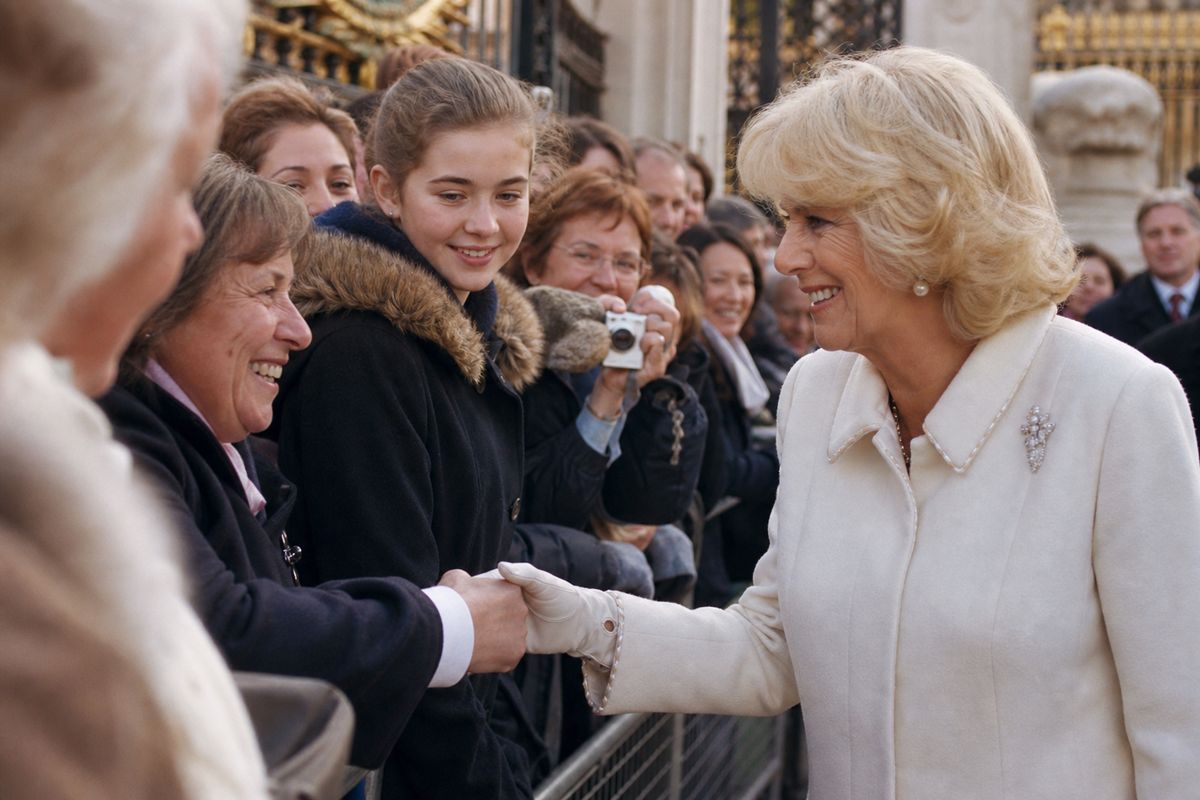
Camilla’s “gatekeeper” framing is striking because it signals a more assertive internal posture. The source material describes her as “incredibly protective” and, since the 2024 cancer diagnosis, “fusses over him almost non-stop”. It also says she sees it as her duty to look out for him “with a vengeance”. That is colourful language, but the underlying point is serious: the Queen is positioned as the person willing to say no, even when the institution is wired to say yes.
Against that sits the modern expectation that the monarchy must keep earning its keep. The BBC’s coverage of the Bayeux Tapestry moment is a good example of why. This is not a routine ribbon-cutting. It is cultural diplomacy with France, a prestige exhibition described as “unprecedented”, and a chance to place the King at the centre of a shared historical narrative. The King is also quoted by the BBC as saying the tapestry shows the “French side of my family”, which is exactly the sort of soft power line that lands well because it feels personal, not scripted.
Then there is Canada’s new $20 bill featuring a portrait of King Charles III, reported by the BBC two days ago. It is the first new monarch to appear on a Canadian banknote in more than 70 years, and it is a reminder that the King’s role is not just domestic. He is a head of state in a wider constitutional family, and symbolism matters. Currency design is not trivial, it is a statement about continuity and identity.
So the comparison is not “Camilla versus Charles”. It is protective consolidation versus public continuity, and the Palace is trying to do both. The risk is that doing both badly looks like drift. Doing both well looks like a carefully managed transition to a slightly different model of monarchy, one that is more selective, more strategic, and less punishing on the person at the centre.
Stress, security and family dynamics, the hidden cost of visibility
The insider line that doctors and others have “impressed on him how important it is to eliminate stress” is not surprising. What is surprising is how hard that is to achieve in 2026, because the stressors are not only personal health. They are structural.
Start with security. BBC reporting on 20 August 2026 says Harry and Meghan’s return to the UK reignites questions over security, and that a fresh decision will need to be made on the level of publicly funded protection they are entitled to. Security debates are politically sensitive, legally complex and emotionally charged. They also generate wall-to-wall commentary, which is exactly the kind of noise a recovering patient does not need. And yet, as a matter of public interest, it cannot be ignored.
Then there is the reconciliation angle. The insider reporting says Charles is concerned about reconciliation between William and Harry. That is not a small thing. The monarchy is a brand built on family continuity, and the public rupture has been one of the defining narratives of the last decade. If Charles is trying to reduce stress while also hoping for a family thaw, he is effectively attempting emotional diplomacy while undergoing treatment. That is a lot for anyone.
Finally, there is the sheer weight of events. Natural disasters, international tours, cultural diplomacy, domestic planning disputes near Highgrove, and the constant churn of public expectation. Even when the King is not physically present, the Crown is expected to respond. The comparison here is stark: a protected, filtered environment might preserve health, but too much distance can create a vacuum that others fill, sometimes unhelpfully.
Comparison table, Gatekeeper model vs High-visibility model
Below is how the two approaches stack up based on what is visible in the source material. This is not a judgement on personalities, it is a practical look at operating choices.
| Dimension | Option A, Camilla gatekeeper, stress minimisation | Option B, high-visibility monarchy, continuity signalling |
|---|---|---|
| Primary aim | Protect the King’s recovery, reduce stress, manage access | Maintain public confidence, deliver diplomacy and major set pieces |
| How it looks publicly | Fewer appearances, more delegation to senior royals | Key appearances continue, including major cultural events and tours |
| Best-fit moments | Periods of treatment, heightened family tension, security controversies | Bayeux Tapestry diplomacy, Commonwealth symbolism like Canada’s $20 bill |
| Key risk | Perception of withdrawal, speculation, power shifting to courtiers or family | Overextension, fatigue, and stress undermining recovery |
| What it requires | Firm internal discipline, clear boundaries, family cooperation | Tight scheduling, careful optics, and reliable stand-ins when needed |
Pros and cons, which approach serves the Crown best in 2026
Both models have obvious upsides. Both have traps. And the trap, frankly, is pretending there is no trade-off.
Option A, Camilla gatekeeper, stress minimisation
- Pros: Prioritises recovery during ongoing cancer treatment; reduces exposure to family conflict and security noise; creates a clearer buffer around the King’s time and energy.
- Pros: Encourages delegation, which can strengthen the wider institution, particularly if Prince William is increasingly visible at key moments.
- Cons: Can fuel speculation about the King’s condition because absence invites rumour; may look like internal tension if “gatekeeping” is framed as blocking access.
- Cons: Requires family discipline, and the reporting itself suggests Camilla feels the need to tell others to “grow up”, which hints that discipline is not automatic.
Option B, high-visibility monarchy, continuity signalling
- Pros: Reinforces stability, especially around major moments like the Bayeux Tapestry exhibition opening on 10 September 2026; supports diplomatic relationships, including with France.
- Pros: Maintains the King’s personal connection to Commonwealth symbolism, such as Canada unveiling a new $20 bill featuring his portrait.
- Cons: Risks overtaxing the King when insiders say energy levels are reduced; increases exposure to stressors, including family and security controversies.
- Cons: If the King appears sporadically without clear explanation, it can create a stop-start narrative that feels more unsettling than planned delegation.
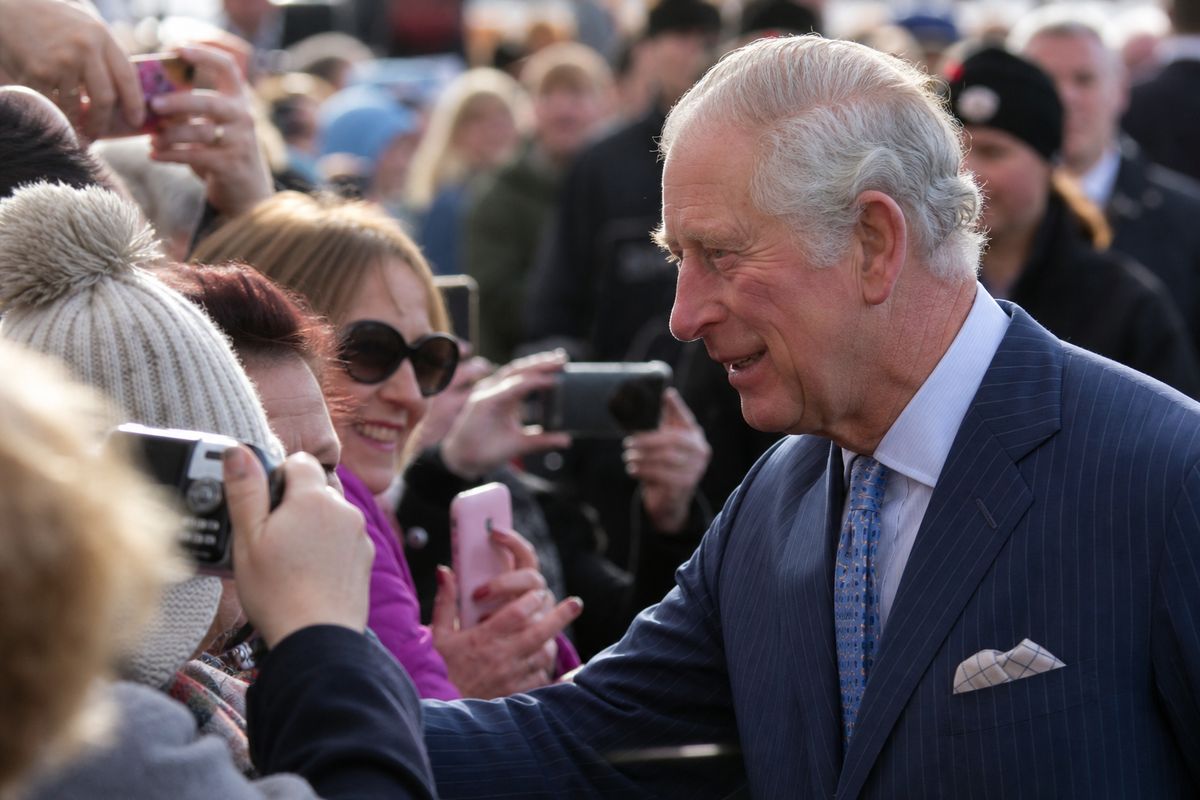
The interesting part is that the Palace is already blending the two. The question is whether it can keep doing that as autumn ramps up, with an overseas tour announced and major diary moments clustered in September. The institution has to decide what gets the King’s limited energy, and what gets delegated. That is not glamorous, but it is the work.
Historical context, how this compares with past royal health crises
There is a familiar pattern in royal history: when a monarch’s health becomes a factor, the institution tends to respond in phases. First comes reassurance, then controlled visibility, then a gradual shift to delegation. The source material suggests the monarchy is in that middle phase now. The King is present for high-impact moments, but there is also talk of skipping certain events, with Prince William stepping in where appropriate.
What feels different in 2026 is the media environment and the speed of narrative. In earlier eras, the Palace could slow the story down. Now, every diary change becomes a referendum on health, family unity and institutional competence. Add the Harry and Meghan storyline, and the Palace is not just managing a health issue, it is managing a multi-threaded drama where each thread tugs on the others.
There is also the modern expectation that royal work must be justified in real time. Cultural diplomacy like the Bayeux Tapestry matters because it is a tangible public good, a major exhibition, a shared heritage moment. International tours matter because they are part of the Crown’s external role. But the public is also more comfortable than ever with the idea that someone undergoing treatment should rest. That cultural shift cuts both ways: it creates empathy, but it also raises the bar for transparency and sensible workload management.
And Camilla’s prominence fits that historical arc too. Consorts often become stabilisers during health crises, but the “gatekeeper” label is unusually explicit. It suggests a palace that is not just quietly adjusting, but actively enforcing boundaries. In a family that has, at times, struggled with boundaries, that is a big deal.
The Verdict, a pragmatic recommendation for the monarchy’s next move
The clearest path in 2026 is not choosing one model and ditching the other. It is formalising the blend, and doing it with less drama. The King’s diary should prioritise the moments that only he can do, the constitutional symbolism, the major diplomatic set pieces, the cultural events where his personal presence carries unique weight. The Bayeux Tapestry exhibition is a good example. Canada’s new $20 bill is another, even when it is not an “event” in the usual sense, it is a reminder of his role beyond the UK.
But the day-to-day grind, the engagements that can be done by other senior royals without loss of meaning, should be systematically delegated. Not ad hoc, not last-minute, and not framed as a crisis response. If Prince William is indeed expected to take charge for events such as King Harald’s funeral on 9 September 2026, that should be presented as normal institutional resilience, not a scramble.
As for Camilla’s “gatekeeper” stance, it looks necessary, even if it ruffles feathers. The insider line that she wants the family to “grow up and deal with it” reads like frustration, but also like triage. If the King’s doctors and advisers are urging stress reduction, then the household needs someone empowered to enforce it. The smarter play is to make that enforcement feel less personal and more procedural, clear rules, clear delegation, clear messaging. Less soap opera, more grown-up governance (to borrow the phrase).
In short: protect the King’s recovery first, but do not disappear. Pick the big moments, delegate the rest, and stop letting family turbulence dictate the tempo. The monarchy cannot control every headline. It can control its operating model. Right now, that is the comparison that matters.
Closing thoughts, what to watch next
September 2026 is shaping up as a stress test. The Bayeux Tapestry opens to the public at the British Museum on 10 September, and the days around it are packed with symbolism, diplomacy and the inevitable scrutiny of who appears, who does not, and why. At the same time, the aftershocks of Harry and Meghan’s return to the UK are still working through the system, particularly on security, which the BBC notes requires fresh decisions.
And then there is the longer horizon. The King and Queen’s eight-day Caribbean tour in autumn, starting in Antigua and continuing to the Bahamas and Guyana, is not a small undertaking. If the King’s energy levels are indeed reduced, the planning will need to be meticulous, with built-in rest and a clear division of labour. The Palace has done this sort of choreography before. The question is whether it can do it now while the family story remains so combustible.
The public, for its part, is likely to accept a monarch who is visibly managing his health, as long as the institution looks competent and honest about the shape of the workload. What it will not accept is confusion. In that sense, the “gatekeeper versus visibility” debate is not gossip. It is the operating system of the Crown, being rewritten in real time.