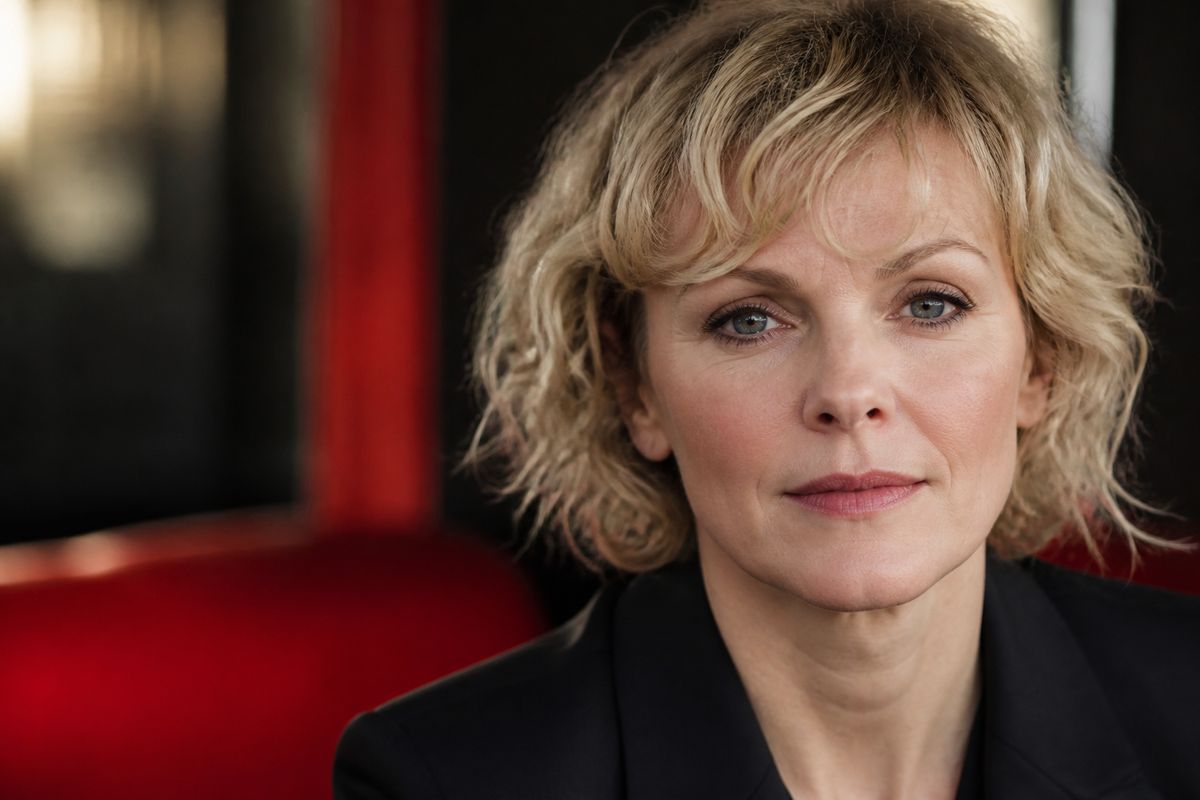
Last Seen arrives on Apple TV, and Maxine Peake calls it “dark” and “upsetting”
Last Seen lands on Apple TV on 9 September 2026, and the early messaging around it is unusually blunt. Maxine Peake, one of the series’ headline stars, describes the thriller as “dark” and “upsetting”. That is not the sort of soft-focus tease that usually accompanies a streamer launch. It is a warning label, basically. And it sets expectations for a detective story that wants to get under the skin, not just keep viewers guessing.
The miniseries is an Australian thriller created by Kris Mrksa and based on Ryan David Jahn’s book The Dispatcher. It stars Patrick Brammall, Brendan Cowell, Maxine Peake and Daniel Henshall, with Jessica Wren, Zahra Newman, Taylor Ferguson, Bert La Bonté, Tobias Muhafidin and Carolyn also listed among the cast in widely circulated programme information. The hook, as framed in pre-release coverage, is a “twisty” detective thriller that aims to be “gripping and compulsive”.
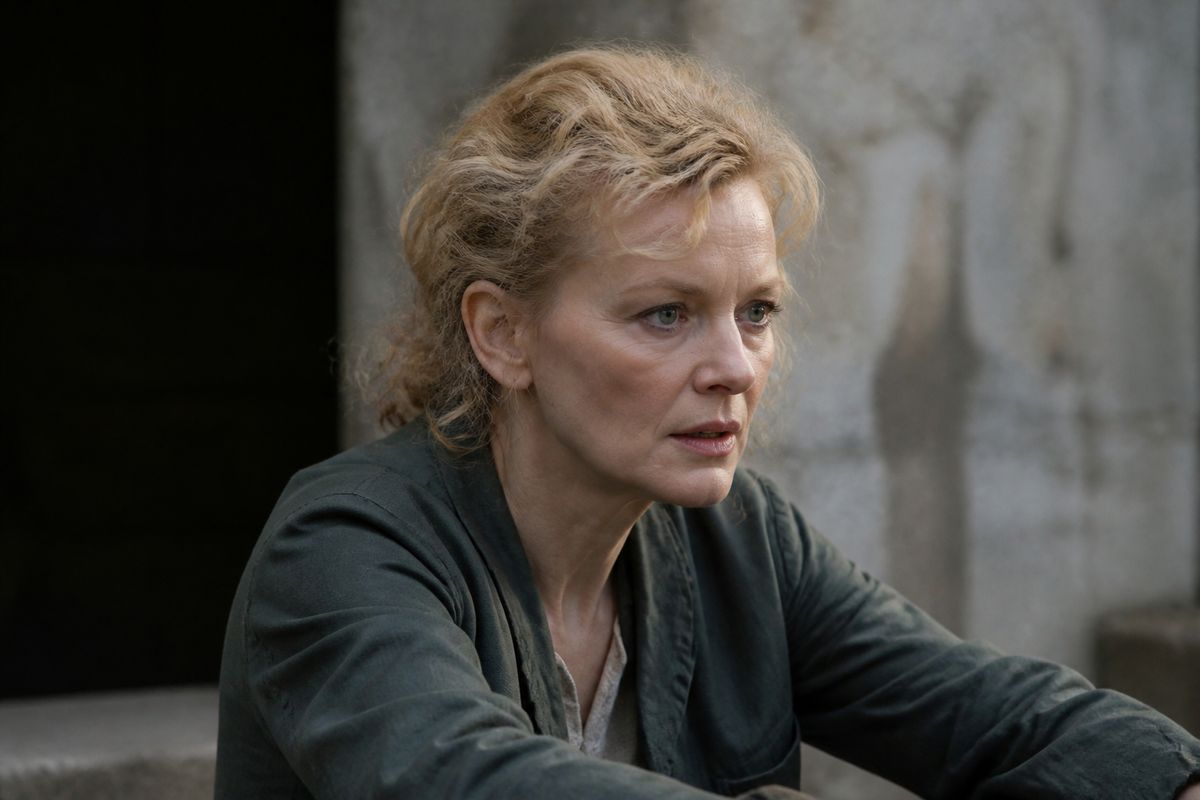
Peake adds another telling detail: she sees the role as a “good mental workout”. That phrase matters because it hints at something more complex than a standard procedural. It suggests a character with layers, secrets, and perhaps shifting loyalties. And it fits with another nugget that has caught attention: Peake reveals that her character remains northern English in the show because her proposed Australian accent is declined. In other words, the series leans into her identity rather than sanding it down for local colour.

What the 9 September 2026 launch signals for Last Seen
Apple TV premieres Last Seen on Wednesday 9 September 2026, positioning it as a darker counterpoint to the work many viewers associate with Patrick Brammall. Pre-release write-ups explicitly contrast his “hilarious turn” in the final series of Colin from Accounts with what is described as something “altogether darker” here. That kind of framing is not accidental. It is a way of telling audiences: yes, you know this face, but you do not know this version of him.
There is also a strategic clarity to the pitch. “Twisty” and “detective thriller” are not vague genre tags, they are search-friendly promises. But the more interesting part is the emotional tone being pushed by Peake. “Dark” and “upsetting” are not just adjectives, they are a statement of intent. It implies the series is comfortable with discomfort, and that it is not trying to be cosy crime or puzzle-box entertainment where the violence is tidy and the moral universe resets at the end of each episode.
Peake’s accent anecdote, meanwhile, is a small detail that reveals a lot about creative choices. Rather than forcing an English actor into an Australian cadence, the production builds a plausible character history that explains why a northern English woman is in Australia. That is a practical decision, sure. But it is also a tonal one. It keeps the performance grounded, and it avoids the distracting “is that accent right?” chatter that can derail audience immersion (especially in a thriller where tension depends on credibility).
And then there is the source material. The Dispatcher is the basis, and the series is created by Kris Mrksa. Even without a flood of publicly available plot specifics in the supplied material, that combination tells viewers this is adaptation territory, not an original “case of the week”. Adaptations often arrive with a built-in narrative spine and a clear ending, which is exactly what many viewers want from a miniseries: intensity, momentum, then closure.
Maxine Peake’s career context, and why her casting shapes expectations
Maxine Peake is not new to tough material. She has a reputation for taking on roles that ask a lot of an actor, emotionally and psychologically. Coverage around Last Seen explicitly points to earlier work, including her widely discussed portrayal of Myra Hindley in See No Evil: The Moors Murders. That reference is doing heavy lifting. It signals that Peake is credible in stories that deal with disturbing subject matter, and that she is willing to go to uncomfortable places on screen.
She is also known for range across film and television, with listings that include film appearances such as Red Riding: 1980. Again, the point is not to rattle off a CV for its own sake. It is to underline that Peake tends to pick projects with a certain bite. When she calls a series “upsetting”, it lands differently than if the same line came from an actor mainly associated with light entertainment. She has form. People believe her.
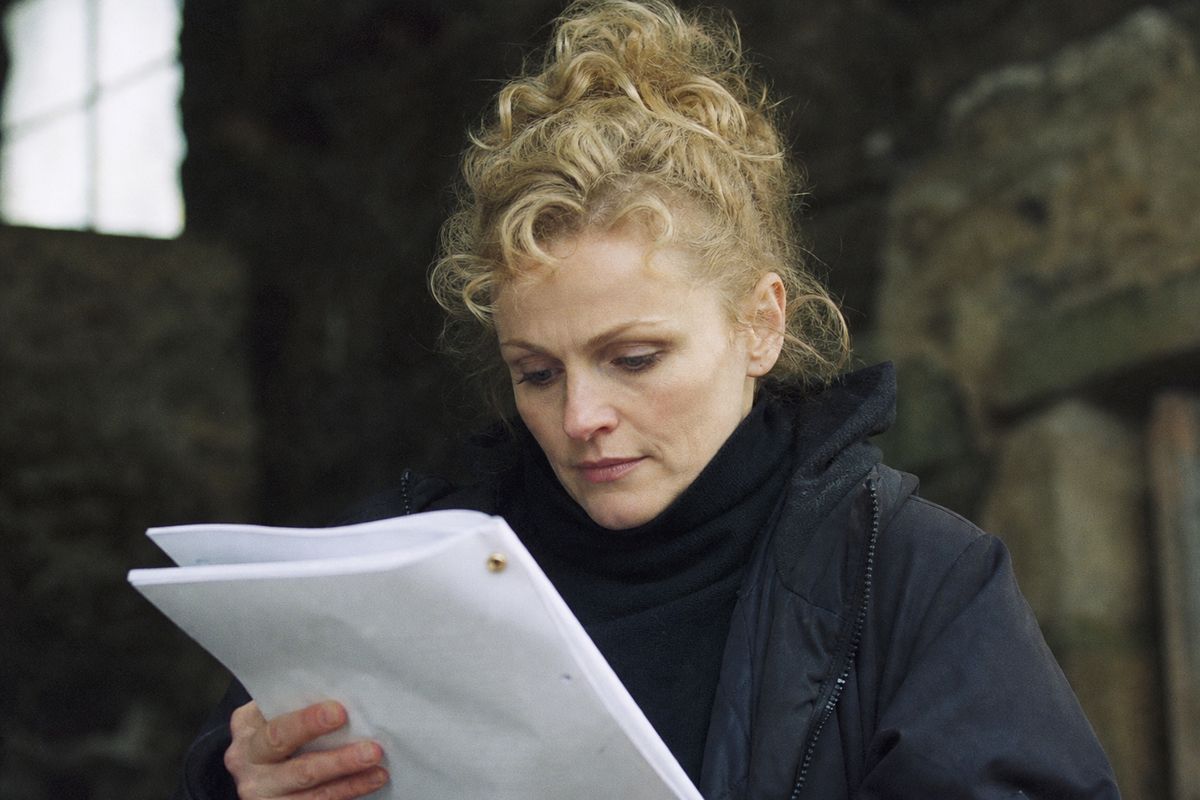
Then there is the performance craft angle. Peake describes the role as a “good mental workout”, which suggests a character built around ambiguity, withheld information, or a shifting internal logic. Thrillers often rely on plot mechanics, but the best ones rely on psychology. If the audience can feel the character thinking, recalculating, hiding something, the tension multiplies. Peake is the sort of actor who can make that visible without turning it into melodrama.
And the accent decision is more than trivia. A northern English character in an Australian thriller immediately introduces questions. Why is she there? What is she running from, or towards? Who does she know? In a detective story, “outsider” status can be a narrative engine. It can also be a moral one, forcing the character to navigate institutions and communities where she does not automatically belong.
Patrick Brammall, Brendan Cowell and Daniel Henshall, and the Australian thriller ecosystem
Patrick Brammall’s presence is a deliberate bit of casting friction. Viewers coming off Colin from Accounts are primed to expect comic timing and warmth. Last Seen asks them to reframe him. That kind of tonal pivot can be risky, but it can also be electric. Audiences like being surprised by actors they think they have “worked out”. And streamers love a rebrand narrative because it generates conversation without giving away plot.
Alongside Brammall and Peake, the series lists Brendan Cowell and Daniel Henshall in key roles. Even without detailed character breakdowns in the supplied material, the combination suggests a production that is serious about performance. Thrillers live or die on credibility. If the cast can sell the stakes, the show can afford to be twisty without feeling silly. If they cannot, every reveal starts to look like a writer’s trick.
It is also worth noting that Last Seen is described as an Australian miniseries, but it is being positioned for a global streaming audience via Apple TV. That matters because Australian crime and thriller storytelling has, for years, had a particular flavour: sunlit landscapes with bleak undercurrents, tight-knit communities, and a sense that distance and isolation are not just geography, they are psychology. A northern English character dropped into that setting is not a gimmick, it is a pressure test.
And the title itself, Last Seen, is doing classic thriller work. It evokes missing persons cases, surveillance, memory, and the gap between what is known and what is provable. It is simple, searchable, and ominous. Not exactly groundbreaking as a phrase, fair enough, but effective. The best thriller titles are often the plainest ones because they feel like something you might read in a police report.
Adaptation and tone: what The Dispatcher framework suggests
Last Seen is based on Ryan David Jahn’s book The Dispatcher, and created for television by Kris Mrksa. In the current streaming landscape, that combination is a signal to viewers who are tired of endless seasons and unresolved arcs. A miniseries adapted from a novel is usually built to move. It has a destination. It can afford to be intense because it does not have to keep the engine idling for five years.
Adaptations also tend to bring a different kind of discipline. When a story originates in a book, the characters often arrive with more interiority, more backstory, more motive. That can translate into television as a thriller that is less about “gotcha” twists and more about inevitability, the creeping sense that the truth has been there all along, just out of reach. Peake’s “mental workout” comment fits neatly into that idea.
And then there is the question of what “upsetting” means in 2026 television. Audiences have seen a lot. The bar for shock is high, and cheap brutality is easy to spot. So when an actor uses that word in promotion, it often points to emotional disturbance rather than gore: moral compromise, grief, institutional failure, the kind of harm that lingers after the credits. That is the stuff that actually keeps people talking, and it is also the stuff that can divide viewers. Some will call it powerful. Others will call it too much. Either way, it is a positioning choice.
There is also a subtle marketing advantage in being upfront about tone. Viewers are more likely to stick with a challenging series if they feel warned, or even invited, into the experience. Nobody likes feeling ambushed by bleakness. But plenty of people will opt in if they think the show is doing something purposeful with its darkness.
Why It Matters
Last Seen matters less as a single title and more as a case study in where prestige thriller TV is heading in 2026. Streamers are increasingly chasing two things at once: global reach and local specificity. This series looks designed to do both. It is Australian in setting and production identity, but it also imports a very recognisable British actor and keeps her character explicitly northern English. That is not just casting, it is a narrative bridge. It invites UK viewers in without flattening the Australian context into generic “international crime show” wallpaper.
It also highlights a shift in how actors talk about their work. Peake does not sell Last Seen as escapism. She sells it as difficult, and as intellectually demanding. That is a bet on an audience that wants to feel something sharp, and to be challenged rather than comforted. In a crowded market, that honesty can be a differentiator. People are tired of being told everything is “gripping” and “must-watch”. But “upsetting”? That is a more interesting promise, because it implies consequences.
And there is a broader industry point here about performance authenticity. The rejected Australian accent detail might sound small, but it is actually a sign of confidence. The production chooses to write around the actor rather than forcing the actor into a potentially shaky vocal performance. In thrillers, where viewers scrutinise every line for clues, anything that feels false can break the spell. Keeping Peake in her natural register is not laziness, it is craft. It prioritises believability, and believability is the currency of suspense.
Historical context: the long pull of “dark” TV and the modern miniseries boom
Television has always had a taste for darkness, but the way it packages that darkness changes. In earlier eras, bleak stories often arrived as one-off dramas or tightly contained serials. The modern streaming era brings the miniseries back into fashion, partly because it suits how people watch now. They want a complete story, quickly. They want to binge, then move on. Last Seen, as a miniseries, sits squarely in that tradition of concentrated storytelling.
There is also a cultural appetite for thrillers that feel emotionally “real”, even when the plot is heightened. That is where actors like Peake become crucial. Her past work in hard-edged drama creates an expectation that the series will not flinch. When audiences see her name attached to a thriller described as “upsetting”, they assume it is not just a marketing line. They assume it is earned.
And the cross-pollination between UK and Australian talent is hardly new, but it is becoming more visible as streamers commission and distribute internationally. A British actor playing a British character in an Australian story is a neat reflection of real life in 2026, where people move, relocate, and carry their histories with them. It also allows writers to explore themes of displacement and identity without having to spell them out in big speeches.
Finally, the Brammall angle speaks to a familiar historical pattern: comedians and comic actors pivoting into drama. It happens because timing, empathy, and observation are not just comedy skills, they are acting skills. When it works, it can be startling. When it does not, it can feel like stunt casting. The early framing of Last Seen leans hard into the contrast, which suggests the show wants that conversation, and is confident enough to invite it.
What comes next for Last Seen, and what viewers should watch for
With Last Seen now premiering on Apple TV as of 9 September 2026, the immediate question is not simply whether it is “good”. It is whether it delivers on the specific promise being made: a detective thriller that is twisty, yes, but also genuinely unsettling. That is a higher bar than standard binge fodder. It requires emotional logic, not just plot surprises. Viewers will be watching to see whether the darkness has purpose, or whether it is there to manufacture intensity.
Peake’s comments also set a clear expectation for character depth. If the role is a “mental workout”, the writing has to support that. The audience will look for contradictions, secrets, and the slow reveal of motive. And because the production keeps her character northern English, viewers will likely pay extra attention to how the show explains her presence in Australia, and what that outsider perspective allows the story to do.
For Apple TV, the series is another chance to prove it can compete in the crowded thriller space by leaning into quality and tone rather than sheer volume. For Australian television, it is another globally distributed title that can showcase local storytelling without diluting it. And for the cast, it is an opportunity to stretch, especially Brammall, who is being actively repositioned in the public mind from comedy to something much darker.
In the end, Last Seen is being sold with a kind of bracing candour. Dark. Upsetting. A mental workout. Those are not casual words. If the series earns them, it will stick. If it does not, the marketing will feel like overreach. Either way, it is the sort of launch that gets people to press play, and sometimes that is half the battle.