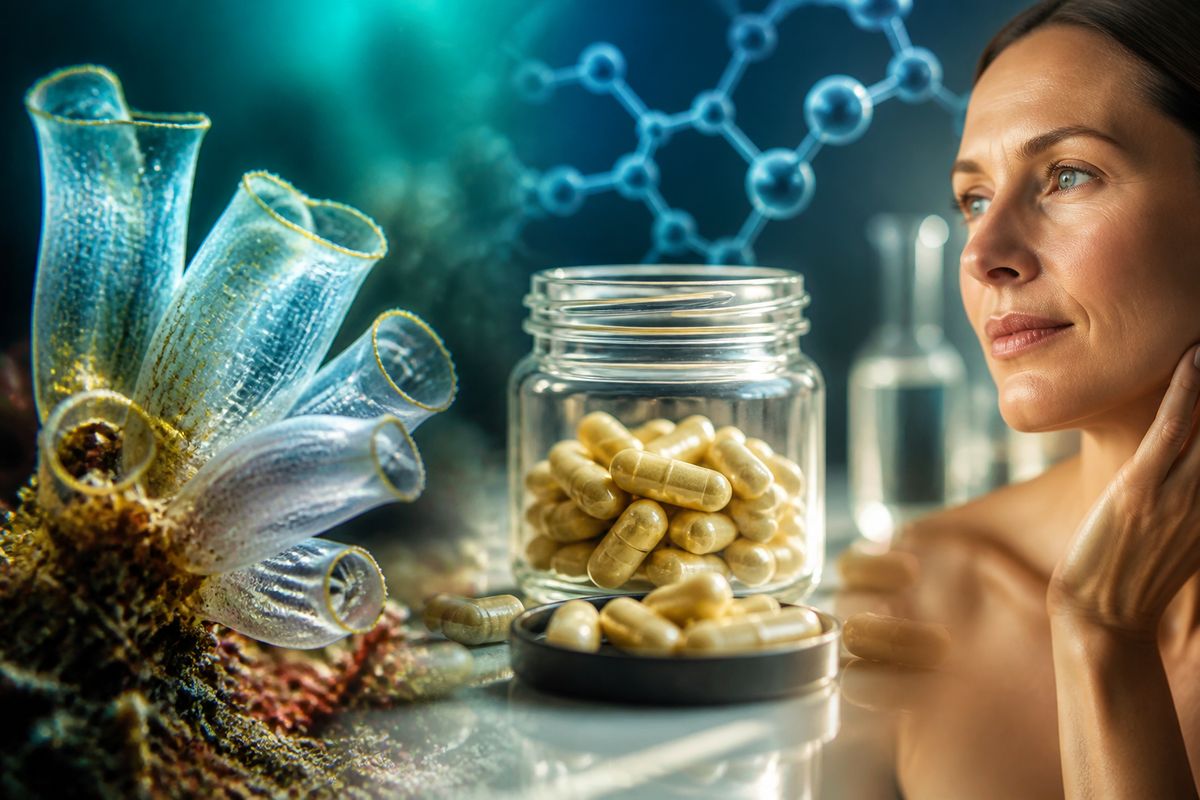
Stanford’s sea squirt finding puts plasmalogen supplements back in the anti-ageing spotlight
Plasmalogen supplements are suddenly having a moment, and it is not because of a celebrity wellness trend. It is because Stanford scientists report that a substance found in edible sea squirts appears to reverse several signs of ageing in older mice, improving memory and learning, strengthening connections between brain cells, reducing inflammation, and even helping the animals grow. The headline is punchy, and fair enough, it is a big deal if it holds up. But it also lands in a field littered with overpromises, underpowered studies, and products that sprint far ahead of the evidence.
The development, dated 4 September 2026 in the Nutrition News roundup, centres on plasmalogens, a class of lipids found in cell membranes and often discussed in the context of brain health and ageing. The key point in the source material is clear and specific: in older mice, plasmalogen supplements improved multiple measures associated with ageing. What is not in the source material is just as important: there are no human trial results reported here, no dosing details, no named research team members, and no journal citation. That does not make the work unimportant. It does mean the public conversation needs to stay grounded.

And the timing matters. Nutrition science in 2026 is increasingly shaped by two forces pulling in opposite directions: the demand for simple, actionable longevity advice, and the reality that ageing is a complex biological process that rarely yields to a single nutrient. Stanford’s broader nutrition coverage this year, from fibre to protein to supplement myths, reflects that tension. The sea squirt story drops right into the middle of it.

What exactly is the news, and what did the mice study reportedly show?
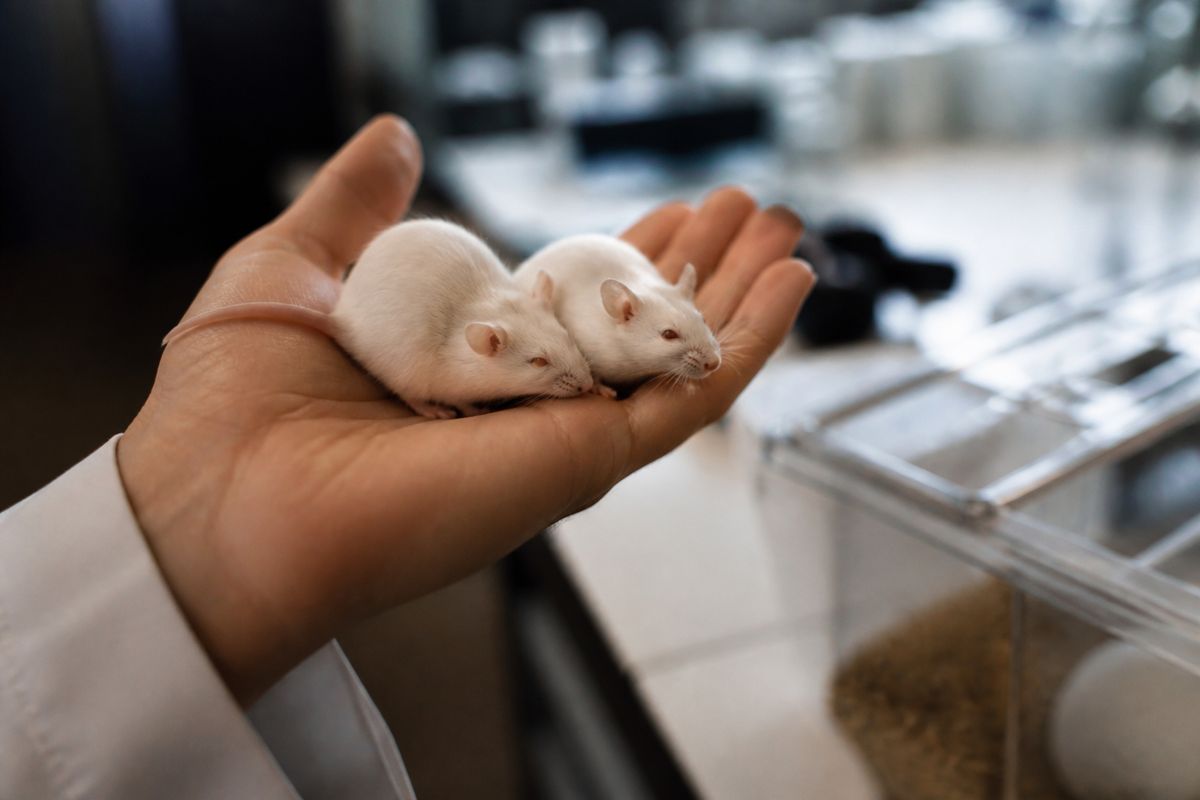
The news event is the claim that a substance found in edible sea squirts, delivered as plasmalogen supplements, appears to reverse several signs of ageing in older mice. According to the source material, the supplemented mice show improved memory and learning, stronger connections between brain cells, reduced inflammation, and growth support. Those are four distinct outcome areas, spanning cognition, synaptic biology, immune signalling, and physical condition. That breadth is what makes the headline so arresting, because it hints at a systemic effect rather than a narrow, single pathway tweak.
But the story is also defined by what is not yet public in the provided text. There is no mention of sample size, the age of the mice, the length of supplementation, or the specific behavioural tests used to assess memory and learning. There is no detail on which inflammatory markers change, or how “strengthened connections between brain cells” is measured. In neuroscience and immunology, those details are not trivia. They determine whether a result is robust, whether it is likely to translate, and whether it is even measuring what readers think it is measuring.
Still, the direction of travel is clear. The work positions plasmalogens as a candidate intervention for age related decline, especially in the brain. That is consistent with a wider research push in 2026 towards interventions that mimic the benefits of calorie restriction without requiring people to actually eat less. In the same Nutrition News list, researchers report that moderate calorie restriction lowers an immune protein called C3, and that blocking the same protein reduces age related inflammation in mice. Different mechanism, same ambition: reduce chronic inflammation and preserve function as the body ages.
It is also notable that the sea squirt angle is not just a quirky food story. It is a supply story. If a bioactive compound is found in a marine organism that can be farmed or harvested, it opens a pathway to scalable production, whether as a supplement ingredient or as a functional food component. That is where nutrition, biotech, and sustainability start to overlap, and where the commercial interest tends to follow quickly.
Sea squirts, plasmalogens, and why the brain is such a tempting target
Sea squirts, also known as tunicates, are marine invertebrates that filter feed and, in some cuisines, are eaten as seafood. The source material describes them as “edible sea squirts”, which matters because it frames the compound as food derived rather than purely synthetic. In the public imagination, food derived often reads as safer or more natural, even when the end product is a concentrated extract in capsule form. That perception can drive demand fast, sometimes faster than regulators and clinicians would like.
Plasmalogens themselves are a type of phospholipid, part of the structural fabric of cell membranes. They are especially abundant in the brain and heart, and they have been studied for roles in membrane fluidity, oxidative stress responses, and cell signalling. The Stanford headline focuses on brain outcomes, which is not surprising. Cognitive decline is one of the most feared aspects of ageing, and it is also one of the hardest to treat once established. If a lipid supplement can plausibly support synaptic function, it becomes instantly interesting to researchers, investors, and the general public.
But the brain is also where translation from mice to humans is most treacherous. Rodent models are useful, sometimes indispensable, but they are not miniature humans. Behavioural tests can be sensitive to stress, handling, and environmental factors. Measures of “learning” can reflect motivation as much as memory. And inflammation is a moving target, with different immune dynamics across species and across lifespan stages. None of that negates the reported findings. It simply sets the bar for what comes next.
Stanford Medicine’s own recent editorial approach to nutrition topics, as reflected in its 2026 insights on protein, fibre, and supplement myths, tends to emphasise nuance over hype. That context matters because it suggests the institution is aware of how quickly nutrition claims can be misread as medical advice. The sea squirt plasmalogen story will likely test that balance, because the phrase “reverse signs of ageing” is catnip for headlines and marketing copy.
How this fits into 2026’s bigger nutrition science themes, inflammation, measurement, and long-term risk
Zoom out, and the sea squirt plasmalogen story looks less like a one off and more like part of a broader shift. Nutrition research in 2026 is increasingly organised around systems, not single nutrients in isolation. Inflammation is a recurring thread. The calorie restriction related C3 finding explicitly links immune signalling to ageing. The “obesity memory” headline reports that obesity leaves a molecular imprint on key immune cells that may persist for 5 to 10 years after weight loss, potentially explaining why some risks remain elevated. Different populations, different interventions, same underlying idea: the immune system remembers, and that memory shapes long-term health.

In that context, a compound that reportedly reduces inflammation while improving cognition is not just another supplement story. It is a hypothesis about ageing as an inflammatory, immune mediated process, sometimes described as chronic low grade inflammation. That aligns with the research agenda visible elsewhere in the field, including calls for submissions on nutritional strategies to reduce chronic low grade inflammation. The point is not that everyone agrees on the best targets. The point is that inflammation is now central to how nutrition researchers frame ageing.
Measurement is the other big theme, and it is quietly reshaping what counts as credible evidence. In the same late August and early September 2026 cluster, researchers highlight that waist size may reveal health risks BMI misses, and that a simple waist measurement may be nearly as effective as more complicated methods for detecting unhealthy levels of body fat. That is a reminder that the field is trying to get better at basic classification and risk detection, not just flashy interventions. If the inputs are wrong, the conclusions wobble.
And then there is the uncomfortable side of nutrition news, where popular habits and products show potential downsides. Too much coffee, defined here as more than five cups a day, is linked to weaker bones in a 10 year follow up of nearly 10,000 older women, while tea is associated with slightly higher hip bone density. Long-term melatonin use in people with chronic insomnia is linked to roughly 90 percent higher heart failure risk over five years in a large preliminary study, with an explicit caveat that the findings do not prove causation. Put alongside the sea squirt headline, it is a useful corrective: bioactive compounds can help, but they can also harm, and associations can be misread as guarantees.
Industry implications, from supplement marketing to sustainable marine sourcing
If plasmalogen supplements move from intriguing mouse data to credible human evidence, the supplement industry will not wait politely. It will move. The phrase “reverse signs of ageing” is the kind of claim that, even when carefully caveated in scientific contexts, can be repackaged into aggressive marketing. That raises immediate questions about quality control, dose standardisation, and truthful labelling. Consumers rarely get clear answers to basic questions such as: which plasmalogen species is included, what purity is achieved, and how stability is maintained during storage.
There is also a supply chain question hiding in plain sight. Sea squirts are not currently a mainstream global commodity in the way that fish oil sources are. If demand spikes, sourcing could become messy, fast. Sustainable harvesting, aquaculture feasibility, and ecosystem impacts would need to be assessed. And if the compound can be synthesised or produced via fermentation, that changes the economics and the environmental footprint. The source material does not specify the production route, so any certainty here would be invented. But the strategic choices are predictable: marine extraction versus biotech production, each with trade-offs.
Regulatory scrutiny is likely to follow, especially if companies imply disease treatment or prevention. In many jurisdictions, supplements cannot legally claim to treat conditions such as dementia, Alzheimer’s disease, or inflammatory disorders without drug level evidence. Yet the line between “supports memory” and “improves memory” is often blurred in advertising. Stanford’s name in the headline adds credibility in the public mind, which can be unfair to the researchers if third parties overstate what the study shows.
Finally, the story intersects with a broader rethinking of what “nutrition innovation” looks like. The same Nutrition News list includes a sustainable Spirulina solution to vitamin B12 deficiency, achieved by controlling the light used to grow the algae to produce biologically active B12 at levels comparable to beef. That is not just a lab curiosity. It is a model for how food tech can solve nutrient gaps without relying on traditional animal sources. Sea squirt derived plasmalogens could end up in a similar category, a niche today, a platform tomorrow, if the science and supply align.

What This Means For You
For readers tempted to rush out and buy plasmalogen supplements on the back of this sea squirt headline, the most practical takeaway is restraint. The reported benefits are in older mice, not in people. That does not make them irrelevant, it makes them preliminary. Anyone considering a new supplement, especially older adults who are more likely to be on multiple medications, should treat it like a real intervention with potential interactions and unknowns, not like a harmless food sprinkle. A clinician or pharmacist is the sensible first stop, particularly for people with cardiovascular conditions, neurological diagnoses, or inflammatory disorders.
It is also a moment to think more broadly about what actually moves the needle on healthy ageing. The 2026 nutrition landscape is full of reminders that long-term patterns matter: waist size can reveal risks BMI misses; obesity can leave an immune “memory” for 5 to 10 years; and high intake habits, like more than five cups of coffee a day, may carry specific downsides such as weaker bones. In other words, even if plasmalogens eventually prove helpful, they are unlikely to cancel out the basics. Sleep, movement, fibre rich diets, and managing metabolic health remain the unglamorous foundations.
And there is a consumer literacy point here. When a headline says “reverse signs of ageing”, readers should immediately ask: which signs, measured how, over what timeframe, and compared with what control? If those answers are not available, the correct response is curiosity, not commitment. People can follow the research, watch for human trials, and pay attention to whether outcomes are clinically meaningful, not just statistically interesting. That is not cynicism. It is self defence in a market that loves a miracle.
Closing thoughts, a promising signal, but not a finished story
Stanford’s sea squirt plasmalogen finding, as described in the 4 September 2026 nutrition headlines, is the kind of result that can open a new lane in ageing research. Multiple reported benefits in older mice, spanning cognition, synaptic connections, inflammation, and growth, suggest something biologically active is going on. That is worth taking seriously, and it will likely prompt follow-on studies, replication attempts, and, eventually, human trials if the early signals hold.
But the gap between “appeared to reverse” in mice and “works” in humans is where most anti-ageing narratives fall apart. The responsible stance is to treat this as an early chapter. The next chapters need to answer hard questions about mechanism, dose, safety, and real-world outcomes. Until then, plasmalogen supplements remain an intriguing candidate, not a proven longevity tool. And that is fine. Science is allowed to be unfinished, even when the headlines are impatient.
In the meantime, the broader lesson of this week’s nutrition news is that the body keeps score. Immune cells remember obesity for years. Coffee habits show up in bone density. Sweeteners can alter the gut microbiome in mice with effects that may last beyond a single generation. Against that backdrop, a marine derived lipid that might nudge ageing biology in a better direction is exciting. It is also a reminder that nutrition is powerful, sometimes in ways people do not expect.