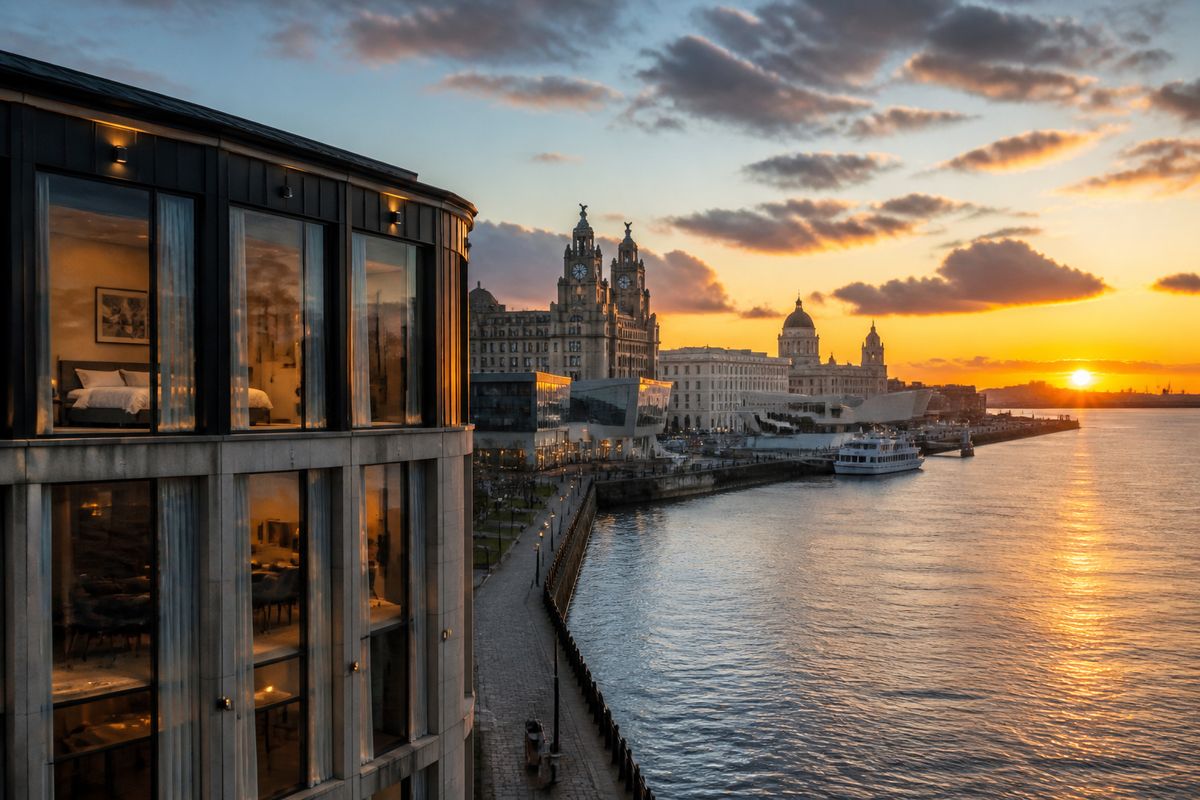
Wetherspoon invests £5m into new Merseyside hotel, and it is more than a property play
Wetherspoon invests £5m into a new Merseyside hotel, converting a former Liverpool city region pub into a 29-bedroom site, according to local business reporting dated 4 September 2026. On the face of it, that is a straightforward hospitality investment. In practice, it is a signal that one of the UK’s most recognisable pub operators thinks there is still money to be made in regional overnight stays, even as costs stay stubbornly high and consumer habits keep changing.
The headline detail is simple and specific: a £5m investment, a conversion project, and a 29-bedroom hotel in Merseyside. But the timing matters. Liverpool and the wider city region are in the middle of a busy period for development, with a steady drumbeat of new housing plans, office disposals, and hotel proposals appearing across local business pages. Wetherspoon’s move lands right in that mix, and it raises a bigger question: is this the start of a more aggressive push into rooms, or a targeted bet on a location that can keep filling beds?
And there is a second layer. The same local business coverage that carries the Wetherspoon story also points to a broader sense of economic motion, from manufacturing contracts to rising profits at long established family firms. That matters because hotels do not just feed off weekend leisure demand. They rely on contractors, visiting professionals, and the steady churn of business travel that tends to show up when a region is investing in itself.

What is happening, the 29-bedroom conversion and the £5m spend
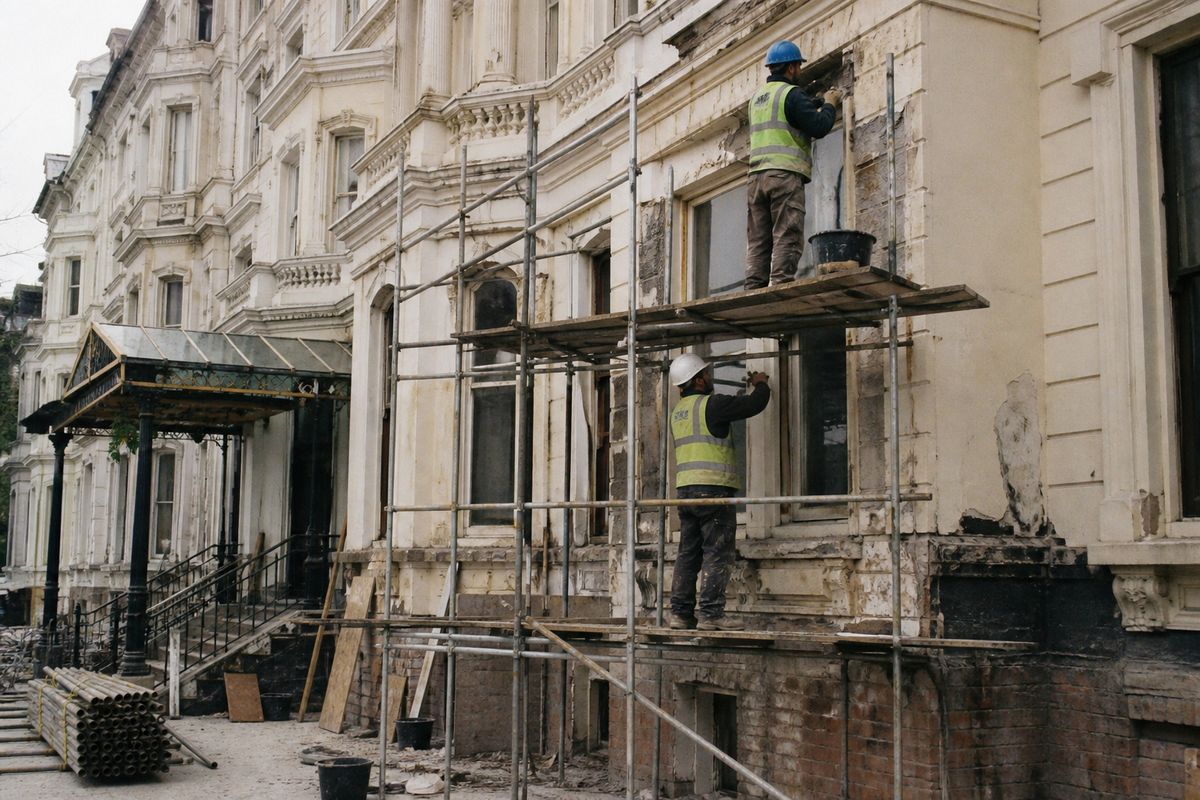
The development described is a conversion of a former Liverpool city region pub into a hotel with 29 bedrooms, backed by a £5m investment from JD Wetherspoon. The report is dated 4 September 2026, placing it at the start of autumn, a period when corporate travel and events typically pick up after summer. The project sits in the “Property” category, which is telling in itself. This is not being framed as a new bar concept or a menu refresh. It is a bricks and mortar decision, with a long payback horizon.
Conversions of existing buildings can be quicker than ground up builds, but they are rarely simple. They involve compliance, accessibility, fire safety upgrades, acoustic work, and a lot of behind the scenes engineering that guests never notice unless it goes wrong. A £5m budget for 29 rooms suggests a serious level of work, not a quick spruce up. It also implies Wetherspoon is aiming for a product that can compete on comfort and reliability, not just price.
There is also a strategic logic to the “pub to hotel” model. It allows Wetherspoon to pair rooms with an on site food and drink offer, which can lift spend per guest and smooth out quieter trading periods. A hotel guest who eats breakfast downstairs and grabs a drink later is, frankly, a better customer than a passer by who buys one pint and leaves. It is not exactly groundbreaking, but it is commercially neat.
What is not in the source material is the exact location, opening date, or the name of the pub being converted. That limits any claim about footfall patterns or proximity to transport hubs. Still, the scale of the investment and the decision to add bedrooms is enough to treat this as a meaningful move in the Merseyside hospitality market, rather than a minor refurbishment.
JD Wetherspoon’s Merseyside hotel investment in context
JD Wetherspoon is best known as a pub operator, built on high volume trading and sharp pricing. But the company has also spent years experimenting with rooms in selected locations, using its property footprint to add a second revenue stream. Merseyside is a logical place to do it. Liverpool is a major visitor destination, and the city region has a constant flow of people coming in for work, education links, and sport.
Sport is the obvious driver people talk about, and for good reason. Liverpool FC remains one of the world’s most watched clubs, and the city’s match weekends create spikes in demand for accommodation. The current football cycle adds extra intrigue. Liverpool are the reigning English champions, having won the top flight title in 2025 under manager Arne Slot, according to a widely used football news summary. That kind of success does not just sell shirts. It fills hotels, especially when European fixtures and domestic cup runs stack up.

And the football narrative in early September 2026 is busy. Liverpool are naming squads for the Premier League and the Champions League, with reports noting that Wataru Endo and Federico Chiesa are left out of the Champions League squad, while Hugo Ekitike and Conor Bradley are included. There is also attention on Bradley Barcola travelling with the squad and the prospect of his debut. None of that directly changes Wetherspoon’s construction schedule, of course. But it does underline a simple reality: Liverpool remains a city with global pull, and that pull translates into room nights.
It is also worth noting that the local business backdrop looks relatively upbeat in pockets. A 131 year old Merseyside family furniture retailer, Stokers, reports annual pre tax profits rising almost 20 percent to £5m, based on coverage dated 3 September 2026. Elsewhere, a steel firm is reported to be expanding capacity as revenues soar 49 percent. Those are not hospitality stories, but they point to a regional economy that is still generating investment and travel, the kind that keeps midweek occupancy from collapsing.
Liverpool’s hotel market, development pipeline, and the fight for occupancy
Liverpool’s accommodation market has been evolving for years, with new openings, refurbishments, and periodic bursts of development. The local business feed around this Wetherspoon announcement also references “new hotel plans to increase number of rooms” in the area. That is a key detail, even without the full planning specifics. It suggests Wetherspoon is not investing into a quiet market with little competition. It is investing into a market where other players also see opportunity.
Competition cuts two ways. On one hand, more rooms can mean price pressure, especially in shoulder seasons when leisure demand softens. On the other, a growing hotel stock can be a sign of confidence that the city can sustain higher visitor volumes, whether through events, business travel, or simply a stronger year round tourism offer. Liverpool has long had weekend peaks, and the challenge has often been smoothing demand across the week. Operators that can capture both leisure and corporate segments tend to do better.
Wetherspoon’s model may be well suited to that reality. A 29-bedroom hotel is not a mega development that needs constant high occupancy to survive. It is a manageable size, and it can lean on the on site pub for food and drink revenue. That matters in a cost environment where staffing, energy, and maintenance can quickly eat margins. Smaller hotels can also be more flexible in pricing, adjusting rates quickly around matchdays, concerts, and conferences.
But there is a risk, too. Conversions can uncover expensive surprises, and the hospitality sector is not immune to construction cost volatility. A £5m budget is substantial, yet it can be tested by delays, compliance upgrades, and the simple reality that older buildings often have quirks. If Wetherspoon gets the delivery right, it ends up with a differentiated asset. If it gets it wrong, it ends up with a costly distraction.
The football factor, why Liverpool FC’s 2026 season still moves the city’s bed stock
It is tempting to treat football as background noise to property investment. In Liverpool, it is not. Match weekends, European nights, and the broader media ecosystem around the club create predictable surges in demand for accommodation. That is true for Liverpool FC and, in different ways, for Everton as well. And when Liverpool are successful, the city’s global visibility rises. That tends to pull in more visitors, more media, and more travelling fans.
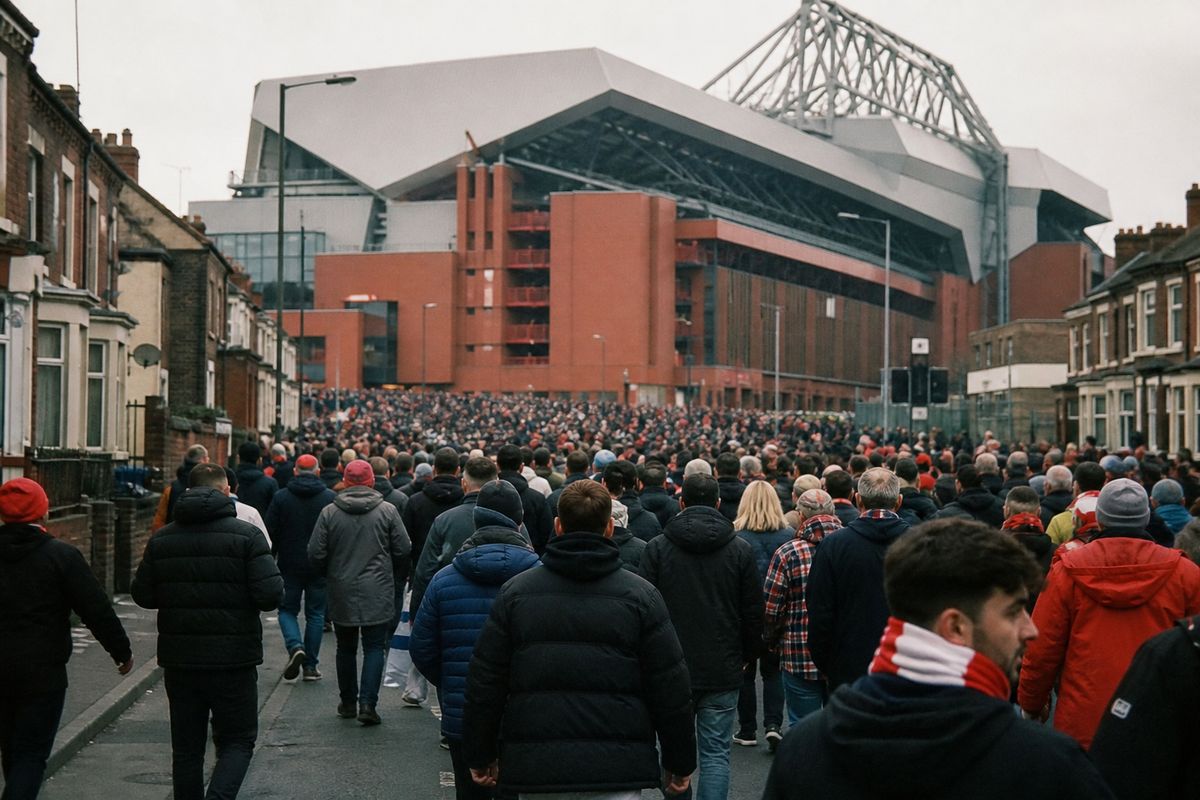
In early September 2026, the football news cycle is dominated by squad submissions and selection calls. Reports highlight Liverpool’s Champions League squad decisions, with Endo and Chiesa excluded, and Ekitike and Bradley included. There is also attention on Barcola’s potential debut and team news ahead of Ipswich vs Liverpool. For hotels, these details matter less than the calendar itself, but they show the intensity of interest. Where there is attention, there is travel.
There is also a youth and development angle in the coverage, including Conor Coady returning to Liverpool U21s after tearing up a contract, and match reports involving Liverpool U21s. Again, not every reader will care. But it shows the club’s ecosystem is active across levels, and that ecosystem brings in scouts, staff, families, and visiting teams. It is a steady trickle that adds up over a season.
For a hotel operator, the key is not just selling out on the biggest nights. It is building a base level of occupancy that keeps the business healthy. Liverpool’s football calendar helps provide those spikes, and a well located, sensibly priced 29-bedroom hotel can capture them without needing to compete head on with luxury brands.
Why It Matters
Wetherspoon’s £5m Merseyside hotel investment matters because it hints at a subtle shift in how mainstream hospitality operators are thinking about resilience. Pubs alone are exposed to weather, consumer confidence, and the simple fact that people can drink at home. Rooms, by contrast, are a different kind of product. They are booked in advance, they can be priced dynamically, and they often come with lower variable costs per sale once the fixed costs are covered. In other words, adding bedrooms is a way to smooth revenue, not just chase growth.
It also matters because it is a conversion, not a shiny new build. That is a pragmatic choice, and it fits the mood of 2026. Investors and operators are looking for projects that can be delivered without years of planning risk, and that can reuse existing assets in town centres and high streets. If a former pub can become a small hotel with a built in food and drink offer, that is a compelling template for other secondary sites that no longer work as pubs alone.
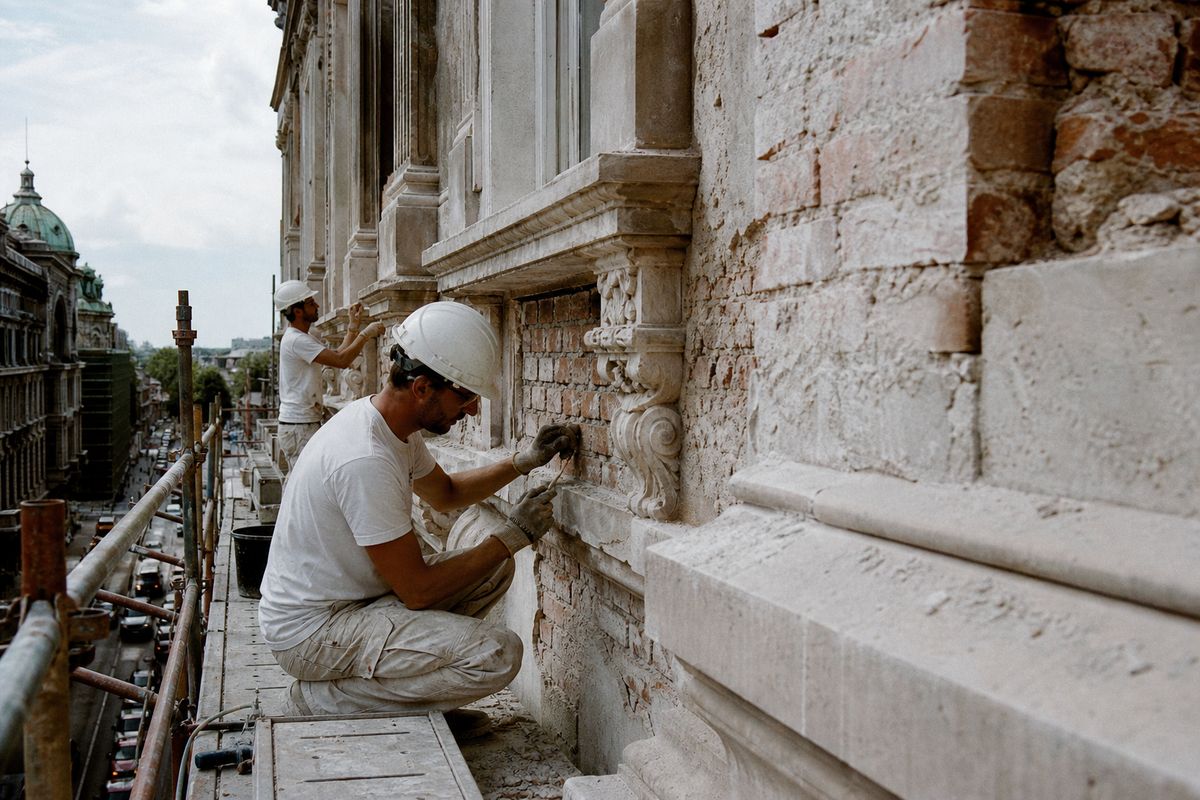
And there is a wider city region point here. Local business reporting in the same week highlights rising profits at a 131 year old furniture retailer and strong revenue growth in industrial firms. That kind of mixed economy is exactly what supports a sustainable hotel market. Leisure demand is great, but it is fickle. Business demand is less glamorous, but it is dependable. A Wetherspoon hotel in Merseyside is, in its own way, a bet that the city region’s day to day economy will keep generating reasons for people to stay overnight.
What comes next for Merseyside hospitality, and what to watch
The immediate next steps will be practical ones: planning, construction, fit out, recruitment, and then the real test, opening into a competitive market. The source material does not provide an opening date, so any timeline would be guesswork. Still, the scale of the investment suggests Wetherspoon intends this to be a visible, operationally important site, not an experiment tucked away in a quiet corner.
For the wider market, the key question is whether this is a one off or part of a broader push. If Wetherspoon sees strong performance from rooms in Merseyside, it may look at similar conversions elsewhere in the North West. That could put pressure on budget and mid market hotels that rely on price sensitive guests. But it could also expand the overall visitor offer, especially if it brings more consistent, good value accommodation into areas that currently lack it.
There is also a local economic development angle. Liverpool Airport is reported to be set for a record breaking 2026, and the city region continues to talk about housing growth and planning powers. More movement through the airport, more construction activity, and more corporate travel all feed the same basic need: places to stay. Wetherspoon is positioning itself to capture that demand with a product it can operate at scale.
In the end, a 29-bedroom hotel will not transform Merseyside on its own. But it is a telling move from a major operator, made with real money, at a moment when the region’s economy is showing pockets of confidence. And in hospitality, confidence is half the battle.