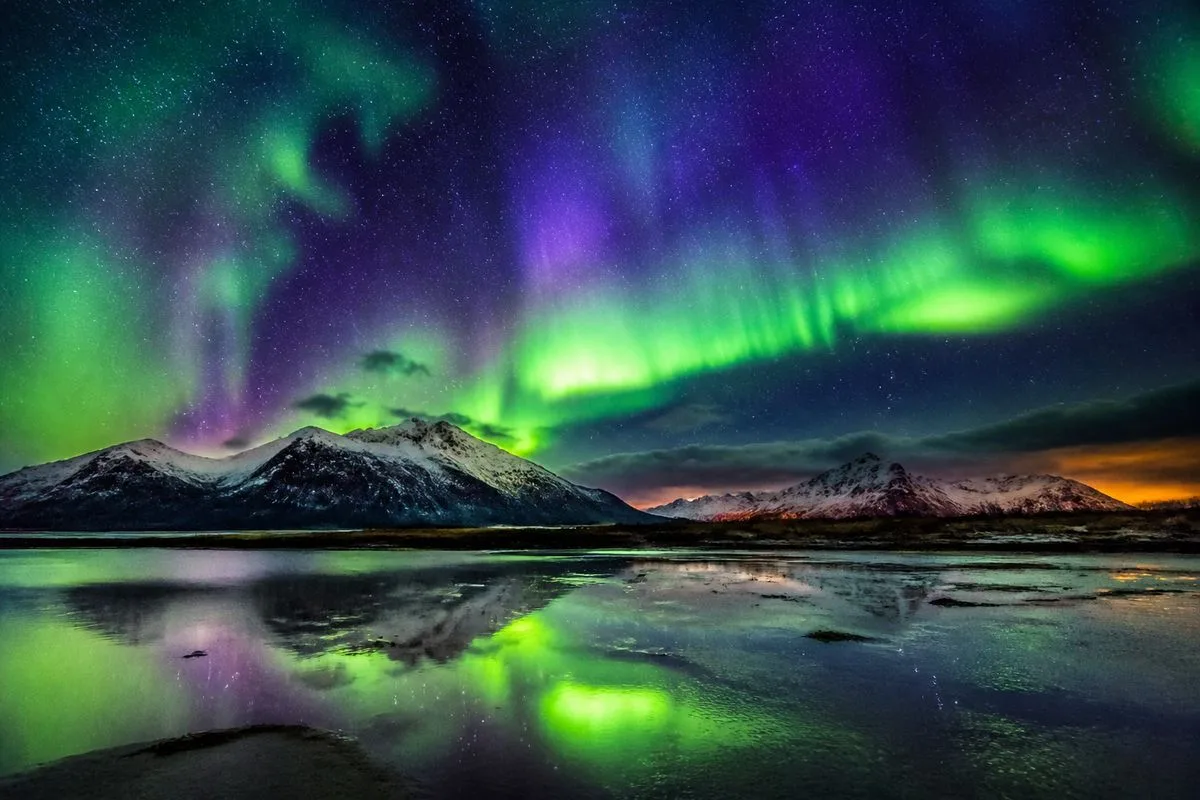
Aurora in October 2026, a familiar sky show with a very modern audience
The aurora is having one of those moments where it feels both ancient and brand new. Ancient, because people have watched shimmering curtains of light for as long as there have been people under polar skies. Brand new, because in 2026 the experience is increasingly mediated by dashboards, forecasts, phone alerts, and social feeds that turn a rare natural phenomenon into something people plan around like a gig or a football match.
That tension sits right at the heart of the current conversation. On one side are the basics that never change: charged particles from the Sun, Earth’s magnetic field, and atmospheric gases lighting up. On the other is the way aurora watching now works in practice: a quick check of NOAA’s experimental Aurora Dashboard, a glance at geomagnetic activity, and a decision about whether it is worth staying up, driving north, or just going to bed like a sensible person.
And there is a second layer of confusion that pops up again and again in search: “Aurora” is also the stage name of a Norwegian singer known for blending electropop, folk, and art pop, and often described as a pioneer of the Norwegian art pop scene, even dubbed the “Fairy of Pop”. So when people search for aurora in 2026, they are often asking one of two things: what is happening in the sky, or what is happening in music. This article deals with the sky first, but it also explains the naming overlap, because fair enough, it trips people up.

Aurora forecasts right now, what NOAA’s dashboard is actually saying
The most concrete, time specific signal in the source material comes from NOAA’s Space Weather Prediction Center and its experimental Aurora Dashboard. It reports the greatest observed three hour Kp over the past 24 hours as 3, which is below NOAA Scale levels. It also lists the greatest expected three hour Kp as 3. That is not a headline grabbing geomagnetic storm. It is, in plain terms, a relatively quiet period.
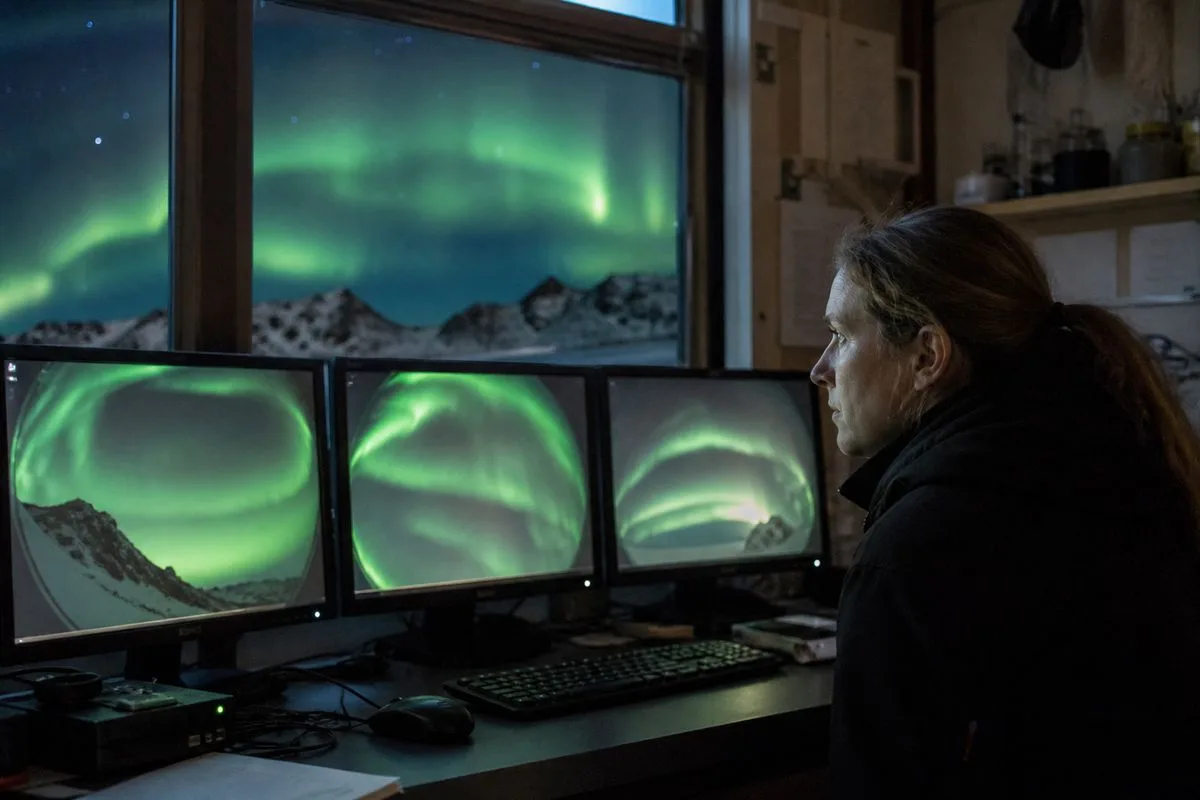
But quiet does not mean irrelevant. Kp is a planetary index that summarises geomagnetic activity, and it is one of the first numbers aurora watchers learn to check. A Kp of 3 typically suggests modest activity, the sort of thing that can still produce auroral displays at higher latitudes, but is less likely to push the lights far south into places where they become a once in a decade story. People hoping for dramatic, widely visible aurora across the UK, for example, usually watch for higher Kp values. The dashboard snippet provided does not include any dramatic spikes, and it does not claim an ongoing storm.
There is an important nuance here. Forecasts are not promises, and the dashboard itself is labelled experimental. Aurora visibility depends on more than a single index: local weather, cloud cover, light pollution, latitude, and the timing of any solar wind changes all matter. So the practical takeaway from the current NOAA readout is not “nothing to see”, it is “conditions look subdued, and any viewing is more likely to be confined to higher latitude regions and darker skies”.
What an aurora is, and why it happens in the Arctic and Antarctic
An aurora is the visible result of interactions between Earth’s magnetic field and particles ejected by the Sun, often referred to as the solar wind. Community explanations in astronomy forums and explainers tend to converge on the same core idea: when the Sun is more active, especially when it produces mass ejections, auroras become more intense. The basic mechanism is not mysterious, but it is easy to oversimplify.
Earth is wrapped in a magnetic field that guides charged particles towards the poles. When those particles collide with gases in the upper atmosphere, energy is released as light. That is why the phenomenon clusters around the Arctic and Antarctic. The terminology reflects that geography: in the Arctic it is called the northern lights or aurora borealis, and in the Antarctic it is called the southern lights or aurora australis. The names sound poetic, but they are also practical, they tell you where to look.
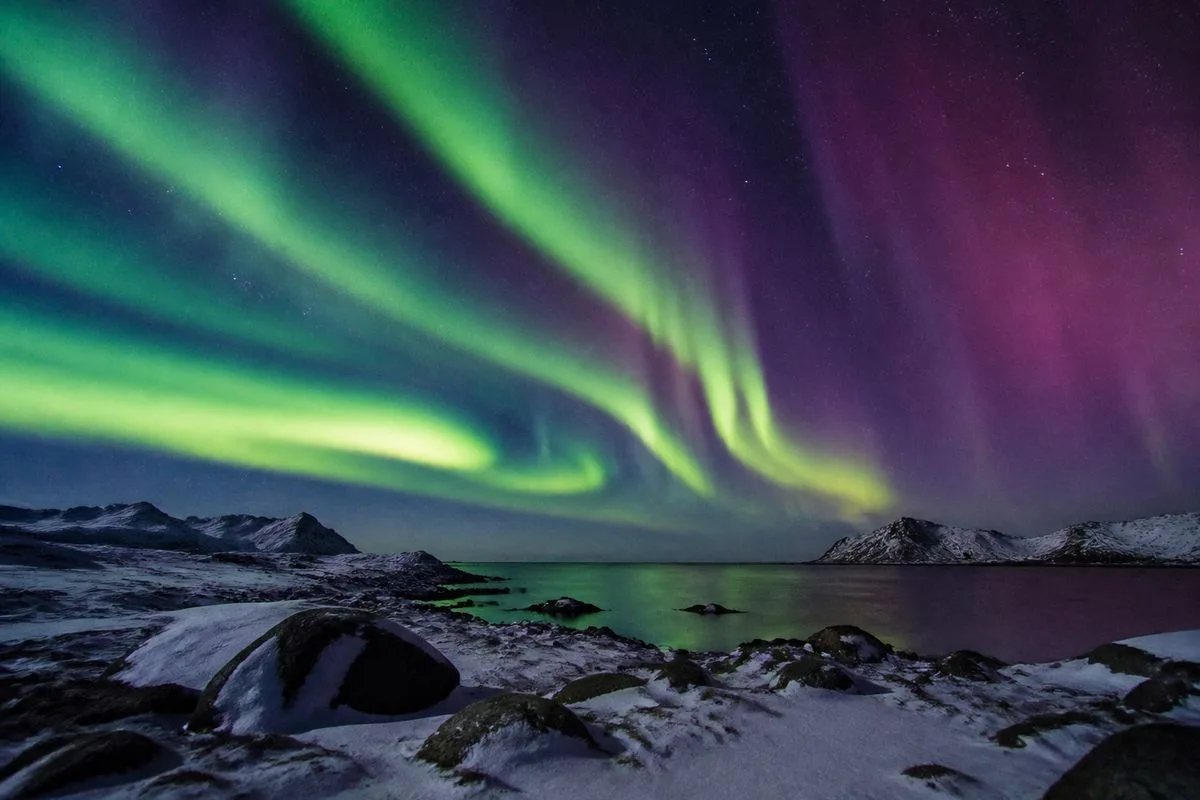
Colour is where people’s curiosity really kicks in. The source material here does not provide a colour breakdown, so it is worth being careful and not pretending there is a neat palette guide in the supplied text. What can be said, without overreaching, is that auroras display different colours depending on which atmospheric gases are excited and at what altitudes those interactions occur. That is why one night can look like pale green haze and another can look like structured bands and curtains. The physics is consistent, but the visual outcome is wildly variable.
How to read aurora activity like a grown up, Kp, time windows, and expectations
Aurora chasing has a habit of turning people into amateur space weather analysts overnight. Someone sees a dramatic photo online, downloads an app, and suddenly they are talking about Kp, solar wind speed, and “arrivals” like they are running air traffic control. It is not exactly groundbreaking, but it is a real shift in how a natural phenomenon is consumed. The aurora is no longer just something you stumble across, it is something you monitor.
The Kp index is a useful shorthand because it compresses global geomagnetic activity into a number. NOAA’s dashboard highlights the “greatest observed three hour Kp” and the “greatest expected three hour Kp”, which is a reminder that the index is time boxed. It is not a single nightly score. It moves in three hour blocks. That matters because aurora can flare and fade quickly, and a “quiet day” can still contain a short window where conditions briefly improve.
There is also a behavioural point that gets lost in the numbers. A Kp of 3, like the dashboard reports right now, is not a reason to doom scroll and give up. It is a reason to set expectations. People at high latitudes, with dark skies, may still see something. People in cities, or further south, are more likely to see nothing at all. And even if the geomagnetic conditions are decent, a thick layer of cloud will win every time. That is the unglamorous truth of aurora watching in 2026: space weather is only half the battle, the other half is ordinary weather.
Aurora as a cultural word, why the singer keeps appearing in searches
There is a second “aurora” that dominates online attention, and it is not in the sky. Aurora is also the name used by a Norwegian singer who blends electropop, folk, and art pop. Wikipedia describes her as a pioneer of the Norwegian art pop scene and notes the “Fairy of Pop” nickname. On social platforms, the name is stylised as AURORA, and fans discuss her work, her voice, and the emotional pull of her songs in community threads.
This matters for an article anchored to the keyword aurora because search intent is messy. Someone typing “aurora forecast” is clearly after the northern lights. Someone typing “aurora runaway” is probably talking about the artist. But plenty of people just type “aurora” and expect the internet to read their mind. In 2026, that ambiguity is not going away. If anything, it is getting stronger because both meanings are thriving: aurora tourism and aurora forecasting tools are more mainstream, and the singer’s fan communities remain active and vocal.
It is also a reminder that the word itself is doing a lot of work. “Aurora” is a Latin rooted term associated with dawn, and it has become a catch all for beauty, glow, and atmosphere. That is why it fits a natural light show and a stage persona. And it is why editors, marketers, and SEO people have to be careful. A headline that says “Aurora lights up the night” might pull in the wrong crowd, while “Aurora borealis forecast” narrows it instantly. Precision is not pedantry here, it is the difference between serving readers and confusing them.
What the current low Kp reading suggests about the next phase of aurora watching
With NOAA’s dashboard showing observed and expected Kp peaking at 3 in the last 24 hours, the immediate story is not a mega storm. It is the opposite: a snapshot of relative calm. But calm periods are part of the rhythm, and they tell their own story about how people engage with aurora in 2026. When activity is subdued, the audience splits into two groups. Dedicated watchers keep checking anyway, because they know conditions can change fast. Casual watchers drift away until the next viral photo or alert.
There is a subtle industry implication in that behaviour. The more aurora tracking becomes productised, dashboards, apps, notifications, the more it has to manage expectations. If tools constantly cry wolf, people stop trusting them. If they underplay events, people feel they missed out. NOAA’s framing, including the explicit “below NOAA Scale levels” note, is a good example of cautious communication. It does not hype. It does not tease. It simply states what the index is doing.
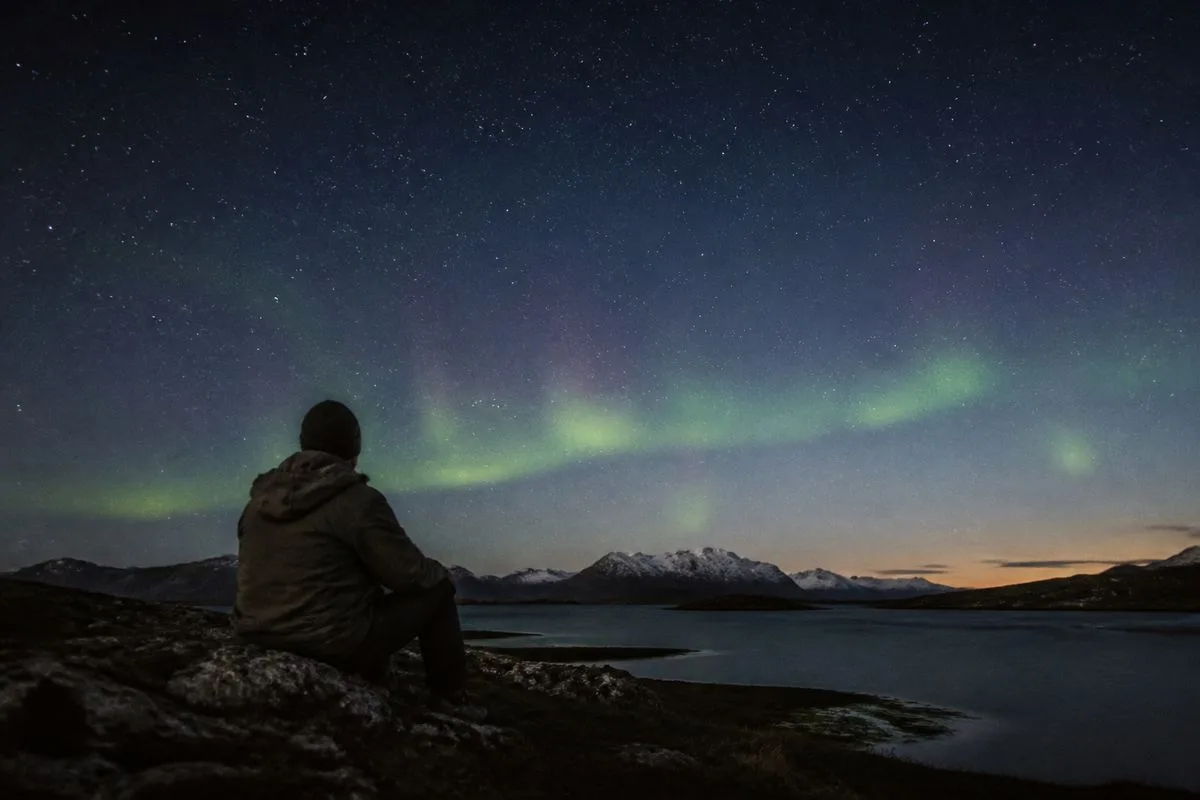
And that cautious tone is important because aurora hype can distort reality. Social media tends to reward the most saturated images and the most dramatic claims. In practice, many auroras are faint to the naked eye, especially outside the highest latitudes, and cameras often see more than human vision does. The source material does not provide a detailed discussion of photography versus perception, so it is best not to overstate it. But the broader point stands: a low Kp period is a useful moment to remind people that aurora watching is a long game, not a guaranteed spectacle on demand.
Historical context, from polar folklore to dashboards and three hour indices
The aurora has always been a story people tell themselves about the world. Long before indices and dashboards, communities in high latitude regions built folklore around strange lights in the sky. That historical layer is not detailed in the provided sources, so this article will not pin specific myths to specific cultures. Still, the general arc is clear: the phenomenon moves from awe and interpretation, to scientific explanation, to modern forecasting and mass participation.
What is genuinely new is the granularity of the conversation. The NOAA dashboard talks in three hour Kp blocks. Online communities discuss solar activity and mass ejections in everyday language. Reddit threads exist purely to explain auroras to newcomers, and the explanations are broadly consistent: solar particles meet Earth’s magnetic field, activity rises when the Sun is more active, and the lights intensify. That is science literacy in the wild, and it is a big deal, even if it sometimes comes with oversimplifications.
There is also a shift in who feels entitled to the experience. Aurora used to be something associated with the far north and far south, a polar perk. Now, because alerts travel instantly and images travel even faster, people at mid latitudes keep one eye on the possibility of a rare sighting. That changes the emotional stakes. A Kp of 3 is no longer just a number, it is a tiny narrative: will it rise, will it fall, will tonight be the night? Most nights, the answer is no. But the anticipation is part of the modern aurora economy.
Practical aurora watching in 2026, what to do when the numbers are modest
When geomagnetic activity is modest, as the current Kp 3 snapshot suggests, the best approach is pragmatic. First, prioritise darkness. Light pollution is the enemy of subtle aurora, and a low activity display can be easily washed out. Second, prioritise clear skies. It sounds obvious, but people still forget that the most perfect space weather conditions mean nothing under thick cloud.
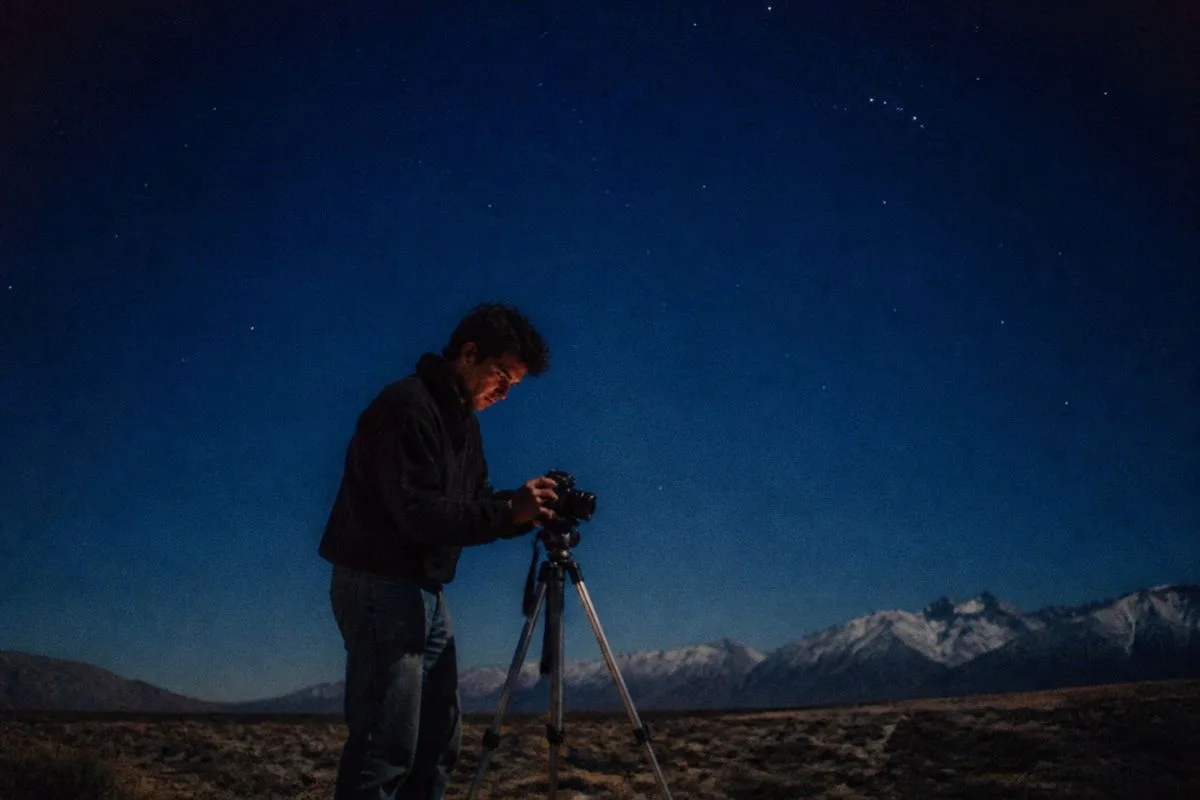
Third, think in time windows rather than all night vigils. Because Kp is reported in three hour blocks, it makes sense to check conditions periodically rather than committing to hours outside. If someone is in a region where aurora is plausible at Kp 3, the strategy is to watch for brief improvements and be ready to step outside quickly. If someone is far from the auroral oval, the honest advice is to treat a Kp 3 forecast as a low probability night and avoid building big plans around it.
Finally, keep the language straight. If the goal is the natural phenomenon, use terms like aurora borealis, northern lights, geomagnetic activity, and Kp index. If the goal is the musician, search for AURORA and include song titles or album references. It is a small thing, but it saves time and frustration. And in a world where “aurora” can mean a sky event or an artist, clarity is not optional.
Closing thoughts, the aurora remains unpredictable, and that is the point
The aurora is, at its core, a reminder that Earth sits inside a larger, restless system. The Sun does what it does, Earth’s magnetic field does what it does, and sometimes the result is a sky that looks unreal. In October 2026, the available forecast snapshot points to relatively low geomagnetic activity, with observed and expected Kp topping out at 3. That is not a blockbuster. But it is still part of the same story.
And maybe that is the healthiest way to approach it. Aurora watching is not a guaranteed transaction. It is a practice, a habit, a bit of patience, and a willingness to be disappointed now and then. The dashboards and indices help, and they are genuinely useful. But the magic is still in the uncertainty. If it were predictable every night, people would stop looking up.