Bouaddi joins Manchester City, and it is a statement signing
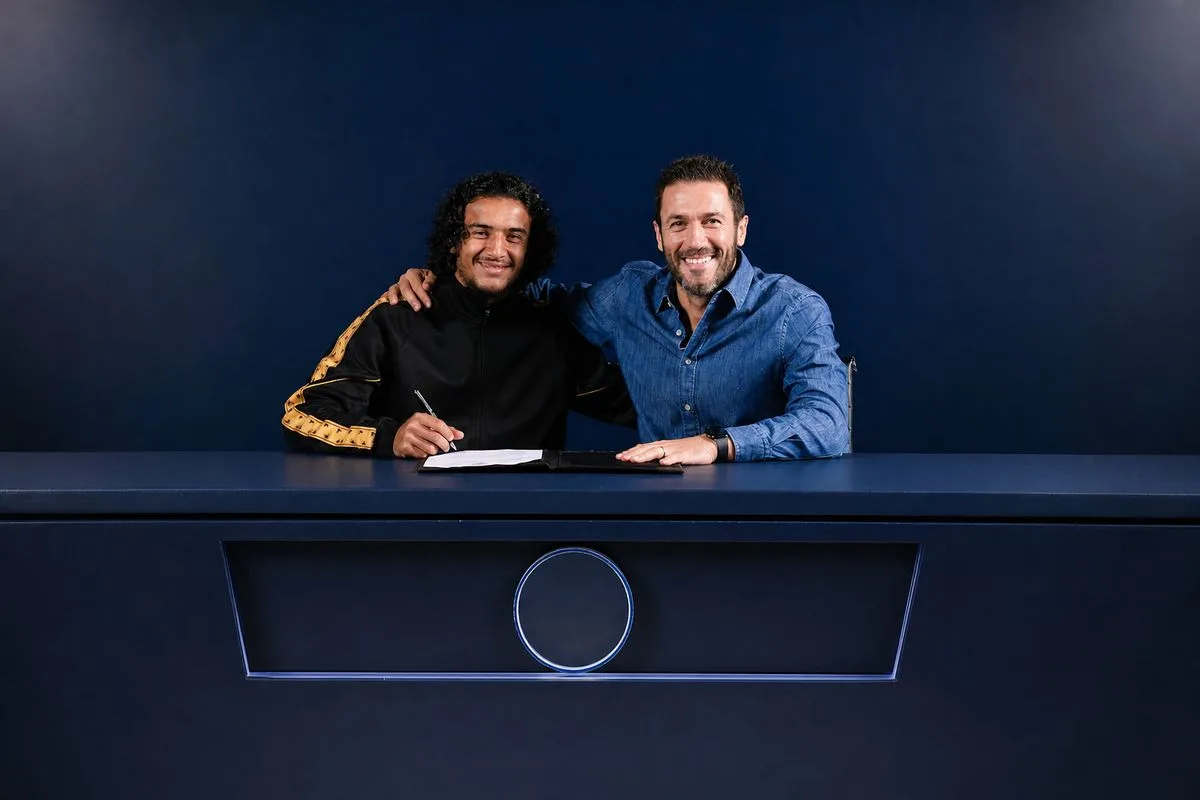
Bouaddi is officially a Manchester City player, and the club is not being subtle about what it thinks it has bought. City confirm they have completed the signing of Moroccan international Ayyoub Bouaddi on a five year contract, subject to international clearance, with the deal running until 2031. He arrives from Lille at 18, already with 96 appearances in senior football and eight international caps. That combination, age plus volume of experience, is the bit that makes people sit up.
City’s announcement frames Bouaddi as “one of the most exciting young players in world football”, and it is easy to see why they are leaning into that. He is described as an elegant, ball playing midfielder, a profile that fits the club’s identity and the demands of the Premier League. And in the same breath, City position him as a player who can be developed further under head coach Enzo Maresca, with Director of Football Hugo Viana talking up his “outstanding football intelligence”.
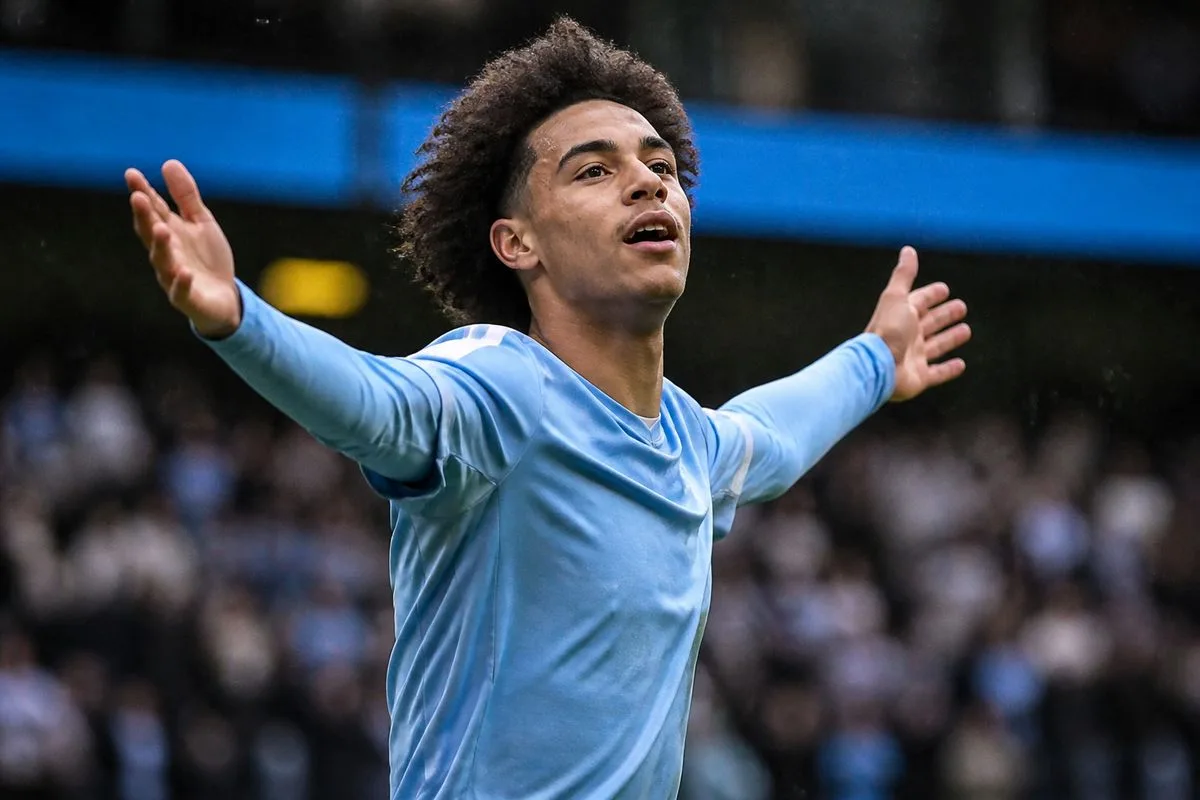
There is also a marketing reality here (fair enough, it is modern football). City immediately push Bouaddi’s squad number in their club messaging, and the club’s tone makes it clear they expect him to be a visible figure, not a quiet academy project. But the football logic is the real story: City are buying a teenager who has already played nearly 100 senior matches, has performed on the biggest international stage, and is now stepping into a squad built around control, possession, and midfield dominance.

The deal details: contract length, club context, and what City actually say
City state Bouaddi signs a five year contract and will be at the Etihad Stadium until 2031. The club also confirm the move is subject to international clearance, a standard line, but one that matters because Bouaddi’s career has already crossed national lines in a very public way. City do not publish a transfer fee in their announcement, so any numbers circulating elsewhere cannot be treated as confirmed in this context.
Bouaddi’s own words are telling, not because they are shocking, but because they map neatly onto what City want from him. He calls it “a very special day” for him and his family, describes City as “the best Club in the world”, and says he has watched them for many years because he loves their style of play. He also highlights the club’s winning culture, saying it “feels like it’s built to win”. That is not exactly groundbreaking, but it does underline that he is joining a machine with expectations, not a rebuilding project.
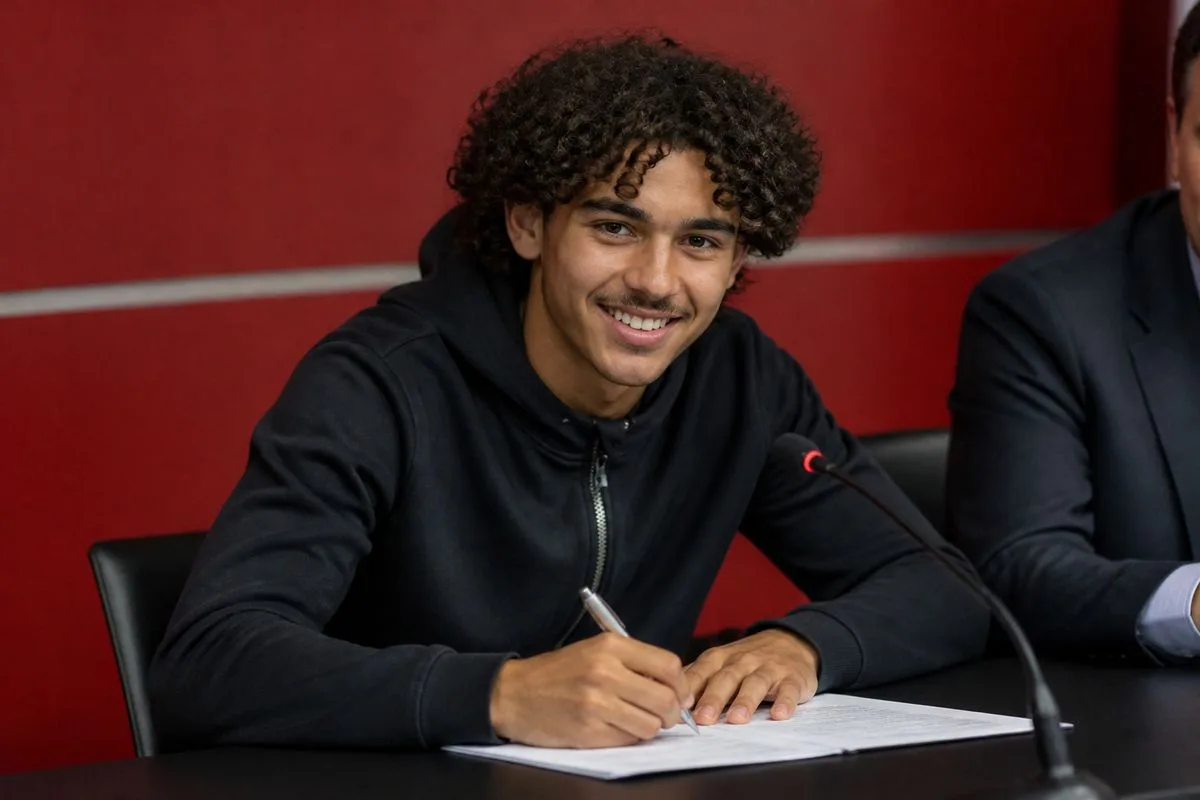
He also nods to development, and that is where the move becomes more interesting. Bouaddi says he has “plenty of improving to do” and stresses that at 18 he can improve “so much”. City’s pitch to elite young players is usually the same: come into an environment that demands trophies, but also gives you coaching, structure, and a clear idea of how you should play. Viana’s quote backs that up, saying the club’s job now is to provide Bouaddi with everything he needs to fulfil his potential under Maresca’s guidance.
Bouaddi’s rise at Lille: from a 16 year old debut to a midfield mainstay
Bouaddi does not arrive at City as a raw talent who has played a handful of cup games. City’s own summary of his Lille career is unusually concrete. He makes his senior debut for Lille in the UEFA Conference League just three days after his 16th birthday, then establishes himself as a regular over the following two seasons. That timeline matters because it suggests he is not just physically ready, but mentally ready, the sort of player coaches trust early.
The appearance breakdown City provide gives a sense of acceleration. For Lille, Bouaddi records 18 appearances in 2023/24, then 36 in 2024/25, then 42 in 2025/26. That is a steady climb into being a central figure, not a player who dips in and out. City also say he helps Lille to a third placed finish and a return to the Champions League last season. They do not provide match-by-match detail, but the implication is clear: he is contributing in a team with real pressure and real objectives.
There is also a wider point about Lille as a development environment. City call it “one of Europe’s leading Academies”, and regardless of the marketing gloss, Lille’s reputation for producing and polishing talent is well established in football culture. Bouaddi is presented as the latest star to come through that pipeline, a forward thinking midfielder who is strong on the ball. In other words, he is not being asked to reinvent himself at City, he is being asked to scale up what he already does.
Bouaddi and Morocco: the World Cup performances that changed his profile
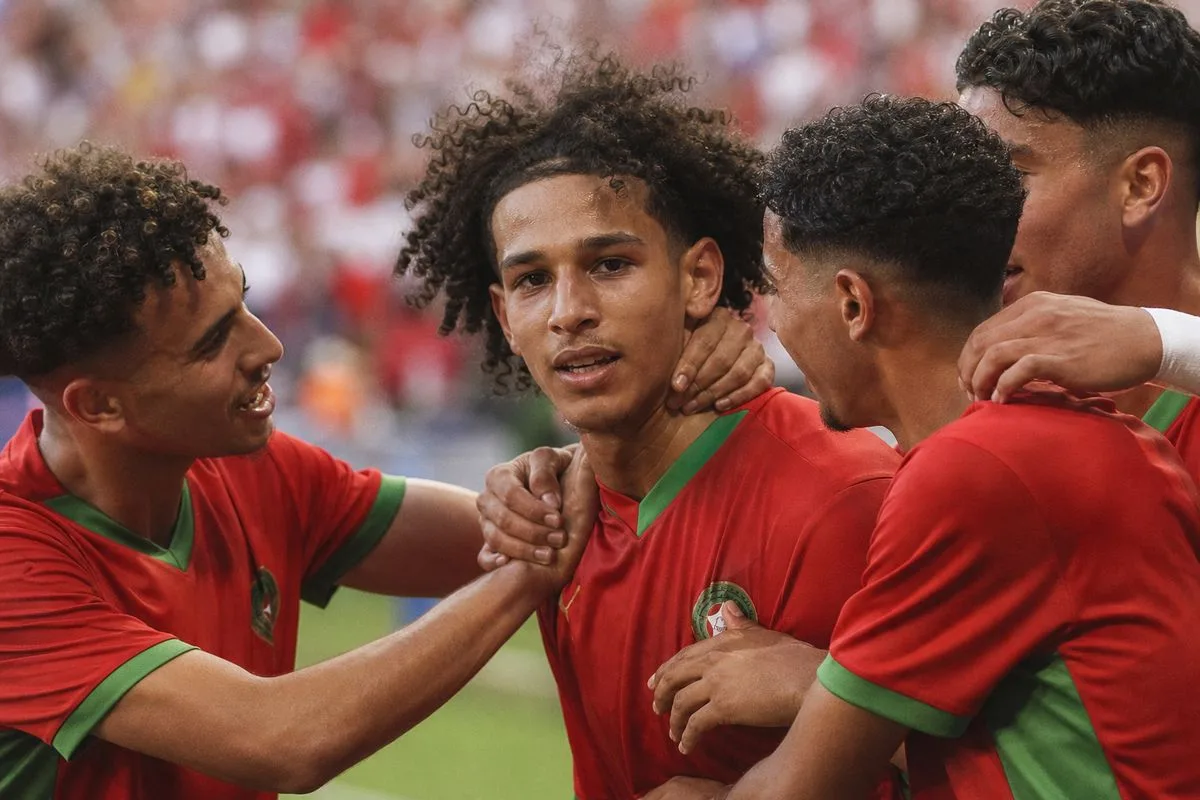
City’s announcement spends serious time on Bouaddi’s international story, and it is not hard to see why. He represents France at youth and Under 21 level, then switches to play for Morocco, the nationality of his parents. City say he stars for the Atlas Lions at this summer’s World Cup, and that tournament becomes the accelerant, the moment he is “identified as one to watch” by many experts before it even starts.
The club highlight one match in particular, Morocco’s opener against Brazil, and they provide specific numbers. Bouaddi plays at the base of midfield against a Brazil trio of Casemiro, Bruno Guimaraes and Lucas Paqueta, and City describe him dictating the game with confidence and composure. They say Morocco have almost 70% of possession in the first half, and Bouaddi posts a 91% pass success rate, completing all 16 passes in the final third. Defensively, he records six ball recoveries, five interceptions, and wins nine duels. Those are not vague compliments, they are the kind of line items that scouting departments love because they point to a complete midfield performance, not just pretty touches.
Morocco’s tournament ends in the quarter finals, with City stating they exit to France. The club’s framing is that the World Cup announces Bouaddi to a “fresh army of admirers”, but that people who watched Lille already knew. That is probably fair. International tournaments do not create talent, they broadcast it. And for a player like Bouaddi, whose game is about control and decision making, a World Cup stage is a perfect shop window because it compresses attention into a few high pressure matches.
Why Bouaddi fits City: style, squad building, and Maresca’s midfield demands
City describe Bouaddi as “elegant” and “ball playing”, and those are not throwaway adjectives at this club. Manchester City’s best sides are built on midfielders who can receive under pressure, play through lines, and keep the team’s structure intact. Bouaddi’s World Cup numbers, especially the final third passing and the defensive actions, hint at a player who can do both sides of the job. That is the modern requirement: protect the centre, progress the ball, and do it again and again.
There is also the Maresca factor. City’s announcement explicitly says Bouaddi will work under Maresca and his coaches to “elevate his game to a whole new level”. It is a clear signal that the club sees him as coachable, not finished. Viana’s quote leans into intelligence, saying Bouaddi has “outstanding football intelligence” that will improve under Maresca. That is the key phrase. City’s system, regardless of the exact shape, tends to reward players who process information quickly, who know when to slow the game down and when to punch a pass through a press.
And then there is the strategic squad building angle. Signing an 18 year old on a deal to 2031 is not just about the next match, it is about controlling a player’s prime years. City are effectively betting that Bouaddi’s development curve continues, and that he becomes either a long term starter or a high value asset. The club does not say that out loud, obviously. But the contract length tells its own story. It is a commitment, and it is also leverage in a market where elite midfielders are scarce and increasingly expensive.
What Bouaddi’s move says about the market for elite teenagers
Bouaddi’s transfer sits in a broader pattern: top clubs are increasingly willing to pay for certainty in potential. The old model was to buy a 24 year old who has already peaked into consistency. The new model, especially for the richest clubs, is to buy the 18 year old who already has 90 plus senior games, because that player offers both immediate utility and future upside. Bouaddi is a textbook example, and City’s messaging leans heavily on the fact he is only 18 but already seasoned.
It also reflects the way international football can change a player’s market position overnight. City explicitly connect Bouaddi’s World Cup to his rising profile, describing him as one to watch before the tournament and then praising his performances, particularly against Brazil. When a teenager dominates a midfield battle against established names, it becomes a reference point that follows him into every scouting meeting. It is not just highlight reels, it is proof of temperament, and temperament is usually the hardest thing to buy.
Finally, the move underlines how clubs now value midfield control as a premium commodity. Forwards will always be glamorous, but the teams that win consistently tend to have midfielders who can manage chaos. Bouaddi’s statistical line in that Brazil match, high pass success, final third completion, recoveries, interceptions, duels, reads like a checklist for a possession dominant side that still needs bite. City are not just buying a passer. They are buying a potential organiser.
What’s Next
The immediate question is how quickly Bouaddi plays, and in what role. City’s announcement does not promise instant starts, and Bouaddi himself talks about improving rather than arriving as the finished article. That usually means a phased integration, minutes in certain match contexts, and a lot of work on the training pitch around positioning and decision making. But there is a twist here: Bouaddi is not coming from a small league or a sheltered environment. He has played 42 times in 2025/26 for Lille, and he has already handled World Cup pressure. That tends to shorten the adaptation period, even if it does not eliminate it.
There is also the international dimension. Bouaddi has already switched allegiance and is now a Morocco international with eight caps in 2025/26, according to City. That means his calendar is likely to remain busy, and City will have to manage his workload carefully. The club’s best case scenario is that he becomes a reliable option in the rotation while continuing to grow with Morocco, because those competitive international matches can accelerate maturity. The risk, as always with young players, is physical load and mental fatigue. City’s medical and performance departments will be heavily involved, even if fans rarely see that side.
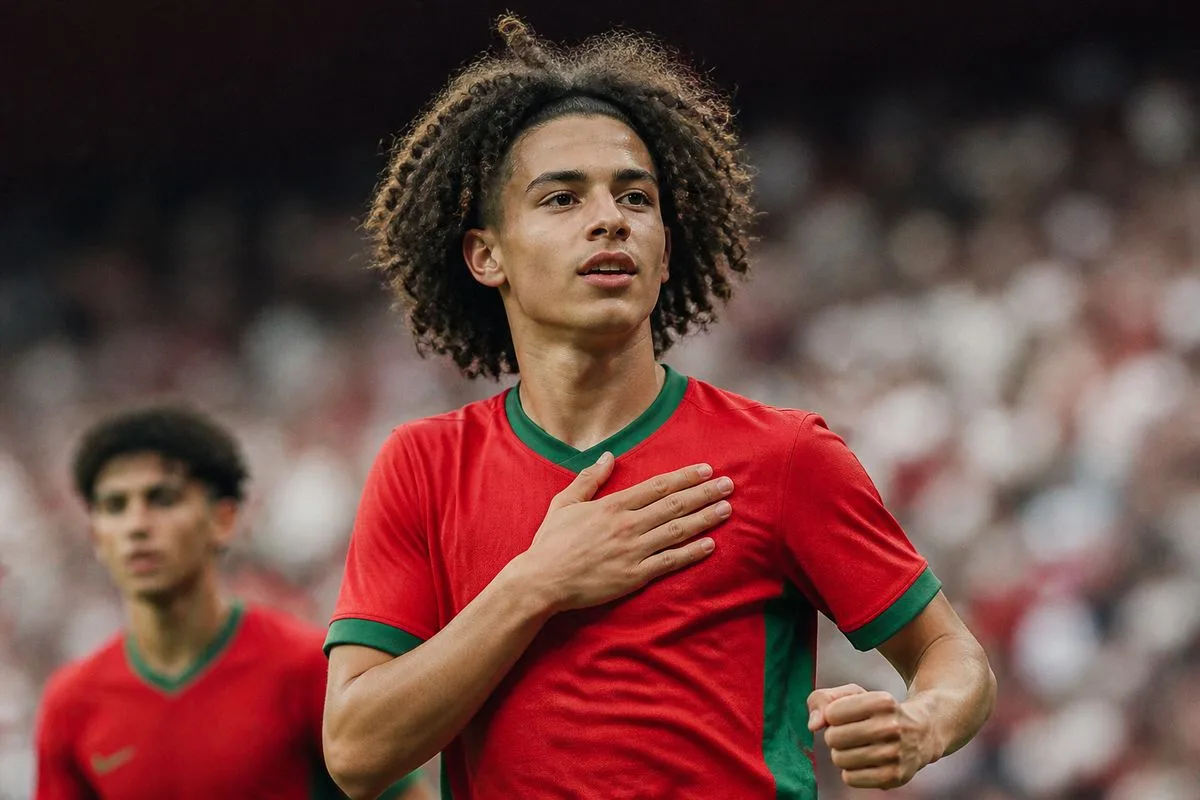
Longer term, Bouaddi’s arrival hints at where City think the game is going. Midfielders who can both dictate and defend, who can win duels and still complete 16 final third passes in a big match, are the currency of elite football. If Bouaddi develops as City believe, he becomes the kind of player you build a cycle around. And if he does not, the contract length still gives City options. Either way, this is not a low stakes punt. It is a deliberate bet on a specific type of midfielder, the kind that decides titles in April and May when legs are tired and spaces are tight.
Closing thoughts: Bouaddi’s next chapter comes with pressure, and opportunity
Bouaddi arrives at Manchester City with a rare blend of youth and evidence. City can point to 96 Lille appearances, a steep year on year rise in minutes, and a World Cup performance against Brazil backed by hard numbers, not just vibes. Bouaddi can point to a club whose style he says he has watched for years, and a manager he calls “top”, in an environment that demands trophies. That is the sales pitch, and it is also the reality. City do not do gentle landings.
But there is a reason City’s announcement reads like a celebration rather than a cautious introduction. Bouaddi is not being framed as a prospect for 2029. He is being framed as a player who can contribute, learn fast, and grow into something huge. The Premier League is unforgiving, and the spotlight at City is brighter than almost anywhere. Still, for a midfielder who already looks comfortable dictating games against elite opponents, this is exactly the kind of challenge that makes sense. Big step, big expectations, big upside.