
England early flu season UKHSA warning: what is actually happening right now
England is seeing flu activity pick up earlier than many people expect, and the UK Health Security Agency is the body putting numbers and language around it. The key point in the current england early flu season ukhsa story is not that the country is already in a full blown flu wave, it is that multiple surveillance signals are running higher than is typical for September, and they have been trending upwards since August.
UKHSA describes overall flu levels as low, but that headline hides the more interesting detail. The agency points to several metrics moving in the wrong direction at once: the proportion of positive flu tests, GP consultations for influenza like illness, and emergency department attendances for influenza like illness. In other words, it is not just one quirky dataset. It is a pattern, and patterns are what public health teams watch for when they are trying to spot the start of a season.
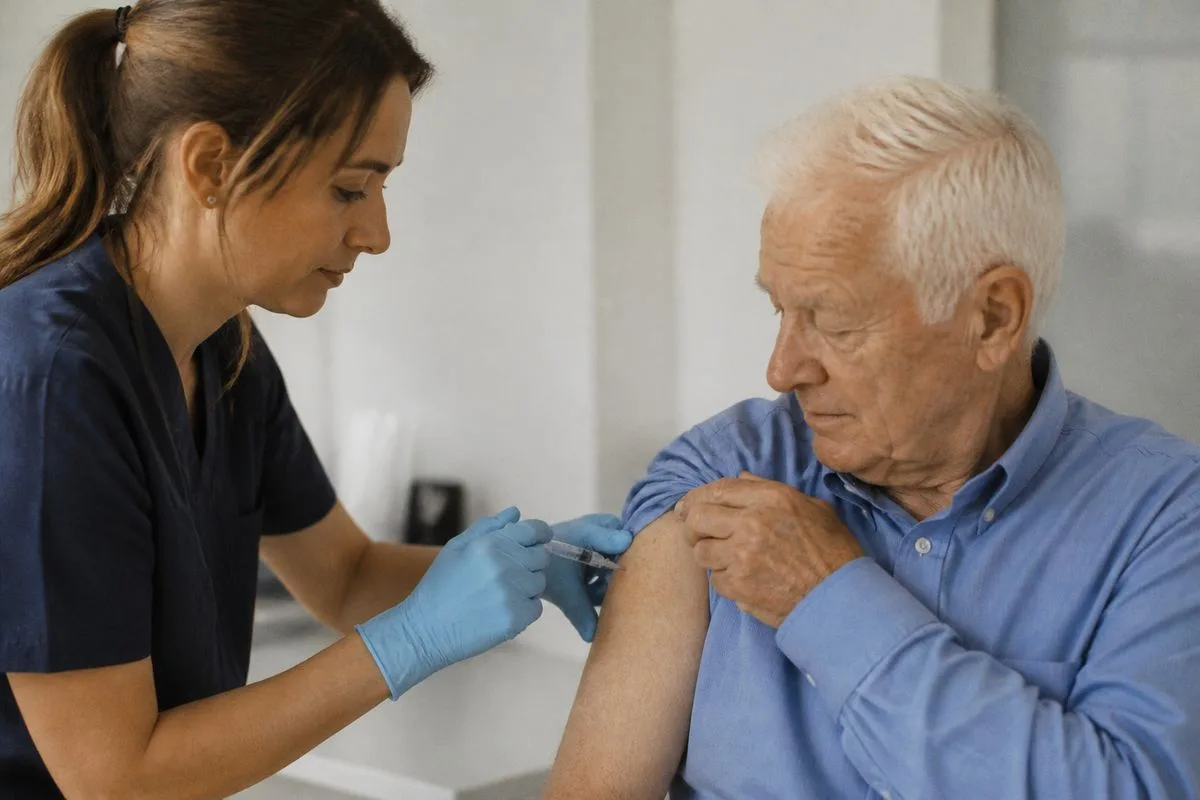
That is why the messaging is so focused on vaccination, particularly for people most likely to end up seriously unwell. Professor Sir Andrew Pollard, director of the Oxford Vaccine Group, frames it in plain terms: those at risk because of age or underlying health conditions should get vaccinated as soon as possible, ideally before the peak of transmission arrives. And yes, that is the rub. Nobody can say exactly when the peak will land, only that the early rise suggests it could come sooner than usual.
There is also a practical consumer angle that tends to get overlooked until people are already coughing on the bus. Private flu jabs are widely available through high street pharmacies, typically costing about £20, with some retailers offering them for under £10 through membership style schemes. Pollard also notes that some people who are not eligible for a free NHS flu vaccine may be able to access vaccination through their workplace. It is not exactly a minor detail when the whole point is to vaccinate early, not after the virus has already done the rounds.

What UKHSA data says about September 2026, and why September matters
September is not usually the month when flu dominates the conversation in England. That is precisely why UKHSA’s comparison is so striking: flu activity throughout September is reported as higher than in the same period during all past four winter seasons. That does not automatically mean England is heading for a catastrophic winter, but it does mean the baseline is different, and the calendar is shifting.
UKHSA also reports that flu trends have been rising since August. That matters because early movement can create a longer runway for transmission. Professor Antonia Ho, an infectious diseases specialist at the University of Glasgow’s Centre for Virus Research, spells out the risk logic: earlier onset can be associated with a longer period of community transmission and higher cumulative case numbers. But, and this is important, she also stresses that timing alone does not determine severity. A season can start early and still end up manageable if immunity is decent, behaviour changes, and vaccination uptake is strong.
The surveillance picture is not just about lab positives. Emergency department attendances for influenza like illness are described as above seasonally expected levels. That is a useful real world signal because it reflects people feeling ill enough to seek urgent care, not just people who happen to get tested. It also hints at pressure points for the NHS, because early respiratory illness activity can collide with the usual autumn surge in demand.
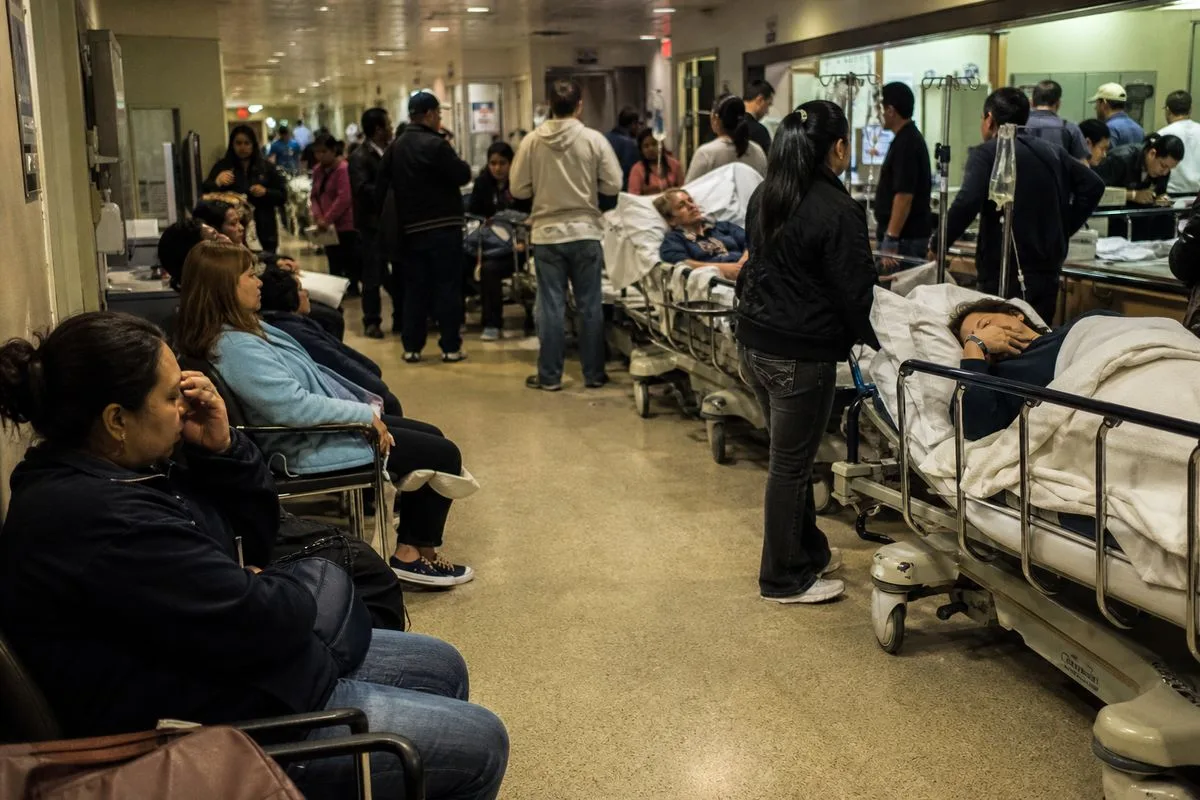
One more detail stands out: UKHSA data suggests the increase is being driven by young people aged 18 to 24. That age group is not typically the focus of flu messaging, which tends to centre on older adults, clinically vulnerable people, and young children. If younger adults are acting as early amplifiers, the public health challenge becomes less about persuading a single high risk cohort, and more about reducing transmission chains that eventually reach people who are far more likely to be hospitalised.
Which flu strains are circulating in England, and what “drift” could mean
So what is actually circulating? UKHSA indicates a mix of two influenza A subtypes, H1N1 and H3N2, is present in England. That mix matters. Different subtypes can behave differently in terms of transmissibility, the age groups they hit hardest, and how well existing immunity holds up. It is not a neat, single strain season, at least not at this stage.
Professor Ho notes that the flu vaccine is designed to cover both of those influenza A subtypes, and influenza B as well. That is the reassuring bit. The less reassuring bit is the mention of H1N1 having changed, or “drifted”, a little from the strain used to make this year’s vaccine. Drift is part of flu’s whole trick, it evolves, and the vaccine is always a best fit based on what experts expect to circulate.
Crucially, Ho says it is too soon to know whether that drift will affect how well the vaccine works. That is the honest answer, and it is worth sitting with. Vaccine effectiveness is not something anyone should guess at in October. It is measured over time, using data on infections, severity, and outcomes. But the presence of drift is a reminder of why timing matters: even a good match is more useful if people get vaccinated before exposure, and even a slightly imperfect match can still reduce severe disease.
There is also a behavioural point here that gets missed in the strain discussion. When people hear “drift”, some interpret it as “the jab is pointless”. That is not what the experts quoted are saying. They are saying: vaccinate, because it remains the best tool to blunt impact, and because the vaccine covers the circulating subtypes. The uncertainty is about degree of protection, not whether protection exists at all.
Vaccination in 2026: who is urged to act now, and what “early” changes
The central public health message in this england early flu season ukhsa moment is simple: do not wait for winter. Pollard’s advice is aimed squarely at people at risk due to age or underlying health conditions, with a clear emphasis on getting vaccinated as soon as possible. He also makes a broader point that often gets lost in eligibility debates: everyone can benefit from vaccination, even if free vaccines are limited to children and higher risk groups.
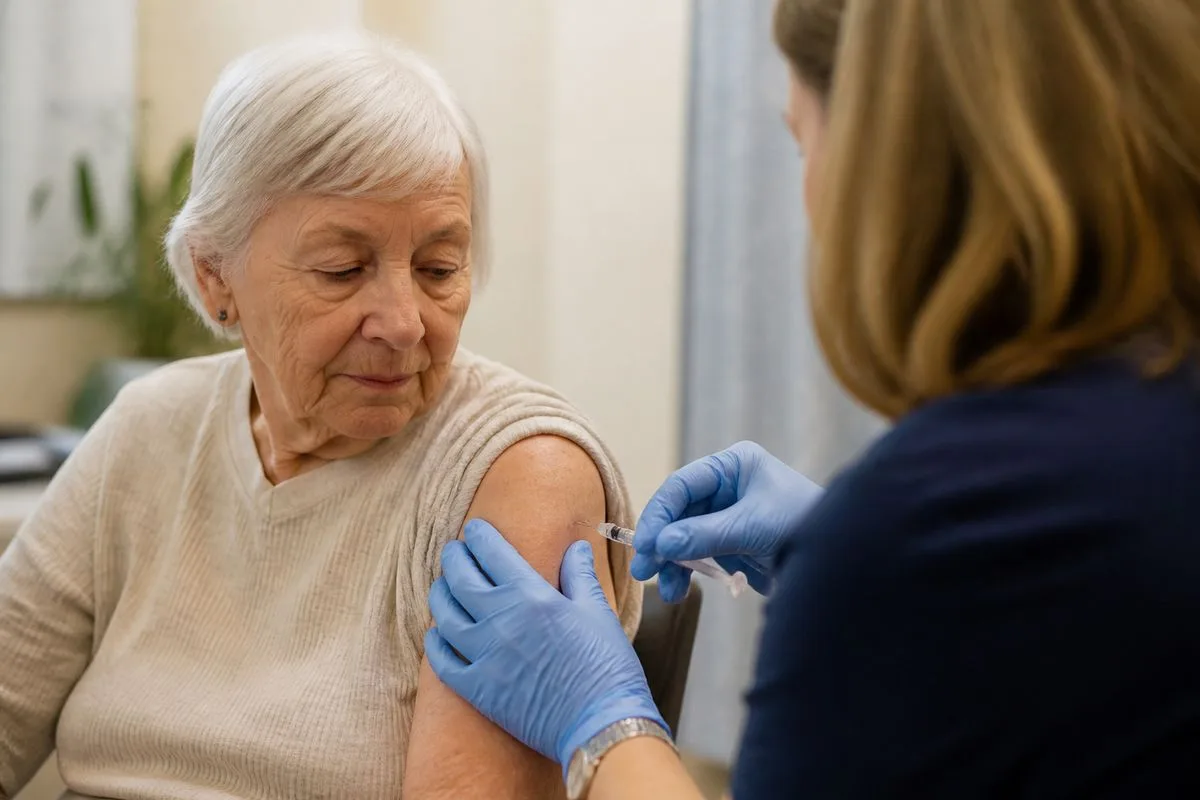
Ho adds a practical warning that is easy to forget: it takes a few weeks for the vaccine to provide full protection. That single sentence is basically the argument for acting in October rather than November. If flu is already rising in September and continuing into October, leaving vaccination until “later” can mean the immune response is still building when exposure happens. And then people wonder why they got ill anyway.
There is also a financial and access layer. Private flu vaccination is described as costing about £20 at most high street pharmacies, with some under £10 through membership schemes. Workplaces may offer vaccination too. None of this replaces the NHS programme, but it does shape real behaviour. If younger adults are driving early activity, and many are not eligible for free vaccination, then workplace schemes and affordable pharmacy options become more than a convenience. They become part of the transmission control toolkit, whether policymakers like it or not.
One more nuance: an early flu season does not necessarily mean a worse flu season. Pollard is explicit about that. He says timing varies year to year and the reasons are not certain, pointing to a combination of weather, the strain’s ability to spread, population immunity, and behaviour such as how many close contacts people have. That is a useful corrective to panic. But it is not a reason to do nothing. Early signals are exactly when prevention has the most leverage.
England early flu season UKHSA context: last winter’s impact and what it suggests
UKHSA’s own retrospective estimate from last winter is a big part of why officials and scientists keep pushing vaccination. The agency estimates that the vaccination programme in England last winter prevented about 100,000 hospital admissions and 7,000 deaths. Those are substantial numbers, and they are presented as an outcome despite the flu season starting earlier than usual last year too.
That historical comparison matters because it reframes the current early rise. Early does not automatically equal disastrous. It can also mean people respond earlier. John Tregoning, professor of vaccine immunology at Imperial College London and author of Infectious: Pathogens and How We Fight Them, points to last year as an example where an early start likely nudged behaviour. People went and got vaccinated, and then activity came down again. It is not a guarantee, but it is a plausible mechanism: early warning drives uptake, uptake reduces severe outcomes, and the curve bends.
There is a second lesson in those prevented admissions and deaths. Flu is not just a miserable week in bed. It is a driver of hospital pressure and mortality, particularly among older adults and those with underlying conditions. When UKHSA talks about emergency department attendances already sitting above seasonal expectations, it is not being dramatic. It is pointing to the front door of the health service, where respiratory seasons are felt first.
And there is a third lesson, slightly uncomfortable but real. Public tolerance for winter health messaging is not infinite. People tune out. That makes credible, data led communication essential. UKHSA is not claiming catastrophe. It is saying: the indicators are higher than usual for September, the trend is rising, and the smart move is to vaccinate early. That is a message that can cut through, if it is repeated consistently and backed by access.
Respiratory season is not just flu: Covid, RSV, and the messy reality of winter viruses
Even though the headline is flu, the experts quoted are clearly thinking about the whole respiratory ecosystem. Tregoning emphasises the importance of vaccination against respiratory syncytial virus, RSV. UKHSA data also suggests Covid levels are rising, and eligible people are urged to get a Covid jab. The point is not to conflate viruses, it is to recognise that winter pressure is cumulative. Multiple pathogens circulating at once can stretch healthcare capacity and increase risk for vulnerable individuals.
This is where the public conversation often goes wrong. People want a single villain. But winter illness is usually a pile up. Someone catches one virus, their immune system is stressed, they pick up another, and suddenly a manageable infection becomes a serious episode. Clinicians see it every year. The early flu signals are concerning partly because they arrive before the usual winter peak, potentially extending the period when flu overlaps with other viruses.
Ho also underlines that vaccination is not the only tool. If someone develops flu like symptoms, the advice is old fashioned but effective: stay at home if possible, practise good hand hygiene, and avoid contact with others. It sounds basic because it is. But basic measures are exactly what reduce onward transmission in households, workplaces, and universities, which is relevant when UKHSA data suggests 18 to 24 year olds are a key driver early on.

There is a cultural challenge here too. After years of pandemic era messaging, many people are tired of being told to stay home. Fair enough. But the virus does not care about fatigue. If England is heading into an early flu season, the least disruptive approach is to stack small actions: vaccination, staying home when ill, and being sensible about close contact when symptoms start. None of it is glamorous. All of it works better than pretending it is not happening.
What the early rise reveals about behaviour, immunity, and the limits of prediction
The most interesting part of this story is not the raw fact that flu is rising. It is what the early rise suggests about how modern England moves, mixes, and shares viruses. Pollard lists behaviour as one factor, such as the number of close contacts people have. That is a polite way of saying: crowded social calendars, busy workplaces, packed public transport, freshers week, and indoor gatherings as the weather turns. Flu does not need a grand conspiracy. It needs proximity.
The 18 to 24 signal is a clue. That age group is highly connected, often living in shared housing, travelling, and socialising frequently. If flu establishes itself there first, it can spread outward to families, colleagues, and communities. And once it reaches older relatives or clinically vulnerable people, the stakes change quickly. This is why early vaccination messaging cannot just be aimed at pensioners. It has to acknowledge the transmission network, even if the NHS eligibility rules are necessarily targeted.
Then there is immunity, the invisible variable. Population immunity to the circulating strain is one of Pollard’s factors, and it is hard to measure in real time. Immunity is shaped by last year’s infections, last year’s vaccination, and how similar this year’s strains are. Add drift into the mix, and prediction gets even shakier. People understandably ask, “Will this be a bad year?” The honest answer in October 2026 is: nobody knows yet. What is known is that early indicators are higher than recent Septembers, and that vaccination has a track record of preventing hospital admissions and deaths.
Finally, there is the uncomfortable truth about forecasting. Flu seasons vary. Sometimes they start late and hit hard. Sometimes they start early and fizzle. Sometimes they grind on for months. The best public health strategy is not perfect prediction, it is preparedness. That means getting vaccines into arms early, keeping surveillance tight, and making it socially acceptable to stay home when ill. Not dramatic. Just competent.
How to read UKHSA’s message without panic, and without complacency
UKHSA’s framing, low levels but above average activity, is designed to avoid two extremes. Panic leads to misinformation and bad decisions. Complacency leads to avoidable illness and pressure on services. The sensible middle ground is to treat the early rise as a prompt: check eligibility, book vaccination, and plan for a winter where respiratory illness may arrive sooner.
The experts quoted keep returning to timing. Ho notes the vaccine takes a few weeks to reach full protection. Pollard urges vaccination before the peak of transmission. Tregoning points to last year’s early start and the way behaviour change may have helped bring activity down. Put together, the message is not “flu is everywhere”. It is “flu is moving earlier, so the window for prevention is now”.
There is also a broader systems point. If emergency department attendances for influenza like illness are already above seasonal expectations, the NHS is being asked to absorb extra demand earlier in the year. That can have knock on effects, because autumn is when services are trying to clear backlogs, manage staffing pressures, and prepare for winter. An early flu season is not just a virology story. It is an operational one.
And so the conclusion is fairly straightforward. England may be heading into an early flu season in 2026, and UKHSA is signalling that the rise is real, measurable, and worth acting on. Vaccination remains the main protective tool, supported by common sense measures when symptoms appear. The rest, severity, peak timing, and how long it lasts, is still to be written. But the opening chapter is already on the page.