Netflix movies in October 2026: a month built around star power and prestige
October is shaping up as one of those months where netflix movies and Netflix series releases feel less like a scattershot content dump and more like a deliberate statement. The headline grabbers are obvious: Ben Affleck’s new crime thriller Animals, Romain Gavras’ star-stuffed action comedy Sacrifice, and two Judd Apatow projects that lean hard into comedy history. But the bigger story is how Netflix is mixing prestige, celebrity, and very specific genre bets, then dropping them in a tight three week run.
That mix matters because it reflects what Netflix is trying to be in late 2026: not just a library, not just a studio, but a cultural calendar. The streamer is stacking October with releases that can dominate conversation in different corners of the audience at the same time, the awards crowd, the thriller crowd, the comedy nerds, and the viewers who just want something glossy with recognisable faces on a Friday night.
And yes, it is not only movies. The month also brings a prestige TV centrepiece in the form of East of Eden, plus the return of The Diplomat for season four. But the film slate is the clearest indicator of where Netflix’s movie strategy is heading: fewer “mystery box” originals, more projects that arrive pre sold on talent, logline, or both.


The October 2026 release slate: what is actually new on Netflix
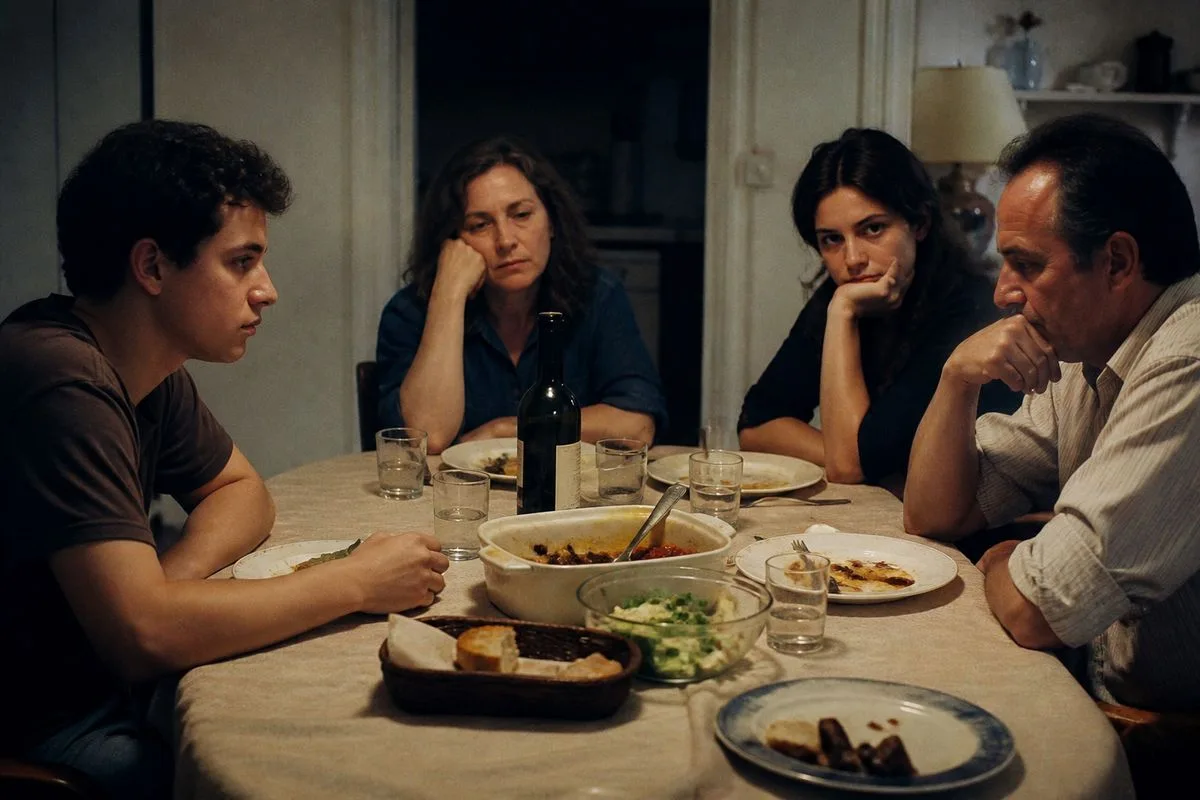
The most prominent new Netflix film in October is Animals, which premieres on 9 October 2026. It is a crime thriller starring Ben Affleck, who also produces, co writes, and directs. The premise is clean and nasty in the best way: “When their son is kidnapped, a Los Angeles mayoral candidate and his wife find themselves drawn into a web of deception. As they scramble to raise the ransom payment, they’re forced to make choices, and reveal secrets, that could tear their world apart.” The cast includes Gillian Anderson, Kerry Washington, and Steven Yeun, which is a serious “adult thriller” signal in itself.
One week later, Netflix drops Sacrifice on 16 October 2026. It is billed as an action comedy from director Romain Gavras, and it is “nominally French” but very much built around a Hollywood ensemble: Chris Evans, Anya Taylor Joy, Vincent Cassel, Sam Richardson, John Malkovich, and Salma Hayek. The film premiered at the Toronto Film Festival in 2025 and, according to the available source material, did not exactly land as a critical slam dunk. Still, Netflix is clearly betting that cast plus pace plus curiosity will do the job.
Then there is the comedy documentary lane. Netflix launches Judd Apatow’s docuseries Norm: The Tale of Norm Macdonald on 16 October 2026, built entirely from archival footage, personal photos, and rare home videos contributed by fans and friends. The stated aim is to let Norm Macdonald “tell his own story in his own voice”. A week later, on 23 October 2026, Netflix debuts Paralyzed by Hope: The Maria Bamford Story, a documentary that follows Bamford’s life and her struggles with depression and mental health. The source material notes the film premiered at Sundance to rave reviews, but it does not provide specific ratings or award outcomes.
It is also worth noting what sits around these films, because Netflix programmes months, not titles. October opens with the miniseries adaptation of John Steinbeck’s East of Eden, created by Zoe Kazan and starring Florence Pugh as Cathy Ames. And on 15 October 2026, Netflix brings back The Diplomat for its fourth season, with Keri Russell, Rufus Sewell, Allison Janney, Bradley Whitford, David Gyasi, Ali Ahn, and Rory Kinnear returning. That matters because it creates a “stay on the platform” effect: prestige drama, then political thriller TV, then a major film, then another major film, then documentaries that can hold attention into the end of the month.
Why these Netflix movies look the way they do: the Affleck factor, the Gavras gamble, the Apatow lane
Ben Affleck is the clearest through line in Netflix’s October movie story. Animals is his second consecutive Netflix feature after The Rip earlier in 2026, which the source material describes as “excellent, and popular”, without providing viewership figures. That “second consecutive” detail is the point: Netflix is behaving like a studio that has found a repeatable partnership, the kind that used to define the mid budget adult thriller era in cinemas. Affleck is not just a star here, he is a one man package: name recognition, directing credibility, and a certain brand of serious, muscular storytelling.
There is also a timely layer to Animals that Netflix will not mind at all. The source material notes that the film “may get a lot of interested viewers” due to Affleck’s comments about the AI tools he used to make it. The details of those tools are not provided in the scraped article, so it would be irresponsible to speculate on what was used or how. But the meta point is obvious: even the suggestion of AI in a high profile production is a conversation starter. Netflix, which has long positioned itself as a tech forward entertainment company, benefits from that kind of attention, whether viewers come to cheer it on or to judge it.
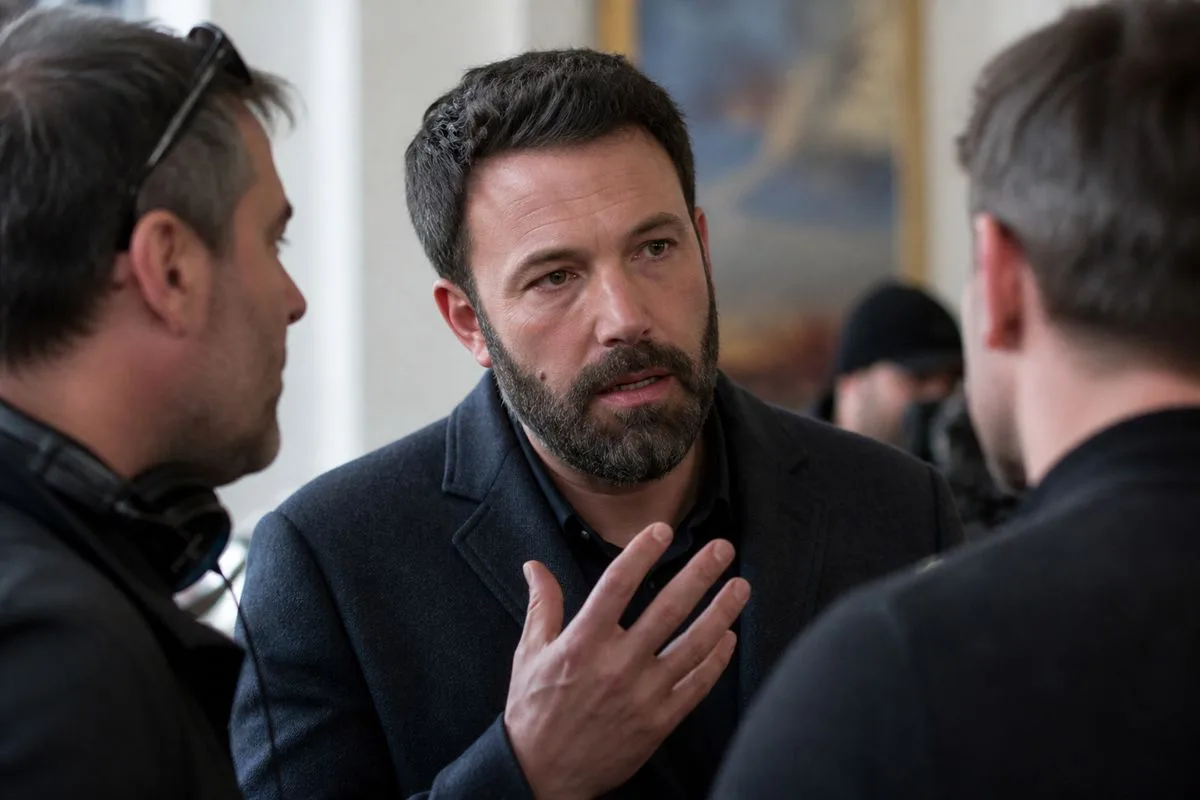
Romain Gavras is a different kind of bet. His Netflix release Sacrifice arrives with a cast that screams “global marketing asset”, and with the director’s reputation boosted by earlier work such as Athena (mentioned in the source material as “excellent”). But the film’s mixed critical reception at Toronto in 2025 suggests Netflix is leaning into a familiar streaming truth: reviews can matter, but curiosity and convenience matter more. A film that “causes a bit of whiplash” can still become a weekend hit if the trailer pops and the cast is irresistible.
Then there is Judd Apatow, who is quietly becoming one of Netflix’s most valuable documentary voices on comedy. The source material frames his October releases as part of a run that includes projects on Garry Shandling, Mel Brooks, and George Carlin. That is not an accident. Comedy docs are relatively cost effective compared with blockbuster fiction, they travel well internationally, and they attract a loyal audience that actually watches the whole thing (which streamers care about more than they like to admit). Apatow’s approach, especially with a project built from archival material and fan contributed footage, also taps into something Netflix loves: community energy that can be mobilised into marketing without looking like marketing.
What October’s Netflix movies say about the platform’s broader strategy
Zoom out and October 2026 looks like Netflix doubling down on a simple idea: make the month feel curated. Not curated in the arthouse sense, but curated in the “there is always something big arriving next week” sense. That is how you reduce churn. Viewers finish one thing, see the next thing queued up, and stick around. The release dates in the source material are tightly spaced for exactly that reason: Animals on 9 October, The Diplomat season four on 15 October, Sacrifice and Norm: The Tale of Norm Macdonald on 16 October, then the Maria Bamford documentary on 23 October.
It is also a reminder that Netflix’s “movie” identity is now split into two lanes. Lane one is the star driven original, the kind of film that would once have been a mid budget cinema release but now lands on streaming with a huge marketing push. Animals fits that perfectly, a political adjacent thriller with a kidnapping hook and a cast built for adult audiences. Lane two is the global genre swing, often with an international flavour and a director with a distinctive style. Sacrifice sits there, even if the cast is very Hollywood. Netflix wants films that can travel, and action comedy is one of the easiest passports in entertainment.
There is a third lane too, and it is easy to overlook because it is not “movie night” content for everyone: documentaries that deepen the platform’s cultural footprint. Apatow’s Norm Macdonald docuseries is designed to be definitive, or at least feel that way, by leaning on archival footage and personal material. The Maria Bamford documentary, focused on mental health, signals a different kind of ambition: not just “here is a comedian”, but “here is what it costs to be one”. Netflix has been in this space for years, but October’s pairing makes it look more like a programmed strand than a one off.
And hovering over all of this is the prestige TV play. Netflix is launching East of Eden as a buzzy miniseries adaptation, with Florence Pugh at the centre and Zoe Kazan as creator, explicitly linked to her grandfather Elia Kazan, who directed the 1955 film adaptation. That kind of lineage talk is catnip for awards season coverage. It also helps Netflix in a subtler way: prestige series create a halo effect that makes the whole platform feel “higher quality”, which in turn makes viewers more likely to try the movies they might otherwise ignore.

How viewers are choosing Netflix movies right now, and why that shapes releases
One of the most revealing things about the Netflix movie ecosystem is that it is not just driven by Netflix’s own originals. It is driven by the constant churn of what people are in the mood for, and what they can find quickly. Supplementary material around October 2026 points to the ongoing appetite for lists of “best movies right now” and “best new movies streaming”, and to community discussions where viewers ask for thrillers that are “really scary”. That is not a trivial detail. It is the demand signal Netflix is responding to, even if it is not doing it directly.
That demand signal helps explain why a film like Animals is such a sensible bet. Kidnapping thrillers are instantly legible. They do not require franchise knowledge. They are not dependent on lore. Viewers know what they are getting, and they can decide in ten seconds whether they are in. In a world where audiences scroll more than they search, clarity is currency. Netflix has learned that the hard way over the past decade, and October’s slate looks like the product of that learning.
It also explains why Netflix keeps investing in recognisable faces. Gillian Anderson, Kerry Washington, Steven Yeun, Chris Evans, Anya Taylor Joy, Salma Hayek, John Malkovich, these are names that stop the thumb. The same goes for Florence Pugh on the TV side, and Keri Russell anchoring The Diplomat. Netflix does not need everyone to watch everything. It needs enough different groups to feel like there is always something made for them. Star casting is the fastest way to create that feeling at scale.
And then there is the “conversation” layer, which Netflix increasingly treats as part of the product. Affleck’s AI comments, whatever the specifics, create a hook beyond plot. The Matthew Perry docuseries mentioned in the source material, while not detailed in the scraped section, is another example of the same phenomenon: titles that come with built in public interest. Netflix is not just releasing content, it is releasing topics. That is how a streamer competes in a crowded attention economy without relying solely on franchises.
Netflix movies and the return of the adult thriller, with a 2026 twist
There is a quiet nostalgia running through October’s movie line up, especially with Animals. The source material describes it as a crime thriller rooted in political stakes, family pressure, and moral compromise. That is basically the DNA of the adult thrillers that used to thrive in cinemas before the blockbuster era squeezed the middle. Netflix has been trying to revive that space for years, sometimes successfully, sometimes not. But pairing Affleck’s multi hyphenate role with a cast like Anderson and Washington suggests Netflix is serious about making this kind of film feel like an event again.
The 2026 twist is the production conversation around AI. Even without details, the fact that it is mentioned in the context of audience interest tells you where the industry is. AI is no longer a niche behind the scenes tool that only VFX people talk about. It is a mainstream talking point, and it is increasingly tied to questions of authenticity, labour, and creative control. A high profile Netflix film becoming part of that debate is not surprising. Netflix sits at the intersection of entertainment and technology, and it tends to attract scrutiny because of it.
Sacrifice, meanwhile, represents a different kind of “adult” offering: the chaotic, ambitious, sometimes uneven action comedy that swings for tone and risks missing. The source material notes that critics did not find it fully satisfying, describing it as an ambitious swing that causes whiplash and fails to deliver either the mean comedy some might expect. But streaming has changed the risk calculus. In cinemas, a mixed reception can kill a film quickly. On Netflix, a mixed reception can still translate into massive sampling, because the barrier to entry is low. Viewers will try it just to see what the fuss is about. And if the cast is stacked, they will try it twice.
Put together, these films suggest Netflix is not chasing one definition of “movie success”. It is chasing a portfolio: one title that can be broadly popular and critically respectable, another that can be noisy and memeable, and documentaries that can anchor cultural credibility. That is not exactly groundbreaking as a business concept. But it is a big deal in streaming, where the temptation is always to chase the last hit and forget the rest.
What's Next
Looking beyond October 2026, the most important question is whether Netflix can turn these kinds of months into a habit rather than a spike. If Animals performs strongly, it strengthens the case for more mid budget, star led thrillers made specifically for streaming, and for deeper partnerships with filmmakers who can deliver reliably. Affleck doing back to back Netflix features already hints at that direction. The next logical step is a longer runway: multi picture arrangements, repeat collaborations with the same producers, and a clearer “Netflix thriller” identity that audiences can recognise without needing to read a synopsis.
There is also the AI angle, which is likely to grow, not fade. If major filmmakers continue to talk openly about AI tools in production, Netflix will find itself in the middle of a debate about craft and cost. That debate will not be settled in one news cycle. It will play out film by film, and the audience reaction will be messy. Some viewers will not care. Others will care a lot. Netflix’s challenge is to navigate that without turning every release into a referendum on technology, while still benefiting from the attention that the conversation brings.
Finally, October’s programming suggests Netflix is leaning into “strands” rather than one offs, prestige adaptations at the start of the month, big movies in the middle, documentaries later on, and returning series to keep weekly momentum. If that pattern holds into November and December, it could reshape how audiences think about Netflix seasonality. Not just “what’s new this week”, but “what’s the big Netflix month”. And if Netflix can own a few of those months each year, it becomes harder for rivals to win the cultural calendar, even if they have individual hits.
Closing thoughts: October’s slate is a snapshot of Netflix’s 2026 identity
October 2026 is not just a list of titles, it is a snapshot of what Netflix wants its movie brand to be right now. Animals is the flagship, a star driven thriller with a clean hook and a serious cast, arriving on 9 October. Sacrifice is the wild card, a director led swing with a huge ensemble, arriving on 16 October. And Judd Apatow’s two comedy focused documentaries, arriving on 16 and 23 October, show Netflix continuing to invest in cultural storytelling that sits alongside the fiction slate rather than beneath it.
At the same time, Netflix is using prestige TV, East of Eden with Florence Pugh, and returning hits, The Diplomat season four, to keep viewers inside the ecosystem. That is the modern streaming playbook, but Netflix is executing it with unusual clarity this month. It is not trying to be everything at once. It is trying to be several things in sequence, so viewers always have a reason to stay.
For anyone searching for netflix movies in October, the practical takeaway is simple: the platform is putting its biggest film chips on the table mid month, with Animals and Sacrifice leading the charge, while documentaries and prestige series fill out the calendar. The strategic takeaway is more interesting. Netflix is acting like a studio again, just one that happens to deliver its premieres straight to the living room.