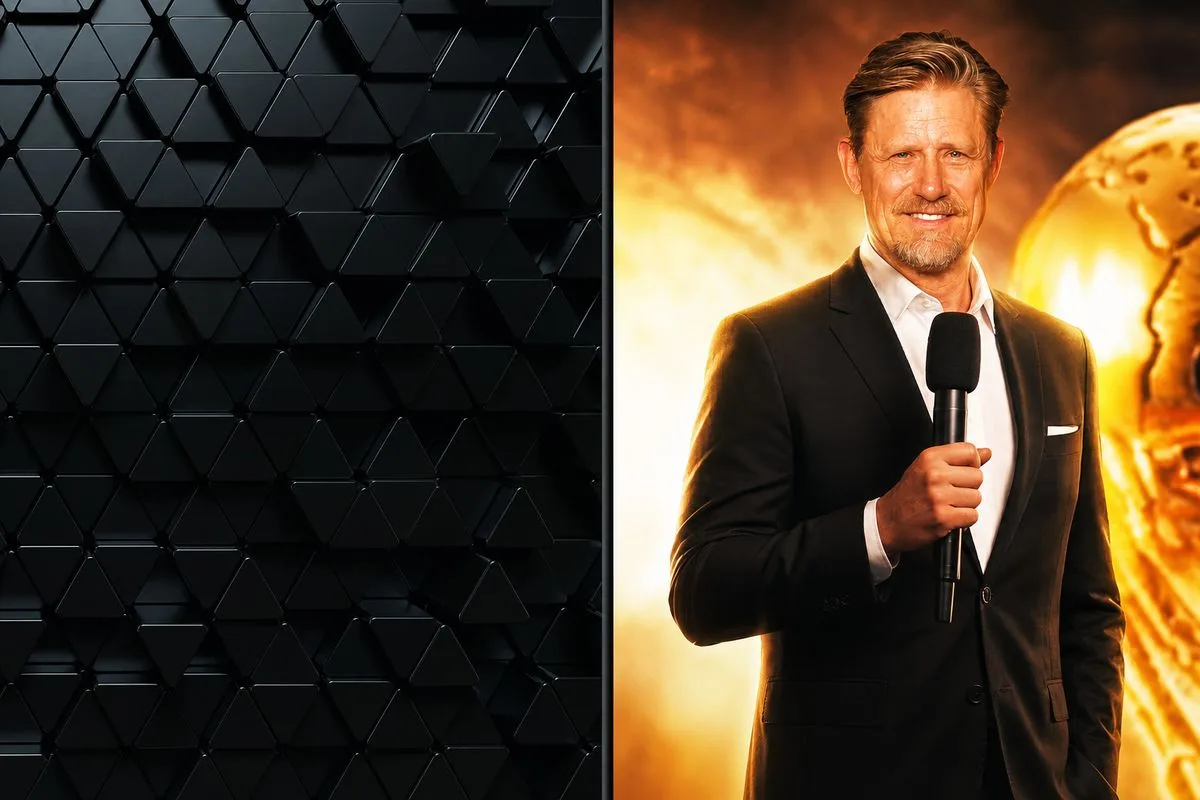
Peter Schmeichel is back on the biggest stage, this time with a microphone
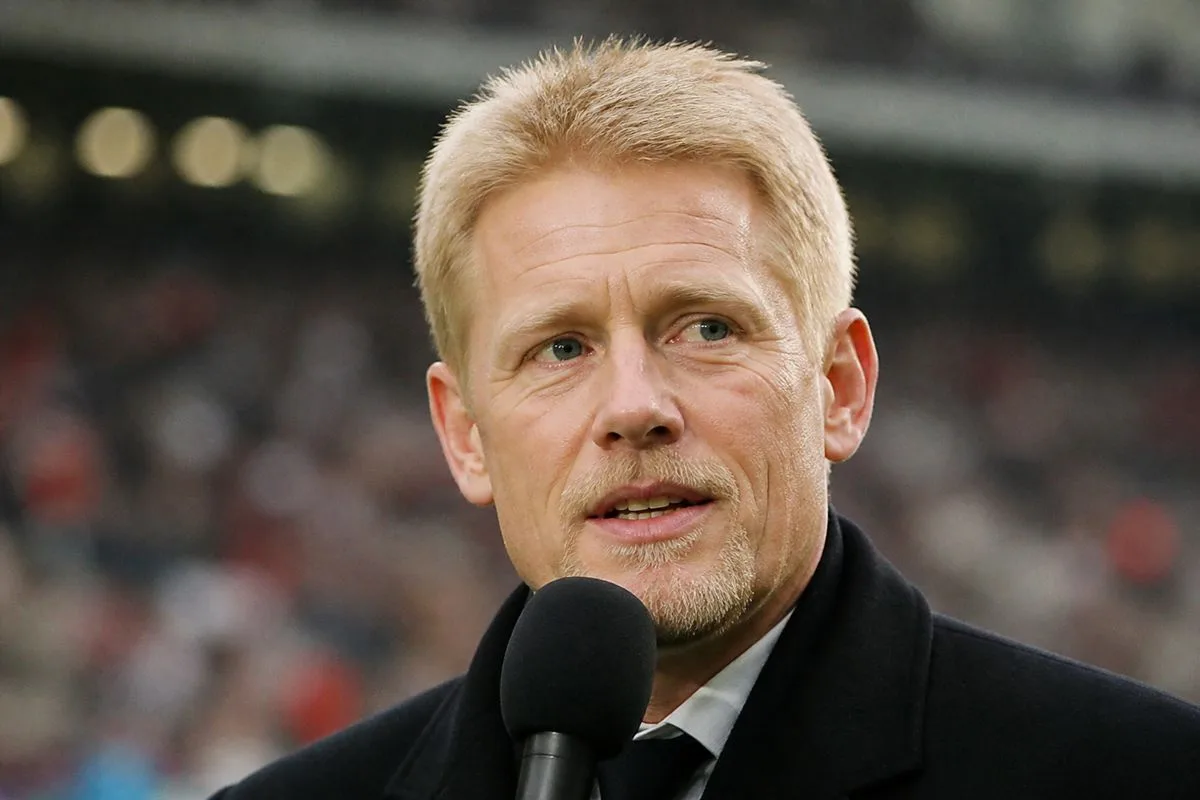
Peter Schmeichel is returning to FOX Sports for the 2026 FIFA World Cup, a move that underlines how seriously the network is treating a tournament that is already being billed as a production and programming behemoth. FOX Sports confirms Schmeichel will be part of its broadcast crew for the World Cup running from 11 June to 19 July 2026, with the former Manchester United and Denmark goalkeeper describing his excitement at rejoining the team and counting down to the opening match on 11 June.
It is not hard to see why FOX wants him. Schmeichel is one of football’s most recognisable goalkeepers, a Champions League winner, a European Championship winner, and a player whose career spans the Premier League’s modern rise. But he is also, crucially, a seasoned television analyst. FOX frames him as “one of the best TV analysts in the world of soccer”, and the network is clearly leaning into that blend of credibility and communication.
And there is a bigger story here than one famous name signing on. The 2026 World Cup is set to be the largest ever, with 104 matches scheduled. FOX is positioning its coverage as its “largest World Cup production and broadcast slate to date”, and the recruitment of Schmeichel sits alongside a broader strategy: stack the studio with global icons, make the analysis feel premium, and keep casual viewers watching between kick-offs.

What FOX Sports has announced, dates, matches, and the scale of the 2026 plan
FOX Sports says it will carry all 104 matches live across its channels, with 69 matches on FOX and 35 on FS1. The network also states that every match will be live streamed on FOX One and the FOX Sports App. In other words, the pitch is simple: wherever a viewer is, FOX wants to be the default destination.
The network also highlights the importance of scheduling, noting that a record 40 matches, more than one third of the tournament, will air in prime time across FOX and FS1. It breaks that down as 21 prime-time matches on FOX and 19 on FS1. For advertisers and for audience growth, prime time is the battleground. And for viewers, it is the difference between “I’ll catch highlights later” and “I’ll sit down and watch this properly”.
Schmeichel’s own quote, released by FOX Sports, is telling because it focuses on atmosphere and storytelling as much as tactics. He says he is “so happy” to be joining the team again for a “special” World Cup, and he points to the fans and “amazing atmospheres” as something he wants to experience and then translate into insights for viewers. That is the job now: not just to explain what happened, but to make the audience feel like they are there.
FOX also frames Schmeichel as the latest in a run of high-profile additions. The network has already announced a line-up that includes Clarence Seedorf, Javier Hernández, Zlatan Ibrahimović, and Thierry Henry. It also says Rebecca Lowe will make her FOX Sports debut as one of the tournament hosts. The message is unmistakable: this is not a modest studio show. It is a celebrity analyst bench, built to match the scale of the event.
Peter Schmeichel’s playing career, why his voice still carries weight
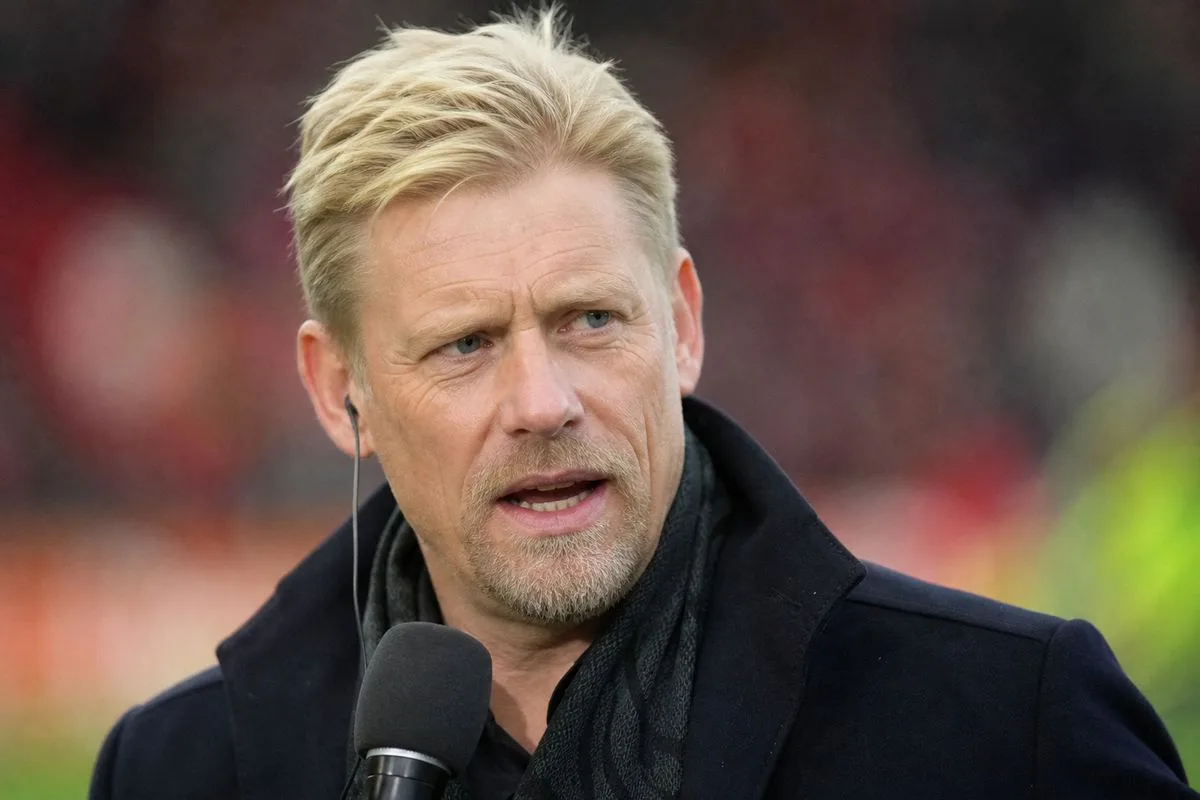
To understand why this appointment matters, it helps to remember what Schmeichel represents in football culture. He is not just a former player. He is a reference point, for goalkeeping, for leadership, and for the era when Manchester United became a global television product. FOX notes his “storied” career and the legacy of a 20-year playing run that takes in Denmark and the Premier League.
Schmeichel’s club journey begins in Denmark with spells at Gladsaxe-Hero, Hvidovre, and Brøndby, before the move that defines his career: joining Manchester United in 1991. From there, his path includes Sporting CP in Portugal and a return to England with Aston Villa and Manchester City. That breadth matters for punditry. He has lived different football cultures and different dressing rooms, and he has seen how pressure changes when the badge changes.
At United, FOX credits him with winning 15 trophies and helping captain the club to victory in the 1999 UEFA Champions League final, completing the historic treble. Those are not just shiny medals. They are experiences that shape how a former player reads moments of stress: a team protecting a lead, a goalkeeper managing a defence that is wobbling, or a side chasing a game and leaving itself exposed.
Internationally, Schmeichel is part of Denmark’s modern football identity. He plays for the Denmark squad that wins the 1992 European Championship, and FOX states he is Denmark’s third most capped player of all time with 129 matches between 1987 and 2001. He also plays at the 1998 FIFA World Cup. For a World Cup broadcast, that matters. He knows what tournament football feels like, the rhythm of it, the weirdness of it, and the way one mistake can swallow a month of preparation.
Peter Schmeichel as a broadcaster, and why FOX is building a “legends” studio
There is a reason networks keep hiring ex-players, and it is not just name recognition. The best analysts can translate elite decision-making into language that makes sense to everyone, from the tactical obsessive to the viewer who tunes in because it is a big occasion. FOX explicitly sells Schmeichel as an elite analyst, and his return suggests the network values continuity as well as star power.
What stands out in FOX’s announcement is the sheer density of famous football names. Seedorf, Hernández, Ibrahimović, Henry, and now Schmeichel. That is a deliberate editorial choice. It signals that FOX wants the studio to feel like a football dressing room of icons, with strong opinions, strong personalities, and a sense that anything could be said (within reason). That kind of energy is valuable during a long tournament when there are multiple matches a day and viewers can drift.
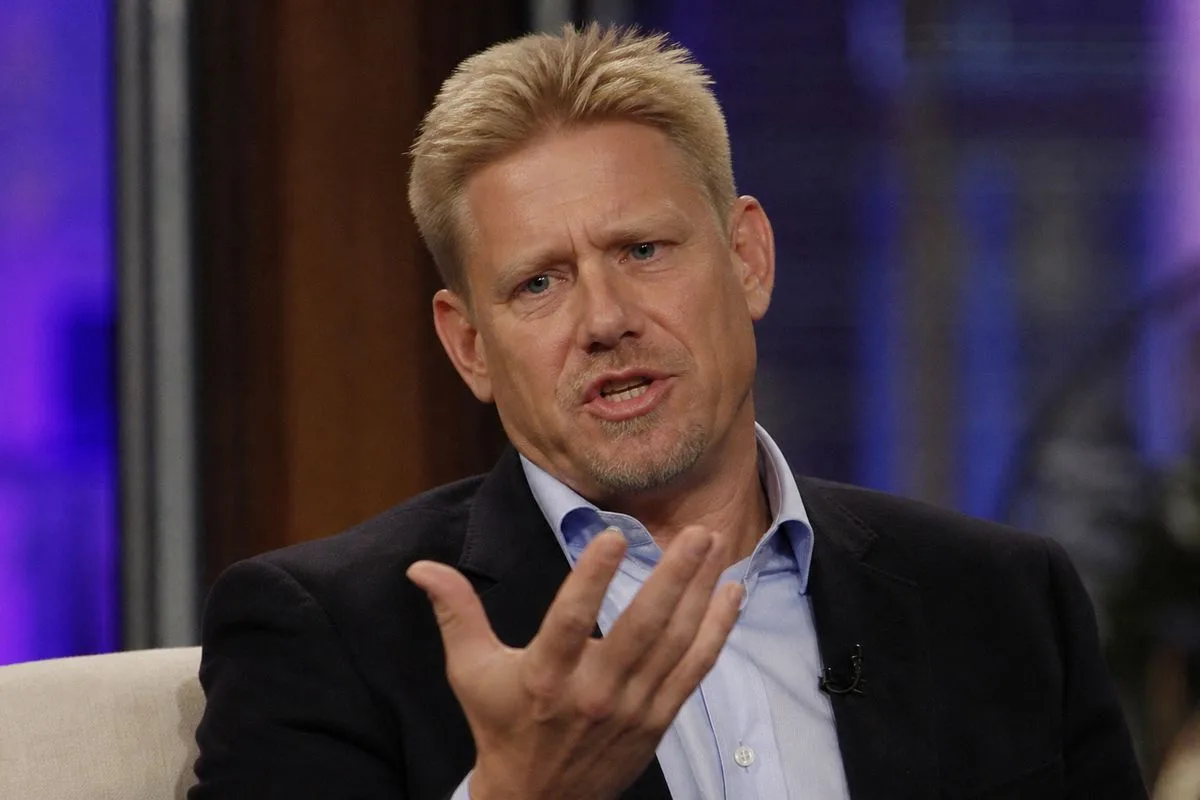
But there is also a risk with “legends” panels, and it is worth saying out loud. Big names can become a gimmick if the analysis is shallow. The best broadcasts balance charisma with clarity. Schmeichel’s advantage is that his position, goalkeeper, naturally lends itself to explaining details viewers miss: starting positions, angles, communication, the psychology of set pieces, and the split-second judgement calls that decide games.
Rebecca Lowe’s involvement, as described by FOX, adds another layer. A strong host keeps the show moving, manages egos, and makes sure the audience gets answers rather than just banter. With a cast this famous, that role becomes even more important. And if FOX gets the chemistry right, it can turn studio segments into must-watch television rather than background noise.
What this means for World Cup coverage, goalkeeping analysis, and the wider football media industry
Schmeichel’s return is a reminder that the World Cup is not only a sporting event, it is a media event. FOX is competing for attention in a crowded entertainment landscape, and it is doing it with scale, accessibility, and recognisable faces. The promise of every match live, plus streaming options, is about removing friction. The promise of Schmeichel and other legends is about adding value once the viewer arrives.
There is also something more specific here: the growing prominence of goalkeeping analysis. For years, mainstream coverage often treated goalkeepers as either heroes or villains, with little in between. That is changing. Modern football is obsessed with build-up play, pressing, and risk management, and goalkeepers are central to all of it. A former elite goalkeeper can explain why a keeper chooses to punch rather than catch, why a defence sets up a certain way, or why a “mistake” is sometimes a structural problem created 30 metres up the pitch.
From an industry perspective, FOX’s approach reflects a broader trend in sports broadcasting: premium talent as a differentiator. Rights packages are expensive, and networks need reasons for viewers to choose their coverage rather than highlights, clips, or social media commentary. A studio full of famous names is one way to do that. Another is to make analysis feel authoritative. Schmeichel helps with both, because he brings the aura of a winner and the ability to speak from direct experience.
And then there is the subtle reputational effect. When a network can say it has Schmeichel, Henry, Ibrahimović, Seedorf, and Hernández, it signals seriousness to future talent, to sponsors, and to audiences. It becomes easier to sell the broadcast as an event in itself. That matters over a five-week tournament, when the narrative is not just what happens on the pitch, but how it is framed and remembered.
Peter Schmeichel’s legacy, from 1992 to 1999 to the modern World Cup era
Schmeichel’s story also works because it connects different eras of football. Denmark’s 1992 European Championship win remains one of the sport’s great tales, and Schmeichel is central to that team’s identity. Manchester United’s 1999 treble is another cultural landmark, not only for United supporters but for the Premier League’s global brand. When Schmeichel speaks about pressure, leadership, or momentum, he is not theorising. He is drawing on moments that have become part of football folklore.
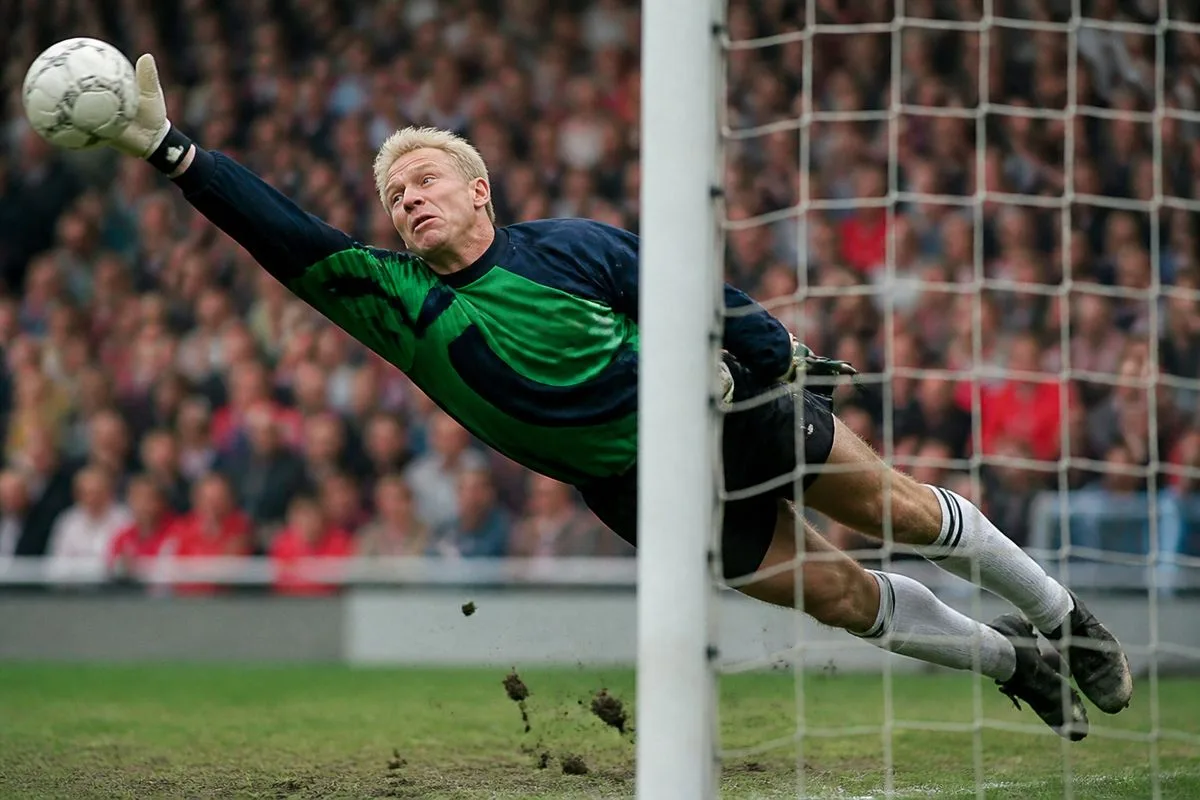
That historical weight can enrich a World Cup broadcast, especially when the tournament itself is designed to feel bigger than ever. FOX’s schedule, with 104 matches and a heavy prime-time push, suggests a World Cup that is constantly present. In that environment, viewers need context. They need someone to say, calmly, “This is what tournament football does to teams,” or “This is why a goalkeeper’s body language matters,” or “This is how captains keep a squad steady.” Schmeichel is well placed to do that.
It is also worth noting how rare it is for a goalkeeper to become a global media figure on the same level as outfield superstars. Strikers sell highlights. Midfielders sell aesthetics. Goalkeepers sell nerve. Schmeichel’s personality, his leadership reputation, and his career achievements make him an exception. That is part of why his presence in a studio can change the tone of the conversation, pulling it away from pure glamour and towards the gritty mechanics of winning.
And for younger viewers, there is a discovery element. Not everyone watching in 2026 remembers 1998, let alone 1992. A broadcast that uses Schmeichel well can bridge that gap, turning history into something relevant rather than dusty. That is how you build new fans, not by lecturing them, but by making the past feel alive in the present.
What’s Next
The immediate next step is straightforward: FOX will integrate Schmeichel into its on-air plans as the tournament approaches, with the World Cup beginning on 11 June 2026 and running through 19 July 2026. The bigger question is how FOX chooses to deploy him. Will he be used primarily as a studio analyst breaking down key moments, or will the network lean into feature-style storytelling, using his experience to explain the mental side of tournament football? Either can work, but the best coverage usually mixes both, sharp tactical analysis and human narrative.
There is also the chemistry factor. FOX’s line-up is stacked with strong personalities, and that can go two ways. It can produce genuinely insightful debate, the kind that makes viewers stick around after the final whistle. Or it can become noise. Schmeichel’s presence may help keep things grounded because goalkeepers tend to see the game in systems and sequences, not just in individual flair. If FOX wants a studio that feels authoritative rather than chaotic, he is a useful counterweight.
Longer term, this appointment hints at where football broadcasting is heading. Networks are increasingly building “talent rosters” that extend beyond one tournament, creating familiarity so audiences feel they know the voices guiding them through the sport. If Schmeichel’s 2026 role lands well, it would not be surprising to see FOX keep him involved in other major competitions. Not because nostalgia sells, although it does, but because viewers respond to analysis that feels earned. And Schmeichel has certainly earned his platform.
Closing thoughts, a familiar face for a very new World Cup
For FOX Sports, bringing Peter Schmeichel back is both a statement and a practical decision. The statement is about ambition: this is a World Cup broadcast designed to feel massive, with 104 matches, heavy prime-time scheduling, and a studio full of global football names. The practical decision is about trust: Schmeichel is a proven figure in the game and, according to FOX’s own framing, a proven analyst on television.
For viewers, the appeal is simple. A World Cup is a lot to take in, especially one of this size. Matches blur into each other, narratives shift daily, and the pressure on players is relentless. Having a voice like Schmeichel’s, someone who has lived the stakes at club and international level, can help make sense of it all. Not with hype. With clarity.
And that is the point. In 2026, the World Cup is bigger, louder, and more omnipresent than ever. But the game still turns on the same things it always has, decision-making, leadership, and moments of nerve. Few people are better placed to talk about those moments than Peter Schmeichel.