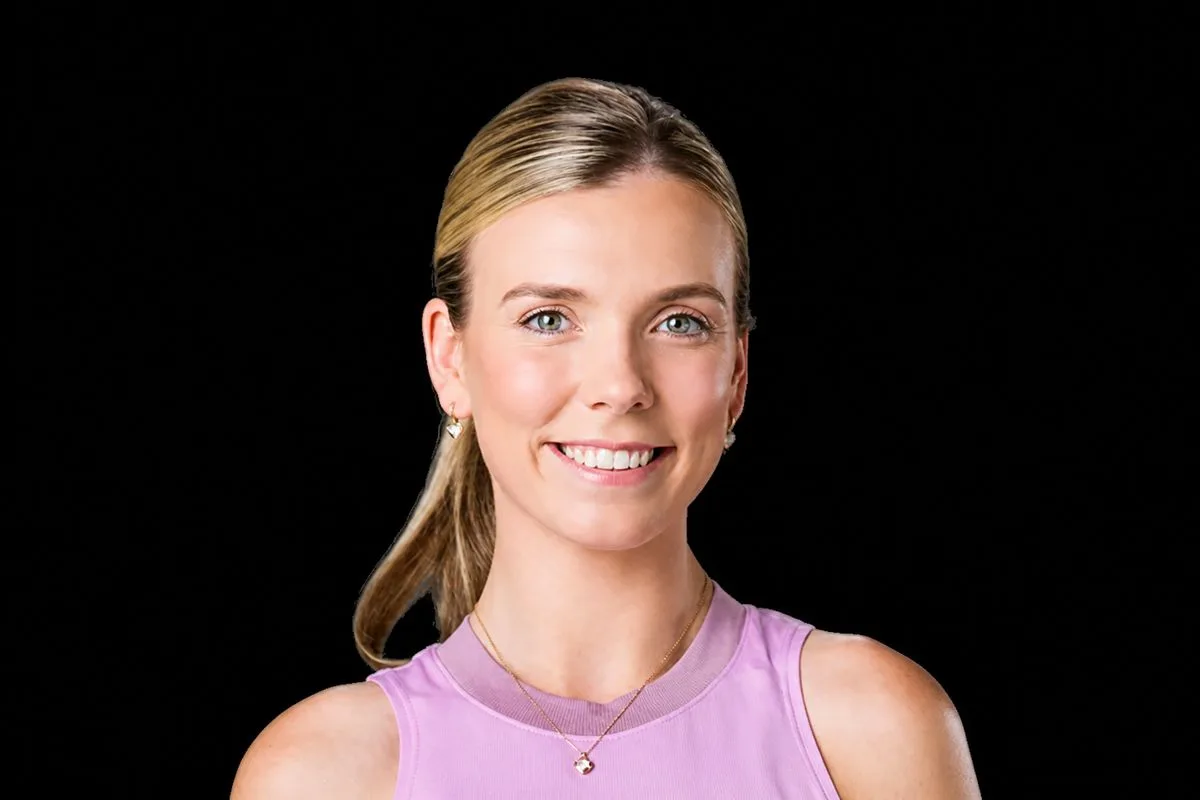
Katie Boulter walks into Wuhan with momentum, and a problem
Katie Boulter arrives at the Wuhan Open 2026 with the sort of recent form that looks reassuring on paper, and the sort of first round draw that makes players sigh when they see it. The British number one is handed 11th seed Diana Shnaider in round one of the WTA 1000 event, a match-up that has already become a recurring subplot over the last three seasons. And yes, it is a big deal, because Wuhan is not a gentle place to find rhythm.
The tournament runs from 12 to 18 October 2026, and the draw sets up a clear early narrative: can Boulter turn her recent habit of starting tournaments well into a statement win against a top tier opponent, or does Shnaider’s ranking and weight of expectation tell in the big moments? This is not a mystery opponent, either. It is their third meeting in three years, with Shnaider winning the two previous encounters listed in the head to head record.
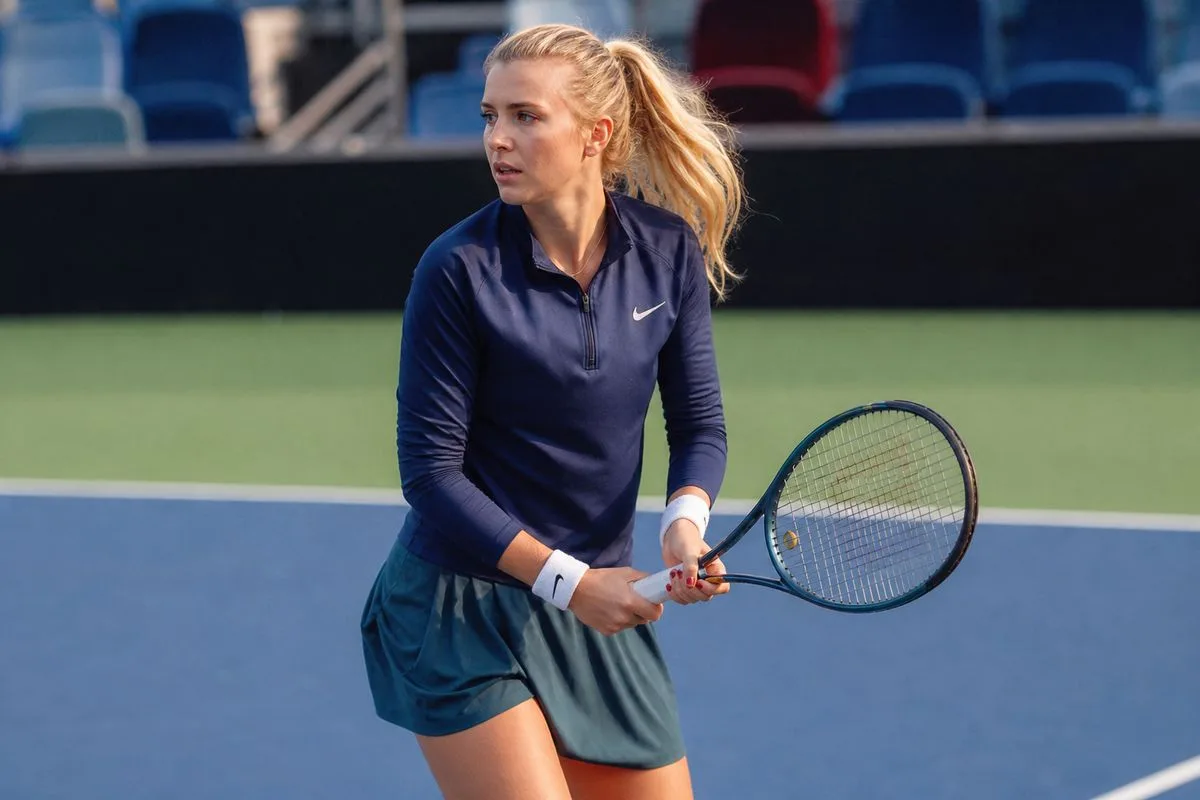
There is also a wider British storyline humming in the background. Sonay Kartal is in the same main draw, and the LTA frames the week as a tough assignment for both players. But Boulter is the headline act here, because she is the established name, the one expected to carry British hopes deep into big events. Wuhan, with its WTA 1000 status, is exactly the kind of stage where those expectations get tested properly.

Katie Boulter vs Diana Shnaider: what the Wuhan Open draw actually sets up
The immediate news is simple: Boulter draws Shnaider in the opening round, with Shnaider seeded 11th. The ranking gap underlines the scale of the task. Boulter is listed at world No.54 in singles, while Shnaider is No.13. That is not a small difference in WTA terms, especially at a WTA 1000 where the depth is relentless and the margins are thin.
It is also a match-up with recent history. The pair meet at the WTA London event on 12 June 2025, where Shnaider wins in three sets after a tight battle. Before that, they play at WTA Hong Kong on 3 November 2024, another Shnaider win in three. So, from Boulter’s perspective, it is not just about beating a seed, it is about solving a specific opponent who has repeatedly found a way through.
The LTA notes that Boulter wins her first round match in her last three tournaments, including Cincinnati, the US Open and Beijing. That detail matters because it speaks to a pattern: Boulter is arriving ready to compete from day one, not spending the first match shaking off rust. But the step up from navigating early rounds to beating a top 20 calibre seed is the real question in Wuhan.
For Shnaider, the framing is slightly different. She reaches the semi-finals at Roland Garros earlier in 2026, which is a serious marker of her ceiling. Yet she is still waiting for her first title of 2026. That combination, high performance without a trophy, can cut both ways. It can sharpen hunger. Or it can add pressure, especially when a seeded player is expected to get through round one without fuss.
Who is Katie Boulter right now, and why Wuhan matters
Katie Boulter is 30 years old, born 1 August 1996, and is listed at 6'0" (182 cm). She turns professional in 2013 and plays right-handed. Her career-high singles ranking is No.23, which is a useful reference point because it shows she has already proven she can live in that higher tier, even if she is currently ranked No.54. In other words, the ceiling is not theoretical. She has touched it.

Wuhan matters because it is a WTA 1000, the level where ranking points and confidence swings can be dramatic. A deep run changes a season. A big win changes a player’s perceived level, sometimes overnight. And for Boulter, who is aiming for her third top 20 win of the season according to the LTA, this is the kind of match that can either validate that ambition or expose the gap that still needs closing.
There is also the practical reality of the calendar. Wuhan sits in a demanding part of the season, when bodies are tired and motivation has to be managed. Boulter’s recent sequence, Cincinnati, the US Open, Beijing, suggests she is putting in the hard yards. Fair enough. But it also means she needs to be efficient in matches, because long, draining three-setters early in a WTA 1000 can wreck the rest of the week.
And then there is the psychological angle. Boulter has lost twice to Shnaider in their last two meetings. That does not decide the third match, but it does shape the preparation. Players do not forget patterns, especially the ones that sting. The challenge is to keep the belief that the match-up can be flipped, while being honest about what has not worked before.
Why Diana Shnaider is such a tough draw for Katie Boulter
Diana Shnaider is 22 years old, born 2 April 2004, and is listed at 5'7" (170 cm). She turns professional in 2021 and plays left-handed, which immediately adds a layer of complexity for any right-hander. Lefty patterns, especially on serve and the first ball, can force uncomfortable return positions and rushed decisions. It is not an excuse, it is just the geometry of tennis.
Shnaider’s ranking profile is striking. She is No.13 in singles and No.18 in doubles, with a career-high singles ranking of No.11. That combination suggests an all-court skill set and a comfort in different match situations, including the quick problem-solving that doubles often demands. Boulter, by contrast, is listed at No.291 in doubles, which does not mean she cannot volley, but it does hint at where each player spends their competitive energy.
The LTA’s note that Shnaider makes the semi-finals at Roland Garros in 2026 is the biggest single clue about her level. A semi-final at a major is not a fluke week. It usually means a player has the physical base, the tactical discipline, and the nerve to win multiple high pressure matches in a row. Bringing that calibre into a first round at Wuhan is, frankly, rough luck for an unseeded opponent.
And yet, Shnaider is still chasing her first title of 2026. That is a fascinating tension. It can mean she is consistently good but not quite closing. Or it can mean she is peaking at the wrong times. Either way, it makes her dangerous in early rounds, because she has something to prove and points to protect. Seeds do not like wobbling in round one, and Shnaider has the ranking that comes with expectation.
Tactics and pressure points: what decides Katie Boulter vs Shnaider in Wuhan
At this stage, the match is best understood through match-up dynamics rather than any single stat line, because the available source material focuses on rankings, history, and the draw. Still, a few concrete details stand out. Boulter is the taller player at 182 cm, which often correlates with serve potential and first strike tennis. Shnaider, at 170 cm and left-handed, is likely to look for angles, variation, and patterns that pull Boulter off her preferred hitting zones.
The head to head record is the obvious pressure point. Shnaider wins both previous meetings listed, each in three sets. That matters because it suggests Boulter is not being blown off the court. She is getting into the contest, taking sets, and pushing it deep. But it also suggests Shnaider has been better at the end, when legs go and choices get tight. If Boulter wants to change the story, she probably needs to be cleaner in the moments that decide sets, the break points, the late service games, the tie-break type stretches where one loose game can undo forty minutes of good work.
There is also the form line coming in. The LTA says Boulter wins her first round match in her last three tournaments, Cincinnati, the US Open and Beijing. That is a sign of readiness, but it can also hide a truth: winning early rounds is one thing, beating a top seed is another. The jump is not just technical, it is mental. Against a top 15 player, the opponent does not go away when things get awkward. They stay there, they keep asking questions, and they punish short dips.
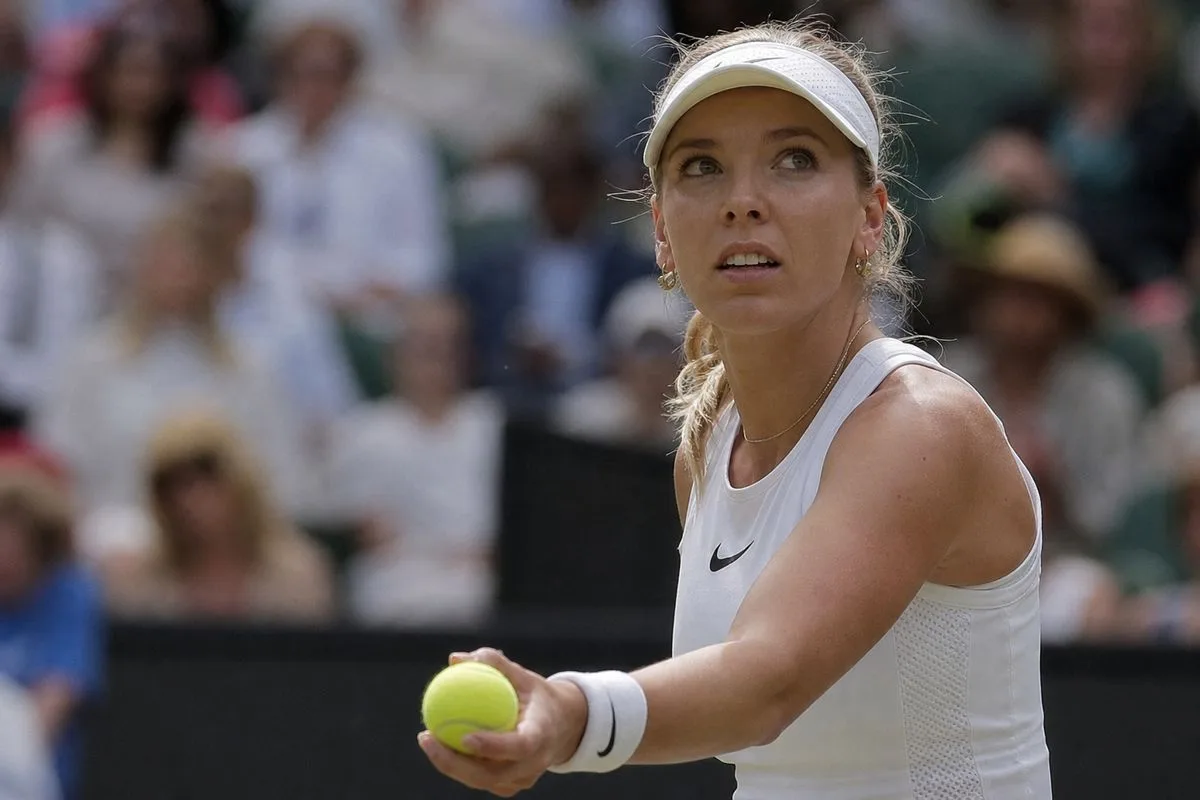
And then there is the wider draw context. Wuhan is a WTA 1000, and the LTA notes that the event is broadcast on Sky Sports and NOW TV. That visibility adds a layer of scrutiny for British players, especially Boulter, who is often treated as the barometer for British women’s tennis week to week. It is not exactly groundbreaking to say pressure exists, but it is worth stating plainly: a first round match can feel like a final when the narrative is already written for you.
British tennis in Wuhan: the Boulter and Kartal subplot
While the headline is Katie Boulter’s draw, the British presence in Wuhan is broader. Sonay Kartal is also in the main draw and faces Ukraine’s Anhelina Kalinina in the first round. The LTA describes Kartal as playing only her third tournament since returning from long-term injury, which frames her week differently. For Kartal, simply stacking matches and building robustness is part of the mission.
The draw also sets up a potential second round clash for Kartal with fourth seed and reigning Wimbledon champion Linda Noskova, if Kartal gets past Kalinina. That is a reminder of what WTA 1000 events are like. There are no soft routes. One good win and suddenly a player is staring at a top seed with a major title next to her name.
In doubles, Olivia Nicholls and partner Tereza Mihalikova open against Hao-Ching Chan and Miyu Kato. Maia Lumsden teams up with Alexandra Panova to face Hanyu Guo and Kristina Mladenovic. Those details matter because they show Britain’s depth across disciplines, even if the singles spotlight tends to swallow everything else.
But the central British question remains Boulter’s. Can she convert the steady progress implied by those recent first round wins into a run that shifts her ranking back towards her career-high territory? Wuhan is not the only chance to do that, but it is one of the biggest remaining stages in October. And it is happening now, not in some hypothetical future season.
What Katie Boulter’s Wuhan test says about the WTA right now
This draw is a neat snapshot of the modern WTA. The gap between No.54 and No.13 is meaningful, but it is not a guarantee. Players outside the top 50 can absolutely beat seeds, especially when they bring a clear weapon and a confident mindset. At the same time, the tour is deep enough that a player can be ranked in the 50s and still be a genuine threat, particularly on a good week.
It also highlights how quickly reputations form. Shnaider is 22, already a Roland Garros semi-finalist in 2026, already a top 15 player, and already someone who has a positive head to head against Boulter. That is fast. And it means established players like Boulter are constantly being asked to adapt, not just to new names, but to new styles and new patterns that are arriving fully formed.

For Boulter, the ranking context is tricky but not bleak. A career-high of No.23 shows she has already done the hard part once, breaking into that upper bracket. The challenge is sustaining it, and that often comes down to two things: beating seeded players more regularly, and avoiding early exits that drain points and confidence. A win over the 11th seed in Wuhan would tick the first box in a very loud way.
And there is a final point that tends to get overlooked. Shnaider is still waiting for her first title of 2026, despite the Roland Garros run. That is a reminder that tennis success is not linear. Players can be brilliant in one setting and oddly stuck in another. Wuhan, with its fast pace and high stakes, is the sort of environment that can either unlock a run or expose a wobble. Boulter will be hoping it is the latter.
What This Means For You
For fans searching for Katie Boulter right now, the practical takeaway is that Wuhan is a genuine measuring stick week, not a routine tour stop. The first round opponent is Diana Shnaider, the 11th seed, ranked No.13, and a player who has beaten Boulter twice in their last two meetings. So if the result goes Boulter’s way, it is not just another win. It is a signal that she is closing the gap to the top tier again.
For anyone following British tennis more broadly, it is worth watching how Boulter handles the specific pressures of a WTA 1000 first round against a seed. Does she start fast, as her recent run of first round wins suggests she can? Does she stay aggressive when the match tightens? Those are the clues that tell you whether a player is building towards a bigger season, or simply surviving week to week. And yes, those details matter more than the final scoreline sometimes, because they hint at what comes next.
And for recreational players, there is a simple lesson in the match-up itself. Boulter is facing a left-hander with a strong ranking profile and recent Grand Slam pedigree. That kind of opponent forces clarity: serve targets, return positioning, and the willingness to stick to a plan when it gets uncomfortable. Watching how Boulter problem-solves in real time is genuinely useful, because it mirrors what club players face in miniature, the opponent who makes your favourite patterns feel awkward.
Closing thoughts: a familiar opponent, and a chance to flip the script
Katie Boulter’s Wuhan Open 2026 story begins with a tough draw, and there is no point pretending otherwise. Diana Shnaider is seeded 11th, ranked No.13, and holds a 2-0 edge in their recent head to head meetings listed. Add in Shnaider’s Roland Garros semi-final run earlier in 2026, and it is clear why this is framed as a serious opening hurdle.
But the flip side is that Boulter comes in with a run of early round wins across Cincinnati, the US Open and Beijing, and she is explicitly chasing her third top 20 win of the season. That is not the language of a player just making up numbers in a draw. It is the language of someone who believes she belongs in these matches, even if the ranking currently says otherwise.
Wuhan, as ever, will not wait around. One match can change the tone of a week, or the tone of a month. If Boulter finds a way past Shnaider, the narrative shifts quickly from tough draw to dangerous floater. If she does not, the questions will be familiar, about how to turn good stretches into wins against the very best. Either way, this is the kind of first round that tells you something real.