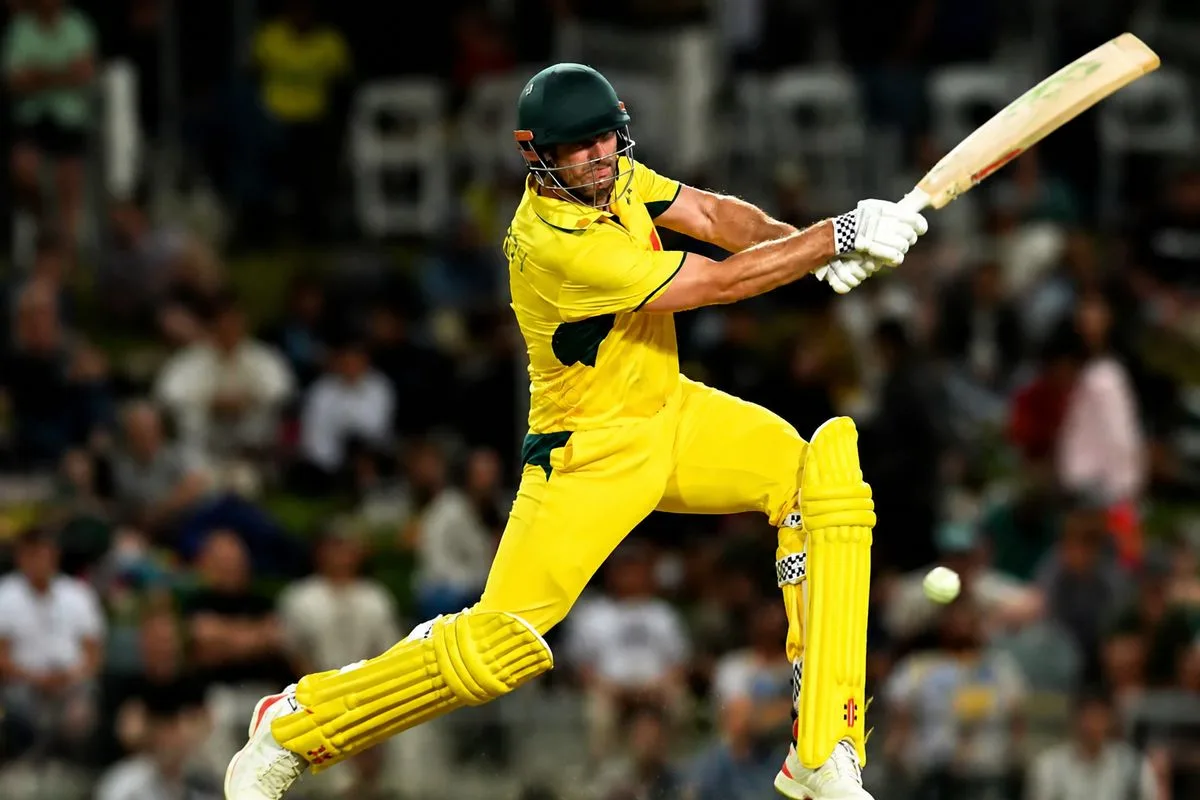
England vs Australia returns, and the timing is no accident
England vs Australia is back on the calendar in November 2026, and it lands with the kind of low-key significance that only white-ball cricket can manage. Not a World Cup, not an Ashes summer, but still a proper barometer series, three ODIs from 13 to 18 November 2026, followed by a five-match T20I run. And because it is played in Australia, the practical question most fans ask first is brutally simple: how do you actually watch it live, and when do you need to be awake?
The headline development here is the broadcast and streaming picture for the ODI leg of the tour, plus the confirmed match schedule and start times across major territories. Australia’s home coverage sits with Fox Cricket on TV and Kayo Sports for streaming. In the UK and Ireland, the series is on TNT Sports, with BBC radio also carrying audio coverage. India gets Eurosport on television and Fancode for streaming. And for North America, it is Willow TV and the Willow streaming service.
But the other big deal is leadership. Australia are captained by Mitchell Marsh, while England tour under Harry Brook. That alone tells a story about where both sides are in their white-ball cycles. It is not exactly a nostalgia tour. It is a look forward, with two captains who signal intent, aggression, and a willingness to live with the chaos that modern ODI cricket brings.
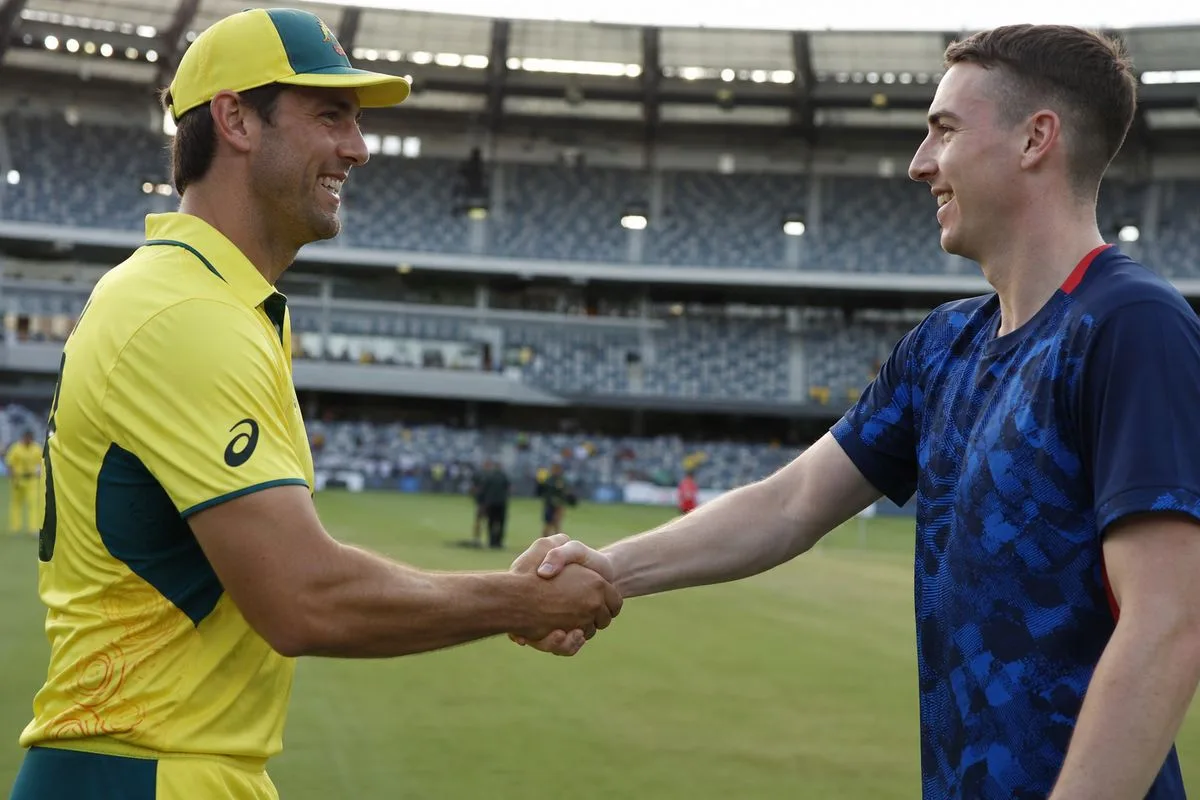

England vs Australia ODI series 2026: fixtures, venues, and start times
The ODI series is compact, three matches in six days, spread across three very different grounds. It starts at Perth Stadium on 13 November 2026, moves to Adelaide Oval on 15 November 2026, then finishes at Bellerive Oval, Hobart on 18 November 2026. All three matches have the same listed start time in Australia’s east: 2:30 p.m. AEDT. Locally in Perth, that translates to an 11:30 a.m. AWST start.
For UK viewers, the numbers are less friendly. The ODIs begin at 3:30 a.m. GMT in the UK and Ireland. India gets a far more civilised morning start at 9:00 a.m. IST. In the USA and Canada, the listed start is 10:30 p.m. EST on the previous day, which is the kind of time-zone quirk that catches people out if they are not paying attention.
Here is the ODI schedule as provided in the source material:
- 1st ODI, 13 November 2026, Perth Stadium, Perth, 2:30 p.m. AEDT
- 2nd ODI, 15 November 2026, Adelaide Oval, Adelaide, 2:30 p.m. AEDT
- 3rd ODI, 18 November 2026, Bellerive Oval, Hobart, 2:30 p.m. AEDT
And the cross-region start times highlighted in the coverage are clear enough to plan around: UK and Ireland 3:30 a.m. GMT, India 9:00 a.m. IST, New Zealand 4:30 p.m. NZDT, South Africa 5:30 a.m. SAST, and UAE 7:30 a.m. GST. It is not glamorous, but it is the reality of following England in Australia, the alarm clock becomes part of the ritual.
How to watch England vs Australia live: TV channels, streaming, and radio coverage
The broadcast map for England vs Australia in 2026 is unusually straightforward, at least in the major markets. In Australia, the ODI and T20I matches are on Fox Cricket with streaming via Kayo Sports. That is the core domestic pairing, and it matters because it sets the tone for how the series is packaged, promoted, and discussed locally.
There is also a strong radio layer in Australia, which is easy to overlook if the conversation is all apps and smart TVs. The source material lists ABC Sports, SEN, and Triple M as radio providers. That is not just a nice extra. Radio remains the format many fans use while commuting, working, or watching with the sound off (fair enough, not everyone wants constant graphics and sponsor reads).
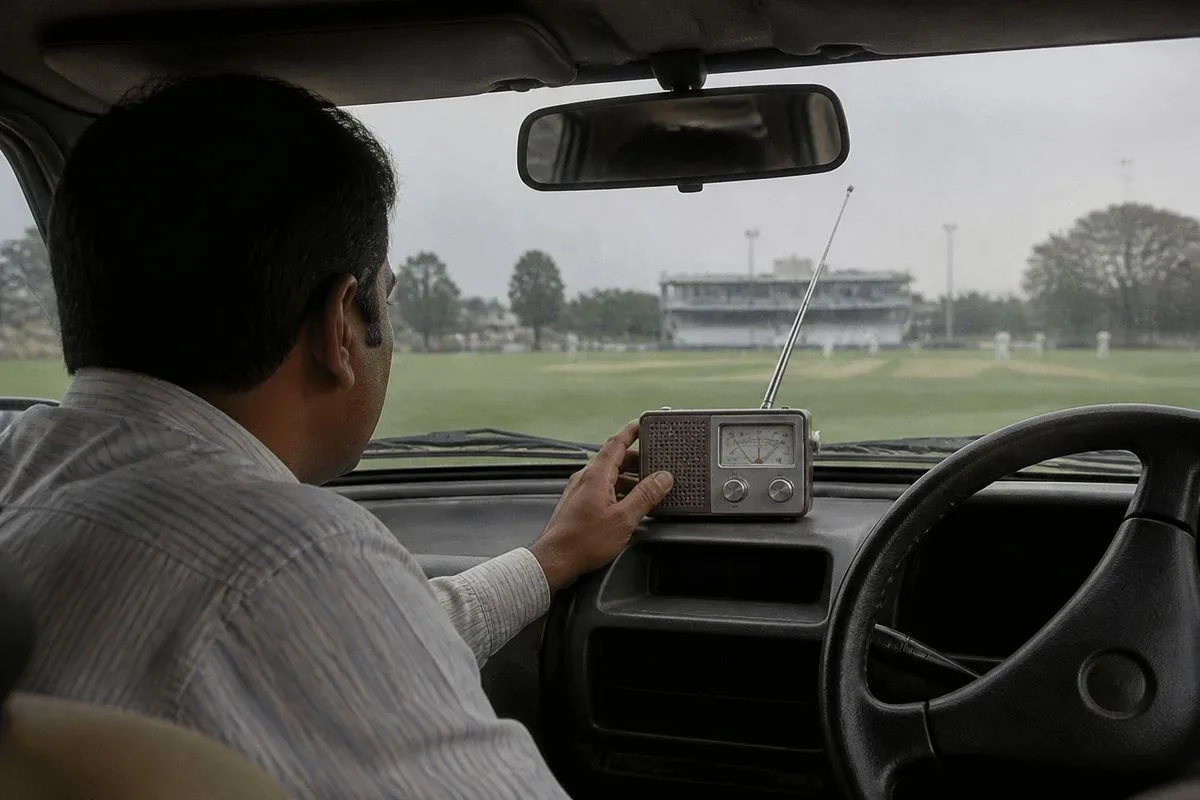
In the UK and Ireland, the series is carried by TNT Sports. Streaming details are not specified in the source material, so it would be wrong to pretend there is a single confirmed app or platform for every viewer. What is confirmed is that BBC radio provides coverage, which is often the safety net for fans who cannot justify another subscription but still want ball-by-ball.
India’s arrangement is split: Eurosport on TV and Fancode streaming the three ODIs. Elsewhere, the coverage becomes more regional: Sky Sport NZ in New Zealand, SuperSport and the SuperSport app across sub-Saharan Africa, and Willow TV plus Willow streaming in the USA and Canada. The source material also lists Cricket TV for a wide set of European territories, and notes additional arrangements across the Americas, the Middle East, Asia, and the Pacific, though not every territory has a named TV channel in the information provided.
Why this England vs Australia series matters, even before a ball is bowled
Three-match ODI series can feel disposable in the modern calendar. But England vs Australia rarely is, and this one arrives with both teams needing clarity. Australia come into the series having won three of their last five games, while England have won two of their last five, according to the source material. Those are not deep analytics, but they do frame the mood. Australia are not flying, England are not settled, and neither side can pretend this is just a warm-up.
The recent context is also telling. Australia are described as coming off a 2-1 ODI tour loss in South Africa. England, meanwhile, fail to qualify for the tri-series final involving Sri Lanka and Pakistan. Again, no extra numbers are provided beyond that outcome, so the key point is direction of travel rather than margins. Both teams have had a wobble, and both will see this tour as a chance to reset narratives quickly.
England do at least arrive with one confidence boost: they win a tour match against Western Australia by 92 runs. A tour match is not an ODI, and nobody sensible should overrate it. But it does matter as a sign that the touring group is finding rhythm in Australian conditions, where bounce, pace, and big outfields can punish teams that are half-ready.
And then there is the captaincy subplot. Mitchell Marsh leading Australia is a statement about flexibility and power in the middle order. Harry Brook captaining England is a statement about backing a modern batting identity, one built around tempo and pressure rather than simply “batting deep”. Leadership shapes selection, and selection shapes style. That is why this series has edge, even if it is “only” three matches.

Captains in focus: Mitchell Marsh and Harry Brook set the tone
Mitchell Marsh as Australia’s ODI captain signals a particular kind of team. Marsh is associated with momentum shifts, the sort of player who can turn a 280 pitch into a 330 total by winning a 10-over block. A Marsh-led side is unlikely to drift quietly. If Australia lose, it tends to be noisy. If they win, it tends to be emphatic. That matters in a short series where one flat performance can decide the whole thing.
Harry Brook leading England is just as revealing. England’s white-ball identity over the last decade is built on aggression and depth, but it has also had to evolve as other teams copy the template. Brook, as touring skipper, represents the next iteration: fearless batting, yes, but also a willingness to take tactical risks. In Australia, those risks get tested immediately because grounds like Perth Stadium can make conservative cricket look timid in a hurry.
There is also a psychological angle to captaincy on tour. Australia at home are relentless about squeezing visitors, not always with fireworks, often with pressure. England’s captain has to manage more than field placings. He has to manage tempo, media noise, and the inevitable moments when the crowd senses blood. Brook’s job is to keep England playing forward, even if the first ODI goes wrong.
And for Australia, Marsh has to balance authority with the reality that this is a side still calibrating after a recent ODI series defeat in South Africa. Home conditions help, but they also raise expectations. Lose at home to England and the conversation turns quickly. Win, and it becomes a platform for the T20Is that follow, where Australia will want to look sharp and settled.
Broadcast strategy and the business of following England vs Australia in 2026
It is tempting to treat broadcast details as admin. But in 2026, distribution is part of the story. In Australia, Fox Cricket and Kayo Sports represent the familiar pay-TV and streaming bundle approach. That shapes audience behaviour. Some fans watch on the big screen, others on mobile, and plenty bounce between both. The result is that the series lives across highlights, clips, and second-screen commentary as much as it does in the live broadcast itself.
In the UK, the fact that the ODIs start at 3:30 a.m. GMT changes the consumption pattern completely. Live viewing becomes a niche commitment, the kind that hardcore supporters do with bleary eyes and strong tea. For everyone else, it becomes a highlights and radio story. That is why BBC radio coverage still matters. Audio is portable, and it fits the reality of a working day far better than a dawn start.
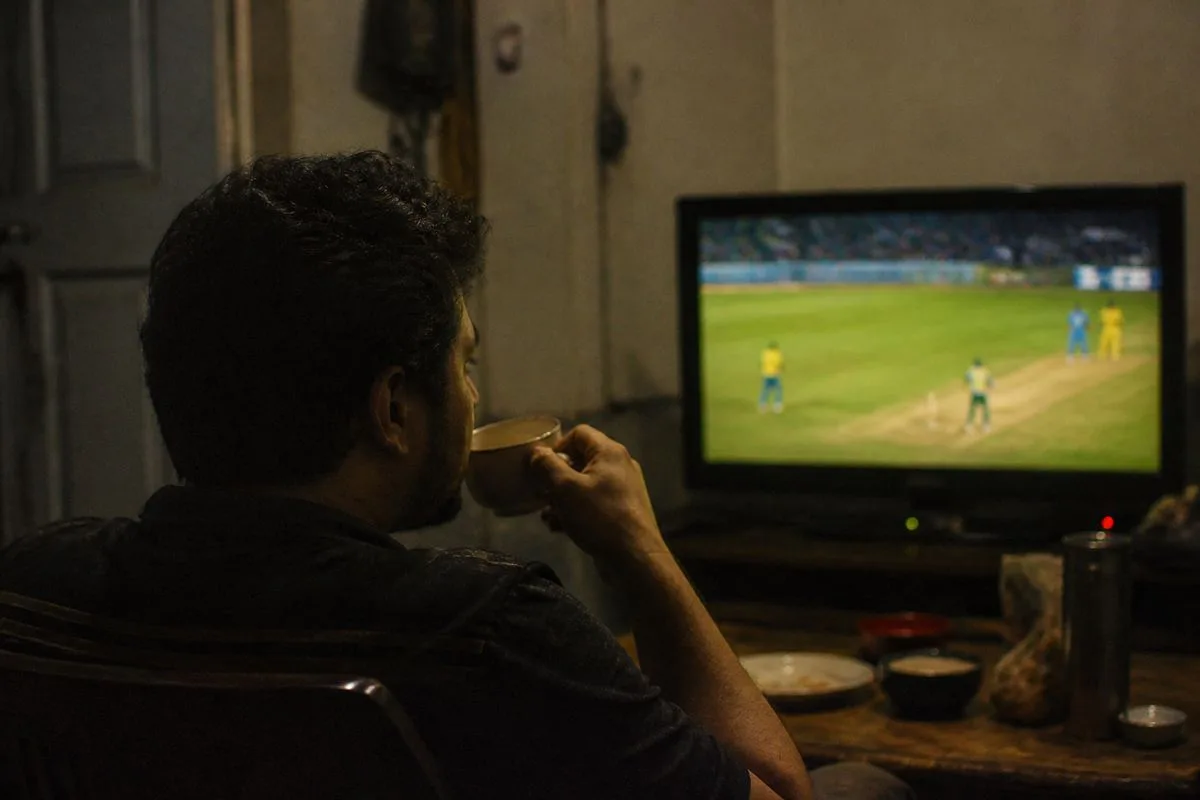
India’s split between Eurosport and Fancode is another reminder of how fragmented viewing can be. Some audiences still default to television, others to low-latency streams, and others to whatever is easiest to access on the day. The source material also lists a range of territories where a TV channel is “not listed” but streaming is available via JioHotstar in places such as Pakistan, Sri Lanka, Nepal, and Bangladesh. The key point is not the brand names, it is the direction: cricket distribution is increasingly a patchwork, and fans have to plan ahead if they want to watch legally and live.
And there is a subtle competitive angle here too. When a series is easy to find, it stays culturally loud. When it is scattered across platforms, it risks becoming background noise outside the host country. England vs Australia is big enough to cut through, but only just. The sport cannot assume attention anymore, it has to earn it, and accessibility is part of that.
What’s Next
The immediate next step is obvious: the ODI series runs through 18 November 2026, then the tour shifts into a five-match T20I series. That sequencing matters. ODIs can set the emotional tone, but T20Is often set the public verdict. If one team dominates the ODIs, the other has a quick chance to flip the narrative in the shortest format. And because both squads are led by captains associated with aggressive batting, the risk of momentum swings is high.
There is also a selection implication that tends to get missed. A three-match ODI series is short enough that teams can be tempted to “hold” players back, manage workloads, or experiment. But with five T20Is following, the tour becomes a broader audition. Players who look comfortable in Perth, Adelaide, and Hobart often earn longer rope in the T20Is. Players who look out of their depth can find themselves rotated out quickly. In other words, the ODI results matter, but the performances matter even more.
Looking slightly further ahead, this tour is a stress test of white-ball identity for both sides. Australia have to show that a recent ODI series loss in South Africa is a blip, not a trend. England have to show that failing to reach a tri-series final is not a symptom of deeper inconsistency. If either team stumble again, the conversation shifts from “form” to “direction”, and that is when boards start making bigger calls. Not instantly, not dramatically, but the pressure starts to build, and it rarely stops once it begins.
Closing thoughts: a familiar rivalry, a very modern series
England vs Australia will always sell itself on history, but this 2026 white-ball leg is about the present. Newer leadership, tight scheduling, and a global broadcast patchwork that reflects how fans actually watch sport now. The ODI series is short, but it is not trivial. It arrives with both teams carrying recent disappointments, which is often when this rivalry is at its best, slightly prickly, slightly urgent, and never entirely predictable.
For supporters, the practical takeaway is simple: know the start times, know the broadcaster in your region, and do not assume the same platform covers every format. For the teams, the takeaway is harsher. There is no time to ease into it. Perth on 13 November 2026 is the starting gun, and by Hobart on 18 November 2026, somebody is either feeling steadier or feeling exposed. And then the T20Is begin, and the whole thing speeds up again.
That is the charm and the threat of modern international cricket. It moves fast. It forgets quickly. But when England and Australia share a field, even a three-match ODI series can feel like a referendum on where each side is headed. That is why people will still set alarms for 3:30 a.m. It is a big deal, even if it pretends not to be.