Kings vs Thunder, a brutal home truth for Sacramento
Kings vs thunder is supposed to be a regular season fixture that tells you something useful about two Western Conference teams. On 15 November 2026, it does, just not in the way Sacramento wants. Oklahoma City walks into Golden 1 Center and leaves with a 125 to 103 win, while the Kings remain winless at home, a staggering 0 to 7 in their own building.
The context matters because this is not a one off bad night. Sacramento arrives at this game at 1 to 11, sitting 14th in the West, and the home record is the headline inside the headline. Oklahoma City, 8 to 5 coming in, looks like a team that knows what it is even when it is missing key pieces. Sacramento looks like a team still searching for a coherent identity, and the crowd (what there is of it) is watching partly out of loyalty and partly out of disbelief.
There is also a weird emotional whiplash to this particular matchup. The Kings Herald frames it with gallows humour, but the underlying point is serious: Sacramento is trying to “dust off the beam” at home for the first time since 10 April 2026. That is a long time in NBA terms. And when a franchise is reduced to clinging to the memory of a single home celebration, it tells you how quickly optimism can evaporate.
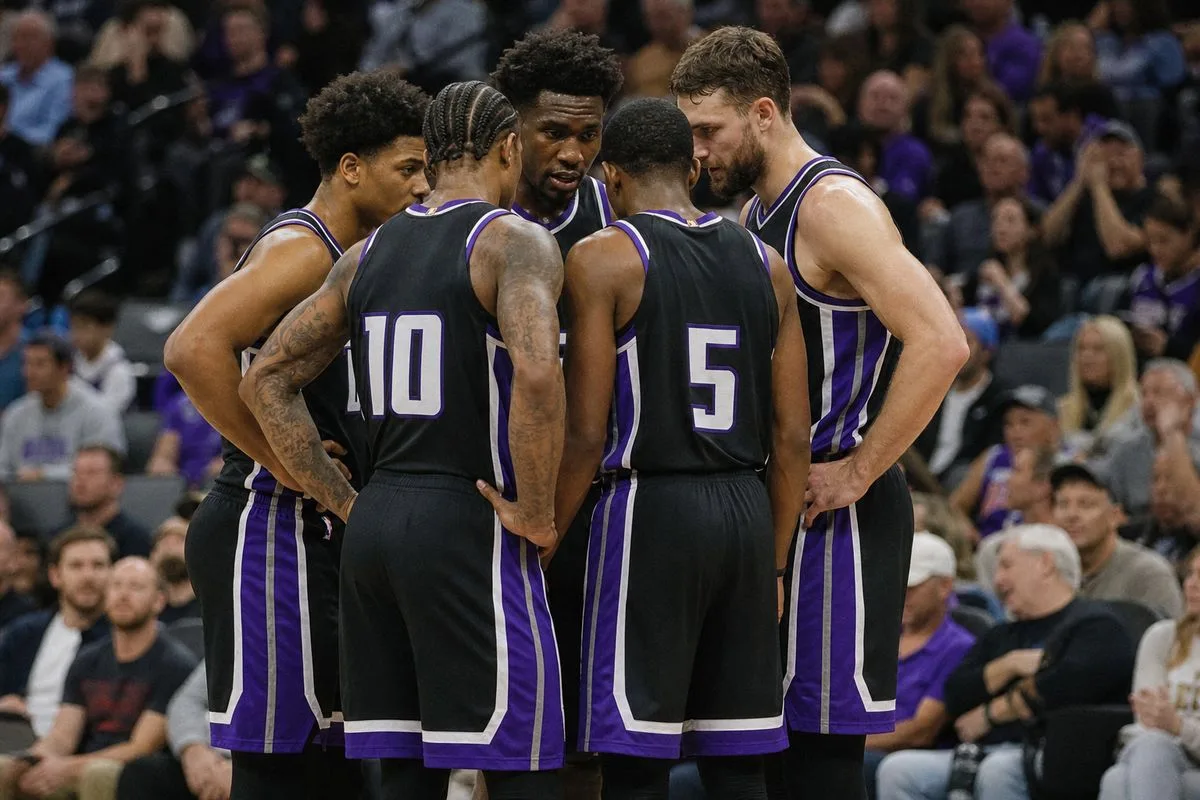

Kings vs Thunder on 15 November 2026, what happened on the floor
The final score, Thunder 125, Kings 103, is decisive, but the shape of the game is just as revealing. Community box score summaries show Oklahoma City winning the first quarter 32 to 24 and the second 30 to 26, building control early and never really letting go. Sacramento is not blown out immediately, but it is constantly chasing, constantly trying to manufacture momentum, and constantly finding that OKC has another answer.
From the available team stats, the Thunder’s edge shows up in the workmanlike areas that decide games when the shot making is merely average. Oklahoma City wins the rebounding battle 54 to 45, including 12 offensive rebounds to Sacramento’s 9. That is extra possessions, extra stress on a defence that is already bending, and it is the kind of thing that makes a crowd go quiet because everyone can see the same pattern repeating.
Shooting splits underline that this is not just a hot night from three that swings things. The Thunder go 14 for 43 from deep, 32.6 percent, while the Kings go 10 for 31, 32.3 percent. Basically the same. The difference is at the line and in the overall physicality of the game. Oklahoma City hits 23 of 28 free throws, 82.1 percent, while Sacramento goes 15 of 20, 75.0 percent. That gap is not enormous, but in a game where one team is already controlling the glass, those extra points add up quickly.
And then there is the uncomfortable part for Sacramento: this is happening while Oklahoma City is not even close to full strength. The Kings are not losing to a perfect version of the Thunder. They are losing to a version that is missing major rotation minutes and still looks more stable.
Injuries, absences, and why this Kings vs Thunder result lands harder
Both teams come into the night with significant availability questions, and that is part of what makes the outcome so telling. Sacramento lists Keegan Murray as a game time decision with illness and Precious Achiuwa as a game time decision with an ankle issue. Maxime Raynaud remains out with a knee injury, and Ben Simmons is out with an Achilles issue. That is a lot of disruption for a team that already looks fragile.
Oklahoma City’s list is arguably even more dramatic in terms of names and minutes. The Thunder are without Jalen Williams (ankle or leg), Chet Holmgren (knee), Cason Wallace (shoulder), and Jaylin Williams (back). Ajay Mitchell is a game time decision with an ankle issue, and Thomas Sorber is also out with a knee injury. The Kings Herald notes that Jalen Williams, Holmgren, Wallace, and Mitchell were 2nd, 3rd, 5th, and 6th for OKC in minutes per game last season. That is not a couple of fringe rotation guys, that is the spine of a contender’s nightly workload.
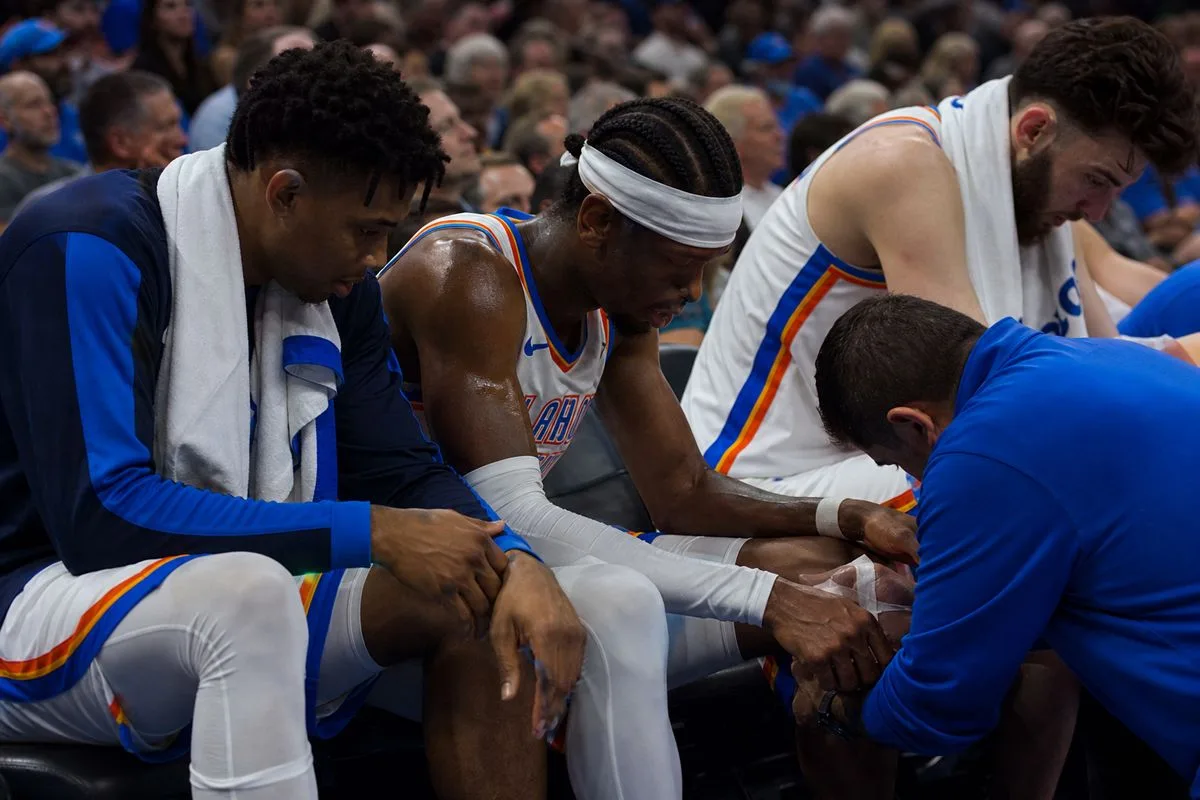
There is another roster note tucked into the same framing: Luguentz Dort is no longer with the Thunder. The piece describes it bluntly, after Shai Gilgeous-Alexander, the next five core players are gone, with the caveat that Mitchell has been available for eight of their eleven games. In other words, Oklahoma City is improvising, and still looks like the more organised team.
This is where the Kings vs Thunder storyline stops being just about one result and becomes a referendum on organisational health. Injuries happen to everyone. But well run teams tend to have a baseline style that survives them. Poorly run teams tend to look like a different club every night, and not in a fun, unpredictable way.
Shai Gilgeous-Alexander, Darius Acuff, and the human story inside Kings vs Thunder
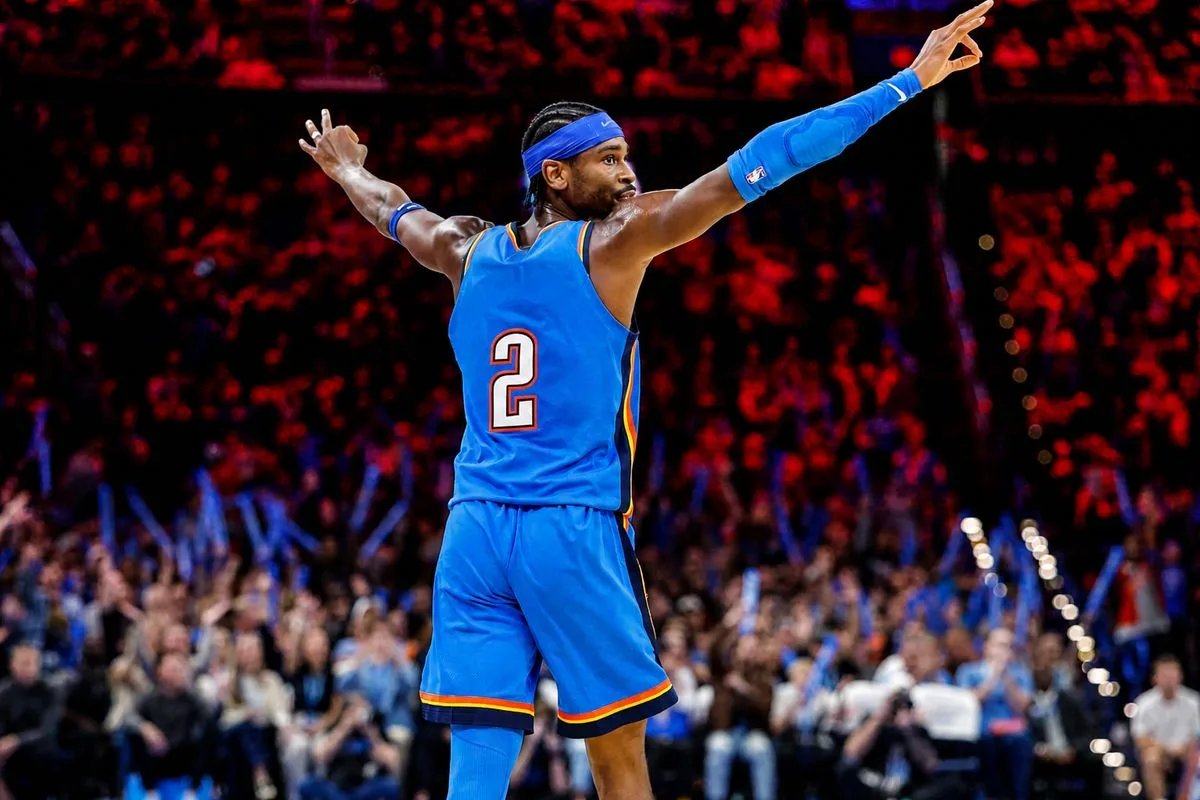
Every ugly season still has people inside it, and this matchup is framed around two of them. For Oklahoma City, it is Shai Gilgeous-Alexander, the star guard who has lived through the lean years and now sits at the centre of a winning project. The Kings Herald draws a straight line from his early career losing seasons, 22 to 50, 24 to 58, and 40 to 42, to the Thunder’s later rise into 57, 68, and 64 win seasons, including three trips to the Western Conference Finals and one NBA championship. No dates are provided for those seasons in the source material, so the point is not a timeline, it is a reminder: elite players can endure pain early and still end up lifting the ceiling later.
For Sacramento, the emotional hook is rookie guard Darius Acuff. The Kings Herald treats him as the main reason to watch, and it is not subtle about it. The team is described as ranking 29th in NBA attendance, and the piece suggests that those who do turn up are doing it for a mix of tragicomedy, the sight of owner Vivek Ranadive sitting alone with arms crossed, and then, finally, Acuff. That is dark, but it is also a real snapshot of what a lost season feels like in the building.
There is also the “beam” factor, which is not just a gimmick in Sacramento. It is a symbol of the Kings being fun again, of the arena being loud, of a team giving fans a reason to plan their evenings around tip off. The last time the Kings lit the beam at home, according to the Kings Herald, is 10 April 2026, when Devin Carter leads a win with 29 points. That detail matters because it pins the drought to a specific memory, not a vague sense of better days.
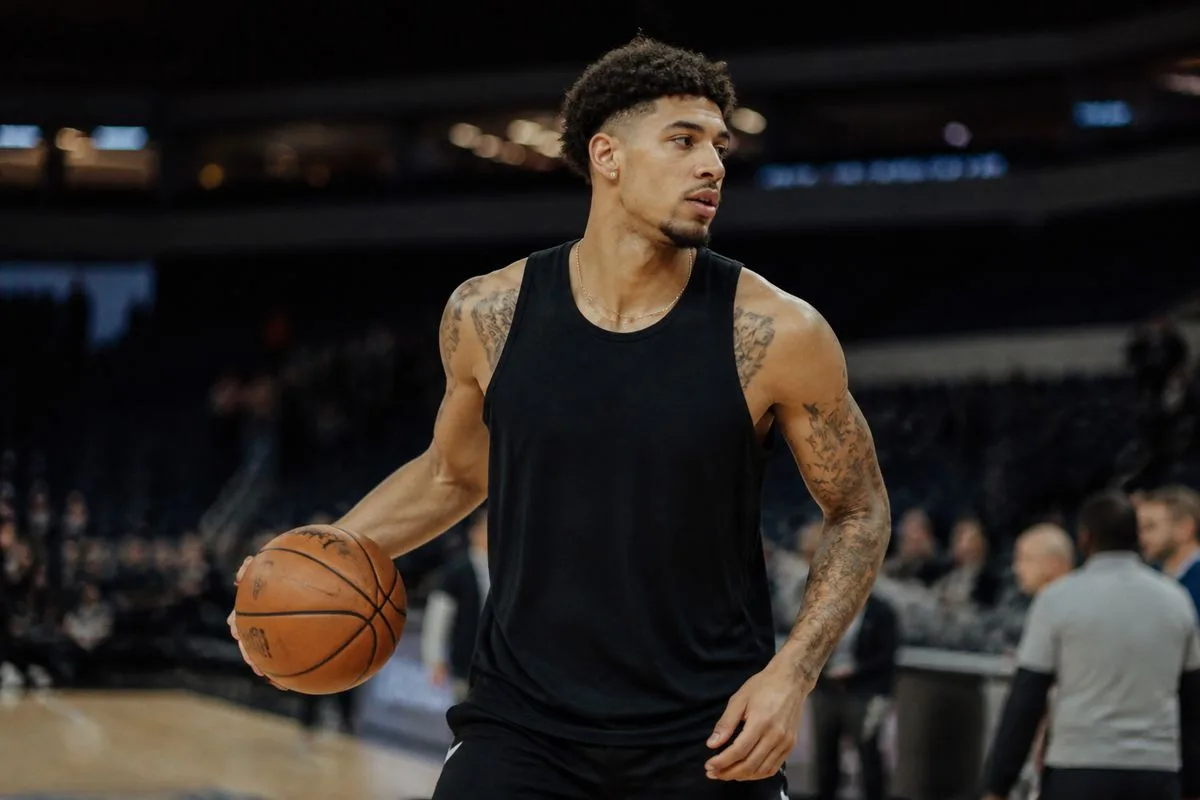
And then there is the small, spicy subplot: Nique Clifford. Recently traded to the Thunder for a pair of future second round picks, he is flagged as a “revenge game” candidate. His minutes, in a small sample, jump from 6.3 per game to 15.7 per game after the move. It is not a headline grabbing trade, but it is the kind of transaction that can quietly shape depth, and depth is exactly what both teams are talking about right now.
Why the Kings are stuck, and why the Thunder keep moving
The Kings Herald puts it in a single, cutting comparison: the “crynamic duo” of Vivek Ranadive and Scott Perry are not Sam Presti. That is not just a jab, it is a thesis. Oklahoma City’s modern identity is built on patient asset management, clear drafting priorities, and a willingness to take short term pain for long term structure. Sacramento, in this framing, looks reactive, and when things go wrong, it does not have the institutional muscle memory to fall back on.
Even the way the Thunder are described in the source material is telling. They are “basically 5 to 5” without Jalen Williams, Holmgren, and Wallace. That is not dominant, but it is survival. It suggests that OKC has a floor, a minimum standard of competitiveness, even when the rotation is shredded. Sacramento, by contrast, is described as being on pace to win seven games. That is not a slump. That is a season threatening to become historically grim.
Bench production is another dividing line. The Kings Herald asks, “Is it bench or stench?” and notes that Kings bench contributions have been sporadic and at times invisible. Meanwhile, Oklahoma City’s bench is coming off a collective 3 for 24 shooting night in a 113 to 112 loss to the Clippers in Los Angeles two nights earlier. So yes, the Thunder bench can be dreadful too. But the difference is that OKC can absorb a bad bench night and still look like a team with a plan. Sacramento’s bad bench nights tend to feel like the whole operation is collapsing at once.
There is also a psychological element that does not show up in the box score. A team that is 0 to 7 at home plays tight. Every missed shot feels louder. Every opponent run feels inevitable. And when the building is half empty, the silence can be worse than boos. Oklahoma City, even short handed, does not carry that weight into the arena. It plays freer, and it shows.
The Bigger Picture
This Kings vs Thunder game is a neat case study in where the NBA is right now. The league talks constantly about stars, but the season is often decided by systems, depth, and organisational competence. Oklahoma City is missing a chunk of its core rotation, yet still wins comfortably on the road. That is not magic. It is what happens when player development is treated like a central business function, not a slogan.
Sacramento’s situation, meanwhile, highlights the fragility of “vibes based” success. The beam era, when it is working, is brilliant. It turns regular season nights into events and makes role players feel ten feet tall. But when the wins stop, the same symbol becomes a reminder of what is missing. The longer the home drought goes, the more every game becomes about pressure rather than progress, and that is a hard place to develop a rookie, no matter how talented he is.
And zooming out even further, this is also about the West’s unforgiving middle class. The Kings Herald notes that Sacramento, despite being 1 to 11, is “a mere 5.5 games out of the play in”. That is a quirk of early season standings, but it also speaks to the conference’s congestion. It can tempt struggling teams into thinking a quick fix is all they need. Sometimes it is. But often it leads to rushed decisions, short term trades, and a cycle of trying to patch holes rather than building a foundation. Oklahoma City is the counter example, and nights like this make that contrast painfully obvious.
What comes next after Kings vs Thunder
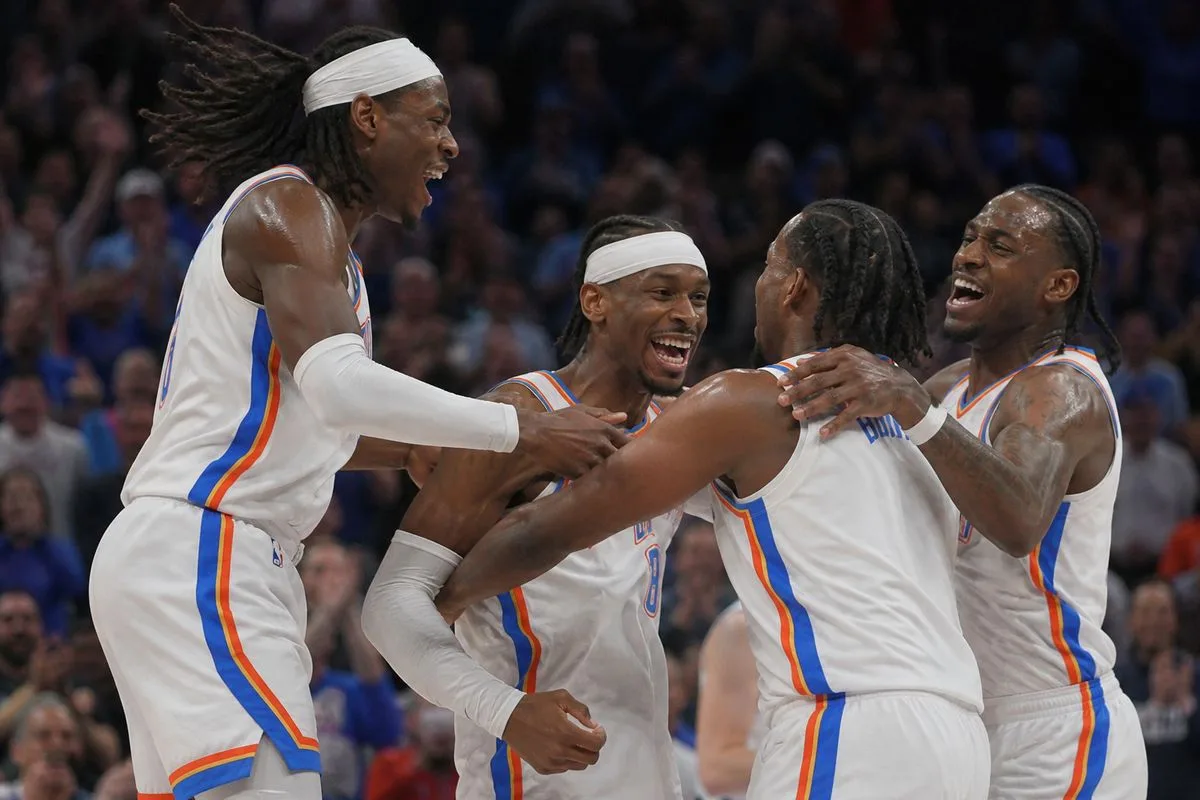
For Oklahoma City, the immediate takeaway is that the team keeps banking wins even while the injury list is ugly. That matters because the West does not hand out favours. If the Thunder can stay around the top eight while Jalen Williams, Chet Holmgren, and others recover, the runway for a second half surge is obvious. The Kings Herald also notes the Thunder are on a three game slide heading into this matchup, so a convincing win in Sacramento functions as a stabiliser, not just another tick in the win column.
For Sacramento, the questions are more existential, and they are not going away. The home record is now a storyline that follows the team into every tip off at Golden 1 Center. The attendance note, 29th in the league according to the Kings Herald, is another flashing warning light. Fans do not abandon a team overnight, but they do drift when the product becomes “virtually unwatchable” in large stretches, to use the source’s phrasing. And once that drift becomes habit, it is hard to reverse.
The most important development to watch is how the Kings handle the Acuff timeline. If he is the main draw, then the season has to become about building something coherent around him, not just surviving nights until the schedule softens. That means clearer roles, more consistent bench minutes, and a willingness to treat small improvements as meaningful even when the standings look bleak. It is not glamorous. But it is how teams climb out.
Because the harsh truth is this: Kings vs Thunder on 15 November 2026 is not remembered for a single highlight. It is remembered as another data point in two diverging arcs. One franchise looks battered but stable. The other looks lost at home, and the beam stays in storage for another night.
Key takeaways from Kings vs Thunder
There is no need to overcomplicate what this result says. The Thunder win 125 to 103 in Sacramento, out rebound the Kings 54 to 45, and get to the line more effectively, hitting 23 of 28 free throws. Three point shooting is basically even, so the margin comes from control, physicality, and extra possessions. The kind of stuff that tends to travel.
And the deeper message is about resilience. Oklahoma City is missing Jalen Williams, Chet Holmgren, Cason Wallace, and Jaylin Williams, with Ajay Mitchell also listed as a game time decision, yet still looks like a team that knows how to play. Sacramento, missing its own pieces and stuck in a home win drought that stretches back to 10 April 2026, looks like a team playing not to make mistakes, which is usually when the mistakes multiply.
If someone searches for kings vs thunder, they are usually looking for the score, the context, and what it means. The score is clear. The context is grim for Sacramento. And what it means is even clearer: OKC’s structure holds, Sacramento’s does not, at least not yet. Fair enough, it is November. But in the NBA, November habits have a nasty way of becoming April realities.