Iraqi business news: a busy week that links oil, infrastructure and digital finance
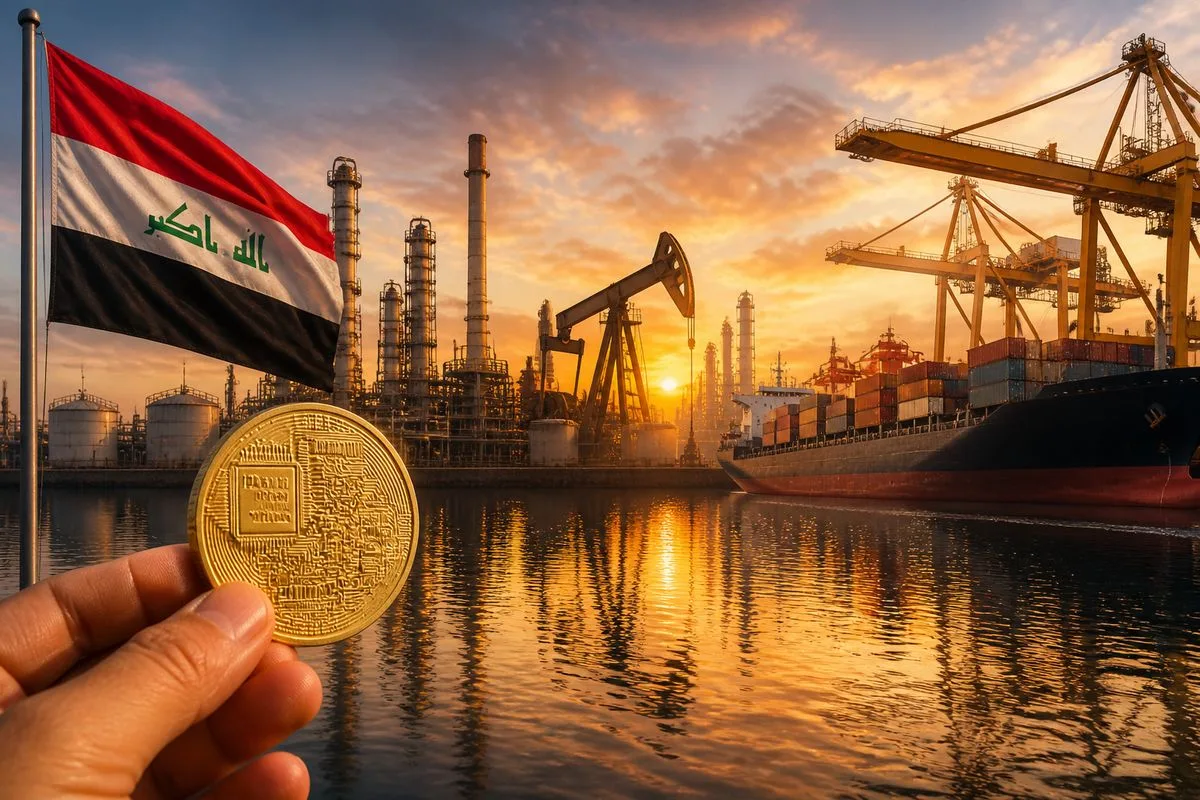
Iraqi business news this week is not one neat story, it is a cluster of developments that together say something bigger about where the economy is heading. Oil production is rising at a smaller field in the south, drilling activity is ramping up in Kirkuk, and the government is talking openly about an electronic dinar as part of financial modernisation. And, in a very tangible sign of progress, a key immersed tunnel at the Al Faw Grand Port project has received its Taking Over Certificate, marking completion.
On the surface these are separate headlines. But they share a theme: the state is trying to convert Iraq’s core advantage, hydrocarbons, into broader capacity, logistics, investment and (eventually) a more digitised, trackable financial system. It is a big ambition. It is also, frankly, overdue. The question now is whether these pieces start to reinforce each other, or remain isolated wins that do not quite add up.
There is also a geopolitical undertone running through the week’s updates. A report carried by OilPrice.com notes Chinese independent refiners are seeking Iraqi crude cargoes, using global commodity trading houses, as Iranian supply is constrained. That matters because it hints at demand resilience for Iraqi barrels, even as regional security risks keep oil markets jumpy, with oil prices climbing after Houthi attacks on Saudi Arabia, according to the economy and business news feed.

Oil and gas in focus in Iraqi business news: Amarah output rises and drilling begins at Bai Hassan
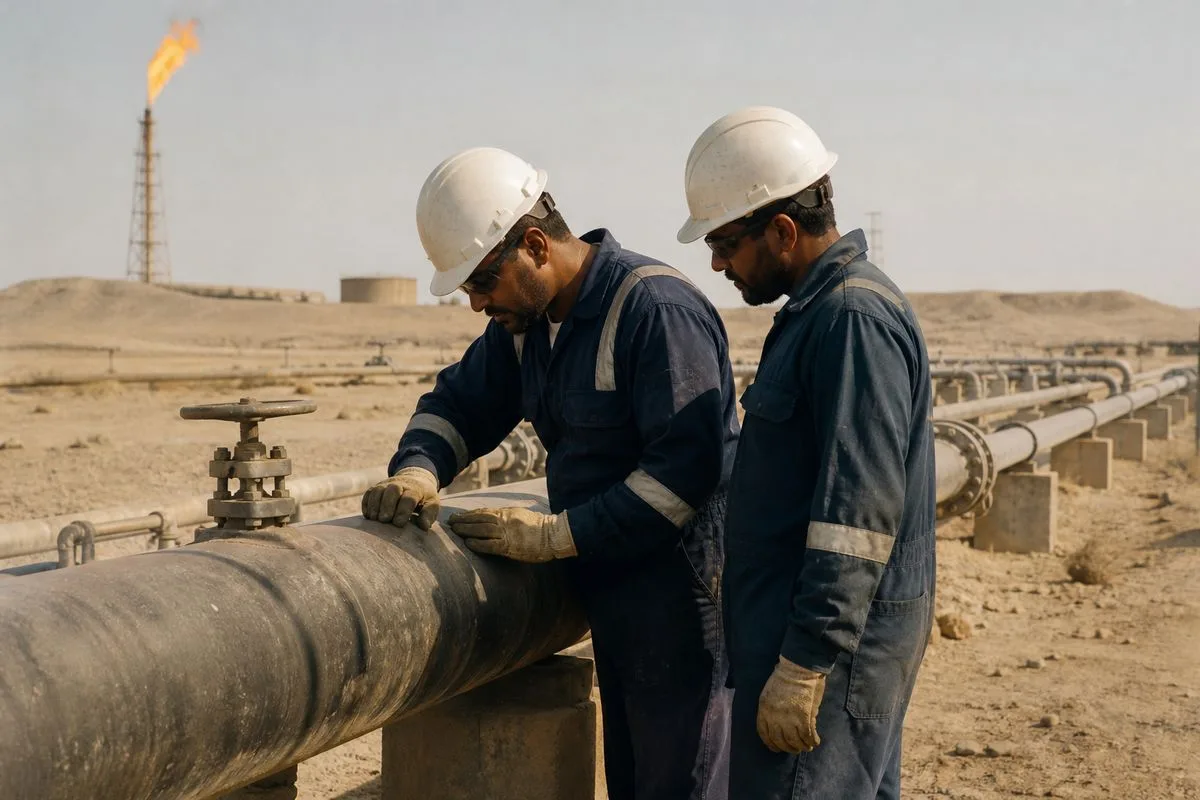
The clearest near term economic signal comes from the oil patch. Production at the Amarah oil field, operated by Maysan Oil Company (MOC), rises to 8,000 barrels per day, up from 1,500 bpd when operations begin on 23 October 2026, according to Iraq’s Ministry of Oil. The ministry says the increase is achieved entirely through national effort. That phrasing is doing work: it is meant to underline domestic capability, not just output.
Amarah is not a supergiant field, and 8,000 bpd is not going to move global prices. But in Iraqi terms, the operational story matters. A jump from 1,500 to 8,000 bpd in under a month suggests faster commissioning, better field management, or both. It also signals that MOC, a state operator, is being pushed to show results. And when the state can point to “national effort”, it strengthens the political case for investing in local service capacity, rigs, and engineering talent rather than relying on imported solutions for every problem.
In the north, the Iraqi Drilling Company (IDC) begins drilling the first of four planned wells at the Bai Hassan oil field in Kirkuk governorate, which is operated by BP. The work uses the IDC 222 drilling rig, rated at 1,000 horsepower. This is a useful detail because it shows the kind of equipment being deployed and, by implication, the type of wells and depths likely involved, even if the ministry does not publish technical parameters in the source material.
There is a quiet but important message here: Iraq is leaning on its national drilling arm to execute work at a field operated by a major international company. That is not unusual globally, but in Iraq it is part of a longer running attempt to build domestic oilfield services capability. If IDC can deliver on time and safely, it reduces bottlenecks and keeps more value in country. If it cannot, operators will push back towards international contractors, and the “national effort” narrative starts to look more like a slogan than a strategy.
Investment and trade diplomacy: Turkey linked talks, Japan outreach and German infrastructure tech
Beyond oil, Iraqi business news is also about who is in the room. The National Investment Commission (NIC) holds talks on potential investment projects with a delegation from Arkoz and Maqro, described by the NIC as a Turkish group. There is a small but telling editorial note in the source material: Maqro Group’s website is said to be based in Georgia and describes international activity. That is not a scandal, but it is a reminder that “who exactly is investing” can be complicated, with holding structures and regional footprints that do not fit neat labels.
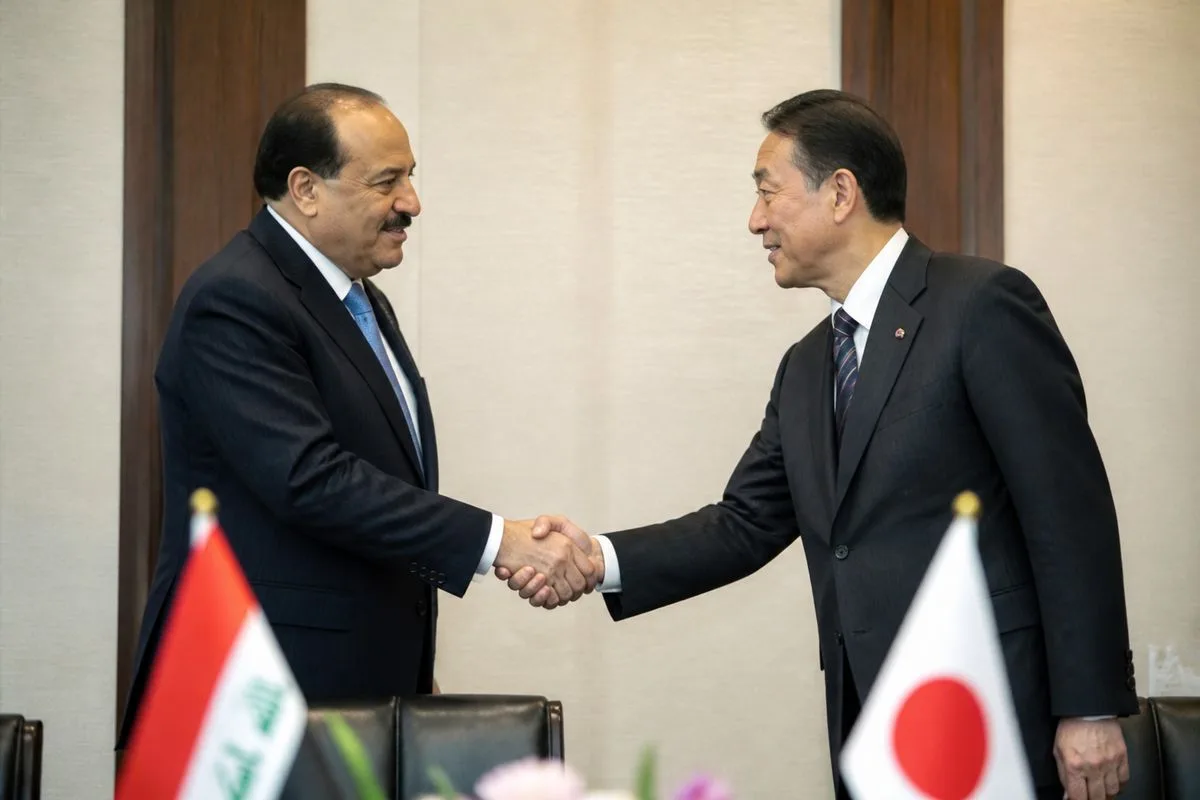
At the same time, Iraq’s Ministry of Trade discusses strengthening trade and economic cooperation with the Japanese Embassy in Baghdad, focusing on attracting Japanese investment. The meeting is led by Riyad Fakhir al Hashimi, Director General of the Department of Foreign Economic Relations. Japan’s interest, when it materialises into projects, tends to come with a reputation for quality and long term engagement, but also for careful risk assessment. Iraq wants the capital and the know how. Japan wants bankable projects, predictable rules, and a credible operating environment. That gap is where many promising conversations either become deals or quietly fade away.
Then there is the NIC chairman Adel Dakhil Muhammad al Yasiri meeting a delegation from VIVAVIS AG, a German company specialising in automation and digital transformation for critical infrastructure. The NIC says the talks cover opportunities to implement SCADA systems and apply smart technologies to manage infrastructure. SCADA is not glamorous, but it is foundational. It is how grids, pipelines, water systems and industrial facilities are monitored and controlled. In a country where losses, outages and inefficiencies are costly, better control systems can translate into real economic gains, even if they do not make headlines.
Put together, these meetings show Iraq trying to diversify its investment pipeline: regional capital and contractors, Japanese trade and investment channels, and German industrial digitalisation expertise. The challenge is not finding interested parties. The challenge is converting interest into signed contracts, financed projects, and on the ground delivery, without delays, disputes, or sudden policy shifts.
Infrastructure and logistics: Al Faw tunnel completion and a new transit pitch to Uzbekistan
The most concrete infrastructure update is at Al Faw Grand Port, where the immersed tunnel that forms a key part of the development receives its Taking Over Certificate (TOC). Daewoo Engineering and Construction announces the certificate is issued by Iraq’s Port Authority on 31 October 2026. In project delivery terms, a TOC is not just paperwork. It is a formal marker that a piece of work is complete and accepted, which matters for payments, warranties, and the credibility of the wider programme.
Al Faw is often framed as Iraq’s bet on becoming a logistics hub, linking Gulf maritime routes to land corridors northwards. The tunnel crosses the Khor Al Zubair waterway, a strategic channel for port access. Completing such a component is a reminder that, despite delays and politics that have surrounded the broader project over the years, parts of it do move forward. And when a project like this advances, it changes the tone of investor conversations. It is easier to sell a vision when there is visible progress.
That logistics narrative is reinforced by Uzbekistan’s expressed interest in using Iraqi ports as transit points for its goods to international markets. This follows a video conference between the transport ministries of the two countries discussing a draft agreement on international road transport. Uzbekistan indicates it wants to send a delegation to assess Iraqi ports’ capabilities. This is not a signed deal, and the source material does not provide volumes or timelines. But it is still meaningful: landlocked economies are always looking for reliable corridors, and Iraq is signalling it wants to be part of that map.
There is a practical reality check, though. Transit trade is brutally sensitive to friction: border procedures, security, insurance costs, road quality, and the reliability of port operations. If Iraq wants to win this business, it has to offer predictability, not just geography. The TOC at Al Faw helps because it is evidence of delivery. But the corridor story will ultimately be judged on day to day performance.
Markets, money and regulation: the ISX, an electronic dinar, and Telegram’s block
Financial signals in Iraqi business news are mixed, and that is normal in a market still shaped by politics, oil prices and liquidity constraints. Rabee Securities’ Iraq Stock Exchange report for the trading week ending 19 November 2026 shows the IQD RSISX index closes at 2,334.3, up 1.75 percent week on week, but down 8.70 percent year to date. The USD RSISX index closes at 1,993.2, also up 1.75 percent week on week, and down 20.71 percent year to date. Those are not small declines. They suggest either valuation pressure, currency effects, or both, depending on how investors are positioned.
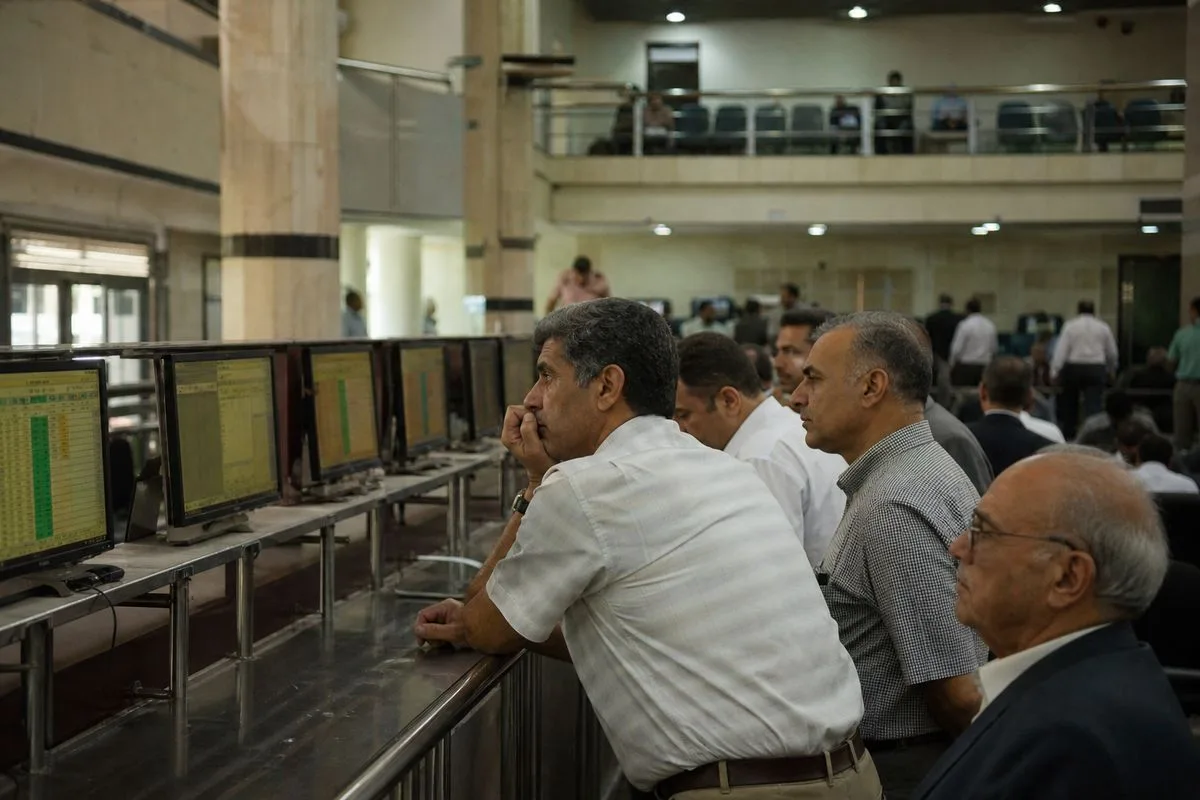
Currency and pricing pressures show up elsewhere too, with the economy and business feed noting the dollar edges higher in Baghdad and Erbil on 19 November 2026, and also climbs against the Iraqi dinar earlier the same day. The feed does not provide exact exchange rates in the supplied material, so it is not possible to quantify the move here. But the direction matters for import costs, consumer prices, and business planning. For companies that rely on imported inputs, a stronger dollar is rarely welcome.
Against that backdrop, the government’s talk of an electronic dinar is one of the more consequential policy signals. Mazhar Muhammad Saleh, financial adviser to the Prime Minister, describes plans to issue an electronic dinar as a strategic step in digital transformation and financial modernisation. Crucially, he says it would function as a digital extension of the national currency, rather than a new monetary issuance. That distinction is important because it frames the project as infrastructure, not a currency reform that could spook markets.
But digitisation is not just about convenience. It is also about traceability, compliance, and control. And that is where the week’s other regulatory headline lands: the messaging app Telegram is blocked in Iraq following a decision by the Communications and Media Commission (CMC), which says it acts on the Prime Minister’s instructions under Legislative Order No. 65 of 2004, as amended by Order No. 100. For businesses, especially SMEs and informal traders, messaging platforms are often customer service, marketing, and coordination tools rolled into one. Blocking a major platform can create friction overnight. It also raises a broader question: can Iraq build a modern digital economy while periodically pulling the plug on widely used digital channels? That tension is not theoretical, it affects confidence.
SMEs and the wider business climate: Baghdad hosts a regional summit
Not all the week’s momentum is about oil and mega projects. The Fourth Arab Summit for Small and Medium Enterprises opens at the Baghdad International Fairground, with participation from 25 countries and around 700 companies from various sectors. Running from 18 to 20 November 2026, the summit brings together officials, investors, entrepreneurs and relevant institutions. That scale matters. It suggests Baghdad is positioning itself as a convening point for regional business networks, not just a political capital.
SMEs are where jobs are created in most economies, and Iraq is no exception. The problem is that SMEs are also the first to feel the pain of currency swings, payment delays, regulatory uncertainty, and infrastructure gaps. A summit can help with networking and signalling, fair enough. But the real test is whether it leads to practical improvements: easier company registration, clearer tax processes, better access to finance, and reliable digital payments. This is where the electronic dinar conversation intersects with SME needs, if it is designed with real world usage in mind.
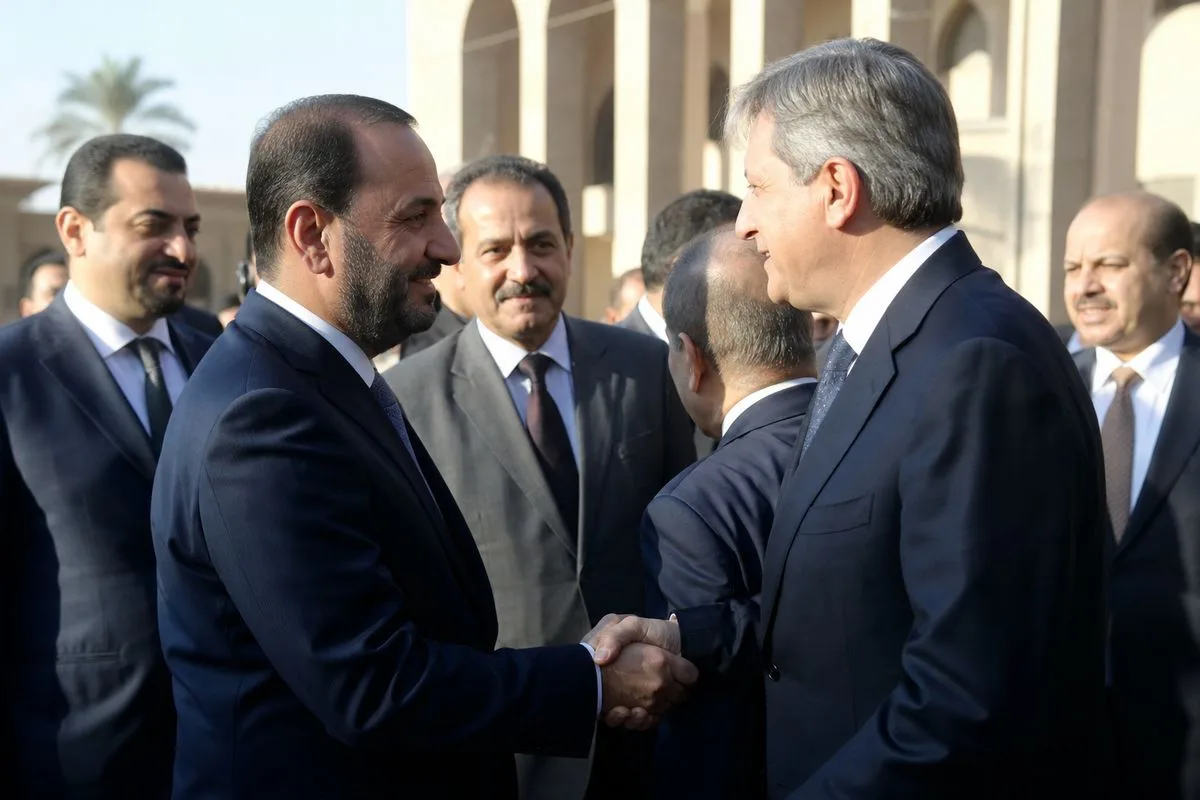
There is also a narrative element. Iraq has spent years being discussed mainly through the lens of security and politics. Events like this summit are part of a deliberate rebalancing: to show normal commerce, cross border partnerships, and a private sector that is trying to grow up fast. It is not exactly groundbreaking to hold a business summit. But in Iraq’s context, it is still a marker of intent.
What’s Next
The next phase of Iraqi business news is likely to be defined by execution, not announcements. On oil, the immediate watch points are whether Maysan Oil Company sustains and expands the Amarah field’s 8,000 bpd level, and whether the Iraqi Drilling Company delivers the four well programme at Bai Hassan smoothly under BP’s operational umbrella. If those projects stay on schedule, they strengthen the case that Iraq can increase output and maintain assets with more domestic capability, which in turn can influence how future service contracts are structured.
On infrastructure, the Taking Over Certificate for the Al Faw immersed tunnel is a milestone, but it also raises expectations. Investors and trading partners will look for the next tangible markers: additional completed components, operational readiness steps, and clearer integration with road and rail corridors. Uzbekistan’s interest in using Iraqi ports is a useful early signal, but it will only turn into transit volumes if Iraq can offer a corridor that is competitively priced and reliably administered. That means customs processes, security coordination, and predictable port operations. The unglamorous stuff, basically.
On finance and regulation, the electronic dinar proposal is the headline to watch. If it is built as a practical layer on top of existing currency and banking systems, it could improve payment efficiency and reduce cash handling risks. But it will need trust, robust cyber security, and a clear legal framework around privacy, dispute resolution and interoperability with banks and payment providers. And the Telegram block is a reminder that digital policy can shift quickly. If Iraq wants to attract serious tech and infrastructure partners, it will need to show that digital governance is stable, transparent, and proportionate, not reactive.
Closing thoughts: a clearer direction, but the hard work is in the follow through
This week’s Iraqi business news paints a picture of a country trying to do several difficult things at once. Raise oil output and keep fields productive. Build infrastructure that changes trade routes, not just local traffic patterns. Modernise finance without destabilising confidence. And attract investment from a mix of regional groups and global industrial players.
None of it is guaranteed. Oil gains can be reversed by technical issues or budget constraints. Mega projects can stall. Digital currency plans can get stuck between ministries, banks and regulators. And investors can lose patience if rules change midstream. But there is a thread of momentum here, and it is visible in the details: 8,000 bpd at Amarah after starting at 1,500 bpd on 23 October 2026, four wells planned at Bai Hassan with an IDC rig rated at 1,000 horsepower, and a Taking Over Certificate issued on 31 October 2026 for a critical Al Faw tunnel.
The opportunity for Iraq is to connect these dots into a coherent economic story: energy revenues funding infrastructure, infrastructure enabling trade, trade supporting SMEs, and digital finance making the whole system more efficient. That is the prize. And it is a big deal if Iraq can pull it off.