Kate Middleton news health: a rare, detailed update framed by recovery, not performance
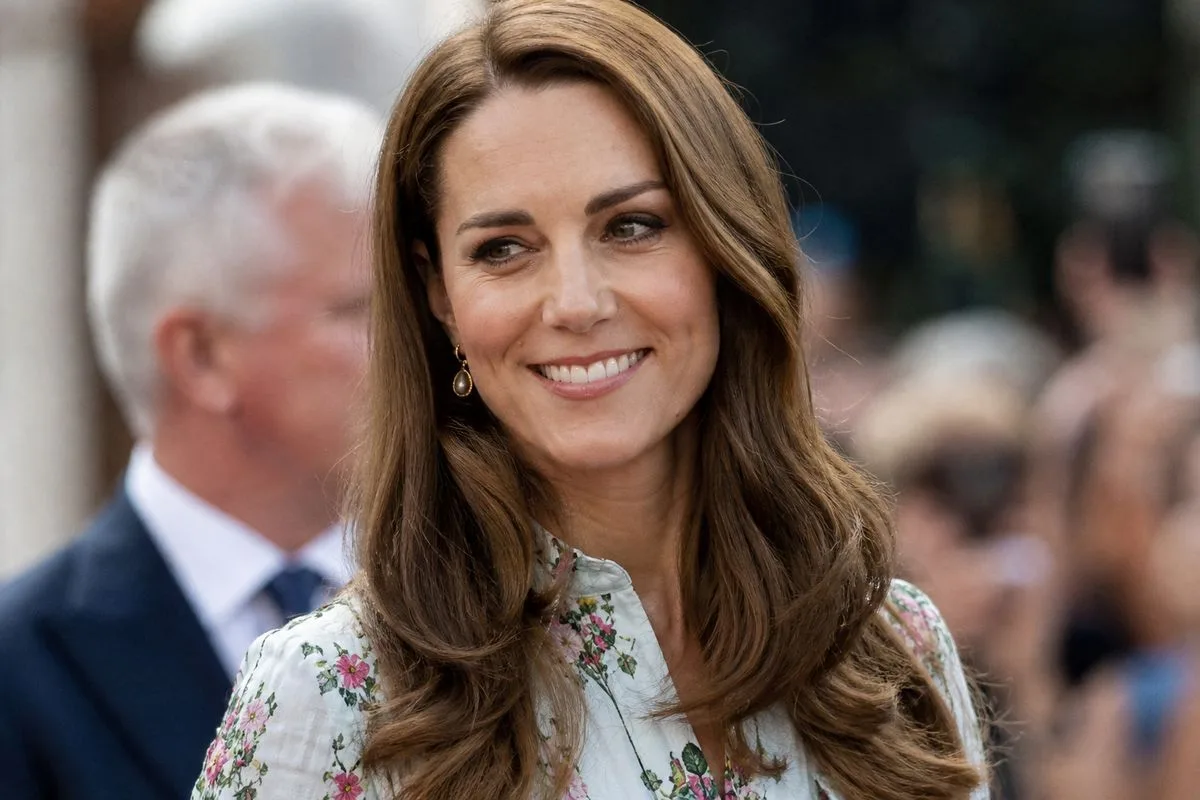
The latest kate middleton news health story is not a palace photo call or a tightly managed line in a briefing. It is Catherine, Princess of Wales, speaking at length about what cancer recovery actually feels like, and she does it in an unusually reflective interview for Country Life, published on 11 November 2026. The issue is guest edited by Prince William, and the conversation is conducted by writer Robert Macfarlane, best known for books about landscapes and the natural world.
The headline point is simple but significant: Kate says she was told in hospital that her recovery would not be linear, and that there would be good days and bad days. That single idea cuts through a lot of noise. Public figures are often expected to “bounce back” on a neat timetable, and royal life, with its choreography and symbolism, can amplify that pressure. But here she describes recovery as something slower, messier, and more human, and she links that reality to the rhythms of nature.
And she is not vague about what helped. She repeatedly returns to the outdoors as her “sanctuary”, a place she has “instinctively wanted to go” while healing. The language is personal, almost plain spoken at times, and it lands because it is not trying to sell a miracle cure. It is describing coping, day by day.

What Kate actually says in the Country Life interview, and why it stands out
Kate’s central message is that healing takes time, and that rest is not failure. “I was told in hospital that my recovery would not be linear. There will be good days and bad days, that it will take time,” she says. Then she draws the comparison that shapes the whole interview: nature has its own cycles of growth and pause, and both matter. Periods of “rest, reflection and renewal” sit alongside moments of growth. It is a gentle point, but it is also a corrective to the modern instinct to treat recovery like a productivity target.
She goes further than metaphor. Kate argues for what she calls a “whole-person approach” to illness and recovery. In her words, serious illness creates physical challenges, but there is “a deeper part to all of us”. Nature, she says, helps her connect mind, body and spirit. That phrasing will resonate with plenty of patients who feel their clinical treatment is only one part of the story, even if it is the most important part medically.
There is also a striking line about permission. Nature “doesn’t ask anything of us”, she says. “It doesn’t judge us or expect us to perform. It simply allows us to be.” In a royal context, where public life is often about composure and duty, that idea of a non judgemental space feels telling. It suggests the interview is not just about health, but about identity after illness, and about finding somewhere that is not constantly demanding an output.
Macfarlane asks where she finds hope, and Kate again turns to the natural world. She says she finds hope in the lesson that, despite challenges, people are not alone, and are interconnected with something bigger. She also acknowledges uncertainty, saying people might not be able to control every outcome, but can do small things that add up. It is not a political statement. But it is a worldview, and it is being offered at a moment when many families are living with cancer in one form or another.
Kate Middleton news health timeline: diagnosis, chemotherapy, remission, and public milestones
The interview lands against a well known, but still carefully bounded, timeline. Kate publicly announced her cancer diagnosis in March 2024, after undergoing abdominal surgery in January 2024. She described undergoing a “course of preventive chemotherapy treatment”. The palace has not disclosed the type of cancer, and the interview does not change that. Anyone looking for a specific diagnosis will not find it here, and it is worth saying plainly: the sources do not provide that detail.
In September 2024, Kate announced she had completed her course of chemotherapy. That announcement was widely read as a turning point, but even then she signalled that finishing treatment is not the same as finishing recovery. Later, she shared that her cancer was in remission, with January 2025 cited as the point she publicly confirmed remission. The 2026 interview effectively fills in the emotional and practical space between those milestones, the part that often gets lost in headlines.
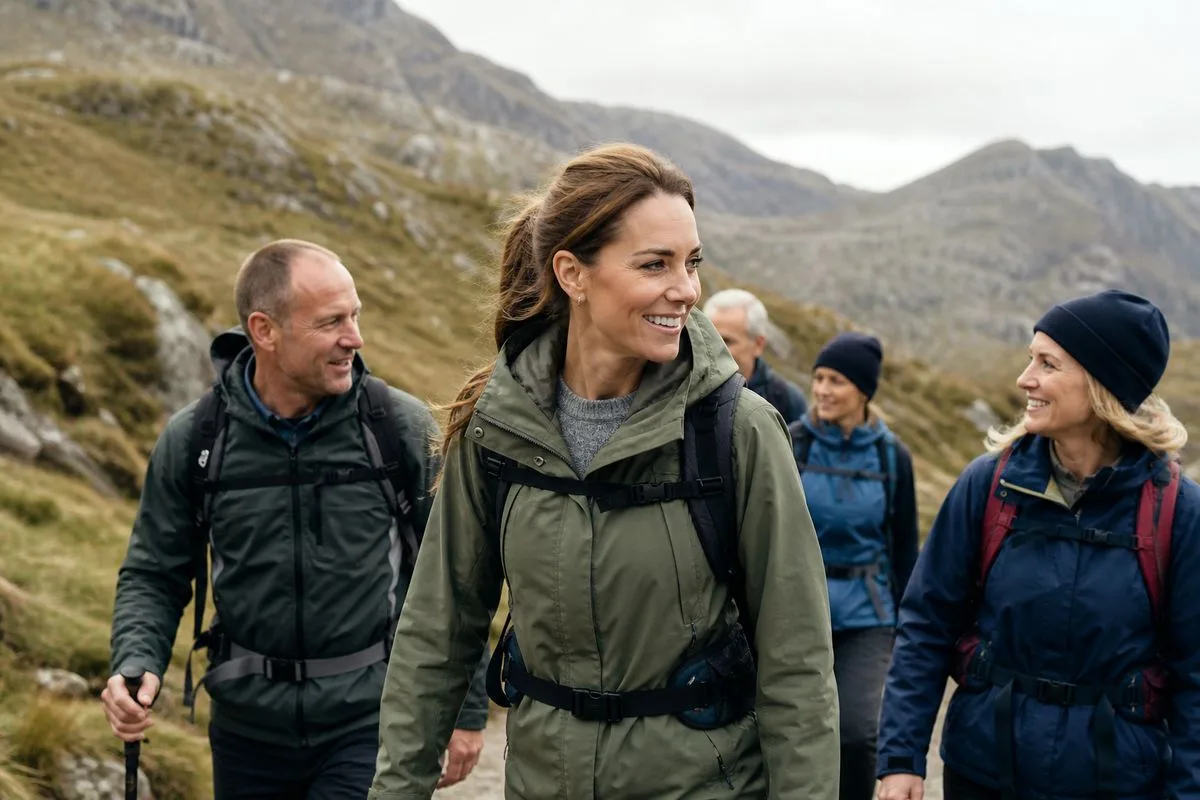
There are also public moments that show how she is choosing to mark this period. One is a physical endurance challenge tied to charity fundraising. Sources describe Kate completing the National Three Peaks Challenge, summiting the three highest peaks of Scotland, England and Wales within 24 hours, to raise money for the Royal Marsden Cancer Charity. One account places this in June 2026, another in July 2026. The material does not reconcile the discrepancy, so it is safest to say it is reported as happening in mid 2026.
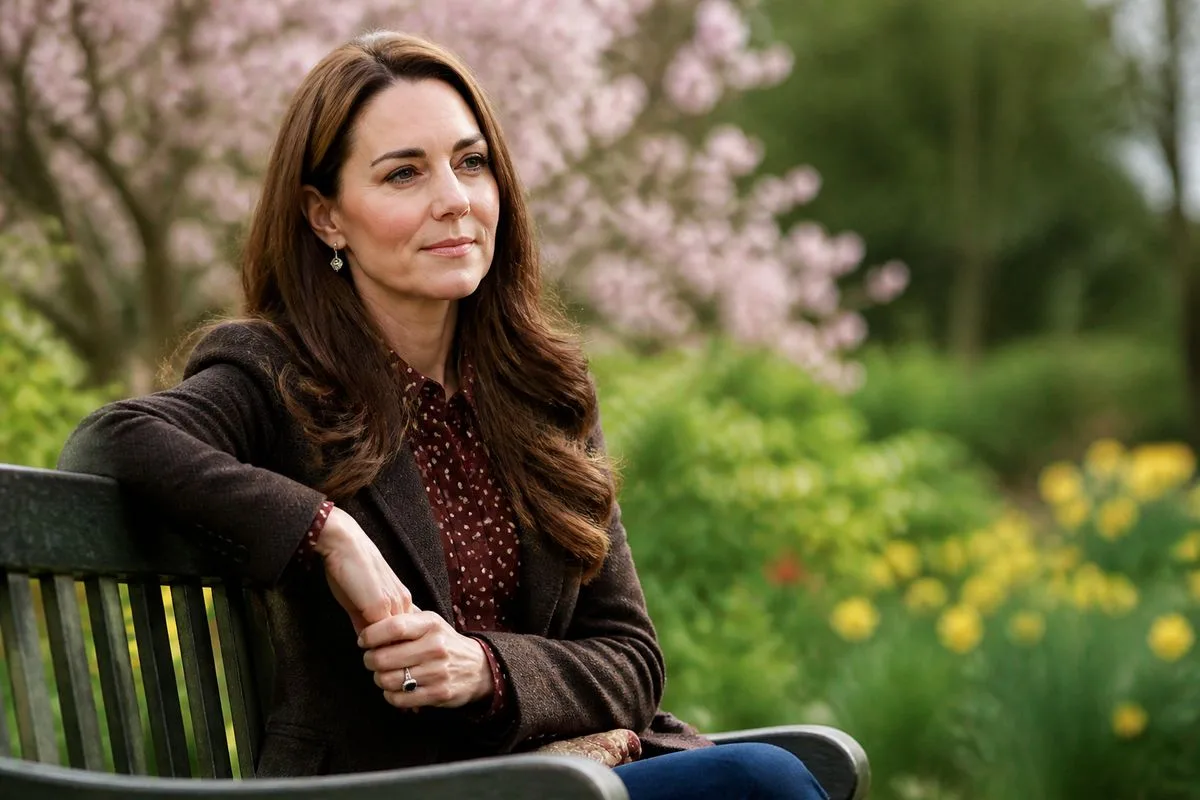
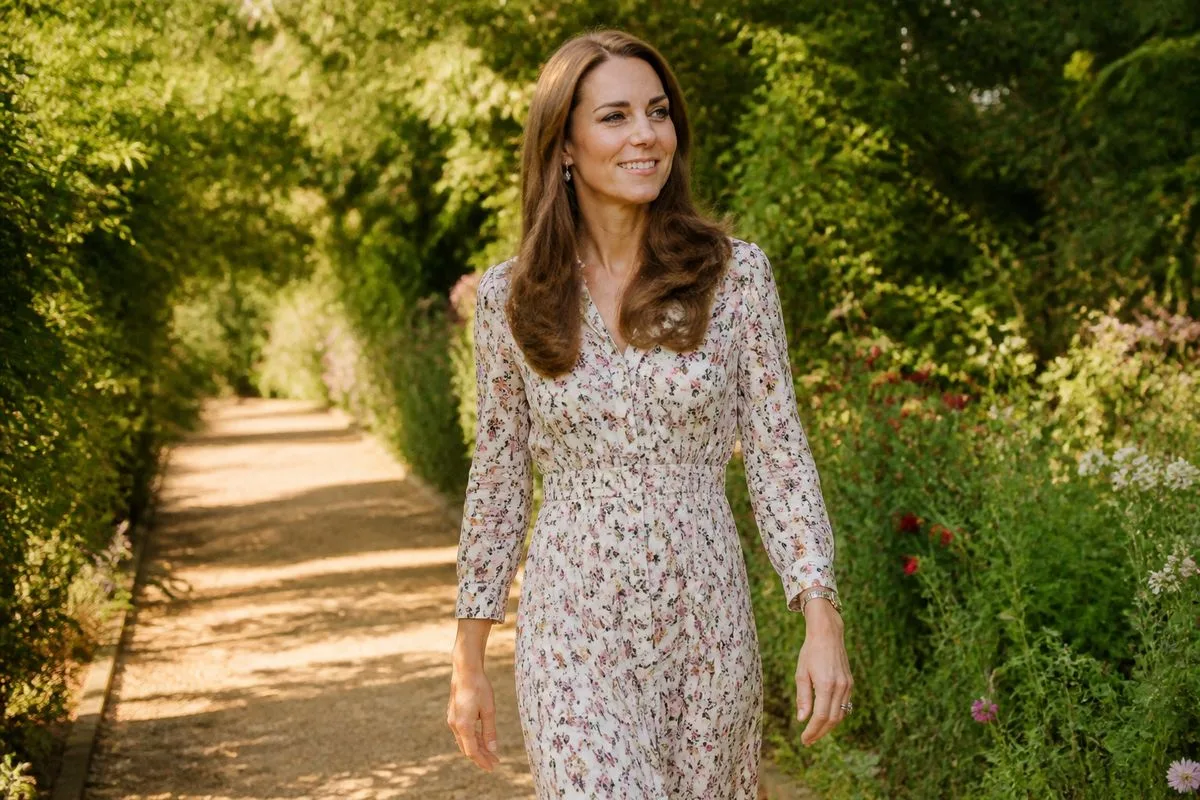
And then there is the imagery. Kensington Palace releases three portraits of Kate outdoors, and they are framed as part of a new project celebrating the power of nature and how it can support young people. The interview arrives about a month after those portraits, according to the reporting. Put together, it is a clear editorial line: nature is not just her private refuge, it is becoming part of her public work.
Prince William’s guest editorship, and a carefully chosen platform for a personal message
The choice of Country Life matters. This is not a rolling news interview, and it is not a short clip designed to go viral. It is a magazine feature in a special issue guest edited by Prince William, following other royal guest editors including King Charles, Queen Camilla, and Princess Anne. That lineage gives the project a kind of institutional comfort. It is familiar territory for the royal family, and it offers a controlled environment without feeling like a palace statement.
William’s role also subtly shifts the frame. Rather than a couple doing a joint interview, the structure places him as curator and Kate as contributor, which keeps the focus on her voice. It is a neat piece of editorial staging, and it avoids the impression that she is being “put on show” to prove wellness. The tone is reflective, not triumphant.
There are small details that reinforce the family context too. The issue features a watercolour painting of a kingfisher by Prince George, now 13. That is not health news, strictly speaking. But it is part of the broader message: normal life continues, children are growing up, and the family is presenting itself as grounded in the everyday (or at least, as close to everyday as royals can get).
And then there is Macfarlane as interviewer. He is known for writing about landscapes and the natural world, which means the conversation is always going to lean into nature as theme and language. That is not accidental. It creates a setting where Kate can speak about recovery without turning the interview into a clinical Q and A, and without being pushed into disclosing medical specifics she clearly wants to keep private.
Nature as “sanctuary”: what Kate’s framing reveals about modern recovery narratives
Kate’s emphasis on nature will be familiar to anyone who has watched her public work over the years. But in this context it takes on a sharper edge. She is not just saying she likes the countryside. She is describing nature as a place that asks nothing of her, a place without judgement or performance. That is a quietly radical thing to say in a culture that often treats illness as a test of character, and recovery as a public relations problem to be solved.
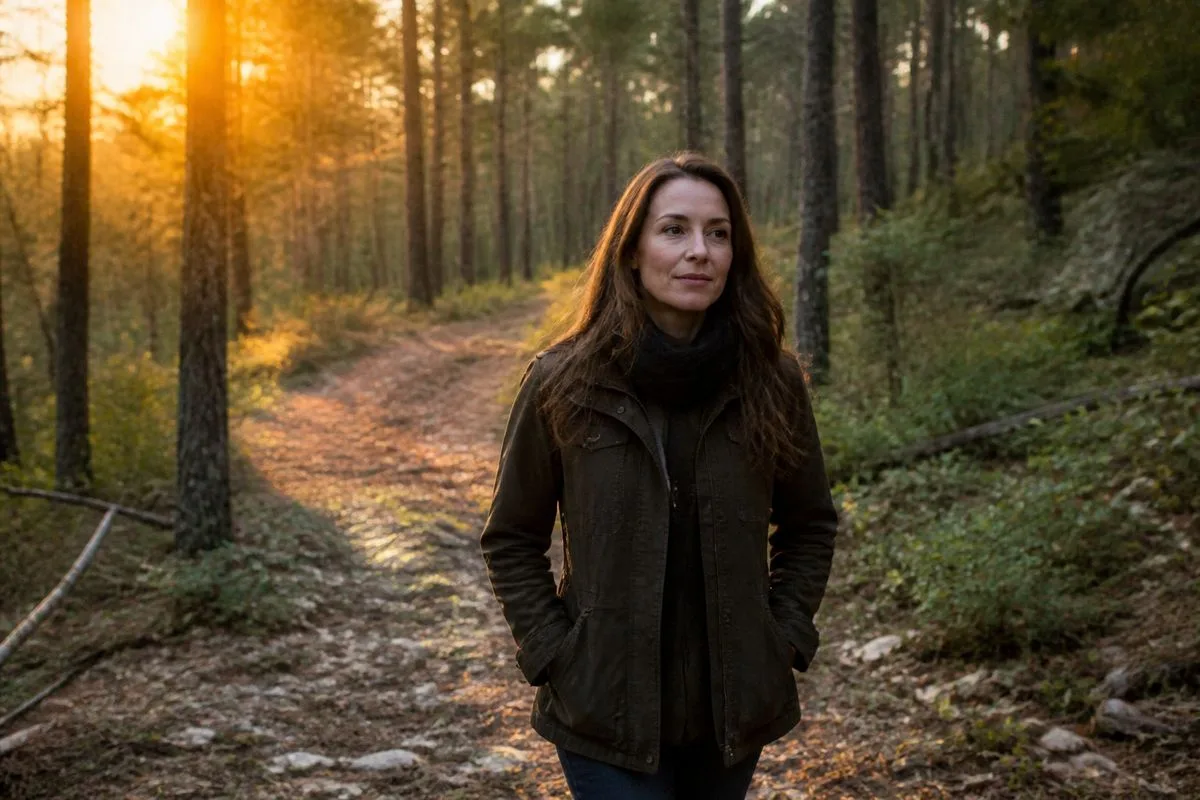
She also links nature to attentiveness, “listening and paying attention”, and suggests that movement and flow can shift something inside the body or mind. She notes it is “interesting” to see science back up what people instinctively feel about nature’s therapeutic benefits in healthcare. The interview does not cite studies or numbers, so the reader is left with the personal testimony rather than evidence. But that may be the point. She is not trying to publish a paper. She is trying to describe what got her through.
There is a deeper narrative here about control. Cancer treatment is full of schedules, scans, and waiting, and much of it is outside a patient’s control. Nature, in Kate’s telling, becomes a way to live alongside uncertainty. She says she finds hope in the idea that people are interconnected with something bigger, and that small actions add up. It is a philosophy of incrementalism, which is often how recovery actually works. Not glamorous, not linear, but real.
Her childhood memories reinforce the message. She recalls playing in streams, walking in the countryside, blackberry picking, and even digging under bushes convinced she would find treasure. It is vivid, and it does something else too: it positions nature not as a luxury add on, but as a lifelong source of comfort. In other words, she is not claiming she discovered the outdoors because of cancer. She is saying it was already there, and she returned to it when she needed it most.
From private illness to public role: how this shapes the Princess of Wales’s next phase
For the monarchy, health disclosures are always tricky. Too little information and speculation fills the gap. Too much and it becomes intrusive, or worse, it turns into a running commentary on someone’s body. Kate’s approach in this interview threads the needle. She shares emotional truth, the non linear reality of recovery, without giving away medical specifics. That will frustrate some. But it is also a boundary, and boundaries are part of surviving serious illness.
It also signals how she may shape her public work going forward. The sources describe a new project celebrating the power of nature and how it can support young people. Combined with the interview’s language about whole person recovery, it suggests a thematic direction: wellbeing, early support, and environments that help people cope. That is not exactly groundbreaking in the charity sector, fair enough. But coming from the Princess of Wales, it has reach, and it can steer attention and funding towards certain approaches.
The charity angle matters too. The National Three Peaks Challenge is presented as a way to raise money for the Royal Marsden Cancer Charity, and Kate describes it as “a chance to explore life beyond diagnosis and to give something back.” That phrase, “beyond diagnosis”, is doing a lot of work. It implies she is trying to reclaim a future oriented identity, not defined solely by illness, while still acknowledging what happened.
And there is a subtle recalibration of royal visibility. The interview, the outdoor portraits, and the reported challenge all show controlled, purposeful appearances rather than constant public presence. In practical terms, that fits with her own message: good days and bad days, time, rest, renewal. The institution appears to be building a model where her health is respected without her disappearing entirely. It is a balancing act, and it will likely continue.
What the public can, and cannot, take from this kate middleton news health update
There is a temptation, whenever a high profile figure talks about cancer, to turn their story into a template. This interview resists that. Kate does not claim nature replaces treatment. She does not offer a universal prescription. She talks about what helped her, and she keeps the medical details private. In a media environment that often rewards oversharing, that restraint is notable.
At the same time, the interview does offer something concrete: language for people who are living in the long middle of recovery. Not the dramatic moment of diagnosis, and not the celebratory headline of remission, but the months and years when energy returns unevenly and confidence takes time to rebuild. Her line about being told recovery is not linear is likely to be quoted because it is recognisable, and because it gives permission to go slowly.
It also reframes strength. The most striking parts of the interview are not about pushing through. They are about pausing, reflecting, and renewing. That is a different kind of resilience, and it is arguably more sustainable. And yes, it is wrapped in the imagery of beaches, countryside, and mountains. But the underlying message is broader: people need spaces, literal or emotional, where they are not expected to perform.
For now, that is the core of the 2026 update. Kate is in remission, she is engaging publicly in selective ways, and she is speaking with more nuance about what recovery entails. The story is not that she is “back” as if nothing happened. It is that she is still recovering, still adapting, and still finding her footing. That is the honest version. And it is, in its own quiet way, a big deal.