
Kevin De Bruyne is back in the headlines, and it is not just about a goal
Kevin De Bruyne rarely drifts far from the football conversation, but the latest spike in attention is driven by two very different threads. One is familiar, a reminder of his enduring quality for Belgium after a recent goal in a 1 to 1 moment against Turkiye that does the rounds online. The other is more speculative, and arguably more intriguing, reports and fan discussion suggesting PSV are exploring a potential January move for the 35 year old.
Put those together and the story writes itself. A veteran playmaker still producing decisive moments for his country, while the market starts asking the obvious question, where does he play his next chapter, and when? And yes, the age detail matters here because it frames everything, from the type of club that might take the plunge to the kind of role De Bruyne might accept (or refuse to accept).
There is a lot of noise around big names in winter windows. But De Bruyne is not just any big name. He is a player whose identity is tied to control, tempo, and the ability to turn a match with one pass. So when a club like PSV is even loosely connected to him, it is worth slowing down and looking at what is actually being said, what is not being said, and what it could mean.

What the current news actually says about Kevin De Bruyne and PSV
The clearest “event” in the current cycle is the emergence of January transfer chatter linking PSV with Kevin De Bruyne. The material available here is not an official statement from PSV, nor a confirmation from De Bruyne or his representatives. It is, instead, a wave of community discussion built around the idea that PSV are exploring the possibility of a winter move. That distinction is important. Exploring is not bidding. Interest is not agreement. And a rumour that spreads because it is fun to imagine is still a rumour.
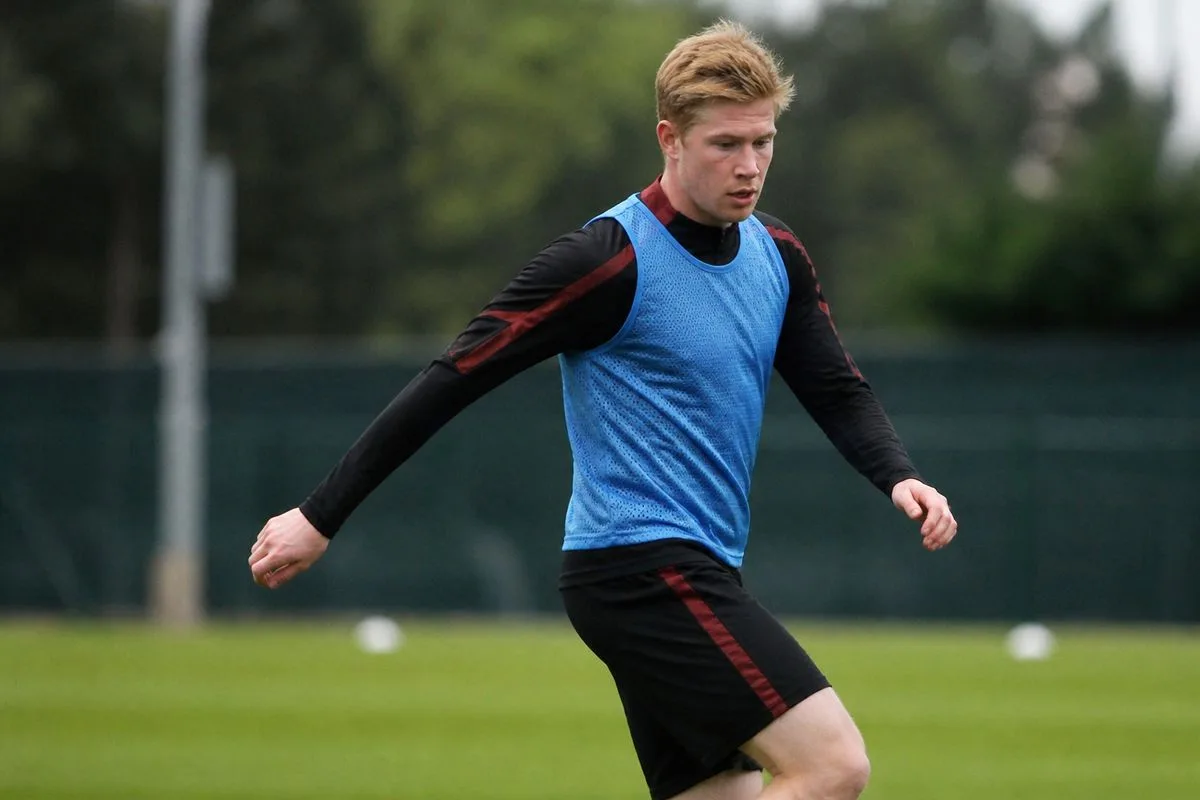
Still, it is not random that PSV are the club being mentioned. PSV sit in a space that makes the idea at least plausible on paper. They are a major Dutch club with European ambitions, a strong domestic platform, and a history of being a destination for elite talent at different stages of a career. The question is not whether PSV would like a player of De Bruyne’s profile. Of course they would. The question is whether the finances, the sporting project, and the player’s own priorities align in January 2027.
Alongside the PSV talk, there is also a separate strand of attention around De Bruyne’s Belgium involvement, including a widely shared clip and discussion of a goal against Turkiye. Again, the key point is not the exact tactical detail of that match, because the source material does not provide full match context or official competition framing. The key point is what it signals, De Bruyne remains capable of delivering end product in high visibility moments, which inevitably fuels transfer speculation. Clubs do not just buy legs, they buy belief. A goal, even one clip, can reignite that belief.
Kevin De Bruyne’s profile in 2026, the player clubs think they are signing
Kevin De Bruyne is born on 28 June 1991, a detail that matters because it places him at 35 in 2026. At this stage, recruitment departments do not argue about whether he can pass. They argue about how often he can do it, how quickly he recovers between matches, and whether his minutes need careful management. In other words, the conversation shifts from talent to availability and usage.
De Bruyne’s public profile remains enormous. His Instagram account sits at 26 million followers, which is not a football metric but it is a commercial reality. A club signing him is not only signing a midfielder, it is signing global attention, shirt sales potential, and a weekly spotlight. For a club like PSV, that kind of visibility can be both a blessing and a headache. It lifts the brand, but it also changes the temperature of every press conference.
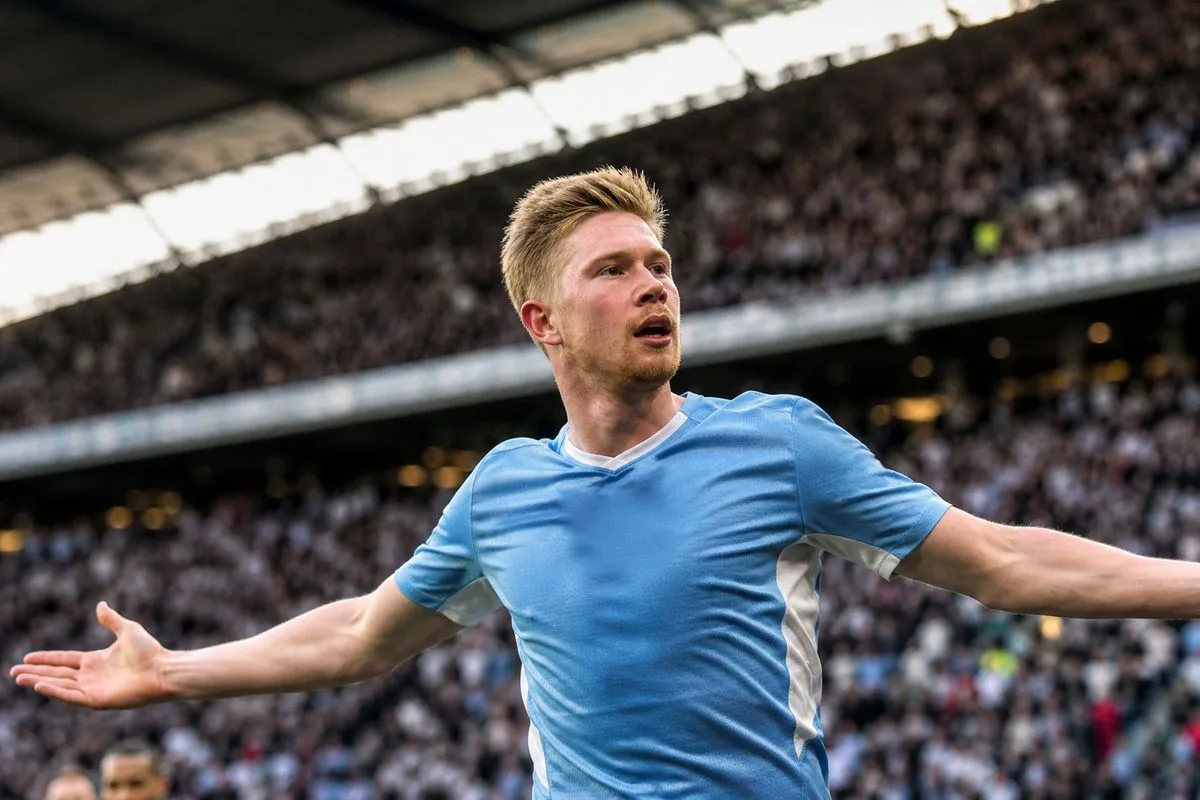
There is also the question of role. De Bruyne’s reputation is built on being a central organiser, the player who sees the pass early and plays it anyway. But older elite midfielders often evolve into something slightly different. They become specialists, used in specific match states, or deployed where their decision making can compensate for reduced running power. If PSV interest is real, it would likely be framed around that sort of managed role, rather than expecting him to play every three days through winter and spring.
Why PSV links to Kevin De Bruyne are not as crazy as they sound, and why they might be
On the surface, PSV and Kevin De Bruyne feels like a romantic football story. A superstar nearing the later stages of his career, returning to a league that can offer big matches, European nights, and a slightly different rhythm than the Premier League grind. That is the sell. And it is not exactly groundbreaking as a concept, football has always had these late career pivots.
But the obstacles are obvious too. Wages, for one. The source material does not provide any salary figures, so it would be wrong to guess. Yet it is safe to say PSV would need creativity, either a short contract, performance related incentives, or external commercial uplift to make the numbers work. Then there is the question of competition. If De Bruyne is available, PSV are unlikely to be the only club capable of offering a compelling project, even if some of those projects sit outside Europe.
And then there is the player’s mindset. De Bruyne has spent years at the top end of the sport, where every match is a referendum on trophies. Moving to PSV would not be a step down in prestige inside the Netherlands, but it would be a different ecosystem. The weekly pressure is different, the tactical demands are different, and the expectation shifts from “win the Champions League” to “be competitive in Europe while dominating domestically”. Some players love that. Others find it weirdly hard to adjust.
Kevin De Bruyne and the Belgium factor, why international moments still move the market
The recent attention around a Belgium match moment, specifically the widely discussed goal against Turkiye, underlines something that clubs and agents understand very well. International football remains a shop window, even in an era where every club match is analysed to death. The audience is broader, the narrative is simpler, and a single action can travel further than a month of solid league performances.
For De Bruyne, Belgium appearances also reinforce the idea that he is still operating at a level where he can influence games. That matters if a potential buyer is trying to justify a winter move for a 35 year old. They will point to leadership, composure, and the ability to deliver in big moments. And they will argue that those qualities translate, even if the player is no longer playing 90 minutes twice a week.
There is also a tactical angle that often gets missed. Players like De Bruyne can raise the baseline of a team’s attacking structure without needing to dominate the ball constantly. One pass that breaks a line changes the entire defensive behaviour of the opponent. Even the threat of that pass changes behaviour. So when a clip of him scoring or creating circulates, it is not just nostalgia. It is a reminder of a tactical weapon that still exists.
What a January move would mean in practical terms, squad building, minutes, and expectations
If PSV, or any club in a similar tier, seriously pursue Kevin De Bruyne in January, the move cannot be treated like a normal signing. It becomes a squad design decision. Does he start every week, or is he used as a high leverage option? Does the team build around him, or does he plug into an existing system? Those are not small questions, they shape recruitment, training load, and even dressing room dynamics.
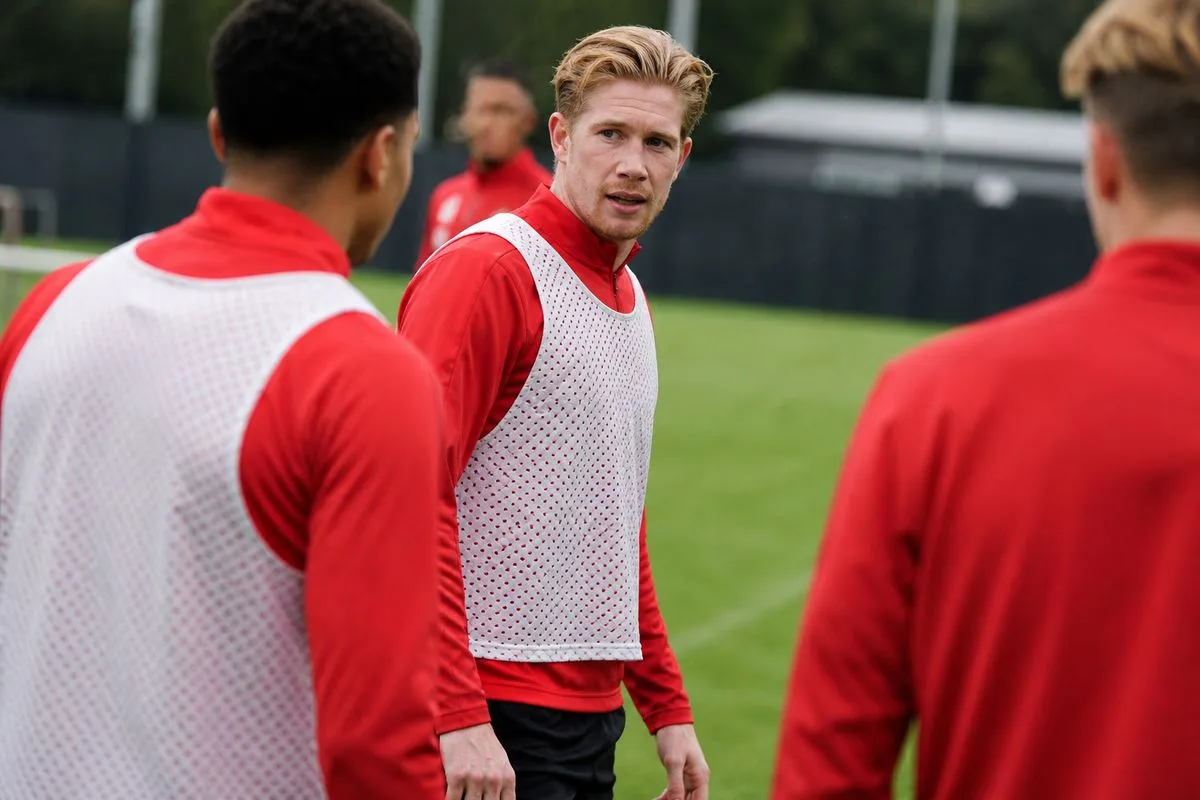
There is also the reality of winter windows. January is not a clean slate. It is a mid season intervention. A club signing De Bruyne in January would be asking him to adapt quickly, learn patterns, and deliver output without a full pre season. That can work for elite players, but it is not automatic. And at 35, the physical ramp up has to be managed carefully. The romantic version is “he arrives and everything clicks”. The realistic version is “he arrives, plays 45 minutes here and there, and peaks in the spring”.
Expectations are the final piece. A player of De Bruyne’s stature changes what fans think is possible. That can be energising. It can also be unfair. If PSV sign him, every dropped point becomes a debate about whether he should have started, whether he is fit, whether the team is using him correctly. That is the cost of celebrity. It is not a reason to avoid the move, but it is part of the calculation.
The Bigger Picture
The De Bruyne to PSV chatter sits inside a wider trend that is reshaping European football, the revaluation of late career elite players. For a long time, the default path was predictable, top leagues until the legs go, then a final contract elsewhere. But now clubs are getting smarter about “selective greatness”. They do not need a veteran star to play 50 matches. They need them to decide 10. That shift makes moves like this more plausible than they would have been a decade ago.
There is also a branding and attention economy element that is impossible to ignore. De Bruyne’s 26 million Instagram followers are not just a vanity number. They represent a direct channel to a global audience. Mid sized European giants, clubs that are big but not permanently in the Premier League spotlight, increasingly look at marquee signings as a way to punch above their weight commercially. It is not cynical, it is survival. The Champions League is a financial ecosystem, and visibility helps you stay in it.
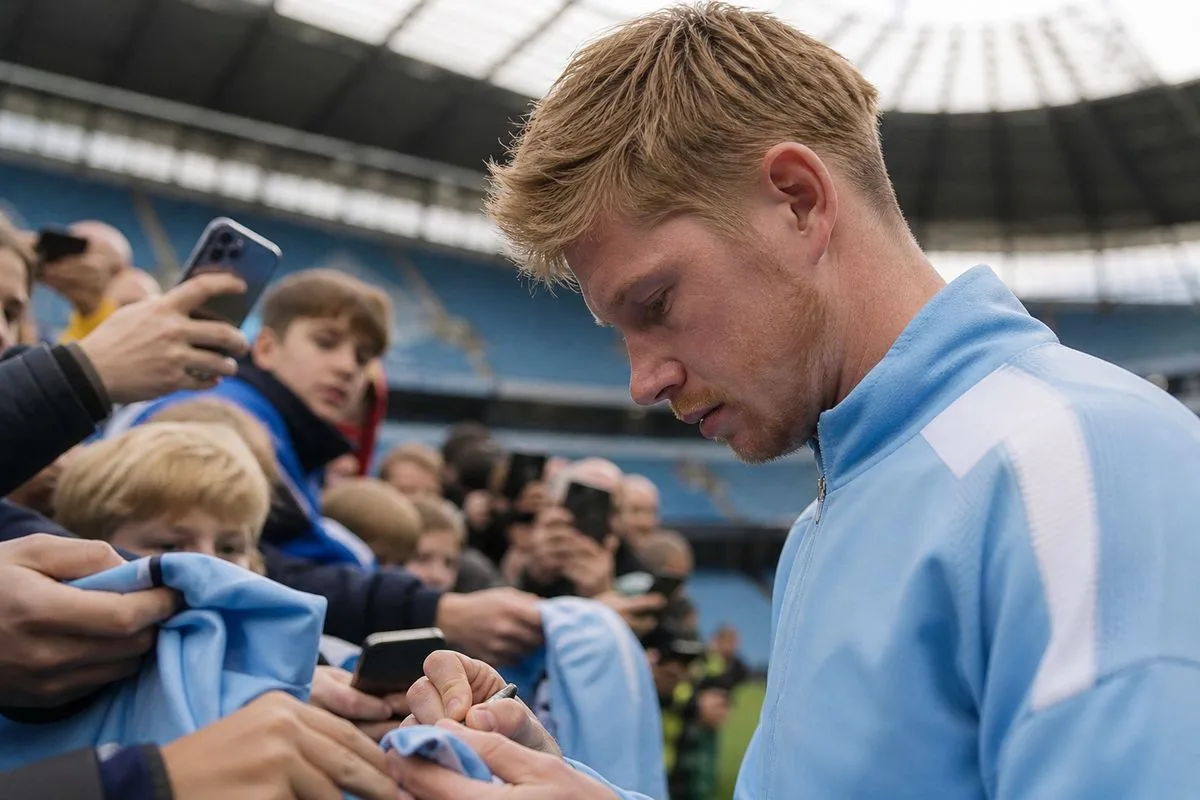
And finally, there is the cultural piece. The Netherlands remains a league where technical midfielders are appreciated, where tempo and structure matter, and where a player can influence games through intelligence as much as intensity. If De Bruyne is choosing a European move that prioritises football quality and a manageable schedule, rather than pure financial maximisation, the Eredivisie is not a silly destination. It is a statement about what he values at this stage. Whether PSV can actually make it happen is another matter, but the logic behind the link is not hard to see.
Closing thoughts on Kevin De Bruyne’s next step
Right now, the most honest reading is this, Kevin De Bruyne remains a high profile, high impact player whose name will attract transfer speculation whenever a window approaches. The PSV link, as presented in the available material, sits in the realm of exploration and discussion rather than confirmation. That does not make it meaningless. It makes it a signal, that clubs and fans are starting to imagine De Bruyne’s career in chapters, not one continuous story.
What keeps the story alive is that De Bruyne is still producing moments for Belgium that remind everyone of the core truth, he can decide games. And when a player can still do that, the market always finds a way to talk itself into possibilities. January will bring clarity one way or another. Until then, the speculation is not just gossip, it is a window into how modern football thinks about ageing superstars, risk, and reward.
If PSV do push beyond exploration, the move would be one of the most fascinating European winter stories in years, not because it is shocking, but because it would be so revealing. About PSV’s ambition. About De Bruyne’s priorities. And about the sport’s growing comfort with the idea that greatness does not have to be constant to be worth paying for.